By
Justin Wong
—
Writing Without Language Barriers: How Multilingual AI Writers Support Clear Communication

Justin Wong
Head of Growth
Graduated with a Bachelor's in Global Business & Digital Arts, Minor in Entrepreneurship
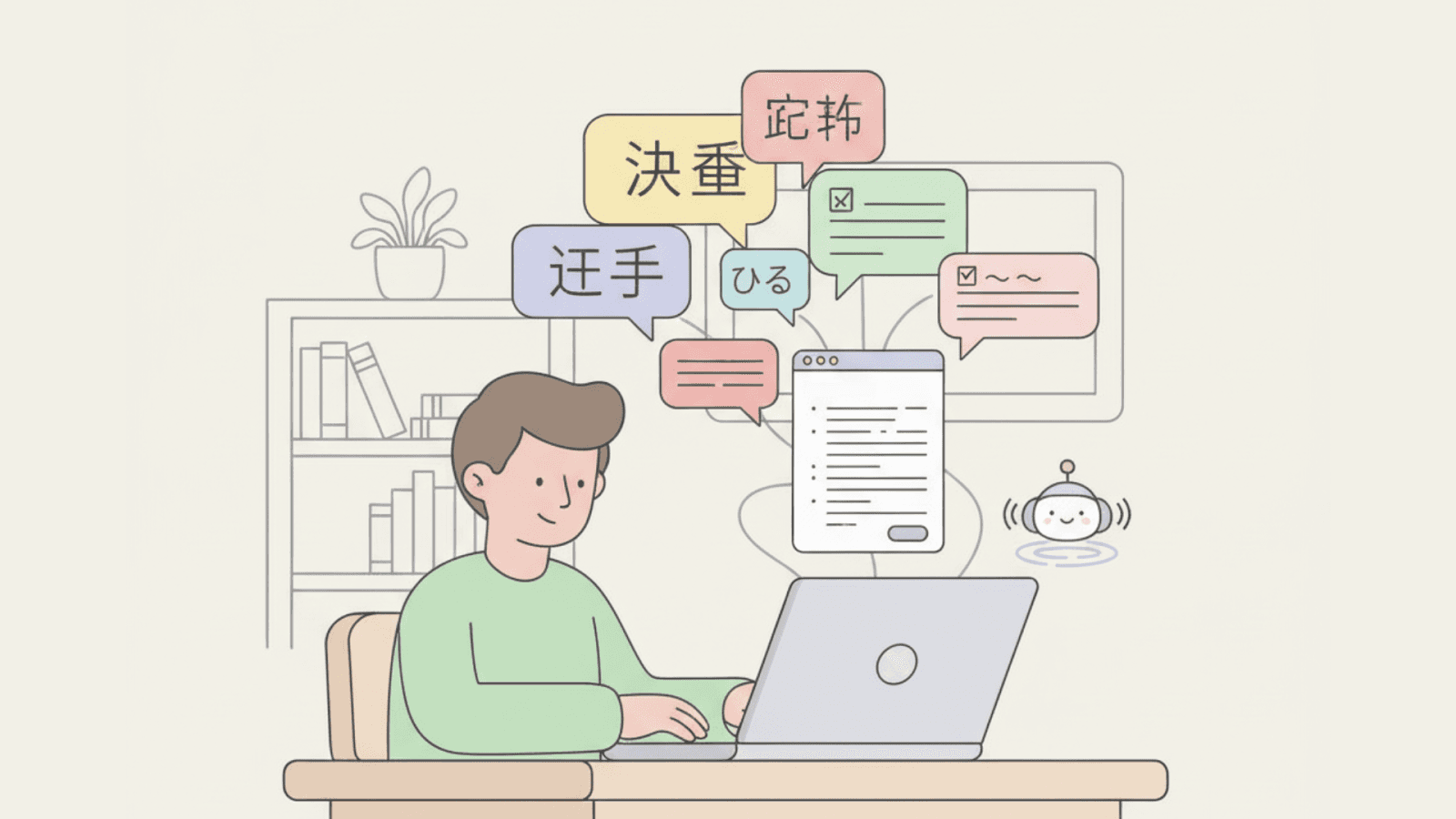
Writing in more than one language can feel exhausting. You may know what you want to say, but the words do not come out right. Grammar rules change. Tone feels off. And small mistakes can make your message look less clear than it is.
Multilingual AI writers help with this. They can translate meaning, improve flow, and support research across languages. In this guide, you will learn how these tools work, where they help most, what to watch out for, and how to use them in school and work.
<CTA title="Write Better Across Languages" description="Use Jenni to plan ideas, draft faster, and improve clarity in any language" buttonLabel="Try Jenni Free" link="https://app.jenni.ai/register" />
Understanding the AI Behind Multilingual Tools
Multilingual AI tools are built to work with many languages at once. They do not only swap words from one language to another. Strong systems built on multilingual artificial intelligence aim to preserve meaning, tone, and structure across languages.
GPT and NLP
GPT models are trained on vast datasets, enabling them to generate human-like text. When combined with NLP, they not only understand and generate text but also grasp the nuances of different languages and dialects.
GPT tools learn from huge amounts of text. That helps them guess what words come next. Natural language processing help the system read sentence structure, understand intent, and adapt meaning across languages.
GPT helps the tool write smooth sentences.
NLP helps the tool understand what your sentence means.
When they work together, you can get writing that sounds more human.
<ProTip title="💡 Pro Tip:" description="Write one clear idea per sentence before asking AI to translate or rewrite" />
Language Translation
These tools use AI to translate text accurately, preserving the original meaning while adapting to the linguistic structures of the target language.
Good translation is not word-for-word. Many words do not match exactly across languages. Some phrases also change based on culture. A strong multilingual AI tool tries to:
Keep the meaning the same
Use the right grammar for the target language
Avoid strange phrasing
Match the tone you want
This is important in school writing and in business writing.
Context Understanding
Advanced NLP algorithms enable these tools to understand context, which is crucial for maintaining coherence in translation and content generation.
Context is the “why” behind your words. It helps the tool choose the right meaning.
For example, the word “bank” can mean a place for money or the side of a river. Without context, translation can fail. With context, the tool can choose the right meaning.
You can help context by adding:
The topic (school, work, health, travel)
The audience (teacher, client, friend)
The goal (inform, persuade, explain)
Content Generation
AI can create content in multiple languages, taking into account the specific grammatical and stylistic rules of each language, thus producing natural and fluent text.
Multilingual AI tools can also create brand-new writing. That includes:
Emails
Reports
Essays
Blog content
Meeting notes
But the best results happen when you guide the tool well. AI can write fast, but it still needs your direction.
<ProTip title="🧭 Pro Tip:" description="Tell the tool your audience and goal so the tone fits the situation" />
AI and Language Barrier Breakthrough
Language barriers can block access to learning and opportunities. If you can only read a few languages, you may miss research, news, and ideas from other places. AI writers can reduce that gap by helping people read and write across languages.
Translation and Multilingual Support
Tools like Google Translate have evolved to provide near-instantaneous translation across numerous languages. AI writers go a step further by not just translating but also crafting original content in multiple languages.
Translation tools help you understand the basics. Multilingual AI writers try to help you communicate with more confidence. They can do more than translation, like:
Fix grammar in your target language
Match a formal or casual tone
Help you keep the same message across languages
This matters because a direct translation can still sound “wrong” to a native reader.
Real-World Application
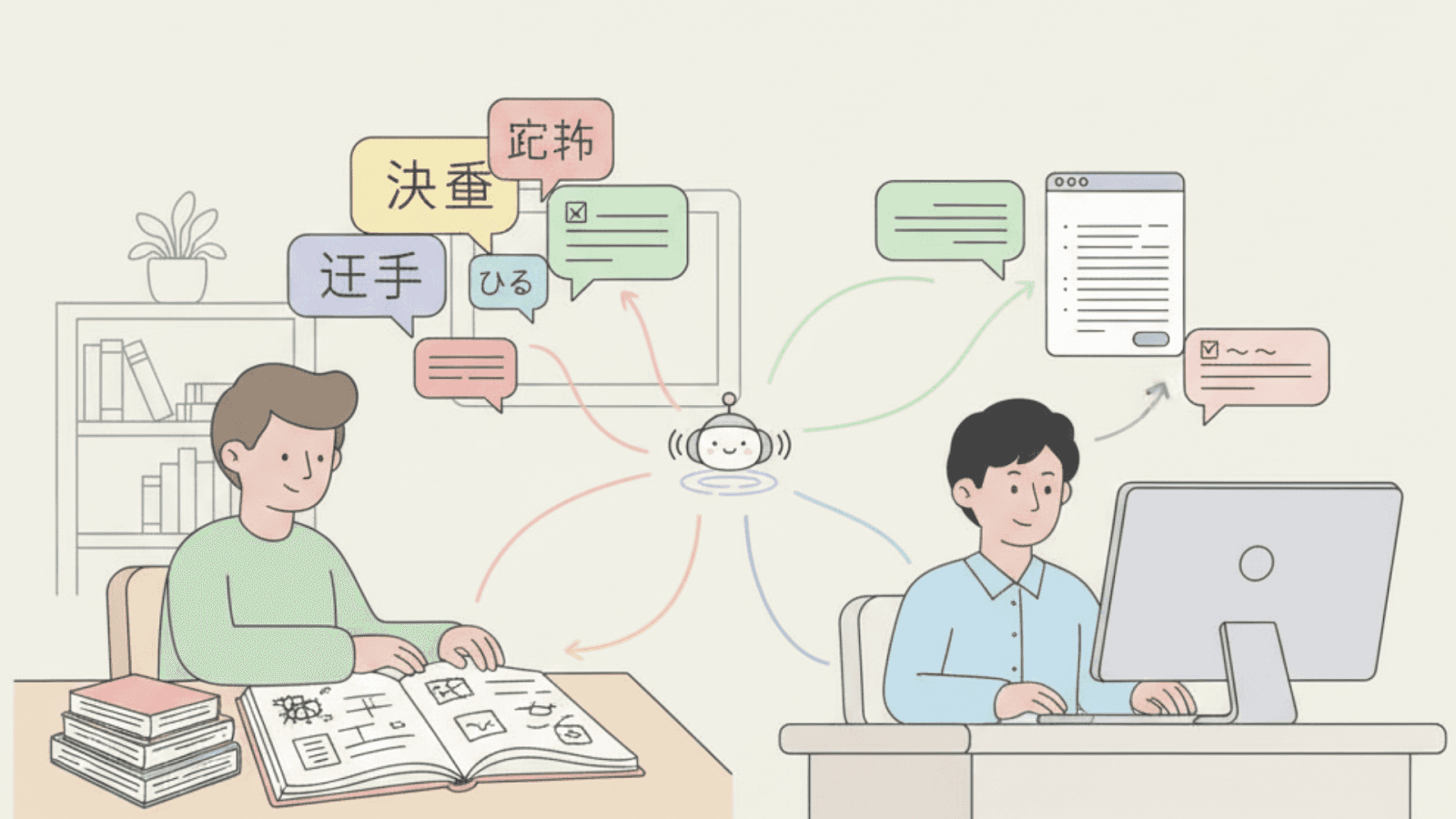
For example, an AI tool can help a Spanish-speaking student write an essay in English, or assist a multinational company in drafting business communications in several languages, ensuring accuracy and cultural appropriateness.
Here are a few simple examples:
For Students
Students often think in one language but must submit work in another. Writing in a second language becomes more manageable when AI supports drafting and clarity without replacing the student’s own thinking.
Draft your ideas in your strongest language
Use AI to translate into the school language
Ask AI to improve clarity and grammar
Edit it so it still sounds like you
For Professionals
Clear communication matters even more at work. Multilingual AI tools help teams keep messages consistent across regions without losing tone or meaning.
Write one “master” message
Adapt it for each region and language
Keep the meaning the same across versions
Reduce tone mistakes in formal writing
These are small steps, but they remove a lot of stress.
<ProTip title="🌍 Pro Tip:" description="After translation read it out loud to catch awkward tone and rhythm" />
Enhancing Research with AI
AI does not only help you write. It can also help you research, especially when you work with sources in different languages. This is a big deal for students and researchers.
Data Analysis
AI tools can analyze large datasets, identifying patterns and insights that might be missed by human researchers. Some AI tools can help sort and scan large amounts of data. This is common in science, business, and social research.
AI can support tasks like:
Grouping similar answers in survey data
Spotting repeated patterns
Summarizing key trends
It does not replace research skills, but it can speed up early steps.
Summarization
AI can quickly summarize lengthy academic papers, making it easier to gather information from various sources. Reading long papers takes time. AI summaries help you decide what is worth reading in full.
A good way to use summaries is:
Ask for a summary first
Ask for key terms and key claims
Read the source for the details
Take your own notes
This helps you stay in control of the meaning.
Source Verification
With the ability to access and analyze vast databases, AI tools can assist in verifying the credibility and relevance of sources, ensuring the integrity of academic work.
AI can help you check basics, like:
Who wrote the source
What year it was published
Whether it is peer-reviewed
Whether it cites evidence
Still, you should confirm important facts yourself. AI can make mistakes, and some sources are not reliable.
Research Across Languages
AI tools can translate and adapt research materials from one language to another, opening up a wider array of sources for researchers working in different linguistic contexts.
This is one of the biggest benefits. The world has over 7,000 living languages, according to Ethnologue. Yet online content is still heavily concentrated in a small set of languages. For example, W3Techs reports that English is used by about half of the websites they track.
This means many ideas never reach a global audience. Multilingual AI can help by letting you read more sources and share your own work with more people.
<ProTip title="📚 Pro Tip:" description="Use AI to translate sources but cite the original author and title language" />
Leading Multilingual AI Writers
There are many multilingual AI tools. Some focus on translation. Others focus on writing. Some do both. The best tool depends on what you need. Below are a few popular options and what they are known for.
DeepL Write: Precision and Fluency
DeepL Write is designed to help people improve writing quality. It focuses on clear grammar, better word choice, and smoother tone. It can be helpful when you already have a draft but want it to sound more natural.
Good use cases include:
Polishing a translated draft
Making a formal email sound professional
Fixing grammar errors quickly
Jasper.ai: Creative and Versatile Content
Jasper is known for content creation, like marketing and blog writing. It also supports many languages. Jasper says it can read and write in 80+ languages.
It can be useful when you need:
Short marketing copy in multiple languages
Fast drafts with different tones
Quick content variations for different regions
Writesonic: Adaptable AI for Diverse Needs
Writesonic is often used for a mix of tasks, such as blog writing, ads, and general content. It is known for flexibility across formats. It can be a good fit if you want one tool for many kinds of writing.
ChatGPT: Conversational and Context-Aware
ChatGPT is strong for interactive work. You can ask follow-up questions and refine the output step by step.
It can help with:
Brainstorming ideas in any language you speak
Turning rough notes into clean paragraphs
Rewriting the same message for different audiences
<ProTip title="⚙️ Pro Tip:" description="Test the same paragraph in two tools to see which tone fits your goal" />
Customization and Personalization in AI Writing
A big reason people like AI writing tools is control. Modern tools for AI-powered writing allow writers to adjust tone, structure, and language use to fit academic and professional needs.
Personalization Features
Many tools let you change settings like:
Tone (formal, friendly, confident)
Style (simple, academic, persuasive)
Length (short summary or full draft)
Language and region (Spanish for Spain vs Latin America)
These settings can save time, but they work best when you give clear input.
Customization in Academic Contexts
In school and research, customization matters because rules are strict.
AI can help with:
Keeping a consistent voice
Making your argument clearer
Fixing grammar without changing meaning
Improving transitions between ideas
If you use Jenni, focus on the parts that support learning. For example, you can use an AI writing assistant to outline your ideas, then expand them in your own words. You can also use Jenni to refine clarity and flow after you draft.
<ProTip title="🎓 Pro Tip:" description="Ask for an outline first then write each section in your own voice" />
Navigating Challenges and Limitations
AI should support your thinking, not replace it. When used carefully, technology-supported writing can improve speed and clarity while still helping writers develop long-term skills.
Overcoming AI Writer Limitations
Here are simple ways to use AI tools well without losing control.
Combating Dependency
AI should support your thinking, not replace it. Using AI the right way helps you learn while still improving speed and clarity.
Use AI for planning and editing, not for doing all the thinking
Write at least a rough draft yourself
Practice the skill you want to improve
Ensuring Accuracy in Translation
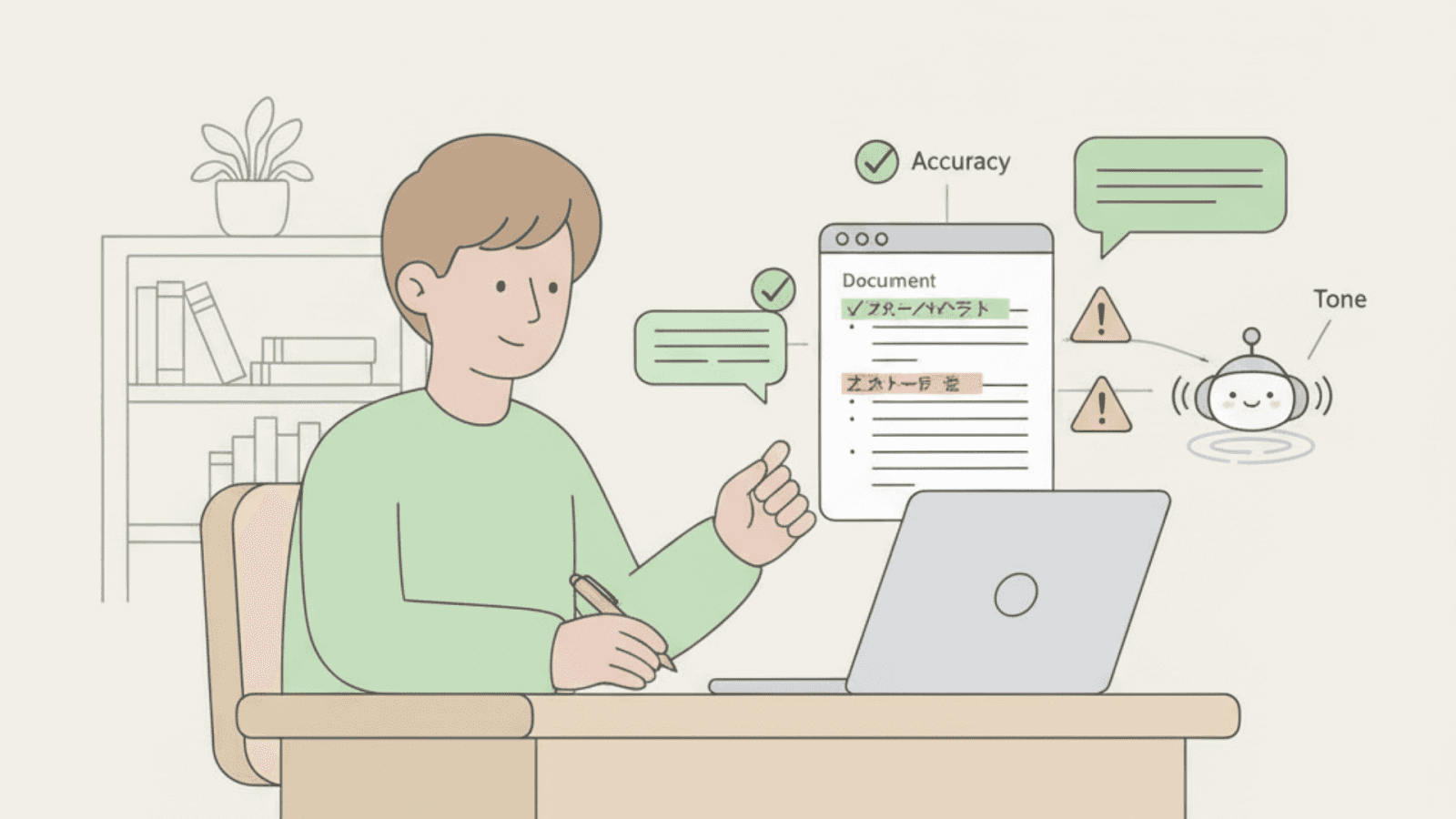
Even strong AI tools can miss details. Careful review helps protect meaning, especially in academic or professional writing.
Check key terms and names
Watch for false friends (words that look similar but mean different things)
Ask the tool to explain its choices
Balancing AI Assistance with Human Judgment
AI can suggest, but you decide. A final human review ensures the writing truly reflects your intent and standards.
Read the output like a teacher or reader would
Check facts and citations yourself
Make sure the writing matches your real point
Ethical Considerations in AI Writing
Ethics matters most in school and research, but it also matters at work. Trust can break fast if people think you are hiding how the content was made.
Plagiarism and Originality
AI can help you write, but you still need to keep your work original.
A simple rule is:
AI can help you shape and improve your ideas
AI should not replace your thinking or your evidence
If you copy AI text without understanding it, you can end up with weak writing and real academic risk.
Impact on Learning and Creativity
AI should support learning, not remove it.
When used well, AI can:
Help you practice language
Improve clarity
Reduce grammar stress
Give you examples of better structure
But you still need to build your own skill over time.
Transparency and Trust
In many settings, it is smart to be open about AI support. Some schools and workplaces have rules. Others expect disclosure.
If you are unsure, check your policy first.
How to Use Multilingual AI Writers in a Simple Workflow
Multilingual AI works best when you follow a clear process. This keeps your meaning stable, even when you switch languages.
Step 1: Start in Your Strongest Language
Write your main ideas in the language you know best. This helps you think clearly first.
Step 2: Translate for Meaning
Ask the AI to translate while keeping meaning and tone. You can say:
Keep it formal
Keep it simple
Keep it polite
Step 3: Ask for a Clarity Pass
Then ask for a rewrite to improve flow. This is different from translation. It focuses on how the text sounds to a native reader.
Step 4: Add Human Review
Do a final check:
Are the facts correct?
Does it match your real point?
Does it sound like you?
Are key terms used right?
This step matters most.
<ProTip title="✅ Pro Tip:" description="Do one final edit without AI so the writing keeps your voice" />
Future of Multilingual AI Writing
Multilingual AI is improving fast. Future tools will likely support more languages and better cultural meaning. Ethnologue and related datasets already track thousands of living languages, which helps show how large the language world is.
Emerging Technologies and Trends
Here are trends many people expect:
Better support for low-resource languages
Stronger dialect and culture awareness
More natural speech and writing integration
Faster real-time translation in meetings and chats
Tools that explain why they chose certain phrasing
This matters because language is tied to identity and community.
Real-Time Collaboration Features
A future goal is smooth teamwork across languages. Imagine a group chat where each person writes in their own language, and the system keeps meaning consistent for everyone.
This can help global learning and global work.
Impact on Global Education
Education becomes more inclusive when language is not a wall. Multilingual AI tools can help students learn and share knowledge, even when school language is not their home language.
Bridging Language Gaps
When research and learning tools work across languages, students can access more material. They can also share their ideas with a wider world. It also helps teachers support mixed-language classrooms.
Facilitating Language Learning
AI tools can support language learning by:
Giving short examples
Explaining grammar in simple terms
Offering practice sentences
Helping students rewrite for clarity
Still, teachers and students should use AI as support, not as a shortcut.
Supporting Diverse Educational Needs
With better access to writing help and translation, more students can succeed. This is especially helpful for:
International students
First-generation students
Students in multilingual regions
Learners with limited academic support
Embracing AI for Multilingual Success
Multilingual AI writers are transforming the way people communicate and learn. They help break language barriers, support research, and improve clarity in writing. When used effectively, they save time and reduce stress while maintaining meaning.
<CTA title="Turn Multilingual Ideas Into Clear Writing" description="Use Jenni to outline, draft, and refine writing across languages while staying in control" buttonLabel="Try Jenni Free" link="https://app.jenni.ai/register" />
Jenni can help you plan your ideas first, then shape them into clear writing in the language you need. With a simple workflow and careful review, AI becomes a bridge that helps your work travel further without losing your voice.