{{HeadCode}} What Reviewers Look For in Claims and Citations | Jenni AI

通过

贾斯汀·王

2025年10月31日

通过

贾斯汀·王

2025年10月31日

通过

贾斯汀·王

2025年10月31日

What do Reviewers Look for in Claims and Citations Before They Approve a Paper?

贾斯汀·王

增长负责人

获得全球商业与数字艺术学士学位,辅修创业

贾斯汀·王

增长负责人

获得全球商业与数字艺术学士学位,辅修创业

贾斯汀·王

增长负责人

获得全球商业与数字艺术学士学位,辅修创业

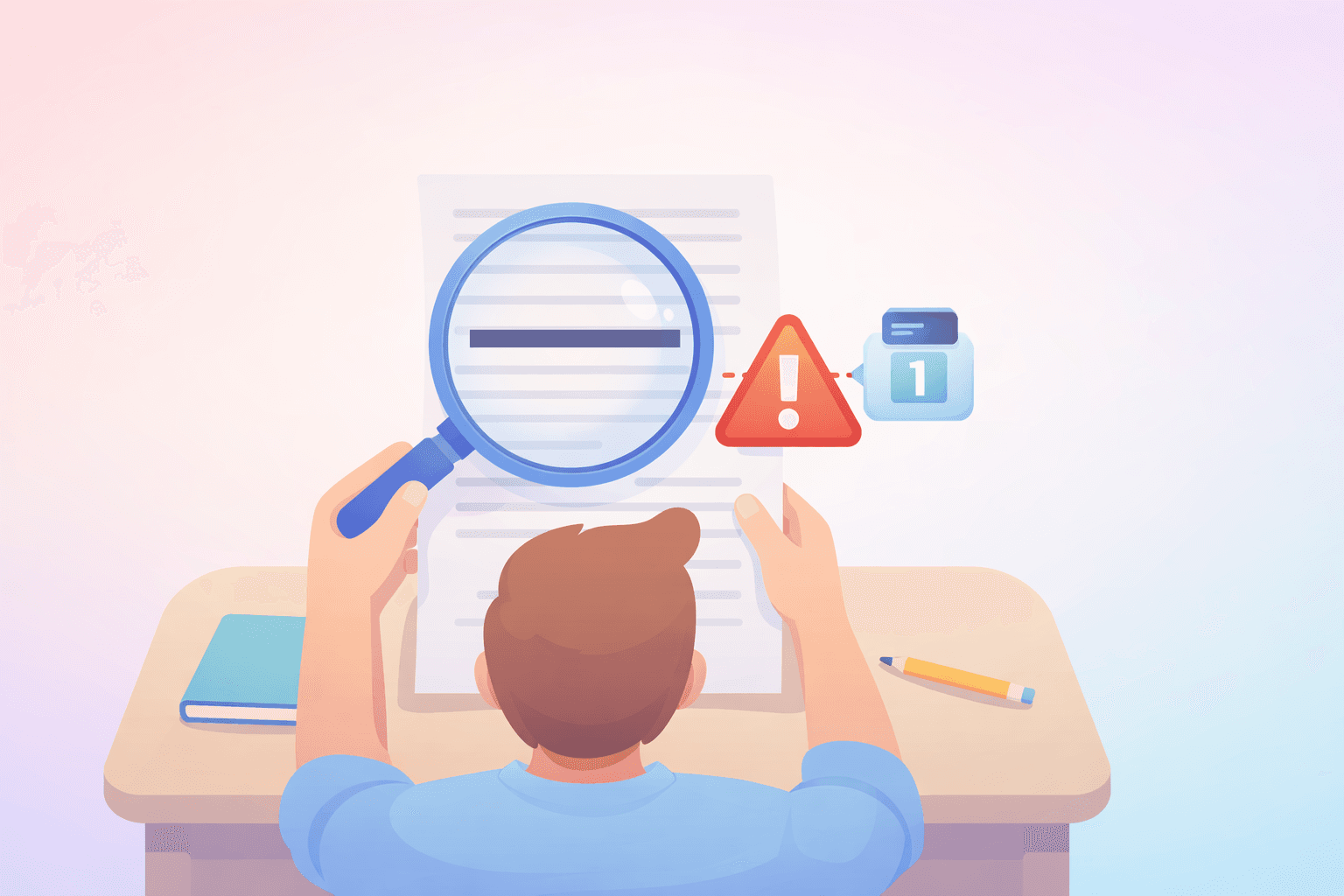
Reviewers are not reading your paper the way you read it. They are skimming for risk.

They scan your strongest sentences, then check whether your citations actually support what you are claiming. If something feels mismatched, the whole draft starts feeling harder to trust, even if the writing is clean. One claim mismatch can quietly change the whole review tone.

<CTA title="Do a quick reviewer-style scan" description="Run Claim Confidence to spot unsupported, overstated, or mismatched claims fast, then tighten the lines reviewers notice first." buttonLabel="Run Claim Check" link="https://app.jenni.ai/register" />

The 5-Minute Reviewer Scan Path

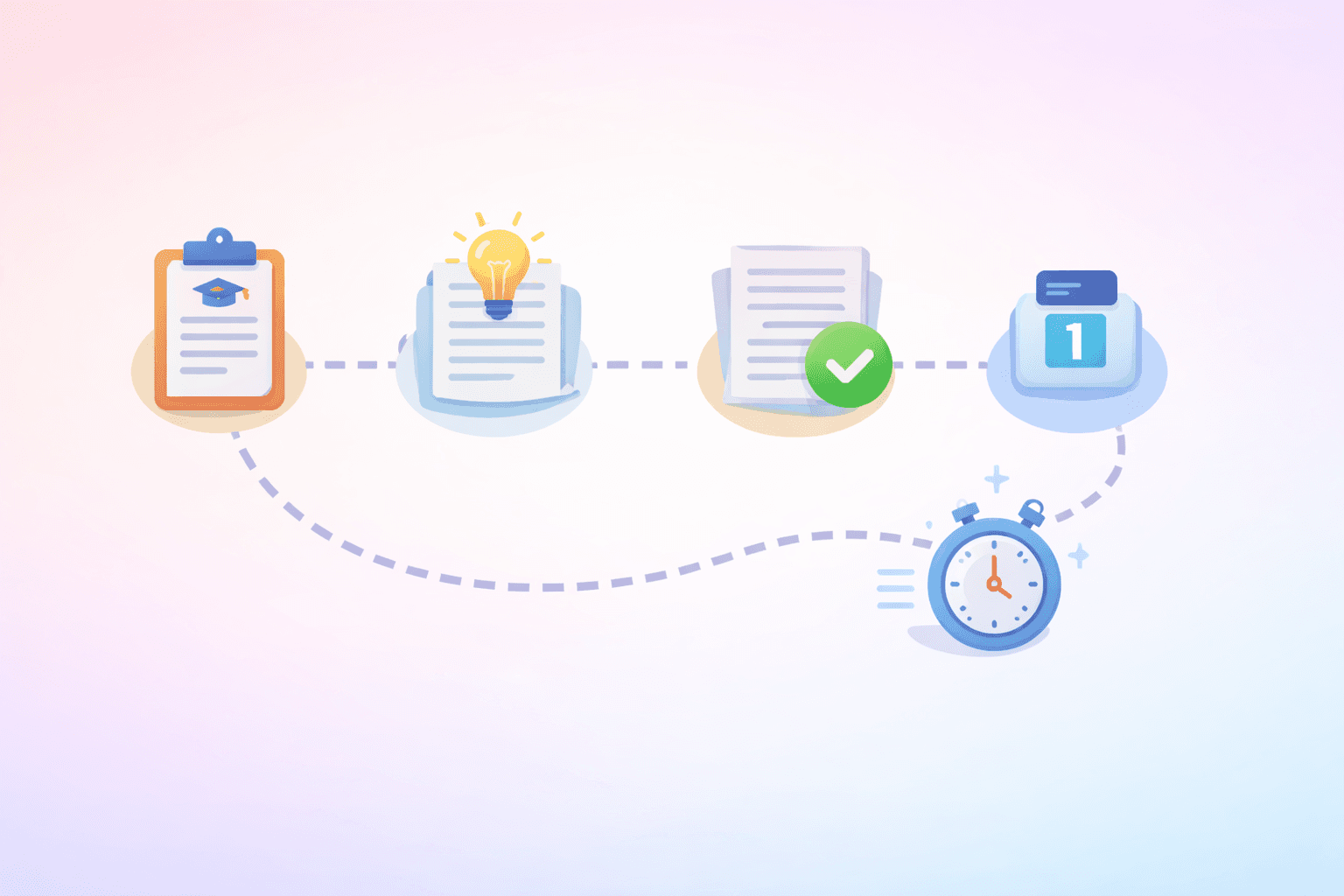
Reviewers rarely start by reading your paper top to bottom. They scan the parts that reveal whether your argument holds up, then they zoom in on the sentences that carry the most risk. Before peer review, many journals do an editorial screening pass to catch obvious fit and credibility issues.

What they check first (before details)

  1. Thesis or main claim

  2. Strongest topic sentences

  3. Conclusion

  4. Citations around bold claims

<ProTip title="⏱️ Fast Move:" description="Circle your top 3 bold claims first. Those are the lines most likely to decide whether review feels easy or painful." />

This is why a draft can feel smooth but still get heavy feedback. Reviewers are testing whether your strongest lines are defensible, not whether every sentence flows nicely.

“If I challenge this, can the author defend it?”

That is the question behind a lot of reviewer comments.

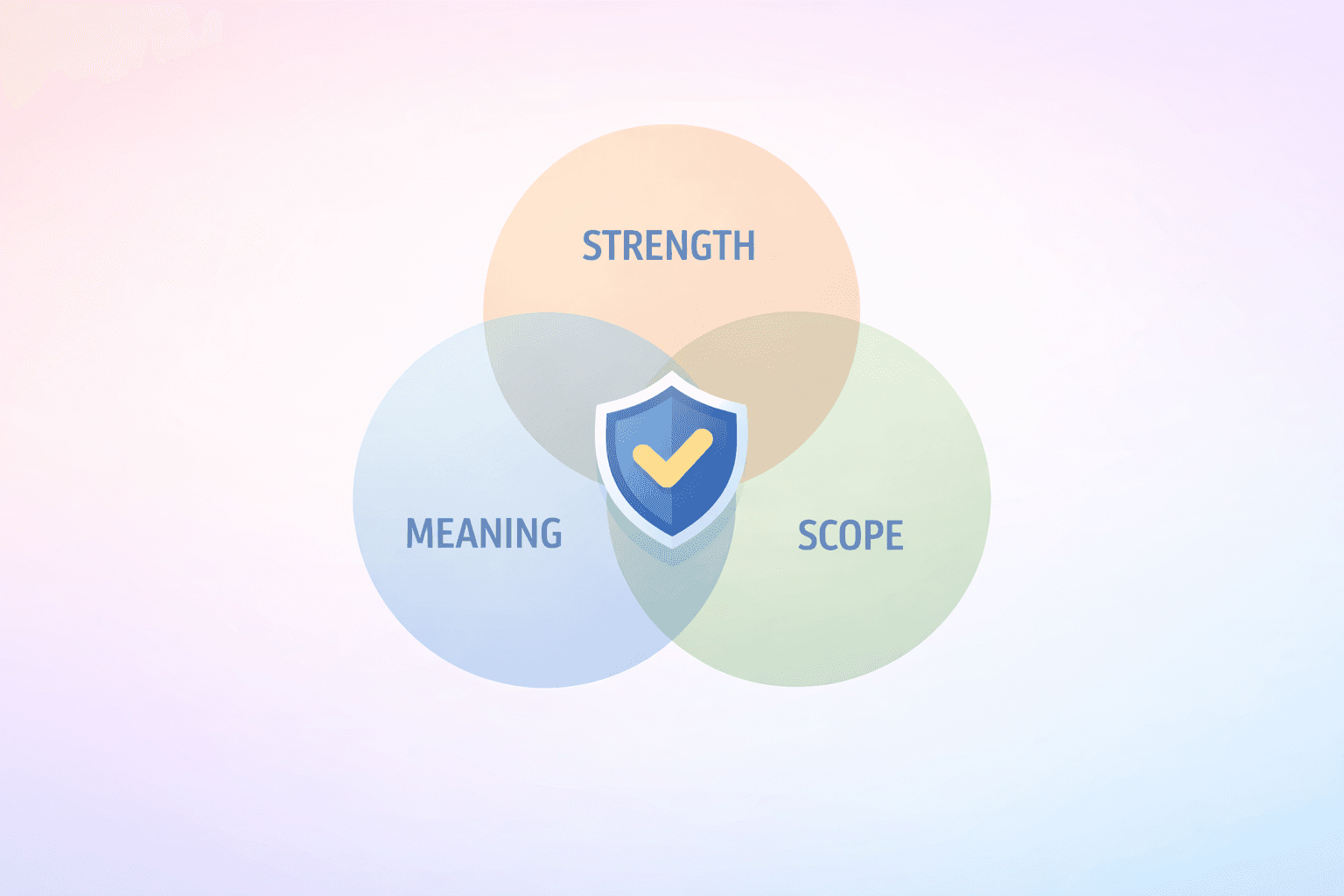
Defensible does not mean perfect. It means your claim can survive a basic challenge:

  • does the cited source match the meaning of the sentence

  • does the wording match the strength of the evidence

  • does the claim stay inside the study’s scope

If any of those break, reviewers do not just flag the one sentence. They start reading the rest of the paper with more skepticism, because they are unsure what else might be upgraded or overgeneralized.

What Makes a Claim Feel “Defensible” to a Reviewer

A claim feels defensible when it matches what your evidence can actually carry. Reviewers are not asking you to be timid. They just want your wording and your sources to line up cleanly, so the argument holds up under scrutiny.

Strength match (your wording cannot outrun your evidence)

Small verb choices can change the level of certainty you are claiming. If the study is cautious but your sentence is absolute, the claim stops feeling defensible even if the citation is real.

Proves → suggests
Causes → associated vs caused
Always → in this sample

If you are unsure, default to the wording the paper uses. You can still sound confident, just not more confident than the evidence.

<ProTip title="🎯 Wording Match:" description="If the paper uses may, suggests, or in this sample, keep that same level of certainty in your sentence." />

Scope match (your claim must fit your sample and method)

Scope issues happen when your sentence expands beyond the population, setting, or timeframe the study actually examined.

Mini example (good vs better)

Good: “This intervention improves sleep quality.”

Better: “In this sample, this intervention improved sleep quality over the study period.”

That small shift keeps your claim inside the boundaries of the data, which is exactly what reviewers look for.

<ProTip title="🕵️ Reviewer Lens:" description="Reviewers do not start by reading. They start by checking whether your strongest sentences can be defended." />

A quick pre-submission checklist helps here because it forces you to sanity check your strongest claims before you ship the draft.

The Citation Test Reviewers Apply Without Saying It

When reviewers hit a strong claim, they usually run a quick two-part check. First, is the citation placed where it should be? Second, does the source actually support the sentence?

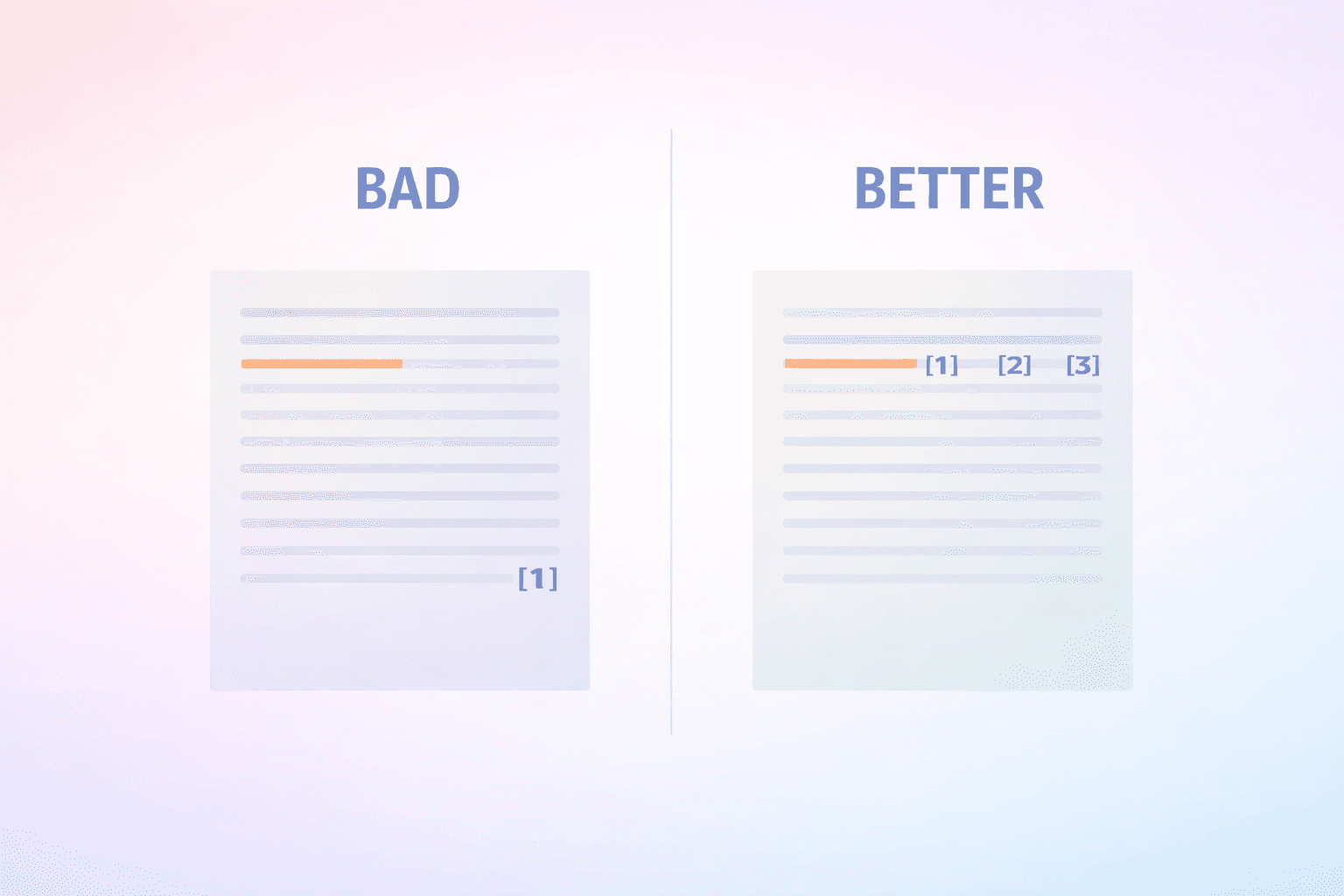
Placement: is the citation attached to the exact claim?

Bad (hard to verify fast):

“Digital health tools reduce anxiety among university students.”
…more sentences…

(citation at end of paragraph)

Better (clear and defensible):

“Digital health tools may reduce anxiety among university students (Author, Year).”
(citation right after the claim sentence)

That one change makes it obvious what the citation supports, which is exactly what a reviewer wants when scanning.

Fit: does the cited paper actually say this?

Placement can be perfect and the claim can still be wrong if the source does not match your meaning or certainty.

A quick way to self-check is a mini “quote swap”:

  • find the closest sentence in the source

  • compare how cautious it sounds

  • adjust your wording to match the source

If you notice you upgraded the meaning during paraphrasing accuracy, that is usually a sign to downgrade the claim or tighten scope.

And if the source supports the topic but not your exact point, that is a claim mismatch in practice.

What Reviewers Flag Immediately

Some issues get flagged not because your writing is bad, but because they signal risk. Reviewers read fast, so anything that looks hard to verify or easy to overstate gets attention right away.

Red flags in one sentence

🚩 “This proves…” paired with a cautious source.

🚩 One citation trying to support multiple separate claims.

🚩 A conclusion that goes beyond what the data can reasonably support.

🚩 A method section that is too vague to evaluate.

🚩 A strong claim with no citation sitting next to it.

A quick table: what they see vs what they assume

What the reviewer sees

What it signals to them

The simplest fix

A bold claim, citation far away

“I cannot tell what supports what.”

Move the citation to the claim sentence

“Proves/causes/always” wording

“This might be overstated.”

Downgrade certainty or add scope limits

One citation at end of a long paragraph

“Parts of this are unsupported.”

Split claims and cite each one clearly

Vague method description

“I cannot evaluate reliability.”

Add key details: sample, setting, measures

Conclusion bigger than results

“Scope drift.”

Tighten conclusion to match findings

Is this evidence strong enough for this claim?

A useful rule is that big claims need strong support. If your sentence makes a broad statement, reviewers expect evidence that is robust, consistent, and clear about limitations. When the support is thin, they will either ask you to narrow the claim or justify it with stronger evidence.

If you are unsure, lean on certainty of evidence thinking: how confident would a careful reader be that this result would hold up in a different sample or setting?

This is one reason papers get rejected even when the writing looks polished.

One Final Scan Using Claim Confidence in Jenni

When you are close to submitting, the goal is not to rewrite your paper. It is to catch the few credibility issues that create reviewer pushback. Claim Confidence runs a fast review and highlights sentences that may be unsupported, overstated, contradicted, or misrepresented, so you can tighten the exact lines reviewers focus on.

How to run it

  1. Click Review (top right)

  2. Click Run review under Claim confidence

  3. Scan the Results

  4. Click a flagged line to see the explanation

  5. Choose Accept or Reject

<ProTip title="⚡ Fastest Win:" description="Start with Overstated and Unsupported first. Those edits usually fix the biggest credibility issues with the least effort." />

Make Your Paper Easier to Approve

Most reviewer pushback is not about your topic. It is about how easy your claims are to verify. When your wording matches your evidence, and your citations sit exactly where the claims are made, your draft becomes faster to evaluate and harder to question.

You do not need perfection. You just need fewer moments where a reviewer has to stop, reread, and wonder if the source really supports what you wrote. That is the difference between a smooth review and a painful one.

<CTA title="Run a final reviewer-style scan" description="Use Claim Confidence to flag unsupported, overstated, or mismatched claims, so your strongest sentences hold up before you submit." buttonLabel="Scan My Draft" link="https://app.jenni.ai/register" />

目录

今天就开启你的非凡写作之旅

从今天起,用 Jenni 写下你的 第一篇论文,开启全新篇章

免费开始

无需信用卡

随时取消

500万+

遍布全球的学者

5.2小时

每篇论文平均节省

超过1500万篇

在鉴研上完成的论文

今天就开启你的非凡写作之旅

从今天起,用 Jenni 写下你的 第一篇论文,开启全新篇章

免费开始

无需信用卡

随时取消

500万+

遍布全球的学者

5.2小时

每篇论文平均节省

超过1500万篇

在鉴研上完成的论文

今天就开启你的非凡写作之旅

从今天起,用 Jenni 写下你的 第一篇论文,开启全新篇章

免费开始

无需信用卡

随时取消

500万+

遍布全球的学者

5.2小时

每篇论文平均节省

超过1500万篇

在鉴研上完成的论文