Di
Nathan Auyeung
—
Assistenti di scrittura basati sull’IA: come supportano la scrittura accademica in modo etico

Nathan Auyeung
Senior contabile presso EY
Laureato con una laurea in Contabilità, ha completato un Diploma Post-Laurea in Contabilità
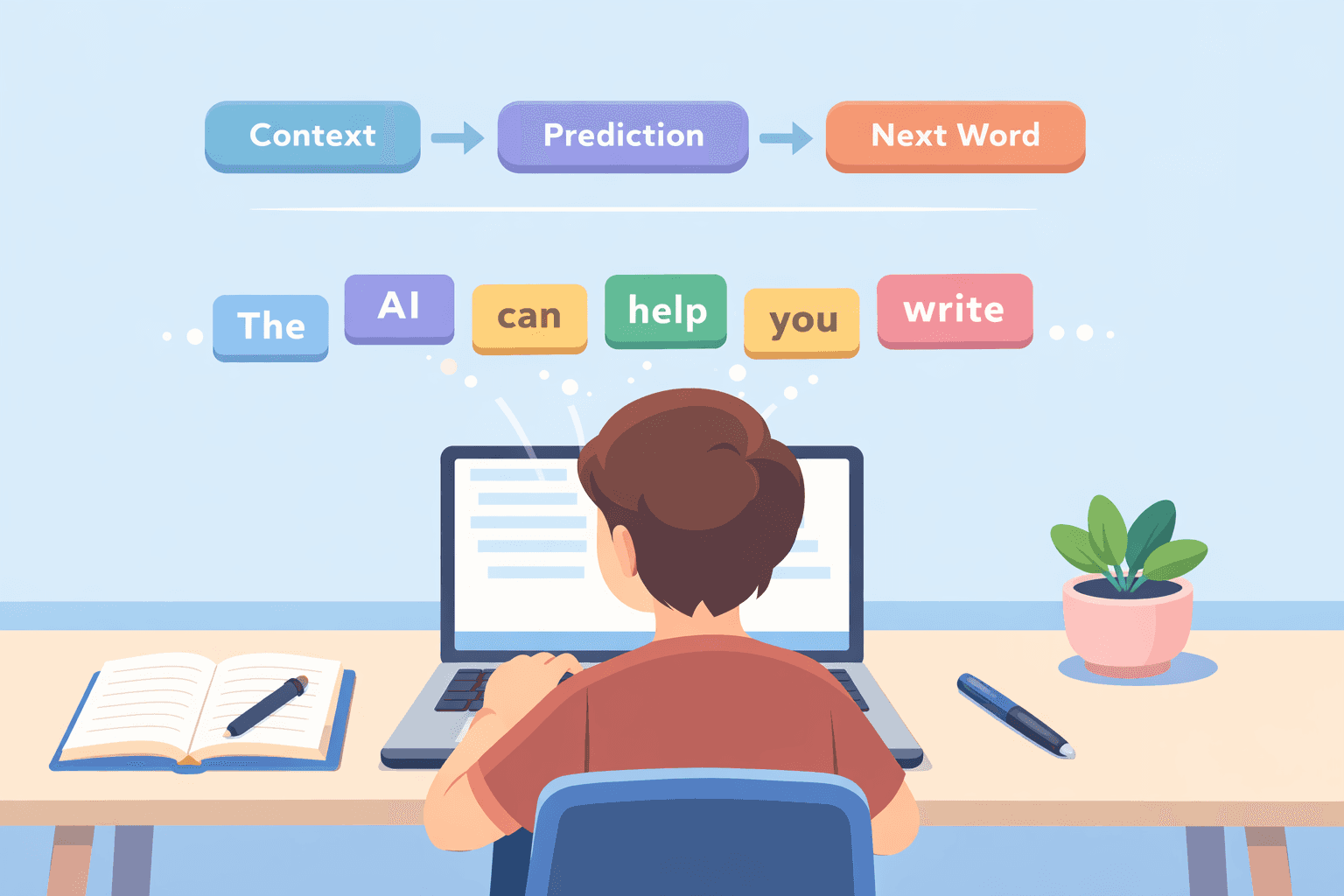
Gli strumenti di scrittura con IA, come i correttori grammaticali e gli strumenti di stesura, non sono più una novità. Ormai fanno semplicemente parte della scrittura, integrati in tutto, da Google Docs alla tastiera del telefono. Suggeriscono parole e correggono le virgole mentre scrivi. Ma per qualcosa che usiamo ogni giorno, il loro funzionamento è sorprendentemente poco trasparente.
Come fa a scegliere la parola successiva? E perché in un momento suona così convincente, per poi affermare con sicurezza qualcosa di sbagliato subito dopo? Non è magia. Dipende dai dati con cui questi modelli sono stati addestrati, dai pattern che hanno appreso e dalla logica specifica, spesso imperfetta, che seguono per generare testo.
<CTA title="Scrivi con chiarezza fin dalla prima bozza" description="Usa Jenni per redigere, revisionare e strutturare i tuoi testi in tempo reale mantenendo il pieno controllo delle tue idee." buttonLabel="Prova Jenni Gratis" link="https://app.jenni.ai/register" />
Che cos'è un assistente di scrittura IA?
Quindi, che cos'è esattamente un assistente di scrittura IA? In termini semplici, è un software che usa l'intelligenza artificiale per lavorare con il testo. Può aiutarti a scrivere, modificare, riassumere o riformulare qualcosa.
La tecnologia alla base della maggior parte di questi strumenti oggi è un tipo di apprendimento automatico chiamato modello linguistico di grandi dimensioni (LLM), o LLM. Questi modelli vengono addestrati su miliardi o trilioni di parole provenienti da libri, articoli e dati web pubblici.
La differenza chiave rispetto a un correttore ortografico tradizionale è che questi strumenti non seguono un semplice elenco di regole. Invece, hanno appreso i pattern statistici del linguaggio.
Hanno assimilato come parole e frasi tendono a combinarsi tra loro in innumerevoli email, racconti e relazioni.
Tutto ciò che fa si riduce a una funzione fondamentale: prevedere il frammento di testo successivo. Tu fornisci una frase e il sistema calcola la parola o espressione più probabile da inserire dopo, in base a tutti i pattern appresi.
Ogni altra funzionalità, che si tratti di cambiare tono, accorciare un paragrafo o generare un'email, è solo un modo diverso di usare lo stesso motore di previsione.
<ProTip title="💡 Suggerimento Pro:" description="Quando usi l'IA per scrivere, concentrati nel fornire un contesto chiaro invece di prompt brevi e vaghi. Input migliori portano a output più utili." />
Perché è importante capire come funziona la scrittura con IA
Sapere come funzionano davvero questi strumenti di IA è importante, perché gran parte della confusione e della frustrazione che le persone provano nasce da un'idea sbagliata del loro funzionamento.
Alcuni pensano che l'IA "capisca" i contenuti come farebbe una persona. Altri la liquidano come un semplice completamento automatico avanzato. Entrambe queste ipotesi sono imprecise.
Comprendere i meccanismi ti aiuta a usarli in modo efficace. Significa che puoi:
Scrivere istruzioni più chiare e ottenere risultati migliori.
Individuare quando l'IA sta allucinando, producendo informazioni fluenti ma non verificate
Mantenere il tuo stile e la tua voce senza che vengano appiattiti.
Capire quando non usarla, soprattutto per compiti scolastici o documenti importanti.
Riconoscere bias incorporati o potenziali problemi di plagio.
Scegliere lo strumento migliore per un compito specifico, invece di usarne uno solo per tutto.
Quando capisci come viene "prodotta" l'IA, smette di essere una misteriosa scatola nera. Diventa uno strumento pratico che puoi davvero usare, invece di una fonte di frustrazione.
<ProTip title="🧠 Ricorda:" description="I suggerimenti dell'IA sono bozze, non decisioni. Rivedi e modifica sempre prima di accettare i cambiamenti." />
Le tecnologie fondamentali dietro gli assistenti di scrittura IA
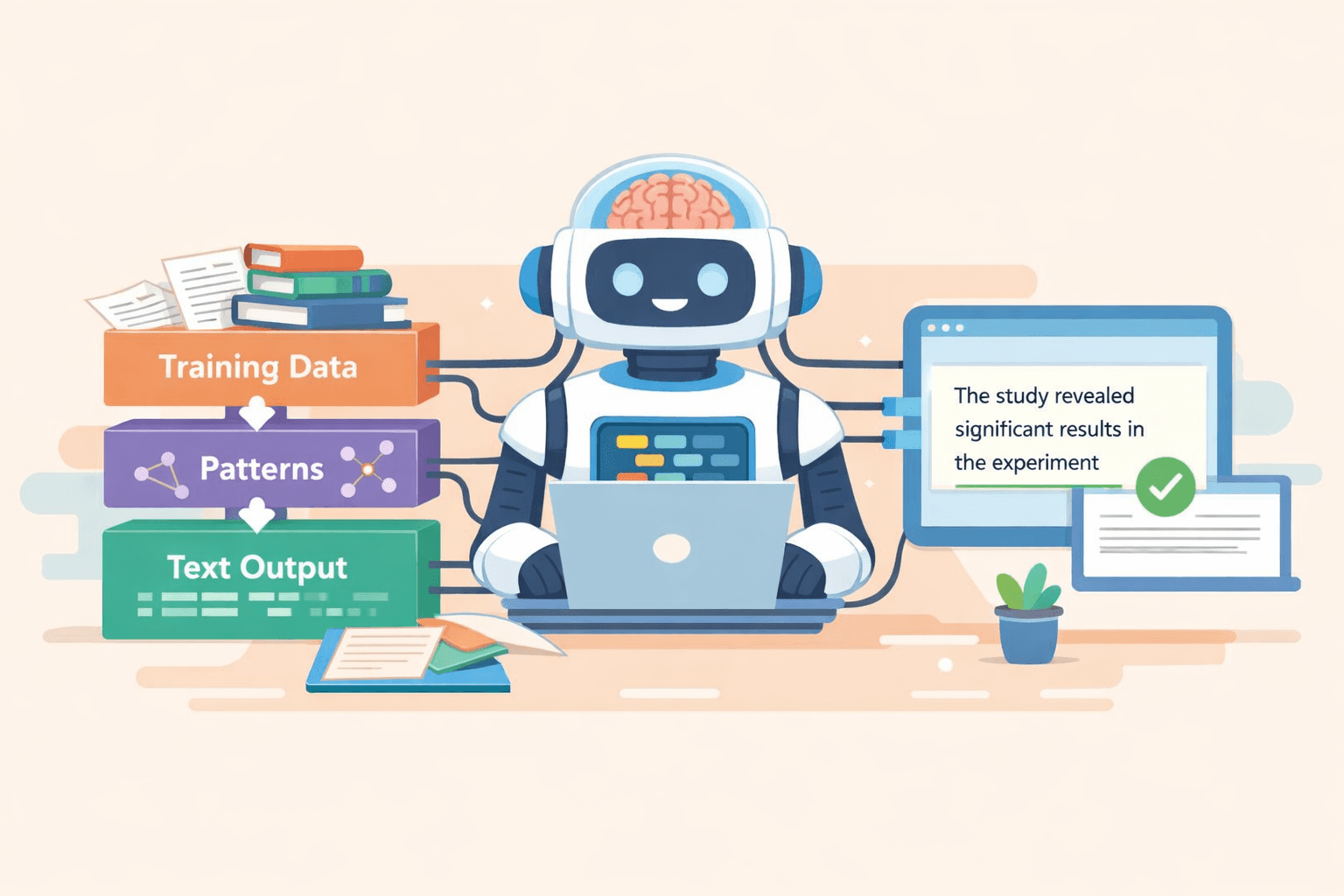
Modelli linguistici di grandi dimensioni (LLM) Questo è il motore interno della maggior parte dei moderni assistenti di scrittura. Un LLM è una rete neurale addestrata su una quantità quasi inimmaginabile di testo, raccolta da crawl web su larga scala, libri digitalizzati e dataset pubblici di articoli.
Non memorizza questi testi. Invece, ne apprende i pattern: come funziona la grammatica, come si costruiscono le frasi e lo stile di diversi tipi di scrittura, da una memoria legale a un post informale di blog.
Quando genera testo, non copia e incolla. Calcola, parola per parola, cosa probabilmente dovrebbe venire dopo in base a tutti i pattern appresi.
Il modello Transformer L'architettura transformer, che ha introdotto un meccanismo di attenzione scalabile su sequenze testuali lunghe, è chiamata architettura transformer. I modelli precedenti faticavano a mantenere il contesto in testi più lunghi.
I transformer hanno risolto questo limite con il cosiddetto meccanismo di attenzione. In termini semplici, l'attenzione consente al modello di osservare tutte le parole del tuo testo e capire come si relazionano tra loro, anche quando sono distanti.
Ecco perché può (di solito) mantenere coerenti pronomi come "lui" o "esso" su più paragrafi, oppure ricordare l'argomento principale di cui stai parlando.
Elaborazione del linguaggio naturale (NLP) Questo è il livello che aiuta l'IA a capire ciò che sta analizzando. La NLP usa tecniche consolidate per scomporre il testo nei suoi componenti. Identifica nomi e verbi, trova dove finiscono le frasi e cerca di valutare tono o intento dietro le parole.
In un assistente di scrittura, la NLP lavora insieme all'LLM per garantire che i suggerimenti non siano solo statisticamente probabili, ma anche sensati rispetto a ciò che stai cercando di scrivere.
<ProTip title="📌 Nota:" description="I meccanismi di attenzione aiutano l'IA a seguire il contesto, ma non garantiscono l'accuratezza fattuale." />
Come vengono addestrati gli assistenti di scrittura IA
Il processo di addestramento di uno scrittore IA non è un evento in un solo passaggio. Avviene in fasi distinte, ciascuna con un obiettivo diverso.
Apprendimento da Internet Per prima cosa c'è la fase di pre-addestramento. Qui, il modello riceve una quantità colossale di testo, praticamente tutto ciò che può trovare online, nelle biblioteche digitali e negli archivi pubblici.
Il suo compito è un semplice e ripetitivo gioco di previsione: dato un insieme di parole, prevedere cosa viene dopo. Facendolo miliardi di volte, assorbe le regole di base e i ritmi del linguaggio.
Impara la grammatica, le espressioni comuni e come le idee vengono tipicamente strutturate. A questo punto ha una comprensione generale della lingua, ma nessuna competenza specifica nell'aiutare qualcuno a scrivere.
Addestramento specializzato per la scrittura Poi arriva il fine-tuning. È qui che un modello linguistico generico viene trasformato in uno strumento specifico.
Gli sviluppatori lo addestrano su dataset specializzati progettati per compiti particolari. Possono mostrargli migliaia di esempi di testo riassunto, riscritto in uno stile diverso o modificato da informale a formale.
Questa fase insegna al modello come applicare la sua conoscenza ampia ai compiti reali per cui un utente cerca supporto, come redigere un'email o rendere più incisivo un paragrafo.
Apprendimento dalle preferenze umane L'ultimo passaggio, cruciale per molti assistenti, è il Reinforcement Learning from Human Feedback (RLHF). Qui gli output del modello vengono valutati da persone e regolati in base a utilità, chiarezza e sicurezza.
I revisori valutano le risposte in base a quanto sono utili, chiare, appropriate e fattuali. L'IA ha dato una risposta utile? Era inutilmente prolissa? Ha detto qualcosa di offensivo o distorto?
Il modello usa queste valutazioni umane per regolare il proprio punteggio interno, imparando a preferire output che le persone ritengono preziosi.
Questo processo riduce tendenze come allucinazioni, verbosità e linguaggio non sicuro, ad esempio inventare fatti, divagare o generare contenuti tossici.
È uno dei motivi principali per cui questi strumenti possono risultare sorprendentemente utili, anziché limitarsi a produrre testo in modo casuale.
<ProTip title="⚠️ Promemoria:" description="Il feedback umano migliora l'utilità, ma non elimina tutti gli errori o i bias." />
Il flusso di lavoro della scrittura con IA: dal prompt all'output
Quando premi il pulsante "genera", l'IA non produce testo per magia. Segue un processo specifico, articolato in più fasi, che spiega sia le sue capacità sia i suoi occasionali fallimenti.
Fase | Cosa accade | Perché è importante per chi scrive |
Tokenizzazione | Il tuo testo in input viene suddiviso in token (parole, parti di parola, punteggiatura) e convertito in numeri | Spiega perché piccoli cambiamenti nella formulazione possono produrre output molto diversi |
Embedding | I token vengono mappati in vettori numerici che rappresentano relazioni semantiche | Aiuta il modello a collegare concetti simili come “cane” e “canide” |
Meccanismo di attenzione | Il modello valuta come i token si relazionano tra loro nell'intero prompt | Abilita la consapevolezza del contesto, pur mantenendo limiti con testi lunghi |
Generazione basata sulla probabilità | Il modello prevede il token successivo più probabile passo dopo passo | Spiega perché gli output possono sembrare fluenti ma essere fattualmente errati |
Output e ciclo di feedback | I token generati vengono riconvertiti in testo; le modifiche dell'utente possono influenzare suggerimenti futuri | Rafforza l'idea che la revisione umana è sempre necessaria |
Cosa sanno fare bene gli assistenti di scrittura IA
Questi strumenti hanno punti di forza chiari, soprattutto quando un'attività coinvolge pattern comuni o la ristrutturazione di testo esistente.
Correzione grammaticale e rifinitura dello stile: Sono eccellenti nel rilevare refusi, correggere errori di punteggiatura o suggerire una forma più attiva.
Superare la pagina bianca: Possono generare rapidamente una prima bozza o espandere un punto elenco in un paragrafo completo, aiutando ad avviare il processo di scrittura — un generatore IA di scalette per saggi può essere un modo pratico per impostare la struttura prima della stesura.
Riformulazione e sintesi: Devi accorciare un'email lunga o riscrivere una frase per evitare ripetizioni? È qui che spesso danno il meglio.
Cambio di tono: Di solito riescono ad adattare il testo per renderlo più professionale in un report o più colloquiale in un post di blog.
Scrittura in più lingue: Possono tradurre frasi o aiutare a redigere testi in lingue che conosci meno.
Miglioramento della chiarezza: Possono individuare frasi eccessivamente complesse e suggerire alternative più semplici.
In breve, sono molto efficaci nel gestire gli ostacoli meccanici e strutturali della scrittura, soprattutto se combinati con strumenti trattati in guida alle funzionalità dei gestori di citazioni. Sono più utili nelle fasi iniziali, aiutandoti a mettere parole sulla pagina così da avere materiale su cui lavorare.
<ProTip title="✍️ Suggerimento:" description="Usa l'IA per generare una bozza preliminare, poi riscrivila con la tua voce per preservare l'originalità." />
Dove gli assistenti di scrittura IA fanno più fatica
Per tutta la loro utilità, questi assistenti presentano alcune debolezze fondamentali e persistenti.
Inventare informazioni Sono soggetti alle "allucinazioni", cioè generano informazioni che sembrano perfettamente plausibili ma sono completamente inventate. Poiché funzionano prevedendo testo, non verificando un database di fatti, possono affermare falsità con sicurezza. Non ci si può fidare della loro accuratezza senza verifica.
Amplificare i bias I modelli apprendono dalla scrittura umana, e la scrittura umana è piena di bias. Un'IA può riprodurre e amplificare involontariamente stereotipi su genere, etnia o cultura presenti nei dati di addestramento. L'output non è neutrale: riflette i pregiudizi del materiale di origine.
Nessuna vera comprensione L'IA non ha intenzioni, obiettivi né capacità di giudizio. Non "sa" ciò di cui sta scrivendo. Non può comprendere perché un'affermazione possa essere non etica, fuorviante o inappropriata in una certa situazione. Sa solo assemblare parole che tipicamente seguono altre parole.
Erosione della tua voce Se accetti ogni suggerimento dell'IA senza modifiche, la tua scrittura può iniziare a suonare generica. Lo stile predefinito e mediato dello strumento può sovrascrivere il tuo tono e la tua formulazione unici. Rischi di perdere originalità e di suonare come tutti gli altri che usano lo stesso software.
Etica, trasparenza e uso responsabile
Usare un assistente di scrittura IA non è un atto neutrale. Comporta responsabilità, soprattutto man mano che questi strumenti diventano più integrati nel nostro lavoro accademico e professionale.
Devi rivedere tutto ciò che produce con spirito critico. Non dare mai per scontato che sia corretto. Verifica ogni affermazione, data e statistica confrontandola con fonti affidabili.
Comprendi le regole del tuo contesto. Molte scuole, università ed editori hanno politiche specifiche sull'uso dell'IA per compiti o invii, incluso quanto contenuto IA è accettabile in un articolo di ricerca. Ignorarle può avere conseguenze serie.
Quando è previsto o necessario, sii trasparente. Dichiara che hai usato uno strumento IA per la stesura o la revisione, specialmente in contesti accademici, giornalistici o professionali dove originalità e paternità sono centrali.
Ricorda: l'IA è uno strumento. Tu sei l'autore. La responsabilità finale del contenuto, della sua accuratezza, della sua eticità e del suo impatto ricade interamente su di te.
Collaborazione umano–IA nella scrittura
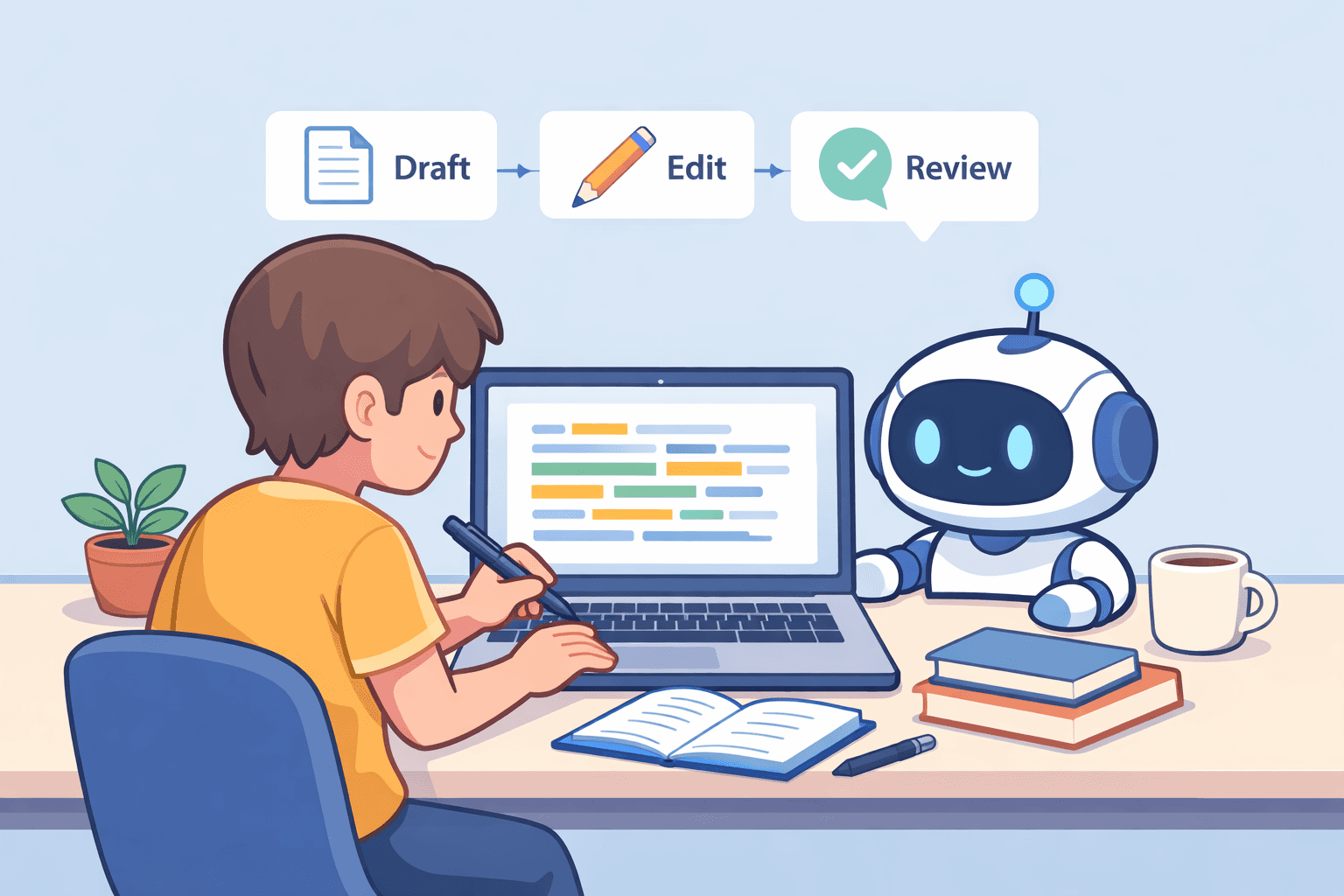
I risultati migliori non arrivano lasciando che l'IA scriva al posto tuo, ma lavorando con essa. Considerala come un collaboratore junior in un ruolo specifico e limitato.
Tu hai il controllo del quadro generale. Definisci lo scopo, costruisci l'argomentazione centrale e prendi le decisioni finali su cosa mantenere e cosa eliminare.
Il ruolo dell'IA sta nella fase intermedia. È utile per produrre una prima bozza grezza, riorganizzare un paragrafo disordinato o gestire il lavoro ripetitivo di grammatica e rifinitura delle frasi.
Poi torni tu al comando. Rivedi l'output dell'IA, aggiungi contesto e sfumature necessari e assicuri che il testo finale rifletta davvero il tuo intento e la tua conoscenza.
Alcune piattaforme, come Jenni AI, sono progettate specificamente per questo scambio continuo, soprattutto se abbinate a strumenti spiegati in cos'è un gestore di citazioni.
L'obiettivo è supportare il tuo pensiero in tempo reale mentre scrivi, non automatizzare completamente il processo. La finalità è combinare direzione umana ed efficienza della macchina.
Un framework pratico per valutare gli strumenti di scrittura IA
Come si sceglie un buon strumento di scrittura IA, o si valuta se quello che usi è davvero utile, come indicato in come scegliere uno strumento di scrittura IA? Non limitarti alle funzionalità. Poniti queste domande pratiche:
Sembra un assistente o un pilota automatico? Un buon strumento suggerisce e supporta; non cerca di scrivere tutto al posto tuo.
Ho un controllo reale? Posso orientare facilmente il tono, fornire il contesto chiave e stabilire limiti su ciò che dovrebbe fare?
Possiamo lavorare in modo iterativo? L'uso migliore nasce dall'iterazione: tu modifichi il suo suggerimento e lui ne offre uno nuovo sulla base delle tue modifiche.
Posso capire come funziona? Il processo è una scatola nera o posso comprendere perché ha proposto un certo suggerimento o cambiamento?
Alla fine il mio testo suona ancora come me? Oppure tutto inizia a suonare come lo stesso testo generato e anonimo?
Il segno distintivo di uno strumento utile non è che scriva al posto tuo. È che ti aiuti a diventare tu stesso uno scrittore più chiaro e sicuro.
Come funzionano davvero gli assistenti di scrittura IA
Gli assistenti di scrittura IA funzionano prevedendo il linguaggio, non comprendendo le idee. Si basano su modelli linguistici di grandi dimensioni, architetture transformer e meccanismi di attenzione per analizzare il contesto e stimare quale testo debba venire dopo. Ogni suggerimento viene generato in modo probabilistico, sulla base di pattern appresi da enormi quantità di dati di addestramento.
<CTA title="Applica gli strumenti di scrittura IA nel modo corretto" description="Usa Jenni per redigere, revisionare e organizzare la tua scrittura accademica senza perdere il controllo su accuratezza o intenzione." buttonLabel="Prova Jenni Gratis" link="https://app.jenni.ai/register" />
Comprendere questo rende l'IA più utile. Se trattata come partner di stesura e revisione, non come autorità, l'IA può migliorare chiarezza, velocità e struttura, mentre gli esseri umani mantengono il controllo su significato, accuratezza e intenzione.