Dwara
Justin Wong
—
Kaaran aur Prabhav Anusandhan Patra: Kya Aapko Janna Chahiye

Justin Wong
Vikas Prabhari
Graduated kiya Bachelor's me Global Business & Digital Arts, Minor me Entrepreneurship

Ek cause and effect research paper yeh batata hai ki koi cheez kyun hoti hai aur uske baad kya hota hai. Yeh logical aur real sabooton ka istemal karke events, behaviors, ya conditions ko aapas mein jodta hai. Students is tareeqe ki writing ka istemal science, history, economics, psychology, aur policy jaise subjects mein karte hain kyunki yeh unhein complex muddon ko aasan rishton mein breakdown karne mein madad karta hai.
Bohot se log causal writing mein struggle karte hain kyunki woh coincidence ko asli causes ke saath mix kar dete hain ya bina kisi support ke conclusions par pahunch jaate hain. Yeh guide aapko basics se go-through karwayegi taaki aap causal links ko samajh sakein, strong structure bana sakein, better research ka istemal kar sakein, aur likhte waqt common mistakes se bach sakein. Agar aap abhi bhi decide kar rahe hain ki kaun sa format aapke assignment ke liye sahi hai, toh hamara simple guide to the different types of research papers dekhein.
<CTA title="Build a Clear Cause and Effect Thesis" description="Generate a strong evidence based thesis statement for any causal analysis project." buttonLabel="Try Jenni Free" link="https://app.jenni.ai/register" />
Cause and Effect Research Paper Kya Hai?
Ek cause and effect research paper kisi phenomenon ke piche ke kaaranon (causes) aur uske baad aane wale outcomes (effects) ka examination karta hai. Yeh sirf facts ko list karne se kahin badhkar hai. Iske bajaye, yeh trace karta hai ki kaise factors ek dusre ke saath interact aur influence karte hain.
Iska maqsad in sawalon ke jawab dena hai:
Yeh kyun hua?
Iske baad kya consequences hue?
Kaun se causes sabse zyada matter karte hain?
Kaun se saboot in connections ko prove karte hain?
Ek strong causal paper meaningful relationships par focus karta hai, na ki random patterns par. Yeh logical arguments ka istemal karta hai yeh dikhane ke liye ki kaise ek event dusre ki taraf le jata hai. Zyadahtar papers inme se kisi ek common pattern ko follow karte hain:
One cause → multiple effects
Multiple causes → one effect
Causal chain (A leads to B, jo C ko trigger karta hai)
Aap chahe jo bhi pattern chunein, goal same hai: causes aur effects kaise connect hote hain iska saaf explanation.
Cause and Effect Research Kyun Matter Karti Hai
Cause and effect reasoning academic thinking ka ek core hissa hai. Yeh logon ko yeh samajhne mein madad karta hai ki duniya kaise kaam karti hai, problems kaise develop hoti hain, aur solutions kaise design kiye ja sakte hain. Causal analysis ke bina, complicated events random ya mysterious lagenge. Iske saath, aap real issues ke piche ke "kyun" ko uncover kar sakte hain.
Professionals kayi fields mein causal thinking ka istemal karte hain:
Scientists health trends aur environmental changes ko explain karte hain.
Economists inflation, unemployment, aur market shifts ko track karte hain.
Historians wars, revolutions, aur social movements ko study karte hain.
Psychologists behavior patterns aur mental health factors ko explore karte hain.
Cause and effect writing essential skills bhi sikhati hai jaise evidence evaluation, critical analysis, aur logical reasoning. Yeh skills na sirf school assignments balki real-world decision-making par bhi apply hoti hain.
<ProTip title="💡 Pro Tip:" description="Sort causes into primary, secondary, and contributory groups to understand which ones have the strongest impact." />
Causal Relationships Ke Types

Likhne se pehle, causal relationships ke main types ko samajhna madad karta hai. Har type is baat ko affect karta hai ki aap apne ideas ko kaise explain karte hain aur apne paper ko kaise structure karte hain.
Direct Causes
Ek direct cause bina kisi intermediate steps ke seedhe ek effect ki taraf le jata hai. Is type ko explain karna aasan hai kyunki link saaf aur immediate hota hai.
Ek basic example hai switch ko flip karna jisse light turn on ho jati hai. Action aur result ke beech koi gap nahi hota.
Direct causes science experiments ya mechanical systems mein common hote hain, lekin complex social ya environmental topics mein kam common hote hain.
<ProTip title="💡 Reminder:" description="Use direct causation only when research strongly supports a clear and immediate link." />
Indirect Causes
Indirect causes intermediate steps ke zariye kaam karte hain. Ek event dusre ko trigger karta hai, aur woh dusra event final result create karta hai. Yeh chain ko lamba banata hai lekin fir bhi meaningful hota hai.
For example, government policy mein badlav employment rates ko affect kar sakta hai, jo phir household spending ko badal deta hai. Original cause abhi bhi matter karta hai, bhale hi woh dusre conditions ke zariye act kare.
Indirect causes aksar economics, public policy, climate studies, aur sociology mein dikhte hain.
Contributory Causes
Contributory causes chhote factors hote hain jo ek saath milkar ek effect create karte hain. Yeh akele outcome produce nahi karte, lekin yeh shuru karte hain ki final result kaise banta hai. Jab aap explain kar rahe hon ki yeh chhote parts kaise interact karte hain, toh har element ko saaf taur par break down karna madad karta hai taaki readers aapke paper mein step-by-step causal explanation ko follow kar sakein.
Teen mental health, for example, social media habits, academic stress, genetics, aur family environment se shape ho sakti hai. Har factor overall outcome mein contribute karta hai.
Writers ko explain karna hoga ki yeh factors kaise combine hote hain aur kaun se sabse zyada matter karte hain.
Cause and Effect Research Paper Ko Kaise Structure Karein
Aapke paper ka structure readers ko aapki reasoning follow karne mein madad karta hai. Ek acchi tarah se bana hua structure dikhata hai ki aap kya examine kar rahe hain, causes aur effects kaise connect hote hain, aur kaun se saboot aapke claims ko support karte hain.
Introduction: Causal Issue Set Up Karna
Introduction topic ke liye context deta hai aur explain karta hai ki yeh kyun matter karta hai. Yeh reader ko analysis ke liye prepare karta hai yeh dikhakar ki paper kya cover karega.
Ache introductions mein include hota hai:
Issue ka ek chhota explanation
Topic kyun important hai
Background facts ya context
Ek clear thesis jo causes, effects, ya dono ko identify karti hai
Ek strong thesis ka example yeh ho sakta hai:
“Greenhouse gas emissions global warming ko drive karte hain, jiske result mein rising sea levels, stronger storms, aur long-term ecosystem changes hote hain.”
<ProTip title="📌 Note:" description="Keep the introduction short but meaningful. Do not overwhelm readers with too much data upfront." />
Common Organizational Patterns
Cause and effect papers aam taur par teen structures mein se ek ko follow karte hain. Sahi structure ko chunna aapke explanation ko zyada natural aur samajhne mein aasan banata.
Cause-to-Effect Pattern
Yeh structure causes se shuru hota hai aur phir unke effects ko explain karta hai. Yeh tab accha kaam karta hai jab aapka focus outcomes ke bajaye kaaranon par ho.
Yeh pattern in topics ke liye ideal hai:
Kyun kuch regions mein poverty badhti hai
Kya causes hain kisi species ke endangered hone ke
Kyun students kuch subjects ke saath struggle karte hain
Causes se shuru karein, har ek ko saaf explain karein, phir unse aane wale results ko dikhein.
Effect-to-Cause Pattern
Yeh structure ek effect se shuru hota hai aur peeche ki taraf kaam karta hai taaki uske causes ko discover kiya ja sake. Yeh un topics ke liye useful hai jahan outcome pata hai par kaaranon ki investigation ki zaroorat hai.
Examples mein shaamil hain:
Rising crime rates
Declining mental health
Falling test scores
Effect ko identify karke shuru karein, phir har possible cause ka analyze karein aur uske role ko explain karein.
Causal Chain Pattern
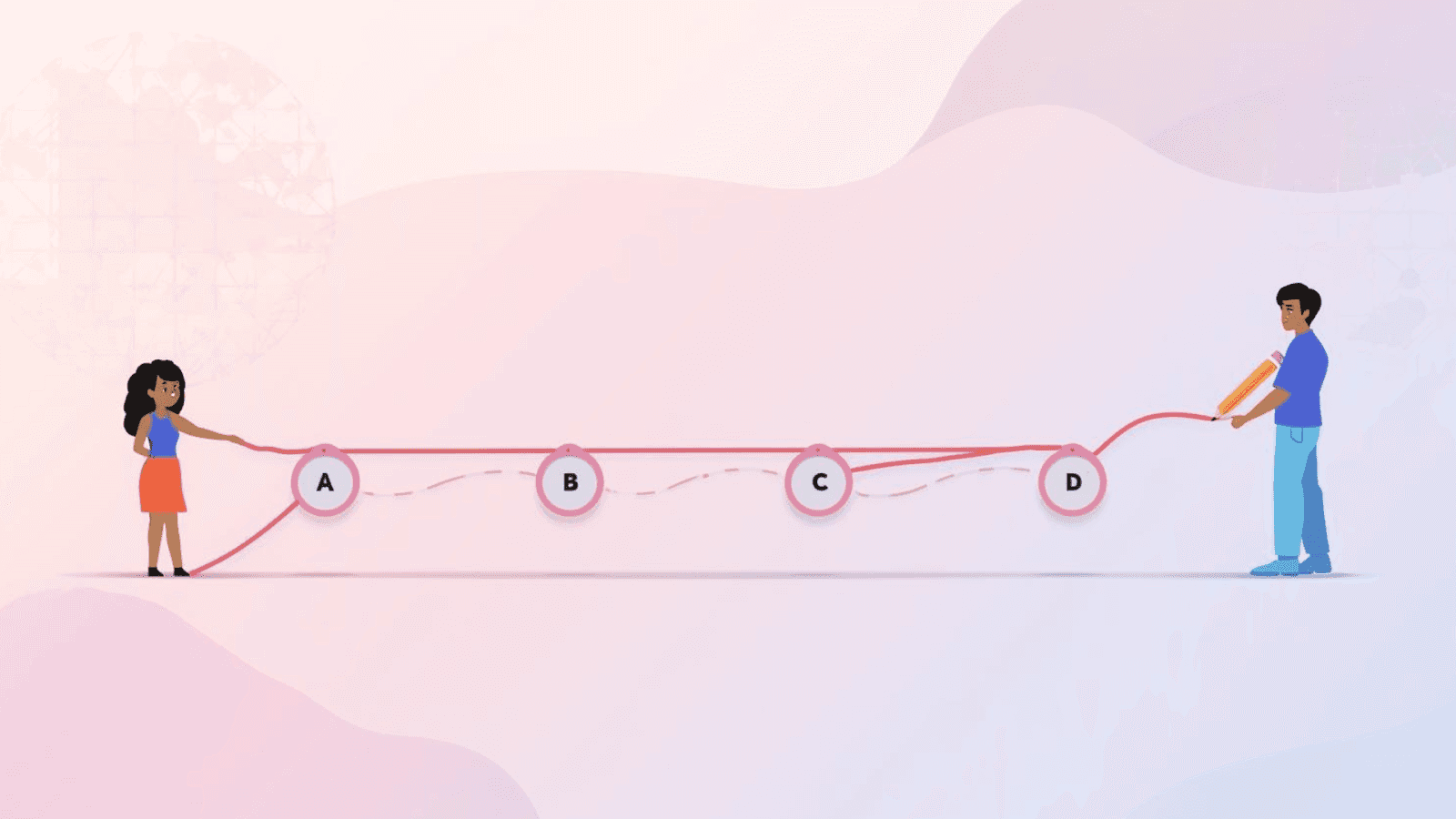
Ek causal chain dikhati hai ki kaise ek event ek sequence mein dusre ki taraf le jata hai. Har link agle ko push karta hai.
For example:
Poor soil → weak crops → food shortages → rising food prices → community migration
Yeh structure historical events, environmental change, economic cycles, aur long-term behaviors ke liye accha kaam karta hai.
<ProTip title="💡 Tip:" description="Make sure each step in a causal chain naturally leads to the next. Avoid big jumps that confuse readers." />
Strong Causal Arguments Kaise Banayein
Apne paper ko reliable banane ke liye, aapke causal claims robust evidence se supported hone chahiye. Yahan kuch key methods hain jo aapke analysis ko strengthen karne mein madad karte hain. Sources ko evidence-based reasoning mein badalne ke poore walkthrough ke liye, hamara step-by-step analytical research paper guide for students dekhein.
Timeline Analysis
Ek timeline track karne mein madad karti hai ki kab events hue aur woh kaise connect hote hain. Yeh dikha sakti hai ki kya ek event ne realistically dusre ko cause kiya ya sequence fit nahi baithti.
For example, agar 2018 mein ek health policy introduce ki gayi thi aur obesity rates 2019 mein girna shuru hue, toh timeline ek possible causal link ko support karti hai.
Timelines un mistakes se bachne mein madad karti hain jaise assume kar lena ki ek event ne dusre ko influence kiya jabki dates match nahi karti.
The “But For” Test
“But for” test poochta hai ki kya effect hota but for (agar na hota) the cause.
Agar cause ke bina effect nahi hota, toh cause strong hai.
Agar cause ke bina bhi effect hota hai, toh cause minor ya unrelated ho sakta hai.
Example:
Extreme rainfall ke bina, nadi overflow nahi hoti.
Yeh method major causes ko minor ones se sort karne mein madad karta hai.
Alternative Causes Ko Rule Out Karna
Ache researchers dusre possible explanations par gaur karte hain. Weak alternatives ko eliminate karna aapke argument ko strengthen karta hai aur bias se bachata hai.
Aap alternatives ko in tareeqon se rule out kar sakte hain:
Different studies ke data ko compare karke
Contradictory evidence ko check karke
Case studies ko review karke
Context differences ko samajh kar
<ProTip title="🔎 Pro Tip:" description="Explain clearly why alternative explanations are weaker. This increases reader trust." />
Causal Fallacies Se Bachna
Causal fallacies analysis ko kamzor karti hain aur findings ko kam credible banati hain. Students aksar yeh errors karte hain jab woh bohot zyada assume kar lete hain ya evidence ko ignore karte hain.
Post Hoc Fallacy
Yeh fallacy assume karti hai ki kyunki A, B se pehle hua, isliye A ne B ko cause kiya.
Sirf time order causation ko prove nahi karta.
Example:
“Maine ek naya diet shuru kiya aur jald hi khush mehsoos karne laga, isliye diet ne khushi ko cause kiya.”
Oversimplification
Oversimplification complex issues ko sirf ek cause tak reduce kar deta hai jabki multiple factors role play karte hain.
Example:
“Students sirf isliye fail hote hain kyunki woh try nahi karte.”
Yeh social, emotional, economic, aur academic factors ko ignore karta hai.
Circular Reasoning
Circular reasoning mein, explanation bina kuch prove kiye claim ko repeat karta hai.
Example:
“Woh ek accha leader hai kyunki log sochte hain ki woh ek accha leader hai.”
Yeh fallacies writing ko kam reliable banati hain, isliye inme bachna chahiye.
Har Section Ke Key Components
Cause and effect papers ko ek logical structure follow karna chahiye, jisme har section ek specific job kare.
Topic Sentences
Topic sentences introduce karte hain ki har paragraph kya explain karta hai. Yeh writing ko focused rakhte hain aur readers ko argument follow karne mein madad karte hain.
For example:
“Water pollution ka ek bada cause industrial waste hai.”
Topic sentences aapke explanation ke direction ko guide karte hain.
Transitions Aur Signal Words
Transitions readers ko dikhate hain ki ideas kaise connect hote hain. Yeh cause se effect ya alag points ke beech shifts ko mark karte hain.
Common signal words mein shaamil hain:
because (kyunki)
therefore (isliye)
as a result (parinaamswaroop)
since (kyunki / jabse)
due to (ke kaaran)
led to (ki taraf le gaya)
consequently (isparnaam)
Yeh aapke writing ko smooth aur samajhne laayak rakhte hain.
Supporting Evidence
Supporting evidence aapke argument ko strengthen karta hai aur readers ko dikhata hai ki aapke claims research par grounded hain. Useful evidence mein shaamil hain:
Government statistics
Peer-reviewed studies
Historical comparisons
Case studies
Policy reports
<ProTip title="📘 Tip:" description="Blend evidence with your own explanation. Show how each fact supports your claim." />
Field Ke Hisab Se Example Topics
Cause and effect topics academic disciplines mein exist karte hain. Context ke liye short explanations ke saath examples yahan hain.
Environment
Environmental topics mein aksar causes aur effects ki complex chains shaamil hoti hain. For example:
Climate change ke causes
Rising sea levels ke effects
Biodiversity loss ke peeche ke kaaran
In topics ko scientific data aur careful explanation ki zaroorat hoti hai.
Economics
Economic cause and effect topics aksar yeh examine karte hain ki kaise policies, markets, ya global events ek dusre ko influence karte hain.
Examples mein shaamil hain:
Inflation ke causes
Tax increase ke effects
Unemployment trends ke peeche ke kaaran
In topics ko aam taur par graphs, statistics, ya study comparisons ki zaroorat hoti hai.
Health
Health topics mein biological, social, aur lifestyle factors shaamil hote hain.
Examples:
Obesity ke causes
Body par stress ke effects
Poor sleep habits ka impact
In topics ko aksar medical studies ya public health data ki zaroorat hoti hai.
Social Issues
Social topics mein aksar multiple contributory causes shaamil hote hain.
Examples:
Youth crime ke causes
Self-esteem par social media ke effects
Migration patterns ke causes
In topics ko case studies aur demographic data se fayda hota hai.
Education
Education topics aksar learning outcomes ya student behavior ko explore karte hain.
Examples:
Class mein low engagement ke causes
Online learning ke effects
Academic success par family support ka role
In topics ko psychological aur educational research ki zaroorat hoti hai.
Real-World Example: Substance Abuse
Substance abuse is baat ka ek strong example hai ki kaise multiple causes interact karke ek bada effect create karte hain. Har influence ek sequence mein saath kaam karta hai jo outcome ko shape karta hai. In links ko order mein present karna readers ko random events ke bajaye ek structured cause-effect sequence dekhne mein madad karta hai.
Causes:
Peer pressure, mental health challenges, family instability, aur social environment.
Effects:
Addiction, poor school ya job performance, long-term health problems, aur financial stress.
Causal Chain Example:
Stress → experimentation → dependence → long-term physical aur emotional damage
Yeh example dikhata hai ki kaise causes aur effects combine hokar ek bada issue create karte hain.
Strong Paper Likhne Ke Liye Tips
Careful planning aapke causal paper ko likhne mein aasan aur zyada effective banati hai.
Sabe Possible Causes Aur Effects Ko Brainstorm Karein
Drafting se pehle, har factor ko list karein jo aapke topic se connect hai. Yeh aapko strongest points chunne aur weak arguments se bachne mein madad karta hai.
Causal Diagrams Ka Istemal Karein
Fishbone charts, flow maps, aur causal loops jaise diagrams aapko likhne se pehle connections ko visualize karne mein madad karte hain.
Clear Logical Flow Maintain Karein
Har paragraph ko pichle wale se naturally follow hona chahiye. Ideas ke beech random jump karne se bachein.
Simple Aur Clear Language Mein Likhein
Chhote sentences complex topics ko follow karna aasan banate hain. Yeh tab aur useful hota hai jab aap apne paragraphs ko ek clear analytical framework ke aas-paas organize kar rahe hon, jisse causal flow shuru se aakhir tak smooth rahe.
Credible Sources Ka Istemal Karein
Government reports, universities, aur reputable organizations se reliable data aapki writing ko strengthen karta hai.
<ProTip title="💡 Pro Tip:" description="Start with contributory causes and build up to the primary cause for a natural progression." />
Outline Kaise Banayein
Ek accha outline aapke paper ko organized aur focused rakhta hai. Agar aapko introductions, body paragraphs, aur conclusions ki standard expectations ka refresher chahiye, toh Understanding the Academic Paper: Purpose, Structure, and Simple Examples dekhein.
I. Introduction
Topic background
Importance
Thesis
II. Body
Structure type (cause-to-effect, effect-to-cause, ya chain)
Evidence
Explanations
III. Analysis
Alternative causes
Strength of evidence
IV. Conclusion
Summary
Final insight
<ProTip title="📝 Reminder:" description="Review your outline to ensure each part of your argument connects logically." />
Submit Karne Se Pehle Checklist
Yeh check karne ke liye is list ka use karein ki aapka paper complete hai.
✔ Clear thesis
✔ Logical structure
✔ Accurate causal transitions
✔ No fallacies
✔ Strong evidence
✔ Purposeful topic sentences
✔ Ek section se dusre section mein smooth flow
Aapki Causal Writing Ke Liye Ek Saaf Raasta
Ek cause and effect research paper aapko complex events ko clear links mein break karne mein madad karta hai, yeh dikhate hue ki kaise ek factor dusre ki taraf le jata hai. Sahi structure, evidence, aur reasoning ke saath, aap in relationships ko is tarah explain kar sakte hain jise readers follow aur trust kar sakein.
<CTA title="Build a Causal Thesis in Minutes" description="Use Jenni to create clear causal outlines and thesis statements you can develop into full papers." buttonLabel="Try Jenni Free" link="https://app.jenni.ai/register" />
Jenni ka use karke jaldi se clean outlines, strong causal claims, aur well-organized drafts banayein. Yeh har step ko simplify karta hai taaki aap clear, confident analysis likhne par focus kar sakein.