Dwara
Nathan Auyeung
—
Chhatraon ke liye ek kadam-dar-kadam vaishleshanatmak anusandhan patrika margadarshak

Nathan Auyeung
Senior Accountant EY mein
Bachelor ka Accounting mein Graduation kiya, aur ek Postgraduate Diploma of Accounting bhi poora kiya
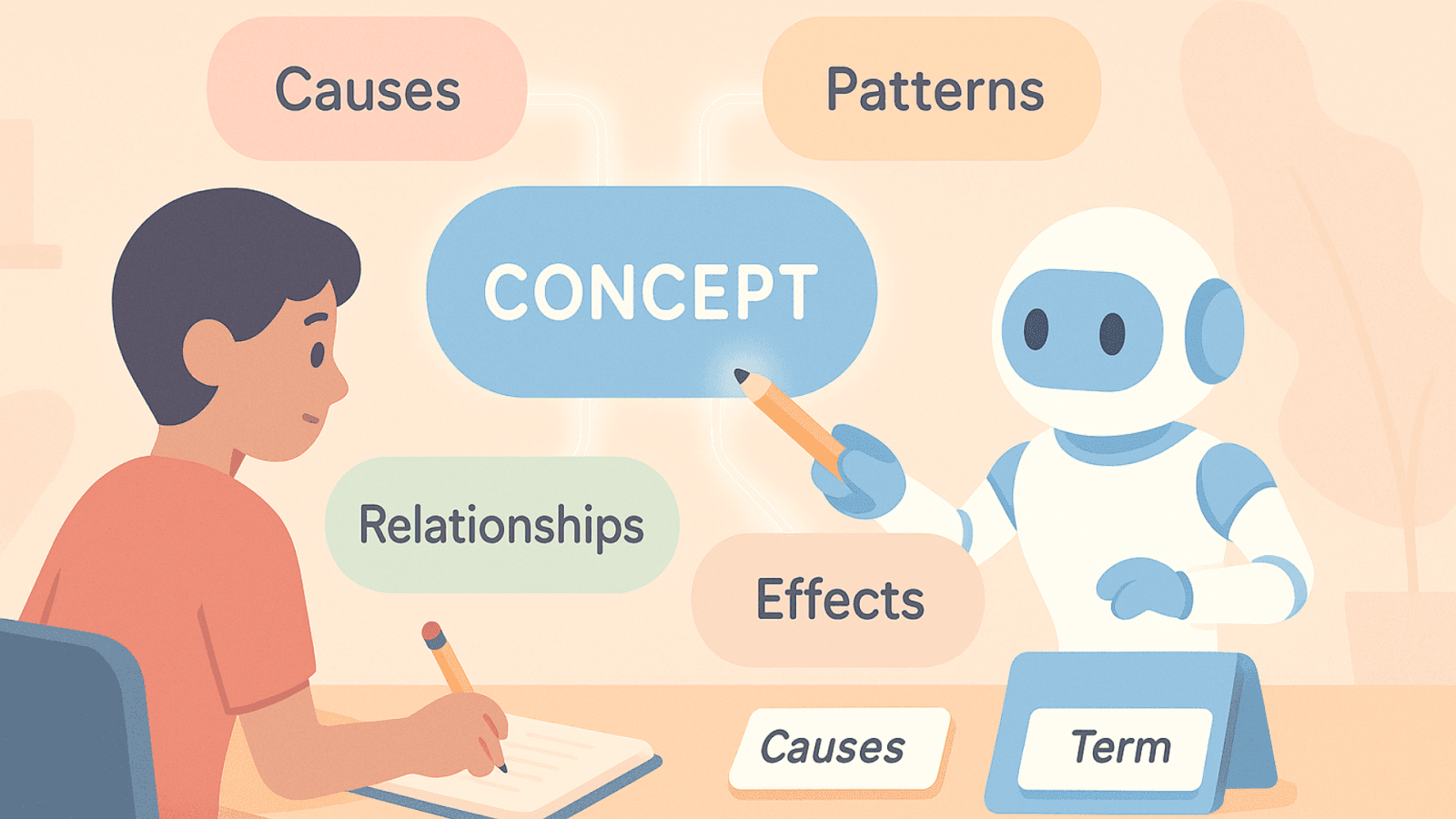
Analytical research paper likhna shuru me thoda confusing lag sakta hai. Boht se students ko summarize karna ya apni opinion share karna aata hai, lekin analysis isse gehra kaam maangti hai. Pages par us depth ko dekhne ke liye, humare analytical essay outlines and examples ko dekhein. Aap topic ko parts me break karte hain, unke connection ko dekhte hain, aur yeh batate hain ki un patterns se kya pata chalta hai. Facts report karne se lekar unhe interpret karne ka yeh shift hi boht se students ko fasa deta hai.
Achhi baat yeh hai ki analytical writing ek saaf process ko follow karti hai. Ek baar jab aap har step ko samajh lete hain, toh aap kisi bhi topic ko zyada confidence ke sath approach kar sakte hain. Yeh guide aapko us process ke through le jayegi aur dikhayegi ki kaise ek aisa analysis build karein jo clear, focused, aur strong evidence se supported ho.
<CTA title="Build a Strong Problem Statement" description="Jenni AI ke sath minutes me ek precise aur publication-ready statement generate karein." buttonLabel="Try Jenni Free" link="https://app.jenni.ai/register" />
Analytical Research Paper Kya Hota Hai?
Ek analytical research paper kisi topic ke elements ko examine karke, relationships ko explore karke, aur evidence ko interpret karke uski investigation karta hai. Readers ko kisi position se agree karwane ki bajaye, aapka goal unhe yeh samjhana hota hai ki koi cheez kyun hoti hai, woh kaise function karti hai, ya surface ke neeche kaunse patterns exist karte hain.
Is tarah ke paper ko ek investigation ki tarah sochna helpful hoga. Aap facts gather karte hain, sawaal puchte hain, viewpoints compare karte hain, aur phir readers ko apni findings ke through guide karte hain. Jo cheez is paper ko "analytical" banati hai, woh topic khud nahi balki aapka use handle karne ka tareeqa hai. Agar aap academic conventions me iske fit hone ka bada picture dekhna chahte hain, toh Understanding the Academic Paper: Purpose, Structure, and Simple Examples ko dekhein.
Is Type ke Paper ki Requirements Kya Hain
Aapko in baaton ka dhyan rakhna chahiye:
Ek focused research question
Ek thesis jo analytical claim kare
Ek neutral tone jo personal bias se free ho
Multiple credible sources
Interpretation, na ki sirf summary
Ek logical structure jo aapke insights ko support kare
Iska purpose discovery hai, persuasion nahi.
<ProTip title="💡 Pro Tip:" description="Agar aapka draft kisi book report jaisa lag raha hai, toh aap summarize kar rahe hain. Isse analytical banane ke liye interpretation add karein." />
Analytical Research Papers Kyun Important Hain
Analytical writing aapko high-level thinking skills develop karne me madad karti hai jo academic assignments se boht aage tak kaam aati hain. Jab aap analyze karna seekhte hain, toh aap complex ideas ko todna, assumptions par sawaal uthana, patterns ko identify karna, aur meaning ko explain karna seekhte hain. Yeh sab cheezein employers aur educators boht value karte hain.
Yeh papers aapki thinking ko kaise mazaboot karte hain:
Yeh critical reading skills build karte hain. Aap information ko evaluate karne ke apne tareeqe ko behtar banakar seekhte hain, jaise scientific thinking researchers ko evidence examine karne me help karti hai.
Yeh aapki reasoning ko tez karte hain. Aap ideas ko organize karne, evidence ko connect karne, aur conclusions ko explain karne ki practice karte hain.
Yeh communication ko improve karte hain. Aap complicated concepts ko simple aur asaan language me explain karne me behtar ho jate hain.
Yeh objectivity sikhate hain. Aap evidence par rely karte hain, na ki personal preference ya speculation par.
Yeh skills journalism, science, policy-making, teaching, business analysis, research, aur rozmarra ke problem-solving me use hoti hain. Analyze karne ki ability ek long-term strength hai.
Analytical Research Paper ka Core Structure
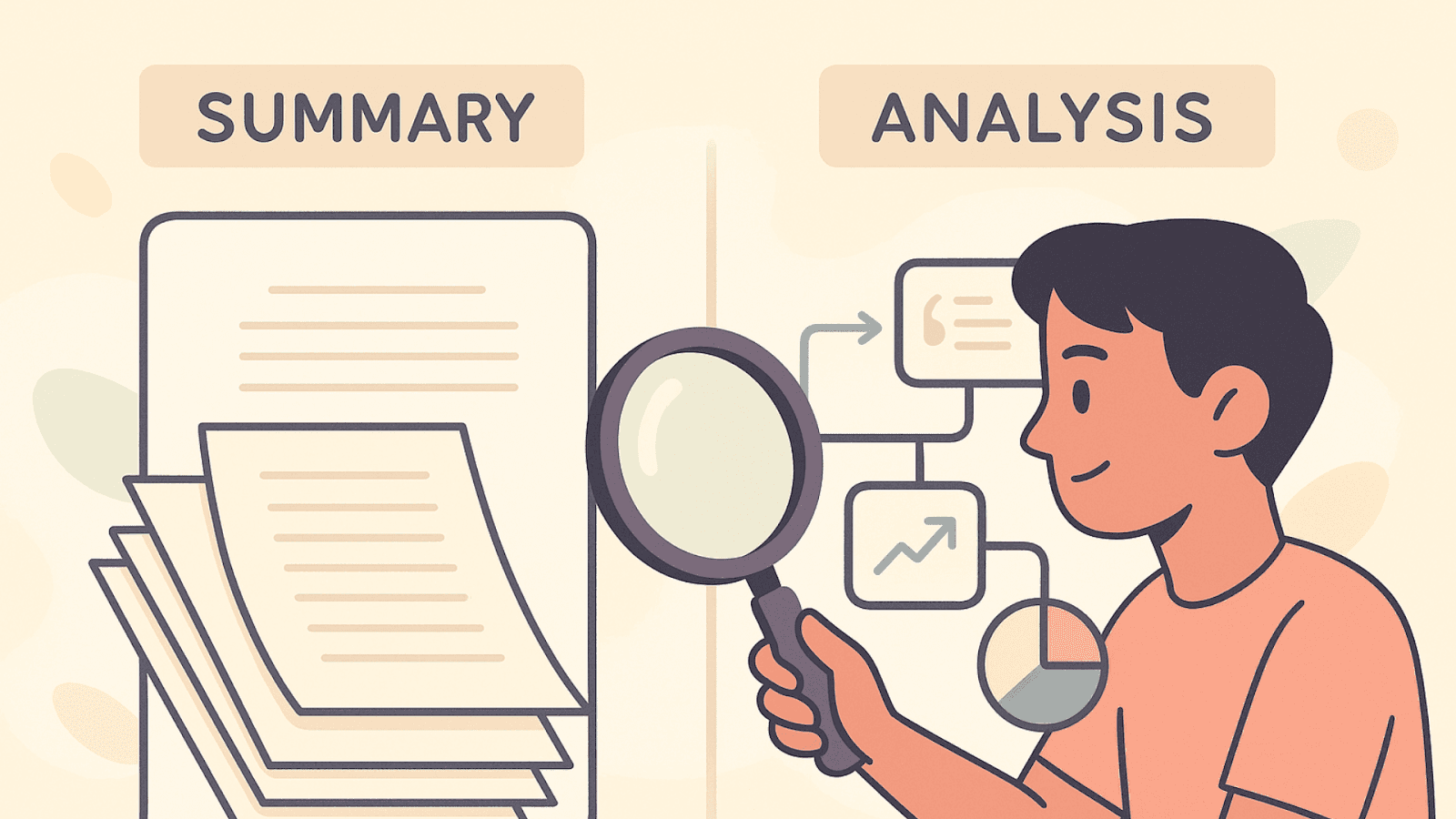
Alag-alag topics hone ke bawajood, analytical research papers aamtaur par ek hi general pattern follow karte hain. Yeh structure aapke ideas ko clear rakhta hai aur readers ko aapki reasoning follow karne me madad karta.
Introduction
Aap topic ko introduce karte hain, explain karte hain ki yeh kyun important hai, aur ek thesis statement ke sath end karte hain jo aapka analytical angle batata hai.
Literature Review
Aap summarize karte hain ki baaki researchers ne kya discover kiya hai. Aap major themes, gaps, ya disagreements ko identify karte hain.
Body Paragraphs
Har paragraph ek subtopic par focus karta hai. Yeh ek clear point se shuru hota hai, evidence include karta hai, aur ek interpretation add karta hai jo aapki thesis se connect hoti hai.
Conclusion
Aap naye words me apne thesis ko restate karte hain, key insights ko synthesize karte hain, aur apni findings ki significance ko highlight karte hain.
Reference List
Aap APA, MLA, ya Chicago format me formatted sources ki ek list include karte hain.
<ProTip title="Note:" description="Structure ko ek frame ki tarah sochein. Strong analysis is baat par depend karta hai ki structure aapke ideas ko kitne achhe se support karta hai." />
Analytical Research Paper Likhne ka Step-by-Step Guide
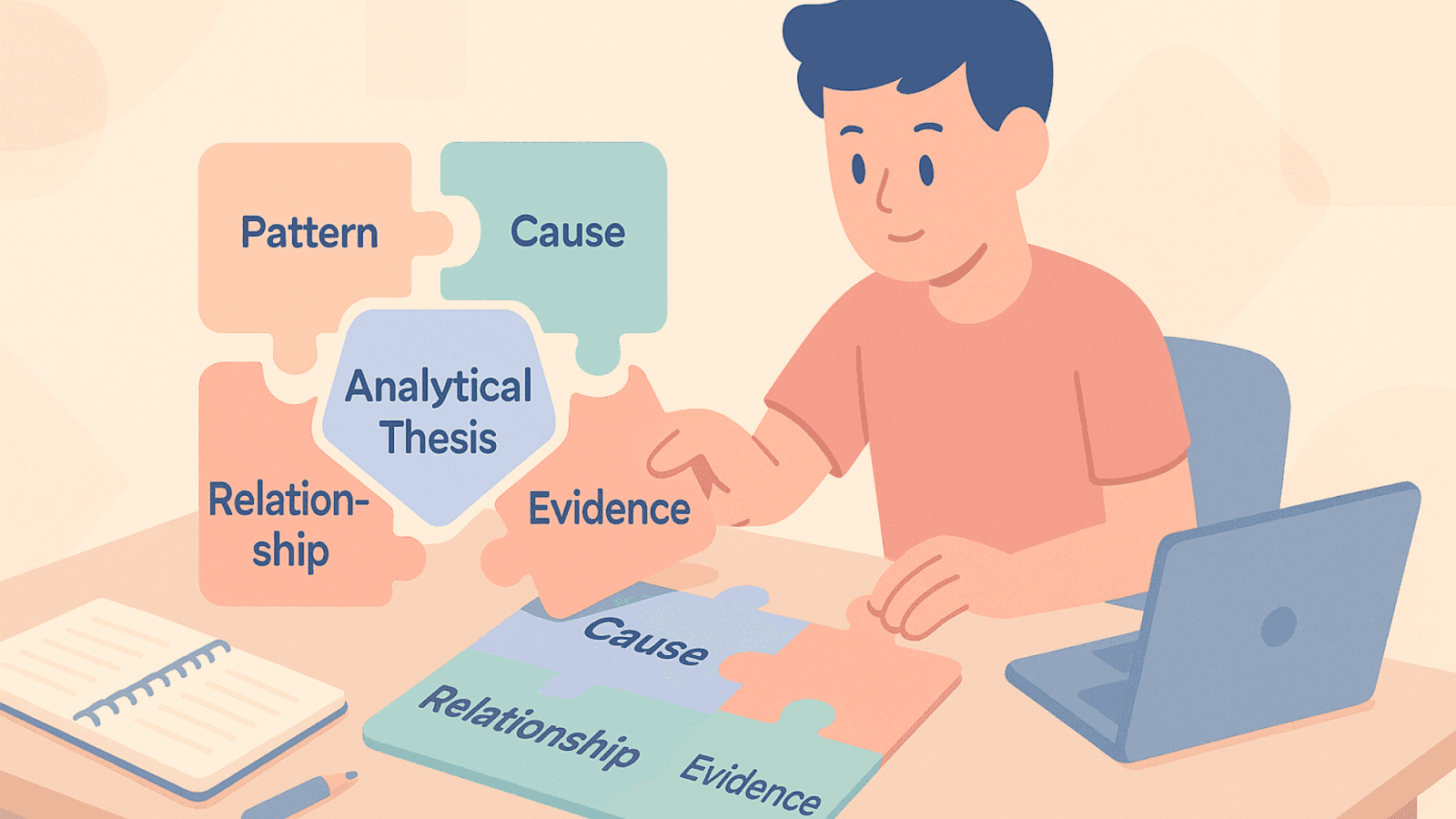
Neeche ek poora breakdown diya gaya hai jo analytical writing process ke har stage ko expand karta hai.
Step 1: Ek Strong aur Analyzable Topic Choose Karein
Topic determine karta hai ki aapka project kitna easy ya difficult hoga. Ek achha topic investigation, comparison, aur interpretation ki permission deta hai.
Kisi Topic ko Analytical Kya Banata Hai?
Ek achha analytical topic:
Sirf ek definition se answer nahi kiya ja sakta
Sirf haan/na me solve nahi kiya ja sakta
Iske multiple perspectives hote hain
Patterns, causes, ya consequences ko reveal karta hai
Gehre sawaalon ki taraf le jata hai
Weak: Electric cars ki history
(Yeh boht descriptive hai; aap mostly summarize hi karenge.)
Strong: Developing economies me electric car adoption ki raftaar ko battery shortages kaise shape karti hain
(Yeh supply chains, policies, aur market conditions ke analysis ko invite karta hai.)
Topic ko Narrow Kaise Karein
Students ki ek aam galti yeh hoti hai ki woh boht broad topic choose kar lete hain. Isse narrow karne ke liye, inme se kisi ek technique ko try karein:
Inpar focus karein:
Ek population (teens, teachers, older adults)
Ek outcome (motivation, attention, behavior)
Ek period (pandemic era, early 2000s, post-reform years)
Ek comparison (public vs private, rural vs urban)
Ek cause ya effect
Example:
Broad: Climate change
Narrow: Chote Southeast Asian farms me badhta temperature crop productivity ko kaise impact karta hai.
<ProTip title="💡 Reminder:" description="Ek narrow topic gehre insights ki taraf le jata hai. Ek broad topic superficial summary tak hi rehta hai." />
Step 2: Widely Research Karein aur Organized Notes Banayein
Ek baar jab aapka topic set ho jata hai, toh aap apne paper ke liye evidence ka foundation build karna shuru karte hain.
High-Quality Sources Kahan Se Dhundhein
Aise sources dekhein jo real data, expert analysis, ya peer-reviewed findings provide karein. Shuru karne ke liye achhi jagah:
Google Scholar
University library databases
Academic journals
Reputable think tanks
Government reports
Major news investigations
Aise sources se bachein jo:
Bina kisi evidence ke opinions dete hain
Data ko lekar transparent nahi hain
Apni limitations ko acknowledge kiye bina ek clear bias rakhte hain
Analysis ke Liye Note-Taking ka Art
Effective note-taking ka matlab sirf text copy karna nahi hai. Goal yeh hai ki har ek evidence ke peeche ka purpose aur meaning samjha jaye.
Is 4-column system ko try karein:
Idea | Evidence | Interpretation | Connection to Thesis |
Subtopic | Quote ya data | Iska kya matlab hai | Yeh argument ko kaise support karta hai |
Yeh system aapko padhte waqt interpret karne ke liye train karta hai, sirf information collect karne ke liye nahi. Yeh un research methodology basics ke sath bhi align hota hai jo aapke analytical work ko systematically prepare karne me help karte hain.
<ProTip title="Tip:" description="Apne notes ko source ke bajaye themes ke hisab se organize karein. Isse drafting asaan ho jati hai." />
Step 3: Ek Clear Analytical Thesis Statement Likhhein
Aapka thesis aapke poore paper ki reedh ki haddi (backbone) hai. Yeh aapka analytical angle explain karta hai aur readers ke liye ek expectation set karta hai. Agar aapko apna central claim phrase karne ke liye koi starting point chahiye, toh AI Thesis Statement Generator aapko different analytical directions test aur refine karne me help kar sakta hai.
Ek Strong Thesis me Kya-Kya Shamil Hota Hai
Ek achha analytical thesis:
Kisi pattern, cause, ya relationship ko identify karta hai
Topic ko 2–4 analyzable components me break karta hai
Personal opinion se bachta hai
Evidence dwara supported hota hai
Example:
Algorithm-driven news feeds ki taraf shift user perception ko reshape karta hai, emotional content ko amplify karke, informational diversity ko narrow karke, aur fast consumption habits ko encourage karke.
Yeh thesis analysis ke liye ek clear roadmap dikhata hai.
Thesis ki Aisi Galtiyan Jo Students Aksar Karte Hain
Aapko in baaton se bachna chahiye:
Aisa thesis likhna jo analyze karne ke bajaye sirf describe kare
Aisa thesis banana jo boht zyada broad ho
Personal language use karna ("Mera manna hai ki...")
Unrelated ideas ko list karna
Aisa claim banana jise support karne ke liye evidence available na ho
Top rule: aapke thesis ko ek analytical question ka answer dena hoga.
Step 4: Ek Detailed Outline Banayein
Ek outline aapke thoughts ko organize karti hai aur aapke paper ko unrelated points ka dher banne se rokti hai.
Ek Strong Outline Kaisa Dikhta Hai
I. Introduction
Hook
Background
Thesis
II. Literature Review
Shared findings
Conflicting viewpoints
Missing perspectives
III. Body Paragraphs
A. Pehla main point
Evidence
Interpretation
B. Doosra main point
Evidence
Interpretation
C. Teesra main point
IV. Conclusion
Restated thesis
Synthesized insights
Broader implications
Outline Banane Se Aap Zyada Clearly Kaise Soch Paate Hain
Outline ke bina: ideas aapas me takrate hain, paragraphs repetitive ho jate hain, aur analysis summary ke peeche dab jata hai.
Outline ke sath: aapka argument logical ho jata hai, aapke paragraphs focused rehte hain, aur aapka analysis solid ho jata hai. Agar aap build karne ke liye ek quick framework chahte hain, toh AI Essay Outline Generator try karein.
<ProTip title="Pro Tip:" description="Drafting shuru karne se pehle apna outline banayein. Ideas ko change karna tab asaan hota hai jab woh bullet form me hon, na ki poore paragraphs me." />
Step 5: Clear aur Insightful Body Paragraphs Likhhein
Body paragraphs aapke analysis ka sabse bada hissa handle karte hain. Har ek paragraph clear, purposeful, aur thesis se connected hona chahiye.
The PIE Method (Point–Illustration–Explanation)
Point: Paragraph ke liye apna claim introduce karein.
Illustration: Evidence ya data present karein.
Explanation: Analyze karein ki is evidence ka kya matlab hai.
Example:
Point: Algorithmic feeds emotionally charged content ko boost karte hain.
Illustration: Ek 2022 ki study me paya gaya ki high emotional language wale posts ko 2–3 guna zyada visibility milti hai.
Explanation: Yeh pattern user perception ko shape karta hai kyunki emotional content zyada memorable hota hai aur aksar samne aata hai.
Apne Analysis me Depth Kaise Add Karein
In strategies ko try karein:
Do sources ko contrast karein
Studies ke beech patterns ko highlight karein
Limitations ya gaps discuss karein
Evidence ko bade themes se connect karein
Explain karein ki koi cheez kyun important hai
Strong analysis yeh assume nahi karta ki readers khud hi matlab samajh jayenge; aapko usse step-by-step explain karna hota hai.
<ProTip title="Note:" description="Apne analysis ke flow ko smooth banane ke liye transitions jaise however, in contrast, ya this suggests ka use karein." />
Step 6: Ek Aisa Literature Review Likhhein Jo Information Ko Synthesize Kare
Ek literature review readers ko aapke topic ke peeche ka research context samajhne me help karta hai.
Summarize Karne Ke Bajaye Synthesize Kaise Karein
Apne sources ko themes ke according group karein, na ki ek-ek karke descriptions likhein. For example:
Theme 1: Shared Observations
Zyadatar studies is baat se agree karti hain ki remote learning environments me students kam motivation experience karte hain.
Theme 2: Areas of Debate
Researchers is baat par disagree karte hain ki kya iska main reason screen fatigue hai ya peer interaction ki kami.
Theme 3: Gaps in Research
Boht kam studies is baat ko explore karti hain ki teacher feedback design engagement ko kaise influence karta hai.
Yeh approach dikhata hai ki aap na sirf yeh samajhte hain ki research me kya likha hai, balki yeh bhi ki woh aapas me kaise fit hote hain.
Synthesis Aapke Paper Ko Kyun Stronger Banata Hai
Synthesis thinking me maturity show karta hai. Yeh dikhata hai ki aap:
Viewpoints compare kar sakte hain
Complexity samajh sakte hain
Missing information ko recognize kar sakte hain
Readers ko apne paper ke analysis ke liye tayyar kar sakte hain
Isse aapke argument me transitions kafi smooth ho jate hain.
Step 7: Ek Engaging Introduction aur Conclusion Likhhein
Yeh do sections aapke readers par pehla aur aakhri impression chhodte hain.
Ek Effective Introduction Kaise Likhein
Aapka introduction:
Interest capture kare
Background provide kare
Aapka thesis present kare
Overexplain karne ya boht saare ideas ek sath ghusane se bachein. Thesis ko baki ke content ko guide karne dein.
Ek Meaningful Conclusion Kaise Likhein
Ek strong conclusion sirf introduction ko restate nahi karta. Isse:
Thesis ko naye words me restate karna chahiye
Insights ka ek short summary offer karna chahiye
Readers ke dimaag me ek final thought ya implication chhodna chahiye
Isko is tarah dekhein jaise aap apni investigation ko closure de rahe hain aur sath hi effective writing methodology apply kar rahe hain taaki aapka final message clear aur polished ho.
Step 8: Revise, Cite, aur Proofread Karein
Revision stage aapke paper ko ek polished final product me tabdeel karta hai.
Revision Ke Dauran Kya Check Karein
Apne aap se puchein:
Kya har paragraph thesis se connected hai?
Kya analysis summary se zyada strong hai?
Kya transitions ideas ko smooth flow de rahe hain?
Kya sources correctly cite kiye gaye hain?
Clarity Ke Liye Proofreading
In cheezon ko check karein:
Grammar issues
Wordiness (faltu ke words)
Over-complicated sentences
Inconsistent formatting
Incorrect citations
<ProTip title="Reminder:" description="Apna paper unchi aawaz me padhein. Agar koi sentence bolne me ajeeb lagta hai, toh woh padhne me bhi ajeeb lagega." />
Apne Analytical Research Paper Ko Ek Sath Laana
Analytical research paper likhna tab asaan ho jata hai jab aap ek clear process ko follow karte hain. Ek focused topic, strong evidence, aur ek solid thesis ke sath, aap ek aisa analysis build kar sakte hain jo organized aur meaningful lage. Yeh steps aapko gehra sochne aur clarity ke sath communicate karne me help karte hain.
<CTA title="Build a Strong Problem Statement" description="Jenni AI ke sath minutes me ek precise aur publication-ready statement generate karein." buttonLabel="Try Jenni Free" link="https://app.jenni.ai/register" />
Jenni aapko apne analytical research paper ko outline, refine, aur structure karne me help kar sakti hai taaki aap confidence ke sath likh sakein.