By
Justin Wong
—
Cause and Effect Research Paper: What You Must Know

Justin Wong
Head of Growth
Graduated with a Bachelor's in Global Business & Digital Arts, Minor in Entrepreneurship

A cause and effect research paper explains why something happens and what comes after it. It links events, behaviors, or conditions using logic and real evidence. Students use this type of writing in subjects like science, history, economics, psychology, and policy because it helps them break down complex issues into clear relationships.
Many people struggle with causal writing because they mix up coincidence with actual causes or jump to conclusions without support. This guide walks you through the basics so you can understand causal links, build strong structure, use better research, and avoid common mistakes while writing. If you’re still deciding which format fits your assignment, see our simple guide to the different types of research papers.
<CTA title="Build a Clear Cause and Effect Thesis" description="Generate a strong evidence based thesis statement for any causal analysis project." buttonLabel="Try Jenni Free" link="https://app.jenni.ai/register" />
What Is a Cause and Effect Research Paper?
A cause and effect research paper examines the reasons (causes) behind a phenomenon and the outcomes (effects) that follow. It goes beyond listing facts. Instead, it traces how factors interact and influence each other.
The goal is to answer questions such as:
Why did this happen?
What consequences followed?
Which causes matter most?
What evidence proves these connections?
A strong causal paper focuses on meaningful relationships, not random patterns. It uses logical arguments to show how one event leads to another. Most papers follow one of these common patterns:
One cause → multiple effect
Multiple causes → one effect
Causal chain (A leads to B, which triggers C)
No matter which pattern you choose, the goal is the same: a clear explanation of how causes and effects connect.
Why Cause and Effect Research Matters
Cause and effect reasoning is a core part of academic thinking. It helps people understand how the world works, how problems develop, and how solutions can be designed. Without causal analysis, complicated events would seem random or mysterious. With it, you can uncover the “why” behind real issues.
Professionals use causal thinking in many fields:
Scientists explain health trends and environmental changes.
Economists track inflation, unemployment, and market shifts.
Historians study wars, revolutions, and social movements.
Psychologists explore behavior patterns and mental health factors.
Cause and effect writing also teaches essential skills like evidence evaluation, critical analysis, and logical reasoning. These skills apply not only to school assignments but also to real-world decision-making.
<ProTip title="💡 Pro Tip:" description="Sort causes into primary, secondary, and contributory groups to understand which ones have the strongest impact." />
Types of Causal Relationships

Before writing, it helps to understand the main types of causal relationships. Each type affects how you explain ideas and structure your paper.
Direct Causes
A direct cause leads straight to an effect with no steps in between. This type is simple to explain because the link is clear and immediate.
A basic example is flipping a switch causing a light to turn on. There is no gap between action and result.
Direct causes are common in science experiments or mechanical systems, but less common in complex social or environmental topics.
<ProTip title="💡 Reminder:" description="Use direct causation only when research strongly supports a clear and immediate link." />
Indirect Causes
Indirect causes work through intermediate steps. One event triggers another, and that second event creates the final result. This makes the chain longer but still meaningful.
For example, a change in government policy may affect employment rates, which then change household spending. The original cause still matters, even if it acts through other conditions.
Indirect causes appear often in economics, public policy, climate studies, and sociology.
Contributory Causes
Contributory causes are smaller factors that work together to create an effect. They do not produce the outcome alone, but they shape how the final result forms. When explaining how these smaller parts interact, it helps to break each element down clearly so readers can follow the step-by-step causal explanation in your paper.
Teen mental health, for example, may be shaped by social media habits, academic stress, genetics, and family environment. Each factor contributes to the overall outcome.
Writers must explain how these factors combine and which ones matter most.
How to Structure a Cause and Effect Research Paper
The structure of your paper helps readers follow your reasoning. A well-built structure shows what you are examining, how the causes and effects connect, and which evidence supports your claims.
Introduction: Setting Up the Causal Issue
The introduction gives context for the topic and explains why it matters. It prepares the reader for the analysis by showing what the paper will cover.
Good introductions include:
A short explanation of the issue
Why the topic is important
Background facts or context
A clear thesis that identifies the causes, effects, or both
A strong thesis example might be:
“Greenhouse gas emissions drive global warming, which results in rising sea levels, stronger storms, and long-term ecosystem changes.”
<ProTip title="📌 Note:" description="Keep the introduction short but meaningful. Do not overwhelm readers with too much data upfront." />
Common Organizational Patterns
Cause and effect papers usually follow one of three structures. Choosing the right one makes your explanation more natural and easier to understand.
Cause-to-Effect Pattern
This structure begins with the causes and then explains their effects. It works well when your focus is on reasons rather than outcomes.
This pattern is ideal for topics like:
Why poverty increases in certain regions
What causes a species to become endangered
Why students struggle with certain subjects
Start with the causes, explain each clearly, then show the results that come from them.
Effect-to-Cause Pattern
This structure starts with an effect and works backward to discover its causes. It is useful for topics where the outcome is known but the reasons need investigation.
Examples include:
Rising crime rates
Declining mental health
Falling test scores
Start by identifying the effect, then analyze each possible cause and explain its role.
Causal Chain Pattern
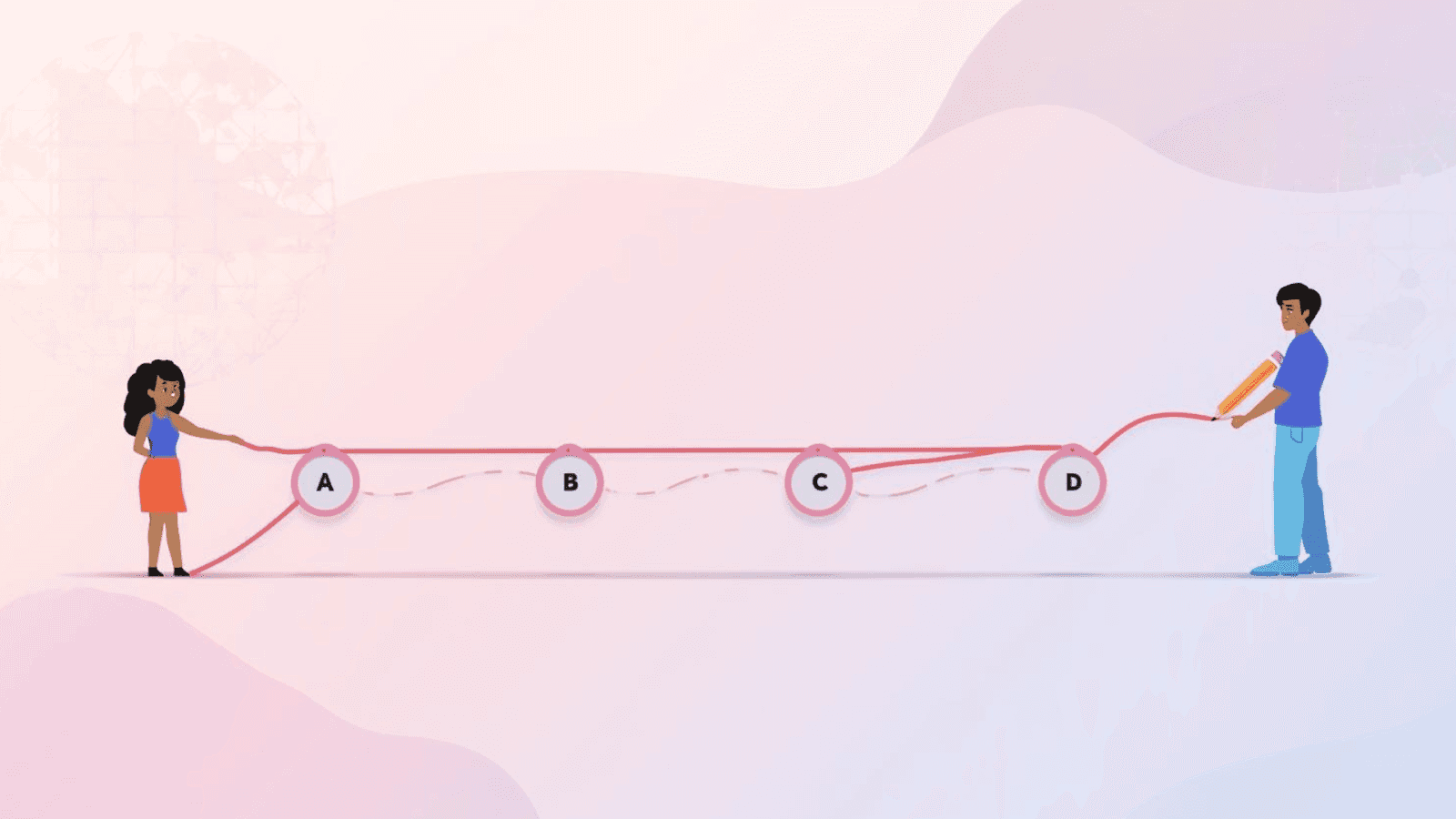
A causal chain shows how one event leads to another in a sequence. Each link pushes the next.
For example:
Poor soil → weak crops → food shortages → rising food prices → community migration
This structure works well for historical events, environmental change, economic cycles, and long-term behaviors.
<ProTip title="💡 Tip:" description="Make sure each step in a causal chain naturally leads to the next. Avoid big jumps that confuse readers." />
How to Build Strong Causal Arguments
To make your paper reliable, your causal claims must be supported by robust evidence. Here are key methods that help strengthen your analysis. For a fuller walkthrough of turning sources into evidence-based reasoning, see our step-by-step analytical research paper guide for students.
Timeline Analysis
A timeline helps track when events occurred and how they connect. It can show whether one event realistically caused another or if the sequence does not fit.
For example, if a health policy was introduced in 2018 and obesity rates began falling in 2019, the timeline supports a possible causal link.
Timelines help avoid mistakes like assuming an event influenced another even when the dates do not line up.
The “But For” Test
The “but for” test asks whether the effect would happen but for the cause.
If the effect would not happen without the cause, the cause is strong.
If the effect still happens even without the cause, the cause may be minor or unrelated.
Example:
But for extreme rainfall, the river would not have overflowed.
This method helps sort major causes from minor ones.
Ruling Out Alternative Causes
Good researchers consider other possible explanations. Eliminating weak alternatives strengthens your argument and avoids bias.
You can rule out alternatives by:
Comparing data from different studies
Checking for contradictory evidence
Reviewing case studies
Understanding context differences
<ProTip title="🔎 Pro Tip:" description="Explain clearly why alternative explanations are weaker. This increases reader trust." />
Avoiding Causal Fallacies
Causal fallacies weaken analysis and make findings less credible. Students often make these errors when they assume too much or ignore evidence.
Post Hoc Fallacy
This fallacy assumes that because A happened before B, A caused B.
Time order alone does not prove causation.
Example:
“I started a new diet and soon felt happy, so the diet caused the happiness.”
Oversimplification
Oversimplification reduces complex issues to one cause when multiple factors play a role.
Example:
“Students fail only because they do not try.”
This ignores social, emotional, economic, and academic factors.
Circular Reasoning
In circular reasoning, the explanation repeats the claim without proving anything.
Example:
“He is a good leader because people think he is a good leader.”
These fallacies make writing less reliable, so they must be avoided.
Key Components of Each Section
Cause and effect papers should follow a logical structure, with each section doing a specific job.
Topic Sentences
Topic sentences introduce what each paragraph explains. They keep writing focused and help readers follow the argument.
For example:
“One significant cause of water pollution is industrial waste.”
Topic sentences guide the direction of your explanation.
Transitions and Signal Words
Transitions show readers how ideas connect. They mark shifts from cause to effect or between different points.
Common signal words include:
because
therefore
as a result
since
due to
led to
consequently
These keep your writing smooth and understandable.
Supporting Evidence
Supporting evidence strengthens your argument and shows readers that your claims are grounded in research. Useful evidence includes:
Government statistics
Peer-reviewed studies
Historical comparisons
Case studies
Policy reports
<ProTip title="📘 Tip:" description="Blend evidence with your own explanation. Show how each fact supports your claim." />
Example Topics by Field
Cause and effect topics exist across academic disciplines. Here are examples with short explanations for context.
Environment
Environmental topics often involve complex chains of causes and effects. For example:
Causes of climate change
Effects of rising sea levels
Reasons behind biodiversity loss
These topics require scientific data and careful explanation.
Economics
Economic cause and effect topics often examine how policies, markets, or global events influence each other.
Examples include:
Causes of inflation
Effects of tax increase
Reasons behind unemployment trends
These topics usually need graphs, statistics, or study comparisons.
Health
Health topics involve biological, social, and lifestyle factors.
Examples:
Causes of obesity
Effects of stress on the body
Impact of poor sleep habits
These topics often require medical studies or public health data.
Social Issues
Social topics often involve multiple contributory causes.
Examples:
Causes of youth crime
Effects of social media on self-esteem
Causes of migration patterns
These topics benefit from case studies and demographic data.
Education
Education topics often explore learning outcomes or student behavior.
Examples:
Causes of low engagement in class
Effects of online learning
Role of family support on academic success
These topics require psychological and educational research.
Real-World Example: Substance Abuse
Substance abuse is a strong example of how multiple causes interact to create a larger effect. Each influence works together in a sequence that shapes the outcome. Presenting these links in order helps readers see a structured cause-effect sequence rather than random events.
Causes:
Peer pressure, mental health challenges, family instability, and social environment.
Effects:
Addiction, poor school or job performance, long-term health problems, and financial stress.
Causal Chain Example:
Stress → experimentation → dependence → long-term physical and emotional damage
This example shows how causes and effects combine to create a larger issue.
Tips for Writing a Strong Paper
Careful planning makes your causal paper easier to write and more effective.
Brainstorm All Possible Causes and Effects
Before drafting, list every factor connected to your topic. This helps you choose the strongest points and avoid weak arguments.
Use Causal Diagrams
Diagrams like fishbone charts, flow maps, and causal loops help you visualize connections before writing.
Maintain Clear Logical Flow
Each paragraph should follow naturally from the previous one. Avoid jumping randomly between ideas.
Write in Simple, Clear Language
Short sentences make complex topics easier to follow. This is especially useful when organizing your paragraphs around a clear analytical framework, keeping the causal flow smooth from start to finish.
Use Credible Sources
Reliable data from government reports, universities, and reputable organizations strengthens your writing.
<ProTip title="💡 Pro Tip:" description="Start with contributory causes and build up to the primary cause for a natural progression." />
How to Build an Outline
A good outline keeps your paper organized and focused. If you need a refresher on standard expectations for introductions, body paragraphs, and conclusions, see Understanding the Academic Paper: Purpose, Structure, and Simple Examples.
I. Introduction
Topic background
Importance
Thesis
II. Body
Structure type (cause-to-effect, effect-to-cause, or chain)
Evidence
Explanations
III. Analysis
Alternative causes
Strength of evidence
IV. Conclusion
Summary
Final insight
<ProTip title="📝 Reminder:" description="Review your outline to ensure each part of your argument connects logically." />
Checklist Before Submitting
Use this list to ensure your paper is complete.
✔ Clear thesis
✔ Logical structure
✔ Accurate causal transitions
✔ No fallacies
✔ Strong evidence
✔ Purposeful topic sentences
✔ Smooth flow from section to section
A Clear Path Forward for Your Causal Writing
A cause and effect research paper helps you break complex events into clear links, showing how one factor leads to another. With the right structure, evidence, and reasoning, you can explain these relationships in a way readers can follow and trust.
<CTA title="Build a Causal Thesis in Minutes" description="Use Jenni to create clear causal outlines and thesis statements you can develop into full papers." buttonLabel="Try Jenni Free" link="https://app.jenni.ai/register" />
Use Jenni to quickly build clean outlines, strong causal claims, and well-organized drafts. It simplifies each step so you can focus on writing clear, confident analysis.