بواسطة
Justin Wong
—
سير عمل خطوة بخطوة لمراجعة مسودة المؤلف المشارك للأوراق الأكاديمية

Justin Wong
مدير النمو
تخرجت بدرجة البكالوريوس في الأعمال العالمية والفنون الرقمية، مع تخصص فرعي في ريادة الأعمال. استمتع بدعم متميز مع Jenni AI لتسهيل مهام الكتابة الأكاديمية وتعزيز مهاراتك بطريقة جذابة!
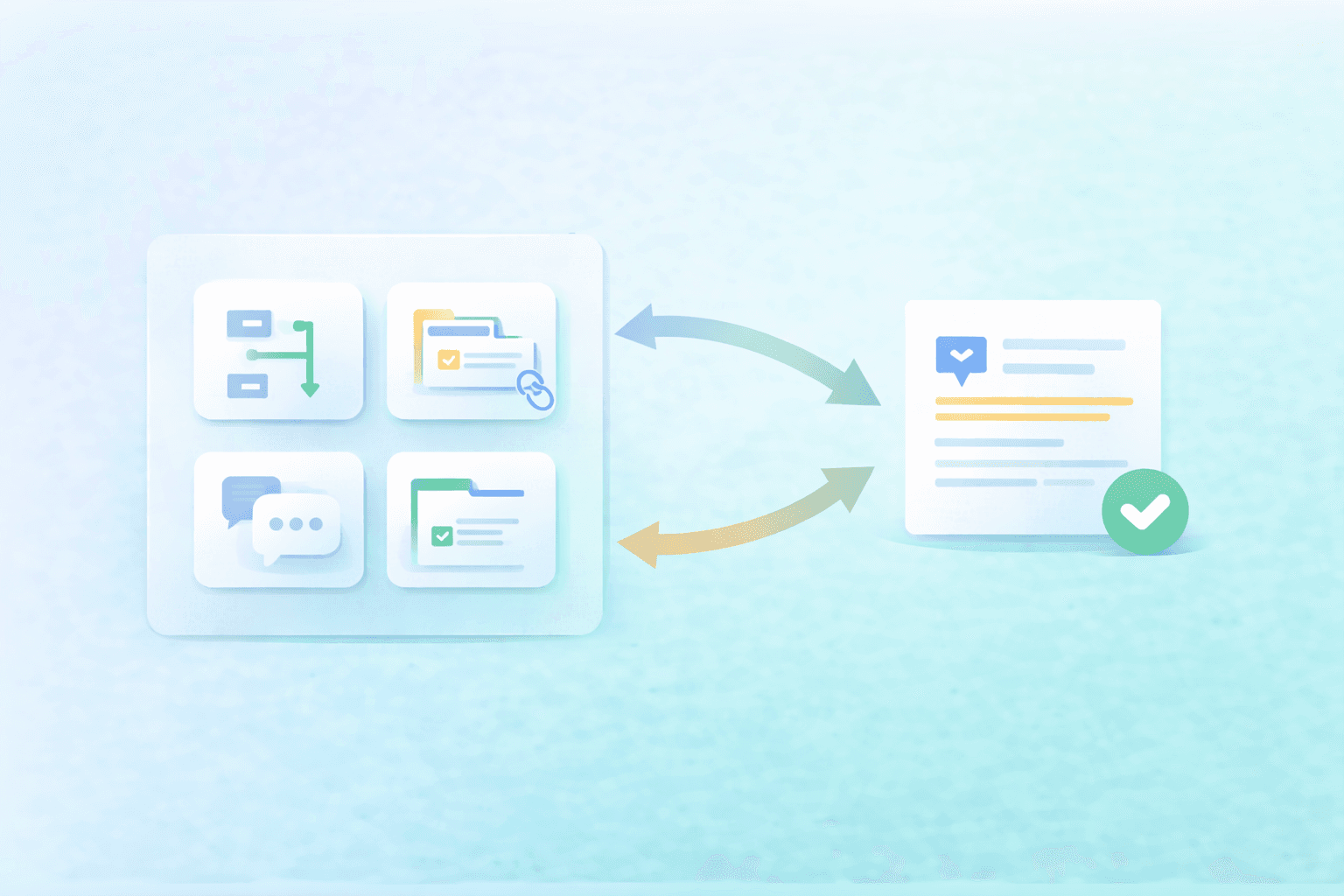
غالبًا ما تراجع الفرق المسودات بترتيب فوضوي دون قصد. يقوم شخص بإصلاح الصياغة، ويشير آخر إلى ادعاء لاحقًا، ثم تحدث مراجعة الاستشهادات في النهاية عندما تبدو المسودة منتهية بالفعل. وهذا عادةً يؤدي إلى إعادة العمل، وتكرار التعليقات، وتباطؤ التسليم بين الأعضاء.
يقدّم لك هذا الدليل سير عمل بسيطًا خطوة بخطوة لمراجعة المسودات بين المؤلفين المشاركين في الأبحاث الأكاديمية، بحيث يمكن لفريقك أن يراجع بترتيب أفضل. سنغطي ما يجب التحقق منه أولًا، وما يجب التحقق منه لاحقًا، وكيفية تشغيل سير العمل هذا في Jenni باستخدام مسودة مشتركة ورابط مشاركة بسيط.
<CTA title="مراجعة المسودات ضمن سير عمل مشترك واحد" description="نفّذ مراجعات مشتركة أنظف في مسودة واحدة مشتركة حتى يظلّ التعليق مركزًا وأسهل في التنفيذ" buttonLabel="ابدأ مراجعة التأليف المشترك" link="https://app.jenni.ai/register" />
ما الهدف من هذا سير العمل وما ليس كذلك
هذا سير العمل مخصص للمؤلفين المشاركين أو المشرفين أو المتعاونين الذين يراجعون مسودة قبل التقديم. يساعد الفرق على المراجعة بترتيب أكثر اتساقًا، بحيث تكون الملاحظات أسهل في التطبيق ولا تبقى المسودة تدور حول المشكلات نفسها.
إنه ليس إرشادًا رسميًا للمراجعة العلمية في المجلات. فكّر فيه على أنه عملية عملية لمراجعة المؤلفين المشاركين لتحسين جاهزية المسودة، وتنظيف مشكلات الادعاءات والاستشهادات، وتقليل إعادة العمل قبل التصدير أو التقديم.
يكون هذا السير أنسب ما يكون عندما:
✅ تراجع مسودة مشتركة قبل إرسالها إلى مشرف
✅ تحلّ مشكلات الادعاءات والاستشهادات قبل التقديم
✅ تنظّف الملاحظات عبر عدة مؤلفين مشاركين
✅ تنفّذ مراجعة نهائية قبل التصدير
<ProTip title="🧩 نصيحة النطاق:" description="استخدم هذا السير لمراجعة مسودات المؤلفين المشاركين قبل التقديم، وليس بديلًا عن المراجعة الرسمية في المجلات العلمية" />
إذا أردت سياق الميزة التي تقف خلف هذه العملية أولًا، فابدأ بـ ما هو التعاون على المستندات في Jenni ولماذا يهم. وإذا كنت تحتاج بدلًا من ذلك إلى معايير النشر الرسمية، فيمكنك أيضًا الرجوع إلى إرشادات المراجعة العلمية الرسمية بشكل منفصل.
قبل أن تبدأ المراجعة، حدّد قواعد هذه الجولة

تبدأ كثير من مشكلات مراجعة المؤلفين المشاركين قبل أن يحرر أحد المسودة أصلًا.
إذا اندفع الفريق إلى العمل دون هدف مراجعة واضح، تختلط الملاحظات بسرعة. يصلح شخص الصياغة، ويشير آخر إلى الاستشهادات، ويعلّق ثالث على البنية، ثم تجد المسودة نفسها تُعاد صياغتها في حلقات متكررة.
اختر هدف مراجعة واحدًا لهذه الجولة
ابدأ بتركيز واحد فقط في هذه الجولة.
هذا يجعل الملاحظات أنظف ويسهّل إنهاء المراجعة فعلًا بدل لمس كل شيء بشكل جزئي.
خيارات جيدة للتركيز في الجولة الأولى:
✅ البنية والانسياب
✅ وضوح الادعاءات
✅ دعم الاستشهادات
✅ صقل الصياغة
✅ تنظيف التنسيق
<ProTip title="🎯 قاعدة التركيز:" description="يجب أن تكون لكل جولة مراجعة أولوية واحدة حتى تبقى الملاحظات واضحة وأسهل في التنفيذ" />
حدّد من يقرر ماذا
قبل أن تبدأ المراجعة، حدّد من يملك أي قرار.
هذا يتجنب المشكلة الكلاسيكية حين يعلّق الجميع، لكن لا أحد يعرف من يتخذ القرار النهائي. كما أنه يدعم المساءلة بشكل أفضل في العمل المشترك، لأن التأليف لا يعني فقط الإسهام، بل يعني أيضًا المسؤولية والمساءلة.
مهمة المراجعة | المسؤول |
قرارات صياغة الادعاء | المؤلف الرئيسي / مالك القسم |
فحوصات دعم المصادر | مؤلف مشارك يراجع الأدلة |
صقل الصياغة النهائية | المحرر المكلّف أو المؤلف الرئيسي |
الموافقة النهائية قبل التصدير | المؤلف الرئيسي / المشرف |
حضّر المسودة كي يتمكن المؤلفون المشاركون من مراجعتها أسرع
القليل من التحضير يجعل جولة المراجعة أكثر سلاسة بكثير.
قبل مشاركة المسودة، قم بتنظيف سريع حتى يركّز المتعاونون على العمل الصحيح بدلًا من فكّ رموز العناصر النائبة والسياق الناقص.
قائمة تحضير سريعة:
✅ أزل العناصر النائبة الواضحة التي تعيق المراجعة
✅ أشِر إلى الأقسام التي ما زالت تحتاج إلى أدلة
✅ ضع علامة واضحة على المراجع غير المكتملة
✅ وسم الأقسام الأولية كي يعرف المؤلفون المشاركون نوع الملاحظات المطلوبة
وهنا أيضًا تبدأ الفجوة بين أداة الكتابة ومكتبة أبحاثك في إبطاء العمل. إذا كان سياق المصادر مبعثرًا، فإن حتى المراجعين الجيدين يقضون وقتًا في إعادة بناء السياق بدل تحسين المسودة.
سير عمل خطوة بخطوة لمراجعة المسودة بين المؤلفين المشاركين يظل قابلًا للإدارة فعلًا

هذه هي المرحلة التي تمنع المراجعات من التحول إلى تعديلات عشوائية.
الهدف ليس إصلاح كل شيء دفعة واحدة. الهدف هو المراجعة بترتيب واضح حتى يتمكن فريقك من اتخاذ قرارات أفضل مع إعادة عمل أقل.
التمرير 1: راجع تدفق الحجة ووضوح الادعاءات أولًا
ابدأ بمنطق المسودة قبل الغوص في الاستشهادات.
تريد التقاط المشكلات الكبيرة مبكرًا، بينما لا تزال المسودة سهلة التشكيل.
ركّز على أمور مثل:
✅ الادعاءات غير الواضحة
✅ الصياغة المبالغ فيها
✅ النقاط المكررة
✅ الانتقالات الضعيفة بين الأفكار
✅ الأقسام التي ستحتاج إلى أدلة لاحقًا (ضع علامة الآن، ولا تُصلحها بالكامل بعد)
مثال صغير:
تقول جملة: «هذه المنهجية تحسّن النتائج باستمرار عبر الفئات السكانية»، لكن الدعم يأتي فقط من دراسة ضيقة أو محدودة النطاق. قد تحتاج الصياغة إلى التخفيف قبل أن يقضي الفريق وقتًا في صقل الفقرة.
إذا كان فريقك جديدًا على هذا الإعداد، فمن المفيد أولًا أن تفهم التعاون على المستندات في Jenni للكتابة البحثية حتى يراجع الجميع في السياق المشترك نفسه.
التمرير 2: راجع دعم المصادر والاستشهادات
بعد أن يتضح التدفق، انتقل إلى فحص الأدلة والاستشهادات.
وهنا تضيع الكثير من الفرق وقتًا إذا كان سياق المصادر مبعثرًا.
إذا كان فريقك يدير المراجع في Zotero أو Mendeley، فقد يساعدك تكامل Zotero وMendeley للباحثين في إبقاء تفاصيل المصادر متصلة بينما تتحقق من الادعاءات.
طريقة عملية لمراجعة هذه المرحلة:
✅ تحقّق مما إذا كان المصدر يدعم الصياغة الدقيقة
✅ أكّد أن الادعاءات الأساسية لديها استشهادات
✅ أشِر إلى المصادر الضعيفة أو غير القابلة للتحقق
✅ قرر ما إذا كان يجب استبدال المصدر أو تخفيف الادعاء
تظهر لحظة مراجعة شائعة هكذا: الاستشهاد مرتبط بالموضوع، لكنه لا يدعم الجملة كما هي مكتوبة بالكامل. في هذه الحالة، لا يكون الحل مجرد «أضف استشهادًا». غالبًا يكون الحل هو مراجعة الصياغة حتى يتطابق الادعاء مع ما يدعمه المصدر فعلًا.
وهنا أيضًا يحدث فرق كبير خلال المراجعة عندما تحافظ على توافق كتابتك ومكتبة أبحاثك.
<ProTip title="🧠 نصيحة لمراجعة الاستشهادات:" description="عند الإشارة إلى مشكلة في استشهاد، حدّد ما إذا كان الحل هو إضافة مصدر أقوى أم تخفيف الادعاء" />
التمرير 3: عالج التعليقات على دفعات، لا بشكل عشوائي
بعد المرور بالمراجعة، لا تنتقل داخل المسودة لإصلاح التعليقات واحدًا تلو الآخر بترتيب عشوائي.
فهذا عادةً يخلق مزيدًا من تبديل السياق وتكرار التعديلات.
افعل هذا:
✅ اجمع التعليقات حسب القسم
✅ اجمع التعليقات حسب نوع المشكلة (الادعاءات، الاستشهادات، الصياغة)
✅ عالج التغييرات المرتبطة معًا
وتجنب هذا:
❌ الانتقال بين المقدمة والمنهجية والخاتمة كل بضع دقائق
❌ خلط إصلاحات البنية مع تنظيف الاستشهادات في الوقت نفسه
❌ إعادة كتابة الجمل المصقولة قبل حل مشكلات الأدلة
التمرير 4: نفّذ مراجعة نهائية نظيفة قبل التصدير أو الإرسال
قبل أن تصدّر المسودة أو ترسلها، قم بتمرير نهائي قصير واحد.
أبقِ هذه الجولة مركّزة وعملية:
✅ تمّت معالجة المشكلات التي جرى تحديدها
✅ لدى الادعاءات الأساسية استشهادات
✅ جرى إصلاح المصادر الضعيفة أو غير القابلة للتحقق أو إزالتها
✅ تتوافق الصياغة مع الأدلة
✅ المسودة نظيفة للخطوة التالية
هذه الجولة النهائية هي ما يحوّل مسودة «شبه مكتملة» إلى مسودة جاهزة للمراجعة يسهل على المشرفين أو المتعاونين العمل عليها.
كيفية تشغيل سير عمل مراجعة المؤلفين المشاركين هذا في Jenni
بمجرد أن تصبح مسودتك جاهزة للمراجعة، يمكنك بدء السير في Jenni خلال خطوات قليلة فقط.
افتح مسودتك في Jenni
انقر مشاركة في الزاوية العلوية اليمنى
انسخ رابط المستند
أرسله إلى المؤلف المشارك
أخبره بأي تمريرة مراجعة ينبغي تنفيذها أولًا
راجعوا معًا في المستند نفسه وبشكل مباشر
<ProTip title="🧭 نصيحة التسليم:" description="أرسل الرابط مع تمريرة مراجعة واحدة واضحة في البداية حتى تبقى الملاحظات مركزة" />
يمكن لرسالة بسيطة أن تساعد في إبقاء الجولة الأولى مركزة.
أخطاء شائعة في مراجعة المؤلفين المشاركين تسبب إعادة عمل إضافية
حتى الفرق القوية تصنع عملًا إضافيًا أثناء المراجعة.
عادةً لا تكون المشكلة في الجهد، بل في توقيت المراجعة. فبعض العادات الصغيرة قد تجعل المسودة تبدو أصعب في الإنجاز مما ينبغي.
خلط كل أنواع الملاحظات في تمريرة واحدة
يحدث هذا عندما يراجع الفريق كل شيء دفعة واحدة: البنية، والادعاءات، والاستشهادات، والصياغة، والتنسيق.
يبدو ذلك منتجًا في البداية، لكن الزخم يهبط سريعًا لأن كل تعليق يدفع المسودة في اتجاه مختلف.
تبدو النمطية الشائعة هكذا:
تعديلات البنية → فحوصات الاستشهادات → صقل الصياغة → تعديلات التنسيق → العودة إلى البنية مرة أخرى
والنتيجة نشاط كثير، لكن تقدم نظيف قليل.
ترك تعليقات صحيحة لكنها غير قابلة للتنفيذ
بعض التعليقات صحيحة تقنيًا، لكنها لا تخبر الكاتب بما ينبغي فعله بعد ذلك.
وهنا تتباطأ المراجعة.
تعليق غامض | تعليق أفضل |
هذا يبدو غير مناسب | الادعاء أوسع من أن يدعمه المصدر، خفّف الصياغة أو أضف دعمًا أقوى |
يحتاج إلى عمل | وضّح ما الذي تدّعيه هذه الجملة قبل إضافة استشهاد آخر |
المصدر يبدو ضعيفًا | استبدل هذا المصدر أو عدّل الادعاء ليتوافق مع الأدلة |
أعد كتابة هذا | احتفظ بالفكرة، لكن اختصر الجملة وأزل العبارة غير المدعومة |
الهدف بسيط: اترك تعليقات تقود إلى خطوة تالية واضحة، لا مجرد رد فعل. ويصبح هذا أسهل عندما يراجع الفريق في مسودة مشتركة واحدة حيث يمكن للمراجعين تقديم ملاحظات فورية.
<ProTip title="🗣️ نصيحة لترقية التعليقات:" description="اربط كل تعليق بقرار واحد مثل: التوضيح، أو الدعم، أو الحذف، أو التعديل" />
إصلاح الجمل قبل إصلاح الأدلة
إن صقل الصياغة مبكرًا جدًا يخلق إعادة عمل.
قد تبدو الجملة نظيفة واحترافية ومنظمة جيدًا، ثم تحتاج مع ذلك إلى إعادة كتابة كاملة بمجرد أن يراجع الفريق دعم المصدر.
فكّر فيها هكذا: لا تريد أن تزيّن رفًا قبل التأكد من أنه ثابت وآمن.
والتسلسل الأنظف هو:
تحقّق من الأدلة أولًا → عدّل الادعاء → صقل الصياغة في النهاية
هذا الترتيب يوفر الوقت وغالبًا ما يؤدي إلى قرارات مراجعة أفضل. يركّز هذا القسم على عادات مراجعة مسودات المؤلفين المشاركين، وليس إرشادات المراجعة العلمية الرسمية.
ابنِ روتينًا قابلًا للتكرار لمراجعة المؤلفين المشاركين قبل كل تقديم
يبدأ روتين المراجعة الأفضل بترتيب المراجعة. تساعد التمريرات المنفصلة على تقليل إعادة العمل، وتجعل الملاحظات أسهل في التنفيذ، وتساعد الفرق على اكتشاف مشكلات الادعاءات والاستشهادات مبكرًا. ويساعد Jenni عبر إبقاء المؤلفين المشاركين في مسودة مشتركة واحدة بينما تنتقلون خلال كل تمريرة.
<CTA title="شغّل سير عمل مراجعة المؤلفين المشاركين بشكل أنظف" description="أبقِ تمريرات المراجعة مركزة في مسودة مشتركة واحدة" buttonLabel="ابدأ مراجعة التأليف المشترك" link="https://app.jenni.ai/register" />
ابدأ ببساطة، وأبقِ كل تمريرة مركزة، وتجنب إصلاح كل شيء دفعة واحدة. هذا التحول الصغير يجعل مراجعة المؤلفين المشاركين أسرع وأنظف وأسهل في التكرار قبل كل تقديم.