
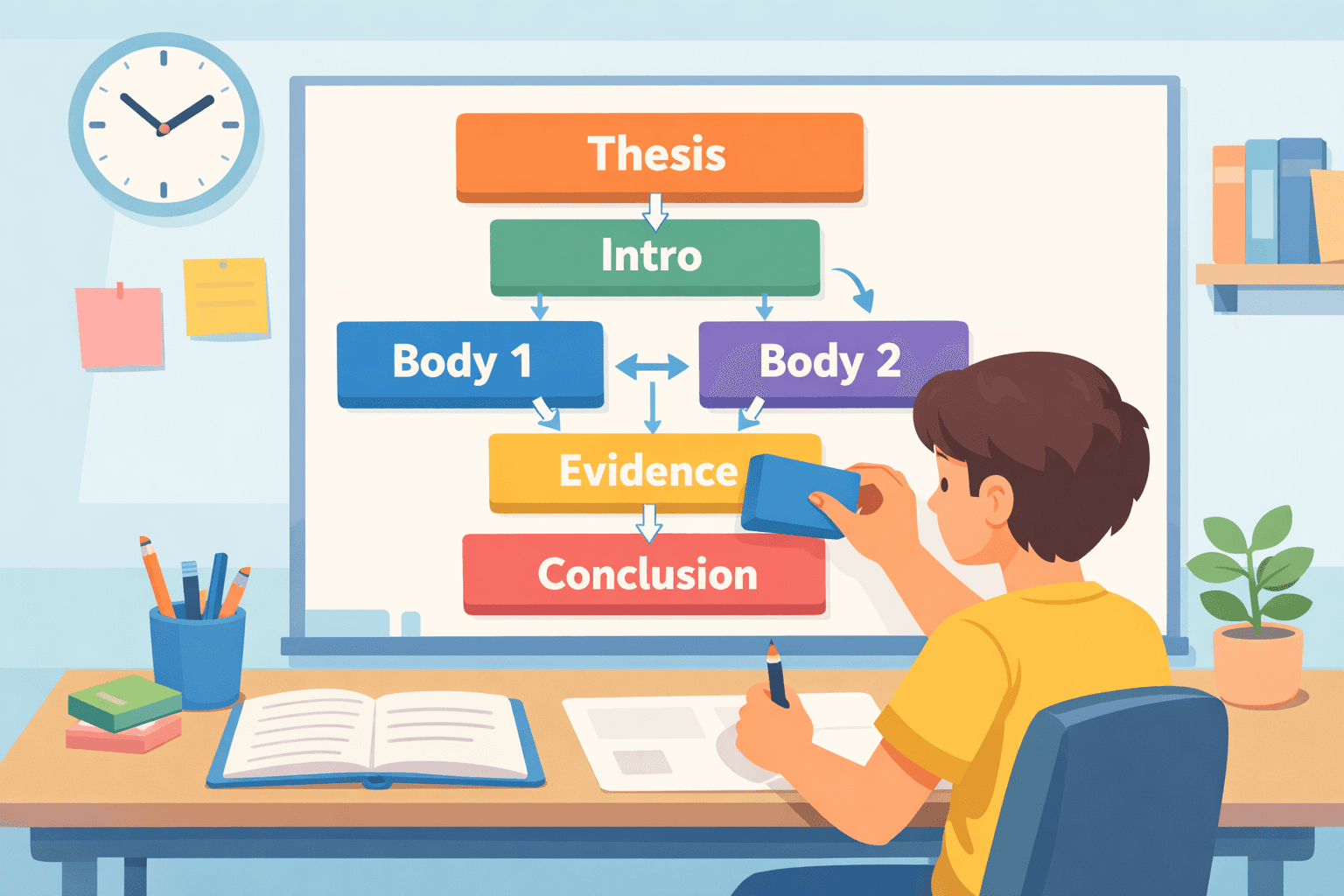
你虽然有很好的想法,但写出来的学术论文总觉得有些欠缺。真正的症结不在于你不够努力,而在于缺乏一个清晰的系统。数小时的笔耕不辍,换来的却往往是显得凌乱、缺乏说服力的草稿。
本指南正是为了解决这一痛点而生。我们将为你提供一个简单、循序渐进的系统化方法。你将学会如何以更清晰的逻辑谋篇布局、使论证更加严密,并在短时间内看到切实可见的进步。这些技巧不仅务实,而且可重复、可套用。
如果你的草稿依然显得松散,这篇关于如何规划学术论文结构以实现最大影响力的深度解析,能够帮助你在不偏离核心论点的同时,将各个章节紧密有机地链接起来。
想要彻底改变你的写作流程吗?让我们开始吧。
<CTA title="更快写出逻辑更清晰的论文" description="通过引导式提示和写作支持,将你的构思转化为结构严谨的学术论文。" buttonLabel="免费试用 Jenni" link="https://cn.app.jenni.ai/register" />
何谓“快速提升”的真正内涵
让我们先来探讨一下“快速提升”的定义。这绝非指一夜之间达到完美境界,而是指精准针对那些能够立竿见影、产生最大成效的关键技能进行专项突破。
如果将论文写作比作建造房屋。华丽的词藻不过是墙面漆和壁纸,唯有结构才是真正支撑全局的基石。如果结构出了问题,其余的一切都会分崩离析。
快速提升源于以下三个抉择:
选择清晰明白的表达,而非故作高深的金句。
专注于严谨宏观的结构,而非仅仅雕琢华丽的辞藻。
优先进行切实的写作实践,而非沉溺于抽象的写作理论。
当你将这些维度置于首位,你的写作水平就会稳步提升,并能长久保持。
步骤 1:建立每日写作习惯,消除提笔痛点
每周仅动笔一次是远远不够的。若想看到实质性的进步,你需要坚持每天写作。其核心在于“持之以恒”,而非追求“句句经典”。这一步旨在消除你面对空白文档时的抗拒和畏难情绪。
行之有效的自由写作(Freewriting)训练法
自由写作是一项简单却极其强大的工具。具体操作如下:
设定一个 20 分钟的闹钟。然后,开始不停地写。期间不要修改,不要停顿,甚至无需考虑语法规则。唯一的原则是:让你的手指在键盘上或纸面上保持运动。
你写出来的初稿可能是这样的:“学生之所以感到来自社交媒体的压力,是因为他们常常不自觉地与他人进行比较……”
它也许显得非常粗糙,但这正是关键所在。这种训练能够激发你的思维流动。久而久之,便能消除阻碍大多数写作爱好者动笔的犹豫和拖延。
自由写作如何重塑你的写作流程
此方法之所以奏效,是因为它将“构思”与“编辑”这两个认知过程分离开来。多数人习惯在写作的同时进行自我纠错,这正是导致“卡壳”的根源。自由写作能卸下你的思想包袱。在这一阶段,你的唯一任务是生成素材,而非评判对错,从而让大脑无拘无束地产出观点。
从杂乱的草稿到可用的素材
20 分钟结束后,回头审视并挖掘你写下的内容。从中筛选出有价值的观点,高亮标注具有启发性的想法,或圈出可以发展为核心论点的句子。这些未加工的原始素材,正是你后续构建结构严谨的段落所需的基石。
此外,这种极佳的起草习惯对于解决“万事开头难”的问题也大有裨益。一旦你习惯了快速生成原始创意,你就能够更轻松地去学习如何撰写自然而非生硬的论文引言引子(Hook)技巧。
<ProTip title="💡 专家建议:" description="先专注于写作,稍后再进行编辑。在写作时频繁修改会严重拖慢你的进度。" />
步骤 2:在细节雕琢前,先攻克论文结构
一篇优秀的学术论文绝非观点的简单堆砌,而是构筑在清晰框架之上的智力产物,能够一步步引导读者领会你的论证。缺乏合理的结构,再精妙的思想也会被淹没。
值得信赖的基础论文蓝图
将你的论文视为一条经典的“三步走”路径:
引言(Introduction): 阐明你的核心逻辑(核心论点/Thesis Statement)。
正文(Body): 深入论证该论点,每个段落仅聚焦阐述一个核心子观点。
结论(Conclusion): 重申核心论点并升华其学术或现实意义。
如果你希望更深入地了解结构和规划,这篇关于论文写作策略的指南详细解析了优秀学术论文如何从头到尾进行组织安排。
为什么核心论点(Thesis Statement)决定成败
整篇论文的成败都取决于你的核心论点。含糊不清的论点会导致整篇论文的论证软弱无力。试对比以下两个例子:
模糊表述: 社交媒体对学生产生了一些影响。
清晰表述: 碎片化的社交媒体内容通过诱发持续的同辈群体比较和缩短注意力持续时间,加剧了大学生的焦虑情绪。
第二个版本具体且极具可论证性。它清晰地告诉读者你准备论证什么,以及你打算如何去证明。
段落写作的“一正文段一核心观点”原则
每个段落应该只承担一项职能,切忌将多个不同的论点混杂在一段之中。针对上述的核心论点,你的正文结构应该进行如下拆解:
第一自然段: 阐述社交媒体如何诱发持续的同辈比较。
第二自然段: 剖析其如何缩短受众的注意力持续时间。
第三自然段: 将这些影响因果关联至大学生焦虑情绪的加剧。
仅这一条原则,就能瞬间让你的论文脉络变得更清晰、更易于阅读与理解。
<ProTip title="📌 温馨提示:" description="如果你的段落中包含了不止一个核心想法,请毫不犹豫地进行拆分。" />
步骤 3:利用大纲实现高效质优的写作
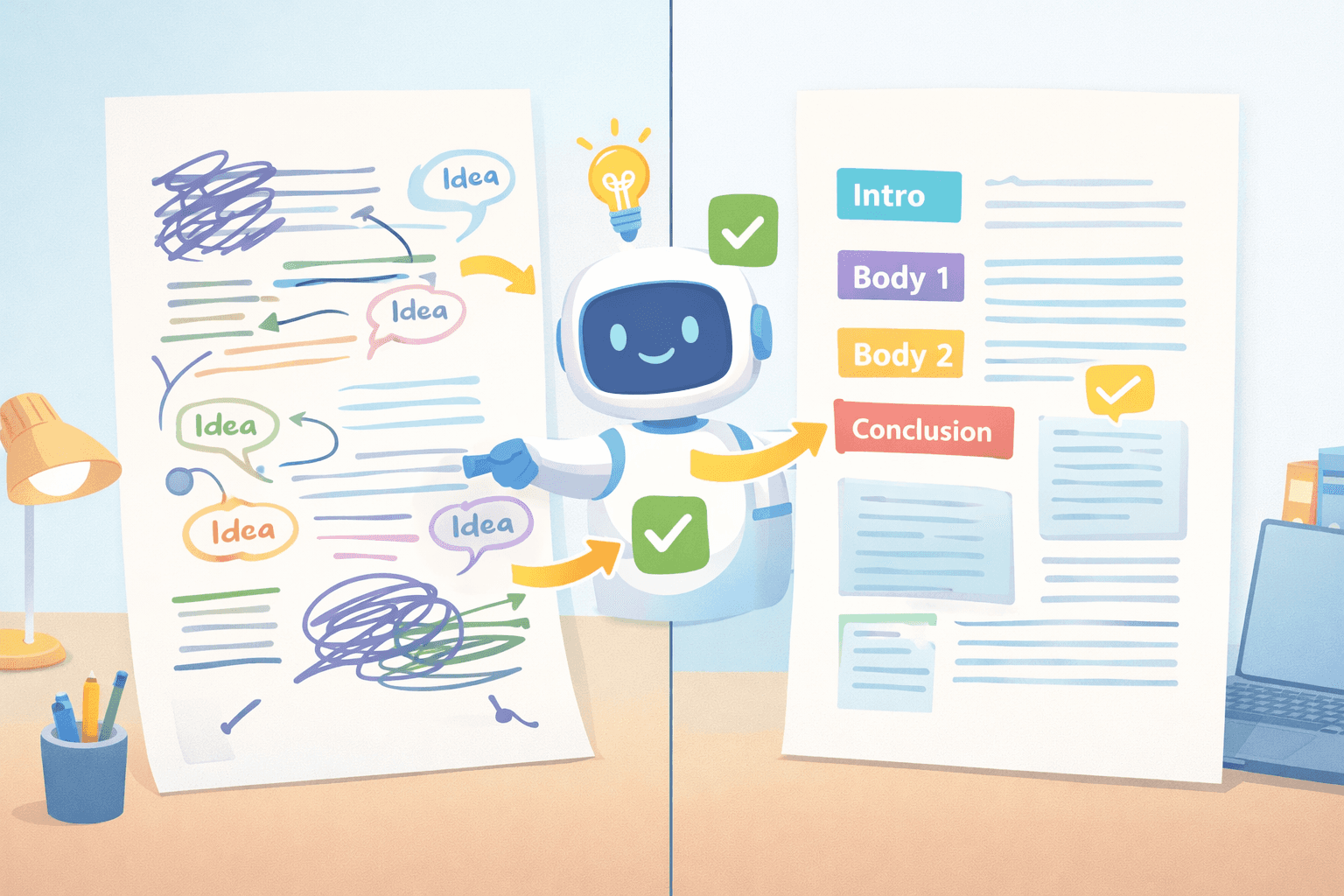
大多数学生在写作时都会跳过列大纲的步骤,认为这是多此一举。然而,这是一个极大的误区。在动笔前花 5 分钟进行规划,可以为你省去后续数小时漫无目的盲目摸索的时间。
五分钟极简大纲法
在键盘上敲下论文的第一个字前,请先花五分钟列出以下内容:
你的核心论点(Thesis Statement)。
支撑该论点的三个主要分论点。
针对每个分论点的一项核心学术证据或典型案例。
大功告成。此时你已经为论文搭建好了完整的骨架。
如果你需要更快速的起点,可以使用AI 论文大纲生成器迅速起草一个基础框架,然后在其基础之上进行修改、补充和深化。
如果大纲设计常常让你感到无从下手,复盘一份论文结构设计指南能帮助你更好地理解在动笔前,核心论点、分论点及文献证据应该如何有机地咬合在一起。
大纲如何全面重塑写作效率
不列大纲就盲目写作,犹如在没有地图的情况下长途驱车,你必须在行程中不断思索下一步去往何方,这不仅会严重拖慢进度,还极易走入死胡同。
而大纲彻底解决了这一痛点,它是你的路线图。所有重大决策——包括核心立论、分论点之间的承接呼应——在这一阶段已经尘埃落定。当你正式坐下来写作时,你唯一的任务就是填充细节。此时,写作过程将变得更加流畅、低压力。
范例解析
假设你的研究主题是“远程办公的效率转化”:
核心论点: 远程办公通过提供更高的工作灵活性和减少职场干扰,从而有效提升了员工的生产力。
分论点 1: 弹性的工作制允许员工在其精力最充沛的黄金时段高效工作。
分论点 2: 通勤时间的消除大幅缓解了员工的生理疲劳和心理压力。
分论点 3: 个性化的办公环境有效规避了传统办公室的人际打扰。
有了这份大纲的指引,你无需在写作时苦思冥想下一段该写什么,只需要顺理成章地将这些点阐述清楚。你的逻辑将变得极为直接且高效。
步骤 4:运用“倒金字塔”结构强化学术论证
一个常见的写作误区是习惯将最精彩、最有力的论点留在最后。然而,等到那时,读者往往已经失去了阅读兴趣。你应当将最具分量的核心观点置于正文开篇。
倒金字塔写作法
这是一种极为经典且行之有效的组织结构:
首先抛出你最有力、最无可辩驳的核心论据/分论点。
随后跟进次要支撑论点。
最后补充背景信息、辅助论据或次要观点。
这类似于新闻报道的写作逻辑:最重要、最核心的信息永远出现在最前端。
此方法为何能制胜
学术评审和读者会在极短的时间内判断你的论文是否值得深入阅读。一个极其强有力的开篇能迅速抓住读者的注意力,并从段落之首就建立起你严谨不苟的学术公信力。它能直接证明你的立论基础扎实可靠。
这在分析性的文体中尤为重要,比如在撰写问题解决型论文时,最关键的问题核心或最具可行性的解决方案应当在论文的前部尽早呈现,以便引导和契合读者的阅读预期。
对比分析
试对比关于“可再生能源”主题的两种不同段落排序:
逻辑较弱的排序: 先阐述其创造就业岗位的附带价值,接着提到运营成本优势,最后才点出“减少碳排放”这一核心环保价值。
逻辑较强的排序: 开门见山,首要阐明其在应对全球气候变化、减少碳排放方面的决定性贡献,紧接着辅以关于成本效益的数据分析,最后指出创造就业机会等边际效应。
显而易见,第二种方案在论证逻辑和说服力上更为强大和深邃。
极简自测法
完成初稿后,请立即阅读正文的第一段,并向自己提问:如果读者在读完这一段后就停止阅读,他们能否准确领会我的核心论据?
如果答案是否定的,你就需要重新编排,将最出彩、最强劲的观点移至开篇。
<ProTip title="⚡ 专家建议:" description="首发你最具说服力的观点,从而立即确立你的论证优势。" />
步骤 5:运用精简的语言技巧提升学术清晰度
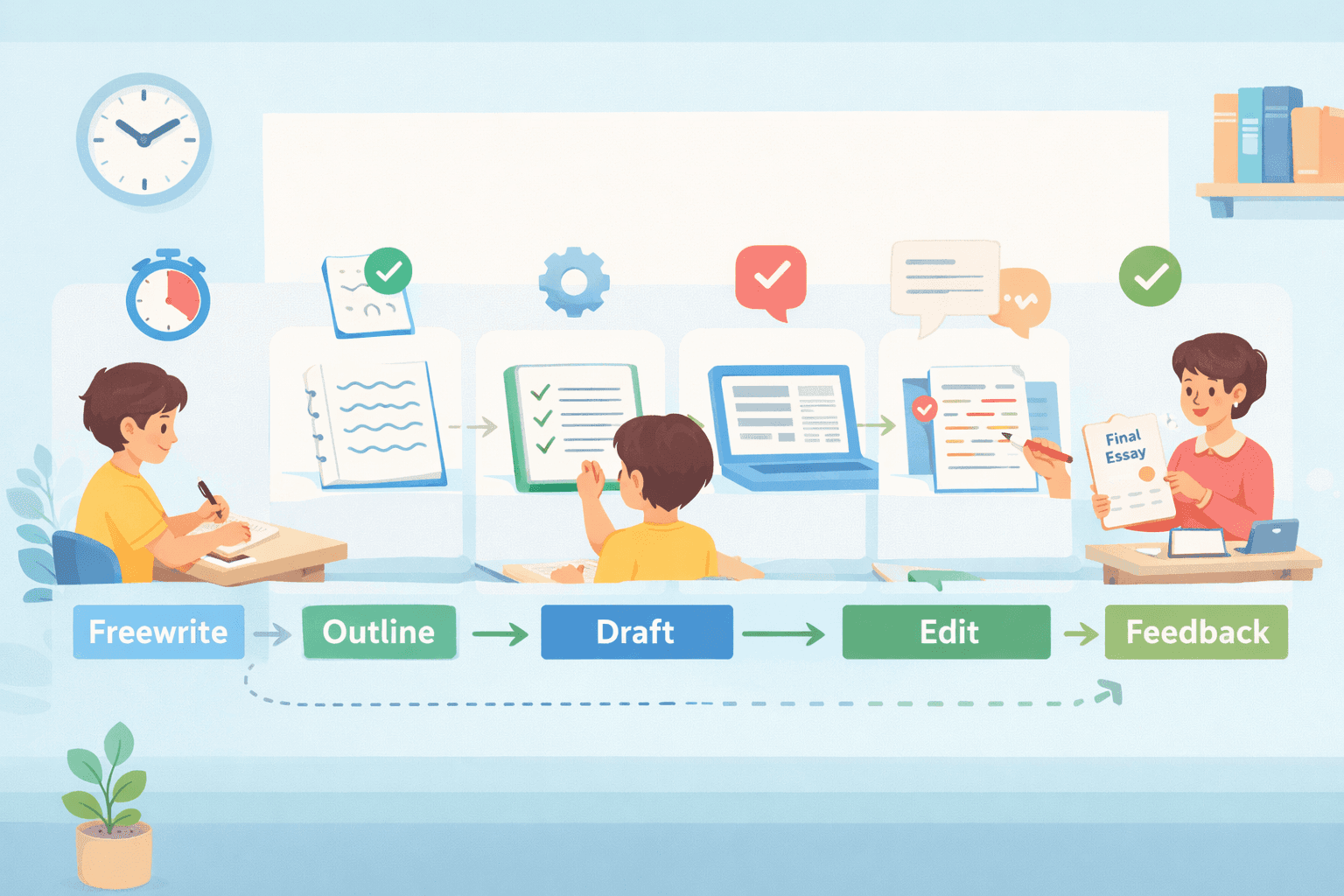
试图让文章听起来“高深”往往会适得其反。学术写作的核心要义在于“清晰明了”。冗长复杂的句式和刻意堆砌的偏僻词汇往往只会让读者感到困惑。
用精准、具体的词汇替代空泛词汇
应当使用更具表现力、更严谨的词汇来替换疲软、被滥用的语言:
不要频繁使用“非常重要 (very important)”,应当用“关键的 (critical)”或“不可或缺的 (essential)”来替代。
不要使用“许多 (a lot of) 证据”,应当用“显著的 (significant) 证据”或“翔实的 (substantial) 证据”来表述。
优先使用主动语态
英语写作中,过多使用被动语态往往显得沉闷、间接且不够自信:
被动语态(较弱): 在该研究中,学生的分数被发现得到了提升。
主动语态(较强): 研究发现,学生的分数显著提高。
主动语态的表述明显更加直接干脆,且充满学术自信。
长短句穿插,错落有致
单一长度和固定水平衡稳的句序极容易让读者产生审美疲劳甚至昏昏欲睡。应尝试交替变化句型:用简短斩截的中式或西式短句来传递有分量、一锤定音的核心结论,紧接着运用中长句来进行细致入微、逻辑严丝合缝的机制剖析。
为了在起草、修改和提升论文清晰度等方面获得更多实用的学术指导,不妨探索这些以易懂、实用为宗旨,并且深度涵盖关键写作技巧的写作提示与工具。
流畅清晰是终极指标。 它决定了读者是能够一气呵成、自然地随着你的大前提一路推演直至结论,还是在阅读到一半时就被混乱的句子绕晕、无功而返。
大声诵读你的作品
这是纠正别扭句式和表达最直接、最快速的方法。如果你在朗读某一页段落时发生了口吃,或中途被迫停下喘气,那么这处句式大约需要精减,要么偏于冗长,要么指代不清。读起来感到别扭的地方,就需要动手开始润色。
<ProTip title="✍️ 专家建议:" description="永远记住:清晰利落的表达,其阅读体验和说服力远胜盲目的辞藻堆砌。" />
步骤 6:果断无情地删改,实现品质跃进
写初稿是将思想诉诸文字的过程;而编辑修改,则是将其淬炼为精品的过程。正是在这一阶段,你的文章品质将实现质的飞跃。
“修剪 20%”原则
初稿完成后,你的首要编辑任务非常明确且纯粹:删减至少 20% 的篇幅。重点剔除重复啰唆的句意、可有可无的铺垫性词语和疲软的句式。
对比以下两句句子:
原句: 值得非常重要地注意的是,许多学生通常在撰写论文方面遇到各种各样不同的原因从而产生许多挣扎。
修改后: 许多学生在学术写作中面临挑战。
精减后的版本表达了完全相同的核心意思,但更加利落、掷地有声且毫不拖泥带水。
修改时需把握的三个核心问题
绝非仅仅校对错别字,而是要带着明确的目的和逻辑自省去审改。问自己三个问题:
逻辑可读性(Clarity): 读者能否毫不费力地从头到尾准确把握我的主线逻辑?
实证饱和度(Evidence): 我的分论点是否有足够针对性且立得住脚的数据、文献作为实质性的背书?它们是否直接回答、支撑了主学术问题?
过渡流畅性(Flow): 各个段落之间是否层层递进、逻辑推演自然顺畅,还是存在突兀的思维断层?
沉淀一天,换双眼睛审视
修改文章的最佳秘诀是争取时间差。如果时间允许,请将写好的草稿搁置 24 小时不要去理会。当你带着全新的视角重新审阅时,曾在一气呵成动笔写完时未能察觉的含混句式、薄弱逻辑和论证盲区都会瞬间纤毫毕现,修改也就变得更有靶向性。
<ProTip title="🧠 专家建议:" description="在进行快速提升时,遵循“逻辑修改第一,词汇语法第二”的修改哲学。" />
步骤 7:建立高效反馈循环,跑通个人水平提升
闭门造车是个人进步最大的拦路虎。获得外部客观视角的审视,是快速定位写作盲点、优化写作质量的最短路径。
设立客观的自我评估清单
写完一篇论文后,不要只是随手将其提交。花几分钟对自身表现进行自我量化打分(各维度 1-10 分):
说服力(Clarity): 论文的核心逻辑线索是否贯穿始终、易于看清?
论证力度(Strength): 每一个分论点的论证是否坚实有力,而不是浮于表面?
结构合理性(Structure): 正文布局是否呈现了严谨合理的逻辑演进?
将所得评分记录下来。每周跟踪这些评分不仅能让你看清自己的成长路径,还能帮你精准识别自己卡在了哪个瓶颈期。
向他人寻求精准、具建设性的意见
当邀请导师、学长学姐或同伴审阅你的草稿时,不要泛泛地询问:“你觉得怎么样?”而是应当抛出清晰具体的、有回馈价值的目标导向型问题。
比如这些提问路径:
“在我文章结尾时,我的核心研究结论是否展现出了足够强、让人信服的论述闭环?”
“在阅读过程中,哪一个部分的论述最让你感到费解或逻辑不顺畅?”
这种富有针对性的反馈意见,能最直接地指出你下一版修改的努力方向。
师法乎上,研析经典规范
最直接的提升方案永远是在阅读中解析名家之笔。去主动阅读那些因逻辑清晰、论证高质而享有国际声望的学术刊物中的论文,研究《大西洋月刊》(The Atlantic)等高质量公共智库期刊。
不要停留在纯粹的信息索取层面,而应关注作者如何构建文章。分析他们铺排段落的技巧、句首过渡词汇的选用,以及引入定量、定性研究文献的框架逻辑。
如果你希望深度剖析高分主流学术论文其逻辑架构和文献论证是如何深度嵌合的,可以参考这篇论文写作实战指引,它深入浅出地解构了行之有效的学术写作要素。
解构、提炼并复盘重构
挑选一段你读过觉得极具说服力的学术论文段落,尝试在不看原文的前提下,用你自己的语言完全重述其观点(谨防生搬硬套剽窃词句)。
这个练习的目的在于重现和拆解其写作逻辑:观察句与句之间是如何层层剥茧、语气如何做到严谨而笃定,以及观点与证据是如何相扣的。这种训练能重塑你的大脑,使你在面对同类问题时能够自发且熟练地调用这些行之有效的句法和布局策略。
步骤 8:巧用实战倍增训练法,加速成果转化
某些针对性强、科学刻意的写作练习能实现极高的边际效益,它们能在短时间内高强度、短周期地迫使特定领域的写作技能迅速成熟。
45分钟高压限时演练
设定一个 45 分钟的倒计时,从零开始完整起草一篇极简的短篇论文。这种高强度的施压训练目的不在于撰写出传世佳作。
它的真正核心目标在于倒逼你克服提笔前的焦虑去全力以赴做三件事:锻炼敏捷快捷的成文速度、极度高压下对论点主线的超强定力,以及磨砺出在任何逆境下均能迅速形成白纸黑字文稿的精神自信。
在稿件里树立“假想敌”自我辩驳
任选一个你坚决赞同的热点研究命题。然后,站在全然相反的立场上,去撰写一篇有理有据地为逆向立场辩护的学术文章。这种训练极其烧脑,但也是打破思维定式、极度升级思辨密度的最强方案之一。
它强迫你在宏观视角上去预判审稿人可能产生的所有合理质疑(Counter-arguments)、提前布局并消解这些潜在的攻击,从而为你原本偏好的学术立场建立起无懈可击、固若金汤的系统性证词。
借模板起锚,而后破而后立
学术界推崇的标准化格式能直接免去你在文章结构选择上的焦虑,让你把有限的精力和大脑内存用在核心创意的打磨上。可以先套用这个极简的万能骨架:
引入核心学术话题并亮出鲜明的Thesis(核心观点)。
正文一:最具分量的主论点 + 权威的事实或文献背书。
正文二:次要支持论点 + 逻辑关联的数据或论据证明。
正文三:正视并回击来自相反研究阵营的可能质疑(反证/防守)。
结尾段:提炼深化、结合局限性点明宏观研究贡献。
在连续数次练笔中严格按照该模具成文。当这一套思路逻辑已经融入潜意识,成为你的第二本能时,你就可以破而后立,尝试打破条框:或合并某些二级推论,或调整承接语序,或调整详略篇幅。模板教给你的是章法,在融会贯通后,你便能信手拈来,游刃有余。
<ProTip title="🚀 专家建议:" description="持续、哪怕是少量的微弱日常坚持,其正面复利效应也远胜偶尔一两次高强度的熬夜突击。" />
能产生切实成效的每周学习系统
光说不练假把式,再完美的写作技巧也离不开系统科学的周期执行大纲。下面是一份直接在下周即可落地的实训规划安排。
每周个人写作技能进阶规划表
第一天至第三天(专注习惯培养与消解抗拒):
每日进行一次持续 20 分钟的“不挑肥拣瘦、只求速度”的自由写作训练。
在一周内挑出其中一天,完成一次 45 分钟超高压力的真题真练模拟演练。
第四天至第五天(解析大师之笔,提炼底层共性):
深度研习并精读分解两篇所属细分行业赛道极其扎实优质的高分期刊范文,动手绘制其每一行逻辑图谱。
完成一次针对范文中经典论证段落的非同义替换“复盘模拟”练习。
第六天(学以致用,引入外脑破壁):
完全使用本文传授的全部进阶逻辑架构(大纲确立、倒金字塔布局结构、主动长短句搭配等)写出一篇完整的学术短文。
将本文的自我对照检查三大基本问询指标用于自我审订评分,或虚心恳请学长、同行在具体问题框架内审阅把脉。
第七天(查漏补缺,沉淀前行):
归纳总结这轮修改过程中的亮点与顽疾,在成长轨迹本上锁定下一周必须攻关、拔除的一到两处不良写作惯性。
及时在个人档案中更新你的写作进阶数据曲线。
这套系统的独特运作机制亮点
这个日常流程极度高效,其根本原因在于它规避了无目的的随机堆积,而是将驱动人类认知的进阶闭环紧密地咬合在了一起:
主动、高频次的实操练笔(Active Practice)(保障每日的高质量练兵)。
高强度的深度机制解构(Focused Analysis)(探究优秀作品背后的写作逻辑)。
高度精准的问题修复环路(Targeted Feedback)(定位自身软肋并专项歼灭)。
三驾马车相辅相成,持之以恒,即使在不长的周期内,也会在行文气质上展现出令人惊艳的学术阶梯级攀升。
严重拖慢你进步速度的常见误区
如果你在苦苦练笔的过程中始终背负以下几个隐蔽的“绊脚石”,再怎么通宵达旦也难以取得突破。尽早斩断它们能让你的学习效率翻倍。
缺乏提前大纲设计便开始盲目堆文字
不列大纲似乎省时,其实大错特错。这常常使得你由于在开头走偏,导致整段段落毫无逻辑承接,最终在推翻重置时浪费倍数的时间成本。动笔前区区五分钟的理性拆解,能让你免于遭遇耗时耗力的人工推倒重建惨案。
在写字的过程中强迫症般地进行修改
这绝对是杀伤学术灵感与打乱写作节奏的冷面刺客。在还未完成句子前就频繁倒退修改词句、拼写或替换词汇,会不断粗暴打断你那来之不易的连贯逻辑线。
在第一稿阶段,千万要卸下编辑层面的完美主义负荷。第一步的使命是让思绪肆意挥洒,生成观点的原材料。编辑的责任则是后续对这些泥沙俱下的粗加工原料进行筛分、打磨和淬炼。请在工作流安排上把这两项工序严格拆离。
迷信古怪偏僻词,误入辞藻繁冗之路
故弄玄虚的各种难词往往最容易降低文章的论证质量。如果一个简单直白的中高频学术词汇能够把你的道理讲得清晰透彻,那就请毫不犹豫地使用它。应当避免让任何审稿人在阅读时由于别扭的词眼被迫停学思索半天。在学术界,精准与简洁(Clarity)永远凌驾于空洞的浮夸词藻之上。
固步自封,拒绝引入外部视角
人往往极难凭一己之力发现自己字里行间的“视觉盲区”。如果你习惯将写下的文稿束之高阁,不给外界任何同行甚至只是非本领域的同行交流机会,你就只会一遍遍重复你的惯性逻辑漏洞。即便只是一套规范的高层自测筛查清单作为反馈,也能为你指明靶向治病的关键靶点。
综合蓝图:你的学术破茧快速路线图
以下是极具高亮浓缩价值的高效系统。坚决贯彻这些关键行动,让你的论文水平发生肉眼可见的变化:
核心阶段 | 落地行动方案 | 产出实效转化指标 |
每日高压练笔 | 每天留出 20 到 45 分钟时间,心无旁骛进行学术写作练习。 | 建立极佳的笔感、极强的信心,破除犹豫拖延。 |
全局大纲先行 | 先花 5 分钟在演练纸或白板上勾勒出一层或两层大纲。 | 在没有动键盘前,提前规划出逻辑自洽、严密妥帖的论文整体脉络。 |
果敢精筒文字 | 大刀阔斧对第一稿进行脱水,删去至少占比例二成的繁密累赘词汇。 | 锻造出直白有力、分量感十足的顶级高质论述段落。 |
拥抱多方外脑 | 在每周固定时段针对你的文稿,虚心向旁观者获取目标导向强的针对性意见。 | 精准切中,在下一次实战前精准定位并补强自己的逻辑软肋。 |
这套法则没有什么玄虚的投机机巧。它能奏效,全因其避开了令人眼花缭乱的走捷径方法,而直奔高水平写作那些没有妥协余地的逻辑基石。稳扎稳打做好这些核心点,你的学术表征研究和论文水准就会实现全方位的脱胎换骨。
用更聪明的路径勤练,用加倍的速度跨越
无数次,你坐定提笔,却在一整晚的时间里陷入猜测怎样下笔、在空洞无物的位置重复修剪同一行的字词却并无实质进步的恶性循环。这种低能耗的自我消耗容易让人迅速沮丧,产出的初稿成果也难遂人意。
<CTA title="让每次动笔练习,都转化为实实在在的进步反馈" description="利用极具引导性的学术构思指引和智能化高能辅助工具,重夺你在论文结构、言语可读性以及成文效率上的掌控力。" buttonLabel="免费体验 Jenni 生产力辅助" link="https://cn.app.jenni.ai/register" />
你需要的不是一次次重复漫无目的且低效疲劳的盲目积累,而是需要专注于那几项立竿见影、能深度打磨逻辑骨架层面的精准学术动作训练。
当你借助 Jenni 的 AI 论文写作助手这一利器,你可以非常自如地随时将朦胧的构思凝聚并落成合理文字、轻松定位修剪字句死角,并在保全自身作为第一科研生产力、绝对话语权的前提下让笔端流畅奔涌。它赋予你一种全新的、目标导向极强的写作用武之地,让你每一次动笔都能获得真实的增量回报,而这种成长和质感,必将很快显现于你的下一份华彩学术答卷之上。