{{HeadCode}} Analytical Research Paper Guide for Students

通过

内森·奧勇

2025年10月31日

通过

内森·奧勇

2025年10月31日

通过

内森·奧勇

2025年10月31日

A Step-by-Step Analytical Research Paper Guide for Students

奥扬的个人资料图片

内森·奧勇

安永的高级会计师

获得会计学学士学位,完成会计研究生文凭

奥扬的个人资料图片

内森·奧勇

安永的高级会计师

获得会计学学士学位,完成会计研究生文凭

奥扬的个人资料图片

内森·奧勇

安永的高级会计师

获得会计学学士学位,完成会计研究生文凭

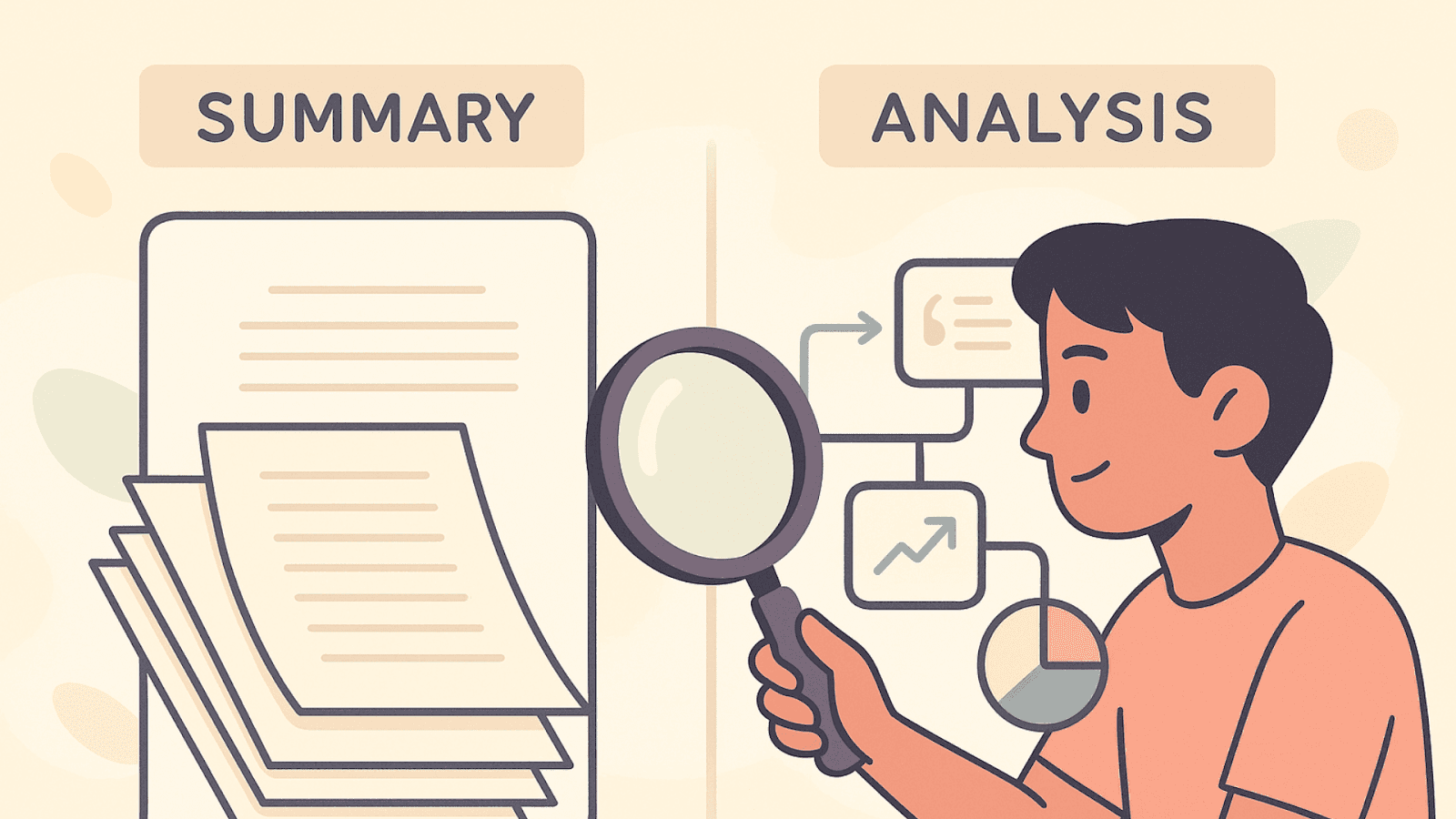
Writing an analytical research paper can feel confusing at first. Many students know how to summarize or share an opinion, but analysis asks for something deeper. You break a topic into parts, look at how they connect, and explain what those patterns reveal. This shift from reporting facts to interpreting them is where many students get stuck.

The good news is that analytical writing follows a clear process. Once you understand each step, you can approach any topic with more confidence. This guide walks you through that process and shows how to build an analysis that feels clear, focused, and supported by strong evidence.

<CTA title="Build a Strong Problem Statement" description="Generate a precise, publication-ready statement in minutes with Jenni AI." buttonLabel="Try Jenni Free" link="https://app.jenni.ai/register" />

What Is an Analytical Research Paper?

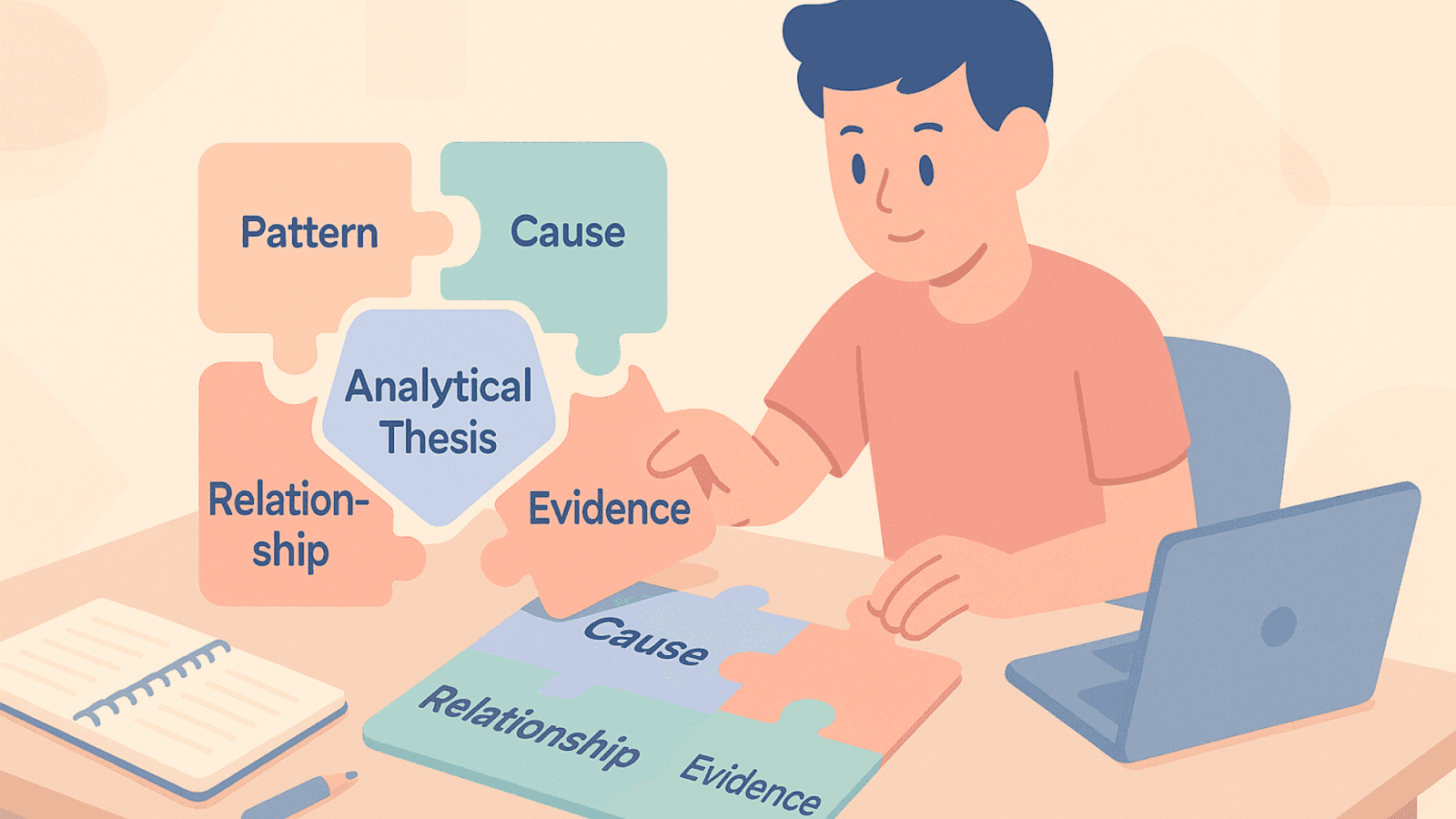
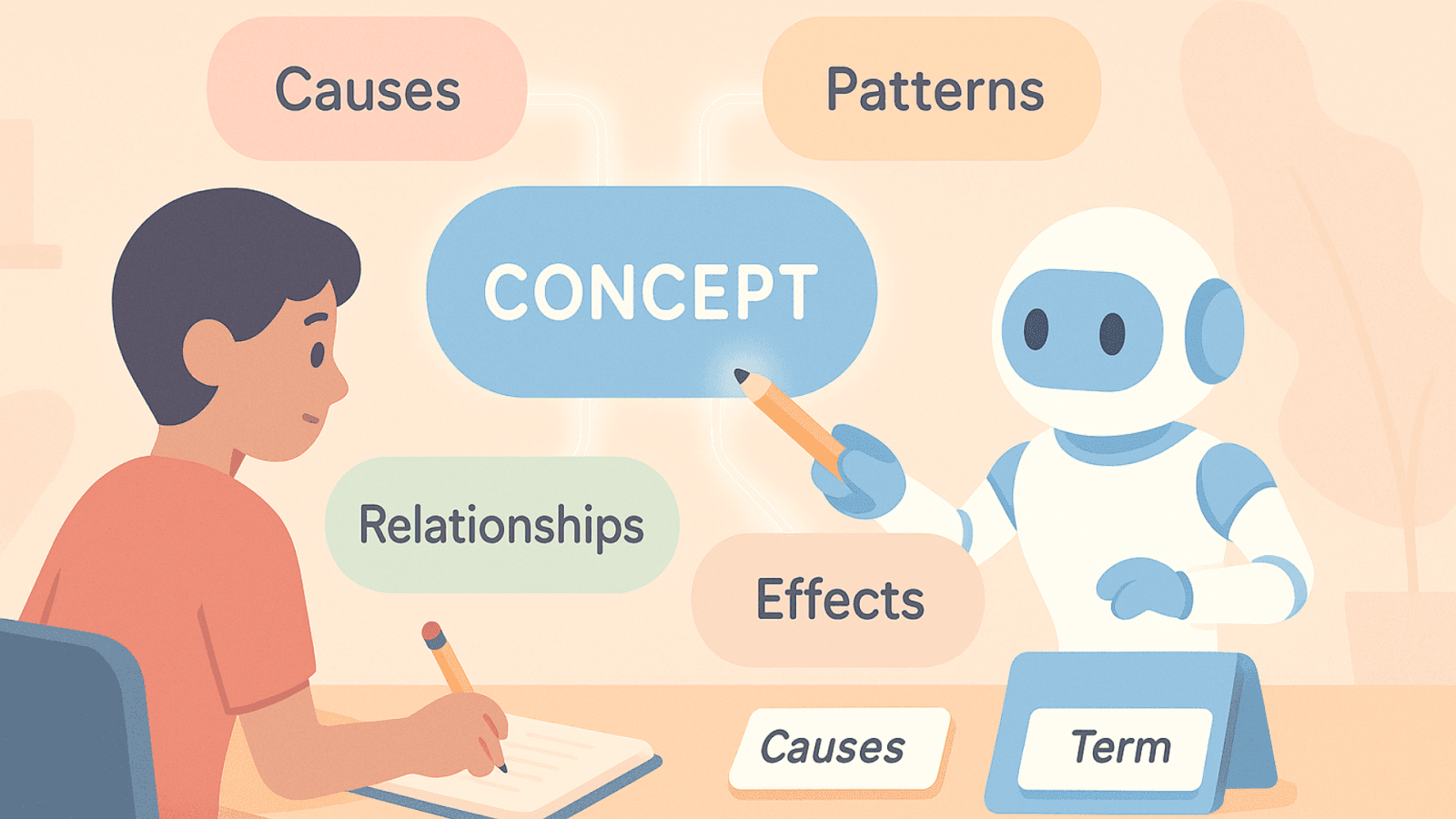
An analytical research paper investigates a topic by examining its elements, exploring relationships, and interpreting evidence. Instead of convincing readers to agree with a position, your goal is to help them understand why something occurs, how it functions, or what patterns exist beneath the surface.

It is helpful to imagine this kind of paper as an investigation. You gather facts, ask questions, compare viewpoints, and then guide readers through your findings. What makes the paper “analytical” is not the topic itself but how you handle it.

What This Type of Paper Requires

You should watch for:

  • A focused research question

  • A thesis that makes an analytical claim

  • A neutral tone free of personal bias

  • Multiple credible sources

  • Interpretation, not summary

  • A logical structure that supports your insights

The purpose is discovery, not persuasion.

<ProTip title="💡 Pro Tip:" description="If your draft sounds like a book report, you are summarizing. Add interpretation to make it analytical." />

Why Analytical Research Papers Matter

Analytical writing helps you develop high-level thinking skills that apply far beyond academic assignments. When you learn to analyze, you learn to break down complex ideas, question assumptions, identify patterns, and explain meaning. All of which employers and educators value.

How do these papers strengthen your thinking:

  1. They build critical reading skills. You learn by sharpening the way you evaluate information, similar to how scientific thinking shapes the way researchers examine evidence.

  2. They sharpen your reasoning. You practice organizing ideas, connecting evidence, and explaining conclusions.

  3. They improve communication. You become better at explaining complicated concepts in simple, digestible language.

  4. They teach objectivity. You rely on evidence, not personal preference or speculation.

These skills are used in journalism, science, policy-making, teaching, business analysis, research, and everyday problem-solving. The ability to analyze is a long-term strength.

Core Structure of an Analytical Research Paper

While topics vary, analytical research papers usually follow the same general pattern. This structure keeps your ideas clear and helps readers follow your reasoning.

Introduction

You introduce the topic, explain why it matters, and end with a thesis statement that outlines your analytical angle.

Literature Review

You summarize what other researchers have discovered. You identify major themes, gaps, or disagreements.

Body Paragraphs

Each paragraph focuses on one subtopic. It begins with a clear point, includes evidence, and adds an interpretation that connects back to your thesis.

Conclusion

You restate your thesis in new words, synthesize key insights, and highlight the significance of your findings.

Reference List

You include a list of sources formatted in APA, MLA, or Chicago.

<ProTip title="Note:" description="Think of structure as a frame. Strong analysis depends on how well the structure supports your ideas." />

Step-by-Step Guide to Writing an Analytical Research Paper

Below is a full breakdown that expands each stage of the analytical writing process.

Step 1: Choose a Strong, Analyzable Topic

The topic determines how easy or difficult your project will be. A good topic must allow investigation, comparison, and interpretation.

What Makes a Topic Analytical?

A good analytical topic:

  • Cannot be answered with a definition

  • Cannot be solved with a simple yes/no

  • Has multiple perspectives

  • Reveals patterns, causes, or consequences

  • Leads to deeper questions

Weak: The history of electric cars

(Too descriptive; you would mostly summarize.)

Strong: How battery shortages shape the pace of electric car adoption in developing economies
(This invites analysis of supply chains, policies, and market conditions.)

How to Narrow a Topic

A common student mistake is choosing a topic that is far too broad. To narrow it, try one of these techniques:

Focus on:

  • One population (teens, teachers, older adults)

  • One outcome (motivation, attention, behavior)

  • One period (pandemic era, early 2000s, post-reform years)

  • One comparison (public vs private, rural vs urban)

  • One cause or effect

Example:

Broad: Climate change
Narrow: How rising temperatures impact crop productivity in small Southeast Asian farms.

<ProTip title="💡 Reminder:" description="A narrow topic leads to deeper insights. A broad topic leads to shallow summary." />

Step 2: Research Widely and Take Organized Notes

Once your topic is set, you begin building the evidence foundation for your paper.

Where to Find High-Quality Sources

Look for sources that contribute real data, expert analysis, or peer-reviewed findings. Good places to start:

  • Google Scholar

  • University library databases

  • Academic journals

  • Reputable think tanks

  • Government reports

  • Major news investigations

Avoid sources that:

  • Provide opinions without evidence

  • Are not transparent about data

  • Have a clear bias without acknowledging limitations

The Art of Note-Taking for Analysis

Effective note-taking goes beyond copying text. The goal is to understand the purpose and meaning behind each piece of evidence.

Try this 4-column system:

Idea

Evidence

Interpretation

Connection to Thesis

Subtopic

Quote or data

What it implies

How it supports argument

This system trains you to interpret as you read, not just collect information. It also aligns with research methodology basics that help you think more systematically while preparing your analytical work.

<ProTip title="Tip:" description="Organize your notes by themes instead of by source. This makes drafting easier." />

Step 3: Write a Clear Analytical Thesis Statement

Your thesis is the backbone of your entire paper. It explains your analytical angle and sets expectations for readers.

What a Strong Thesis Includes

A good analytical thesis:

  • Identifies a pattern, cause, or relationship

  • Breaks the topic into 2–4 analyzable components

  • Avoids personal opinion

  • Is supported by evidence

Example:

The shift toward algorithm-driven news feeds reshapes user perception by amplifying emotional content, narrowing informational diversity, and encouraging rapid consumption habits.

This thesis suggests a clear roadmap for analysis.

Thesis Mistakes Students Commonly Make

You should watch out for:

  • Writing a thesis that describes instead of analyzes

  • Creating a thesis that is too broad

  • Using personal language (“I believe…”)

  • Listing unrelated ideas

  • Forming a claim without evidence available to support it

Top rule: your thesis must answer an analytical question.

Step 4: Create a Detailed Outline

An outline organizes your thoughts and prevents your paper from becoming a collection of unrelated points.

What a Strong Outline Looks Like

I. Introduction

  • Hook

  • Background

  • Thesis

II. Literature Review

  • Shared findings

  • Conflicting viewpoints

  • Missing perspectives

III. Body Paragraphs

A. First main point

  • Evidence

  • Interpretation

B. Second main point

  • Evidence

  • Interpretation

C. Third main point

IV. Conclusion

  • Restated thesis

  • Synthesized insights

  • Broader implications

Why Outlining Helps You Think More Clearly

Without an outline: ideas compete with each other, paragraphs become repetitive, and analysis gets buried under summary.

With an outline: your argument becomes logical, your paragraphs stay focused, and your analysis becomes sharper.

<ProTip title="Pro Tip:" description="Build your outline before drafting. Changing ideas is easier when they are in bullet form, not full paragraphs." />

Step 5: Write Clear and Insightful Body Paragraphs

Body paragraphs carry the bulk of your analysis. Each one must be clear, purposeful, and connected to the thesis.

The PIE Method (Point–Illustration–Explanation)

Point: Introduce your claim for the paragraph.
Illustration: Present evidence or data.
Explanation: Analyze what the evidence means.

Example:

Point: Algorithmic feeds boost emotionally charged content.

Illustration: A 2022 study found that posts with high emotional language receive 2–3 times more visibility.

Explanation: This pattern shapes user perception because emotional content becomes more memorable and more frequently encountered.

How to Add Depth to Your Analysis

Try these strategies:

  • Contrast two sources

  • Highlight patterns across studies

  • Discuss limitations or gaps

  • Connect evidence to larger themes

  • Explain why something matters

Strong analysis does not assume readers understand the meaning; you explain it step by step.

<ProTip title="Note:" description="Use transitions like however, in contrast, or this suggests to make your analysis flow smoothly." />

Step 6: Write a Literature Review That Synthesizes Information

A literature review helps readers understand the research context behind your topic.

How to Synthesize Instead of Summarize

Group your sources by themes, not one-by-one descriptions. For example:

Theme 1: Shared Observations
Most studies agree that students experience reduced motivation in remote learning environments.

Theme 2: Areas of Debate
Researchers disagree on whether this is caused mainly by screen fatigue or lack of peer interaction.

Theme 3: Gaps in Research
Few studies explore how teacher feedback design influences engagement.

This approach shows you understand not just what the research says, but how it fits together.

Why Synthesis Makes Your Paper Stronger

Synthesis demonstrates maturity in thinking. It shows you can:

  • Compare viewpoints

  • Understand complexity

  • Recognize missing information

  • Prepare readers for your own analysis

This creates a smoother transition into your argument.

Step 7: Write an Engaging Introduction and Conclusion

These two sections shape your readers’ first and last impressions.

How to Craft an Effective Introduction

Your introduction should:

  1. Capture interest

  2. Provide background

  3. Present your thesis

Avoid overexplaining or cramming too many ideas. Let the thesis guide the rest.

How to Write a Meaningful Conclusion

A strong conclusion does not restate the introduction. It should:

  • Restate the thesis in fresh words

  • Offer a concise summary of insights

  • Leave readers with a final thought or implication

Think of it as giving closure to your investigation while applying effective writing methodology to ensure your final message is clear and polished. 

Step 8: Revise, Cite, and Proofread

The revision stage shapes your paper into a polished final product.

What to Check During Revision

Ask yourself:

  • Does each paragraph connect to the thesis?

  • Is the analysis stronger than the summary?

  • Do transitions help ideas flow?

  • Are sources cited correctly?

Proofreading for Clarity

Look for:

  • Grammar issues

  • Wordiness

  • Over-complicated sentences

  • Inconsistent formatting

  • Incorrect citations

<ProTip title="Reminder:" description="Read your paper aloud. If a sentence feels awkward to say, it will feel awkward to read." />

Bringing Your Analytical Research Paper Together

Writing an analytical research paper becomes easier once you follow a clear process. With a focused topic, strong evidence, and a solid thesis, you can build analysis that feels organized and meaningful. These steps help you think deeper and communicate with clarity.

<CTA title="Build a Strong Problem Statement" description="Create precise, publication-ready statements in minutes with Jenni AI." buttonLabel="Try Jenni Free" link="https://app.jenni.ai/register" />

Jenni can help you outline, refine, and structure your analytical research paper so you can write with confidence.

目录

今天就开启你的非凡写作之旅

从今天起,用 Jenni 写下你的 第一篇论文,开启全新篇章

免费开始

无需信用卡

随时取消

500万+

遍布全球的学者

5.2小时

每篇论文平均节省

超过1500万篇

在鉴研上完成的论文

今天就开启你的非凡写作之旅

从今天起,用 Jenni 写下你的 第一篇论文,开启全新篇章

免费开始

无需信用卡

随时取消

500万+

遍布全球的学者

5.2小时

每篇论文平均节省

超过1500万篇

在鉴研上完成的论文

今天就开启你的非凡写作之旅

从今天起,用 Jenni 写下你的 第一篇论文,开启全新篇章

免费开始

无需信用卡

随时取消

500万+

遍布全球的学者

5.2小时

每篇论文平均节省

超过1500万篇

在鉴研上完成的论文