Di
Nathan Auyeung
—
Una completa analisi di tutte le parti essenziali di un documento di ricerca

Nathan Auyeung
Senior contabile presso EY
Laureato con una laurea in Contabilità, ha completato un Diploma Post-Laurea in Contabilità
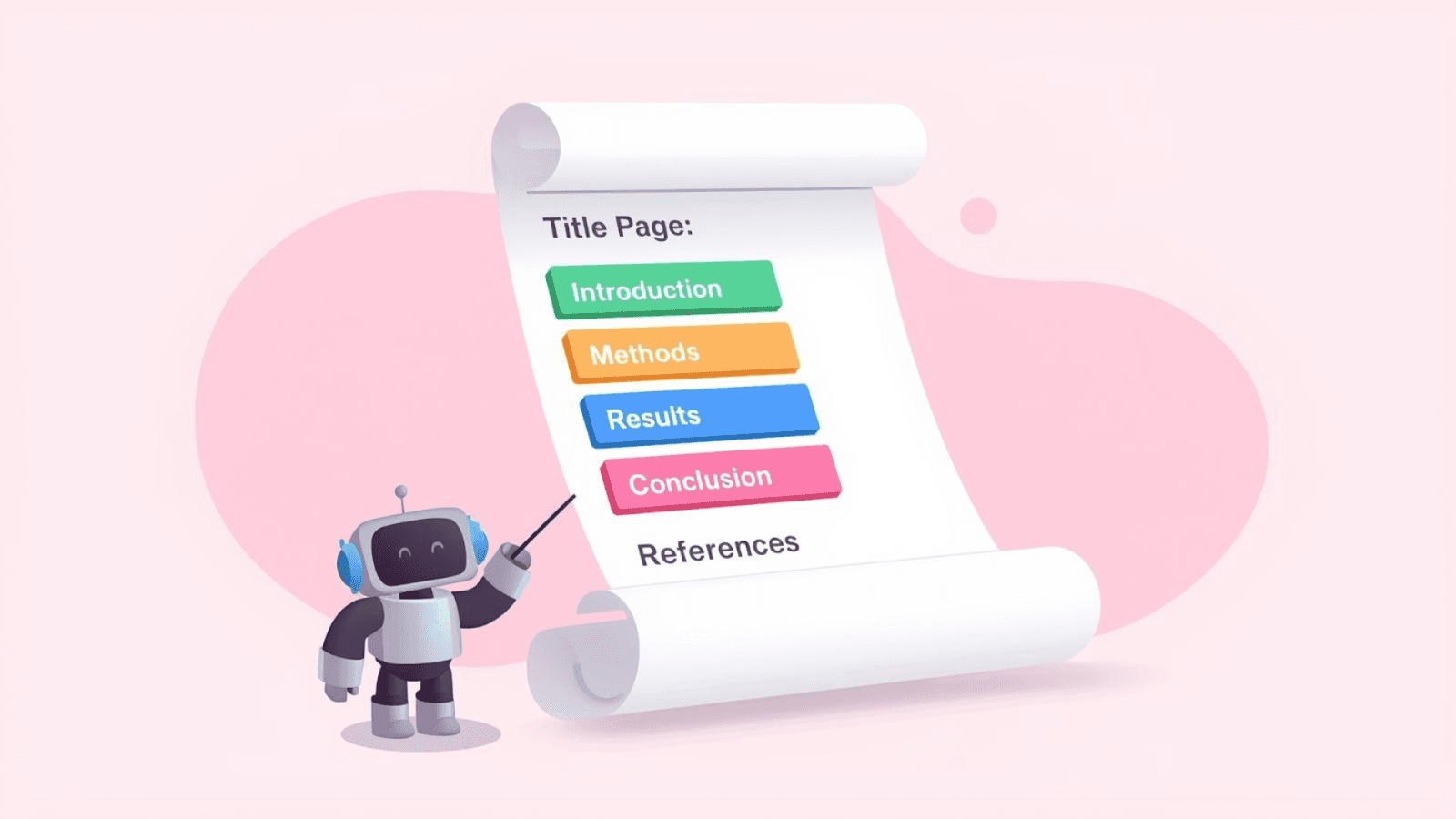
Scrivere un articolo di ricerca può sembrare travolgente quando si osservano per la prima volta tutte le sezioni richieste. Ci sono pagine introduttive, capitoli principali e materiali aggiuntivi che aiutano i lettori a capire cosa hai studiato, come lo hai fatto e perché è importante. Ogni parte ha uno scopo specifico e saltarne una può rendere l’articolo più difficile da seguire.
Questa guida scompone ogni parte di un articolo di ricerca in termini semplici e adatti agli studenti. Imparerai cosa include ciascuna sezione, perché è importante e come scriverla in modo chiaro. Alla fine, comprenderai la struttura completa del tuo elaborato. Per una panoramica più ampia su finalità e struttura oltre agli articoli di ricerca, consulta Comprendere l’articolo accademico: finalità, struttura ed esempi semplici.
<CTA title="Costruisci una solida dichiarazione del problema" description="Genera in pochi minuti una dichiarazione del problema chiara e pronta per la pubblicazione, senza stress" buttonLabel="Prova Jenni gratis" link="https://app.jenni.ai/register" />
Comprendere le parti di un articolo di ricerca
Un articolo di ricerca ben strutturato aiuta i lettori a seguire la tua logica dalla prima idea alla conclusione. La maggior parte delle discipline accademiche utilizza la struttura IMRAD: Introduzione, Metodi, Risultati e Discussione. Ma un articolo di ricerca completo include più di questo. Comprende elementi preliminari, capitoli centrali e materiali supplementari che supportano lo studio.
Ogni parte lavora insieme come i pezzi di un puzzle. Quando è organizzato correttamente, l’articolo diventa facile da leggere e accademicamente solido. Per pianificare l’ordine prima della stesura, un generatore AI di scalette per saggi può aiutarti a delineare una traccia chiara. Le sezioni seguenti mostrano come funziona ogni parte, e cosa dovresti includere quando scrivi il tuo articolo di ricerca.
Pagina del titolo
La pagina del titolo introduce le informazioni di base sul tuo elaborato. Anche se sembra semplice, deve seguire lo stile di formattazione richiesto, come APA, MLA o Chicago.
Cosa include la pagina del titolo
Una pagina del titolo completa contiene:
Titolo dell’articolo
Nome dell’autore
Affiliazione istituzionale
Nome e codice del corso
Nome del docente
Data di consegna
Intestazione corrente (se richiesta in APA)
Numero di pagina
Il titolo dovrebbe essere specifico, breve e chiaro. Deve indicare ai lettori di cosa tratta lo studio senza aggiungere parole superflue.
Cosa rende forte un titolo
Un titolo efficace usa parole chiave che riflettono l’argomento e il focus della ricerca. Ad esempio:
Impatto dei programmi di studio quotidiani sul rendimento accademico tra gli studenti del decimo anno
Questo titolo mostra l’argomento, il gruppo di riferimento e la variabile specifica oggetto di analisi.
<ProTip title="💡 Consiglio Pro:" description="Mantieni il titolo sotto le 15 parole, così i lettori colgono subito il tema" />
Abstract
L’abstract è un breve riassunto dell’intero articolo di ricerca. Molte riviste limitano gli abstract a 150–250 parole, quindi ogni frase deve essere significativa.
Cosa dovrebbe includere l’abstract
Un abstract chiaro copre:
Il problema di ricerca
Lo scopo dello studio
I metodi
I risultati principali
La conclusione o le implicazioni
L’abstract dovrebbe apparire come un’istantanea dell’articolo. I lettori lo usano per decidere se il testo completo è utile per loro.
Scrivere un abstract chiaro
Evita spiegazioni lunghe, citazioni o contesto troppo dettagliato. Usa frasi semplici e mantieni un tono fattuale. Considera l’abstract come l’ultima parte da scrivere, perché è più facile riassumere l’articolo quando tutto il resto è completo.
Parole chiave
Dopo l’abstract, elenca 3–6 parole chiave. Queste aiutano i database accademici a organizzare e categorizzare il tuo articolo.
<ProTip title="💡 Consiglio Pro:" description="Scrivi l’abstract per ultimo per rappresentare il tuo studio con accuratezza" />
Introduzione
L’introduzione imposta il contesto del tuo articolo di ricerca. Spiega il background, introduce il problema e mostra perché il tuo studio è rilevante.
Cosa dovrebbe fare l’introduzione
Ogni buona introduzione:
Fornisce informazioni di contesto
Spiega il problema o il gap di ricerca
Mostra perché questo problema è importante
Si conclude con una tesi, una domanda di ricerca o un obiettivo
L’introduzione segue spesso una struttura a imbuto. Inizia con il tema generale, poi restringi gradualmente fino ad arrivare al tuo obiettivo specifico di ricerca.
Esempio di approccio a imbuto
Se stai scrivendo sull’inquinamento ambientale, potresti iniziare con statistiche globali, poi concentrarti su dati nazionali, e infine restringere il focus alla città o al gruppo scelto. Alla fine, dichiari il problema specifico che il tuo studio intende risolvere.
Perché l’introduzione è importante
Un’introduzione solida costruisce fiducia nel lettore. Mostra che il tuo studio è fondato su problemi reali e non solo su interesse personale. Inoltre offre una transizione fluida verso la revisione della letteratura, dove presenti le ricerche di supporto.
Revisione della letteratura
La revisione della letteratura riassume ciò che altri ricercatori hanno scoperto. Questa sezione costruisce le basi del tuo studio mostrando ciò che è già noto e ciò che deve ancora essere esplorato.
Scopo della revisione della letteratura
La revisione della letteratura ti aiuta a:
Costruire il contesto
Riassumere studi precedenti
Identificare tendenze
Evidenziare domande senza risposta
Mostrare dove si colloca il tuo studio
Questa sezione svolge un ruolo chiave nella scrittura di un articolo di ricerca, soprattutto quando spieghi come il tuo studio si collega ai risultati altrui.
Come organizzare la revisione della letteratura
Esistono due strutture popolari:
1. Approccio tematico
Raggruppa gli studi per temi o idee. Ad esempio:
Tecnologia nell’istruzione
Motivazione degli studenti
Risultati di apprendimento
Questo approccio aiuta a creare un flusso logico di idee.
2. Approccio cronologico
Presenta gli studi in ordine di anno di pubblicazione. Questo aiuta a mostrare come si è evoluta la ricerca sull’argomento.
Cosa rende forte una revisione
Una revisione forte fa più che riassumere. Confronta i risultati, analizza i metodi e collega le idee tra le fonti. Questo dimostra pensiero critico anziché una semplice elencazione. Se hai bisogno di supporto per organizzare le fonti e redigere una sintesi, il Generatore AI per revisione della letteratura e RRL può aiutarti a costruire la struttura della sezione.
<ProTip title="💡 Consiglio Pro:" description="Usa almeno due temi per organizzare la revisione della letteratura e ottenere un flusso più scorrevole" />
Metodi
La sezione dei metodi è quella in cui spieghi come è stato condotto lo studio. Questo aiuta altri ricercatori a replicare lo studio e a valutare la validità del tuo lavoro.
Parti chiave della sezione metodi
Il capitolo dei metodi include tipicamente:
Disegno di ricerca
Partecipanti o campione
Materiali e strumenti
Procedure di raccolta dei dati
Processo di analisi dei dati
Considerazioni etiche
Ogni sottosezione deve essere scritta al passato perché lo studio è già avvenuto.
Esempio pratico di metodi
Se hai condotto un sondaggio:
Spiega come sono stati scelti i partecipanti
Descrivi il design del questionario
Indica come sono state raccolte le risposte
Elenca gli strumenti usati per l’analisi
Questo livello di dettaglio rafforza trasparenza e fiducia.
Risultati
La sezione dei risultati presenta gli esiti del tuo studio in modo chiaro e oggettivo. Non include analisi o interpretazione.
Come presentare i risultati
Usa:
Tabelle
Grafici
Figure
Statistiche riassuntive
Questi elementi aiutano i lettori a comprendere rapidamente i dati.
Regole per scrivere i risultati
Fai attenzione a:
Non spiegare perché qualcosa è successo
Non aggiungere opinioni
Riportare solo ciò che lo studio ha rilevato
Ad esempio, se il tuo studio ha misurato le prestazioni degli studenti, questa sezione può mostrare i punteggi medi e le differenze tra gruppi.
<ProTip title="💡 Consiglio Pro:" description="Usa tabelle per i numeri dettagliati e grafici per le tendenze, così i risultati restano facili da leggere" />
Discussione
La sezione di discussione spiega il significato dei risultati. Qui colleghi tutto all’introduzione e alla revisione della letteratura.
Cosa dovrebbe includere la discussione
Una discussione chiara copre:
Cosa significano i risultati
Come si confrontano con studi precedenti
Perché alcuni risultati erano attesi o inattesi
I limiti dello studio
Le implicazioni pratiche
Raccomandazioni per ricerche future
Questa sezione dà profondità alla ricerca e mostra la tua comprensione dei risultati.
Esempio di punto di discussione
Se i metodi di studio collaborativo hanno mostrato prestazioni più elevate, potresti esplorare come l’interazione tra pari aumenti comprensione o motivazione.
Perché i limiti sono importanti
Ogni ricerca ha dei limiti. Menzionarli dimostra onestà e rafforza la tua credibilità. Esempi di limiti includono campioni ridotti, tempo limitato o gruppi di focus ristretti.
Conclusione
La conclusione riunisce l’intero articolo. Dovrebbe essere breve, chiara e focalizzata sui messaggi chiave del tuo studio.
Cosa include una buona conclusione
Una conclusione dovrebbe:
Riassumere i risultati principali
Riaffermare la rilevanza dello studio
Suggerire passi futuri o applicazioni
Non dovrebbe ripetere interi paragrafi né introdurre nuove analisi.
Esempio semplice
“I risultati di questo studio mostrano una connessione positiva tra programmi di studio e rendimento accademico. Le scuole possono usare questa evidenza per aiutare gli studenti a pianificare routine di apprendimento più strutturate.”
<ProTip title="💡 Consiglio Pro:" description="Mantieni la conclusione breve, così i lettori ricordano chiaramente il messaggio finale" />
Riferimenti
L’elenco dei riferimenti include tutte le fonti citate nel tuo articolo di ricerca. Ogni voce deve seguire correttamente la guida di stile.
Stili popolari
Lo stile, come:
APA
MLA
Chicago
Docenti o riviste ti indicheranno quale stile utilizzare.
Strumenti che aiutano gli studenti
Molti studenti usano:
Mendeley
Zotero
EndNote
Questi strumenti aiutano a formattare automaticamente le citazioni e a gestire facilmente le fonti.
Appendici
Le appendici includono materiali extra che supportano la ricerca ma sono troppo lunghi per il testo principale.
Elementi comuni nelle appendici
Possono includere:
Domande del sondaggio
Trascrizioni di interviste
Dati grezzi
Grafici o tabelle aggiuntivi
Etichetta chiaramente ogni appendice e menzionala nel testo principale, così i lettori sapranno quando consultarla.
Comprendere la struttura IMRAD

La struttura IMRAD è la spina dorsale di molti articoli di ricerca. Organizza il testo secondo il processo scientifico.
Cosa significa IMRAD
Introduzione
Metodi
Risultati
Discussione
Questo ordine aiuta i lettori a seguire la storia della ricerca dall’inizio alla fine. Una solida struttura dell’articolo rende le tue idee più facili da seguire e migliora la chiarezza.
Perché IMRAD è popolare
IMRAD è ampiamente usata perché:
È chiara e organizzata
Rispecchia il processo di ricerca
Sostiene la trasparenza
Migliora la leggibilità
Molte riviste peer-reviewed preferiscono questa struttura perché aiuta a standardizzare la scrittura scientifica.
Elementi extra che rafforzano un articolo di ricerca
Oltre alle sezioni richieste, alcuni elementi aggiuntivi aiutano a migliorare la qualità complessiva del tuo elaborato.
Considerazioni etiche
Se il tuo studio coinvolge persone, potresti aver bisogno di:
Consenso informato
Dichiarazioni di riservatezza
Approvazione IRB
Questi elementi dimostrano una pratica di ricerca responsabile ed etica.
Supporti visivi
Grafici e tabelle rendono i dati più facili da comprendere. Ogni elemento visivo dovrebbe:
Avere un’etichetta
Avere un titolo
Essere richiamato nel testo
I supporti visivi rendono più accessibili anche i risultati complessi.
Flusso logico
Un articolo di ricerca ben scritto deve essere facile da seguire. Usa frasi di transizione come:
“Inoltre”
“Tuttavia”
“Sulla base di questi risultati”
Queste guidano i lettori attraverso le tue idee in modo fluido.
Checklist per studenti

Prima di consegnare l’elaborato, usa questa checklist per assicurarti che tutte le parti siano complete.
Checklist dell’articolo di ricerca
La pagina del titolo è formattata correttamente
L’abstract riassume l’intero studio
L’introduzione include contesto, gap e scopo
La revisione della letteratura mostra temi e analisi
I metodi includono dettagli sufficienti per la replica
I risultati presentano chiaramente gli esiti
La discussione spiega significato e limiti
La conclusione è breve e incisiva
I riferimenti seguono lo stile corretto
Le appendici sono etichettate e collegate
<ProTip title="💡 Consiglio Pro:" description="Leggi il tuo elaborato ad alta voce per individuare rapidamente frasi poco chiare" />
Perché è importante comprendere ogni parte
Ogni parte di un articolo di ricerca svolge una funzione. La struttura aiuta i lettori a capire la tua logica, osservare i tuoi metodi e fidarsi dei tuoi risultati. Quando ogni sezione è scritta con chiarezza, l’articolo diventa più solido e convincente.
Comprendere queste sezioni rende anche la scrittura più semplice. Invece di indovinare dove collocare le idee, inserisci ogni parte nella posizione corretta. Questo riduce la confusione e aiuta il tuo elaborato a rispettare gli standard accademici.
Comprendere le parti di un articolo di ricerca
Conoscere le parti di un articolo di ricerca ti aiuta a costruire uno studio organizzato, leggibile e accademicamente rigoroso. Questa guida completa ha mostrato come funziona ogni sezione, perché è importante e come tutte si collegano per formare una narrazione di ricerca chiara dall’inizio alla fine.
<CTA title="Scrivi sezioni di ricerca solide" description="Usa Jenni per creare testi di ricerca chiari e accurati che rispettano gli standard accademici" buttonLabel="Prova Jenni gratis" link="https://app.jenni.ai/register" />
Usare Jenni può rendere ogni parte più facile da pianificare e scrivere. Ti aiuta a strutturare le sezioni, migliorare la chiarezza e mantenere il tuo elaborato ben organizzato dalla prima bozza alla consegna finale.