Di
Justin Wong
—
Come redigere una relazione di revisione paritaria: una guida dettagliata con esempi pratici per un'analisi accademica costruttiva

Justin Wong
Capo della Crescita
Laureato con una Laurea in Business Globale e Arti Digitali, Minore in Imprenditorialità

Ricevere un invito a partecipare alla revisione paritaria (peer review) rappresenta un vero e proprio segno di stima. Significa che un collega del vostro settore scientifico confida nel vostro giudizio. Tuttavia, il compito di redigere concretamente la recensione può rivelarsi una sfida complessa. Molti revisori, in particolare i ricercatori all'inizio della propria carriera, si trovano ad affrontare questo compito senza aver mai ricevuto una formazione formale in materia.
Questa guida vi accompagnerà passo dopo passo nella stesura di un rapporto di revisione paritaria: analizzeremo quali sezioni includere, come formulare i vostri commenti e cosa si attendano realmente i redattori scientifici. In conclusione, troverete una sezione dedicata a Jenni, uno strumento utile per strutturare metodicamente il vostro approccio analitico prima di procedere alla scrittura.
<CTA title="Revisioni più intelligenti, ottimizzando i tempi" description="Utilizzate Jenni per analizzare rigorosamente le tesi e le citazioni dei manoscritti prima di redigere la vostra revisione. Individuate in metà tempo gli elementi che potrebbero sfuggire a una prima lettura." buttonLabel="Prova Jenni Gratuitamente" link="https://app.jenni.ai/register" />
Cosa include un rapporto di revisione paritaria?
Ogni rapporto di peer review segue una struttura fondamentale comune, sia che la rivista richieda la compilazione di un modulo predefinito, sia che preferisca commenti a testo libero. Questo formato si mantiene costante per le principali tipologie di revisione (singolo cieco, doppio cieco e open review) e si articola in quattro componenti standard trasversali a ogni disciplina:
Sintesi: Una concisa panoramica, espressa con parole proprie, della tesi principale dell'articolo, della metodologia applicata e dei risultati conseguiti.
Osservazioni principali (Major Comments): Criticità sostanziali che potrebbero inficiare la validità scientifica, la coerenza logica o l'idoneità alla pubblicazione del manoscritto.
Osservazioni secondarie (Minor Comments): Aspetti di minore entità, quali formulazioni linguistiche poco chiare, refusi di formattazione o riferimenti bibliografici mancanti.
Raccomandazione: Il vostro verdetto accademico complessivo, che può tradursi in: accettazione, revisione minore, revisione maggiore o rifiuto.
<ProTip title="📌 Nota:" description="La maggior parte delle riviste fornisce un modulo di revisione con campi predefiniti. Ciononostante, i redattori esaminano con estrema attenzione i commenti a testo libero. Il modulo rappresenta una guida strutturale, non un limite alle vostre osservazioni." />
Come redigere un rapporto di revisione paritaria, passo dopo passo

I passaggi illustrati di seguito sono applicabili alla valutazione di qualsiasi manoscritto scientifico, indipendentemente dalla disciplina o dalla rivista di riferimento. Seguirli con metodo vi consentirà di elaborare un rapporto completo e autorevole.
Fase 1 — Effettuare una prima lettura esplorativa senza prendere appunti
Evitate l'impulso di inserire annotazioni durante la prima lettura del testo. Dedicatevi invece a scorrere il manoscritto dall'inizio alla fine per trarne un'impressione d'insieme.
Ponetevi questa domanda fondamentale: “Questo studio offre un contributo scientifico significativo e la sua argomentazione principale risulta coerente?”
Qualsiasi altro dettaglio di natura tecnica o formale verrà analizzato successivamente.
Fase 2 — Redigere il paragrafo di sintesi
Il vostro riassunto iniziale dimostra all'editor che avete compreso appieno la portata dello studio. Esso non deve limitarsi a essere una mera riformulazione dell'abstract, bensì deve costituire la vostra interpretazione critica di ciò che il saggio sostiene e della reale adeguatezza della metodologia rispetto alle conclusioni presentate.
"Questo studio esamina la correlazione tra la privazione del sonno e la memoria di lavoro in un campione di studenti universitari, avvalendosi di un disegno sperimentale entro i soggetti (within-subjects). Gli autori sostengono che anche una moderata restrizione del sonno provochi deficit misurabili, assimilabili alla perdita totale del sonno. Sebbene la metodologia appaia solida, le conclusioni formulate sembrano eccedere quanto effettivamente supportato dall'ampiezza del campione analizzato."
Fase 3 — Delineare le osservazioni principali (Major Concerns)
Le criticità principali riguardano tutti quegli elementi che compromettono la validità, la logica o il valore scientifico dello studio. È essenziale essere estremamente specifici; osservazioni generiche non offrono un aiuto concreto agli autori né ai redattori, mentre i redattori scientifici si affidano a commenti puntuali e operativi per assumere decisioni editoriali ponderate e sicure.
Ecco alcuni esempi di osservazioni principali formulate in modo accademico ed efficace:
"L'ampiezza del campione (n=12) risulta insufficiente a giustificare le generalizzazioni sull'intera popolazione formulate nelle conclusioni."
"La condizione di controllo non viene descritta con un livello di dettaglio adeguato a valutare se le variabili di confondimento siano state opportunamente controllate."
"La rassegna della letteratura non include diversi studi chiave pubblicati tra il 2019 e il 2022 che contrastano direttamente l'ipotesi centrale sollevata dagli autori."
<ProTip title="💡 Suggerimento:" description="Numerate le vostre osservazioni principali e fate riferimento ai numeri di riga del manoscritto. Questo accorgimento permette agli autori di individuare immediatamente i punti indicati e di rispondere in modo sistematico." />
Fase 4 — Elencare le criticità secondarie (Minor Issues)
Le osservazioni minori non inficiano il valore scientifico centrale del lavoro, ma rappresentano comunque miglioramenti necessari prima della pubblicazione definitiva.
Tra gli esempi più frequenti vi sono:
Errori ortografici, refusi o imperfezioni grammaticali
Incoerenze terminologiche tra le diverse sezioni del testo
Riferimenti bibliografici non formattati correttamente o incompleti
Figure o tabelle prive di didascalie chiare e autoesplicative
Frasi strutturate in modo sintatticamente corretto ma di difficile comprensione
Fase 5 — Formulare la propria raccomandazione accademica
La valutazione finale deve essere la conseguenza logica delle osservazioni precedentemente espresse. Qualora abbiate riscontrato gravi carenze metodologiche, la raccomandazione dovrà riflettere tale criticità; viceversa, se i problemi evidenziati sono lievi e facilmente risolvibili, una proposta di revisione minore sarà la scelta più opportuna. Potete fare riferimento alla seguente tabella orientativa:
Raccomandazione | Criteri di Applicazione |
Accettazione (Accept) | Il manoscritto è pronto per la pubblicazione così com'è o richiede modifiche del tutto marginali |
Revisione Minore (Minor Revision) | Presenza di criticità circoscritte e risolvibili che non richiedono nuovi dati o analisi supplementari |
Revisione Maggiore (Major Revision) | Problemi strutturali significativi, risolvibili ma che richiedono un importante lavoro di integrazione |
Rifiuto (Reject) | Errori concettuali o metodologici insuperabili nel corso di un normale ciclo di revisione |
<ProTip title="📝 Nota:" description="Quando raccomandate una revisione maggiore, offrite agli autori una chiara traiettoria di miglioramento. Chiedere una revisione sostanziale senza chiarire quali requisiti determinerebbero il superamento dei limiti riscontrati è controproducente per gli autori e per i redattori stessi." />
Stile linguistico e tono nella peer review

Il modo in cui si esprimono i commenti riveste la medesima importanza del contenuto stesso delle criticità sollevate. I revisori che utilizzano un linguaggio preciso, rigoroso e costruttivo acquisiscono maggiore autorevolezza agli occhi degli editor e offrono un contributo concretamente utile agli autori.
Formulazioni consigliate:
"L'analisi presentata nella Sezione 3 trarrebbe beneficio da..."
"Si consiglia agli autori di valutare se..."
"Questa specifica argomentazione necessiterebbe di un riferimento bibliografico o di un supporto empirico"
Formulazioni da evitare:
"Questo articolo è scritto male e dovrebbe essere respinto" (giudizio generico, eccessivamente aspro e privo di indicazioni operative)
"Ho apprezzato molto questo lavoro, un contributo eccezionale sotto ogni punto di vista" (mancanza di elementi analitici utili all'editor per la decisione finale)
"Gli autori dimostrano chiaramente di non possedere adeguate competenze in questa disciplina" (approccio non professionale e privo di utilità costruttiva)
La letteratura scientifica dimostra come la critica costruttiva rappresenti lo standard professionale imprescindibile, anche in caso di rifiuto. Il compito del revisore non si esaurisce nell'esprimere un verdetto, ma include la responsabilità di aiutare i colleghi a comprendere come elevare la qualità scientifica del proprio lavoro.
Come ottimizzare la revisione paritaria con il supporto etico di Jenni
Prima di procedere alla stesura del vostro rapporto, l'intelligenza artificiale di Jenni può supportarvi nell'analisi critica delle tesi e delle citazioni del manoscritto, offrendovi un punto di partenza strutturato ed evitando lo scoglio della pagina bianca.
Fase 1: Caricare il PDF del manoscritto nella libreria di Jenni
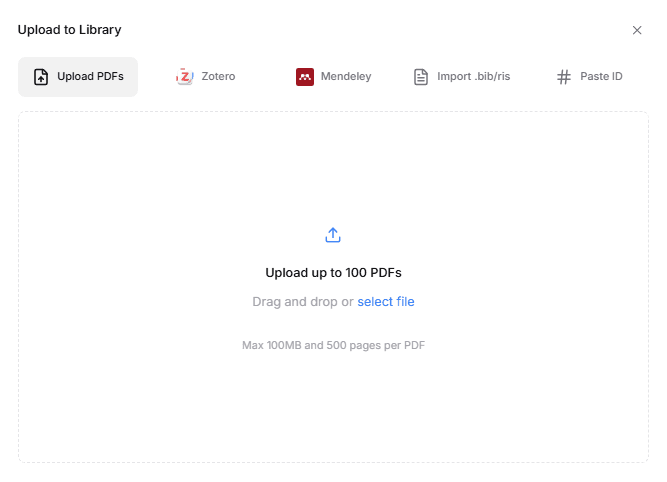
È sufficiente trascinare il documento nella libreria di Jenni. Il testo rimarrà accessibile per l'intera durata della valutazione e potrà essere interrogato direttamente tramite la chat interattiva.
Fase 2: Utilizzare la chat di Jenni per individuare tesi prive di supporto empirico
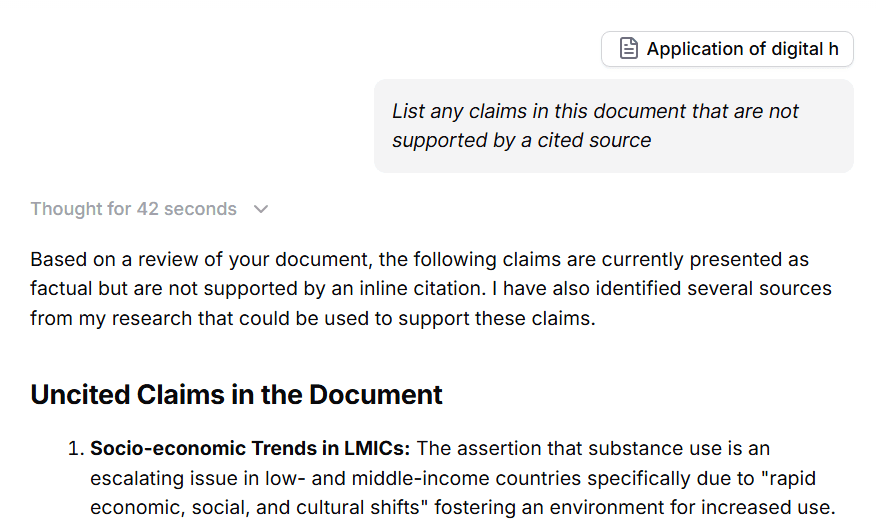
Attivate il pannello di chat e chiedete a Jenni di effettuare un'analisi preliminare del testo. Un ottimo prompt iniziale è:
"Identifica e lenca le affermazioni contenute in questo documento che non risultano supportate da una fonte bibliografica citata"
Questo processo consente di mappare rapidamente eventuali lacune bibliografiche, permettendovi di concentrare la vostra attenzione critica sulle aree più sensibili prima ancora di scrivere una sola riga.
Fase 3: Avviare la funzione 'Reviews' di Jenni per un'analisi globale del documento
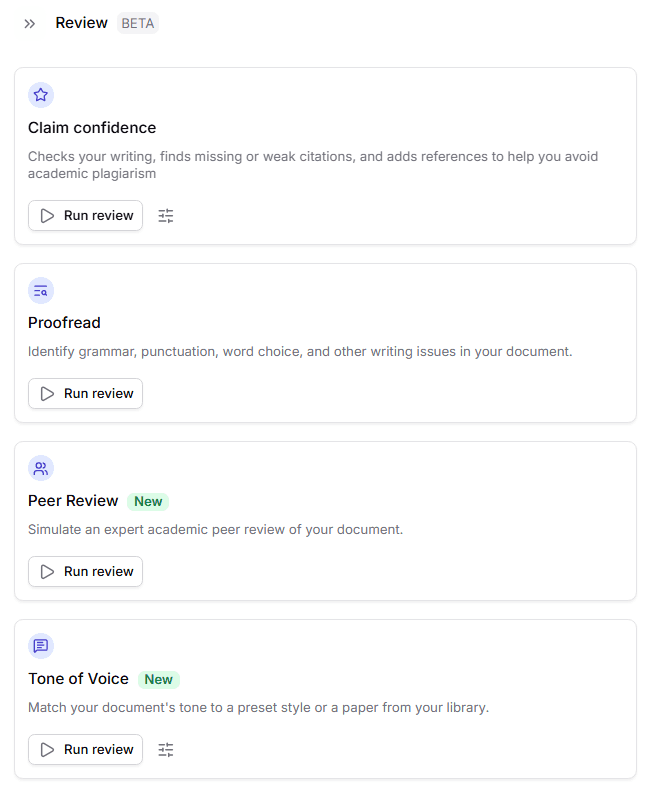
La funzionalità di revisione di Jenni rileva in modo sistematico le criticità riconducibili a sei categorie di problemi metodologici e strutturali comunemente riscontrati nei manoscritti, restituendo annotazioni puntuali da esaminare.
Potete approfondire il funzionamento di Jenni Reviews e comprendere cosa analizzi ciascuna categoria di classificazione.
Fase 4: Valorizzare i risultati come base per la vostra analisi esperta La responsabilità decisionale e la competenza scientifica rimangono esclusivamente vostre. Jenni agisce come un prezioso assistente per evidenziare ciò che potrebbe sfuggire a una prima lettura, consentendovi di avviare la stesura del vostro rapporto partendo da una base informativa solida e scientificamente fondata.
<ProTip title="💡 Suggerimento:" description="L'uso dell'intelligenza artificiale non sostituisce in alcun modo l'indispensabile giudizio di un esperto umano. Jenni funge da eccellente filtro preliminare per segnalare incoerenze citazionali, consentendovi di dedicare il vostro tempo prezioso alla valutazione rigorosa dei contenuti scientifici e metodologici." />
Domande Frequenti (FAQ)
Qual è la lunghezza raccomandata per un rapporto di peer review?
La maggior parte delle recensioni scientifiche è compresa tra le 400 e le 1.000 parole, a seconda della complessità del lavoro e delle specifiche della testata editoriale. Non esiste uno standard quantitativo assoluto, ma l'ampiezza dell'analisi deve essere adeguata a sviscerare in modo chiaro ogni problematica di rilievo. Un contributo mirato e rigoroso di 600 parole è decisamente più utile per un redattore rispetto a un commento generico di 1.500 parole.
Quali elementi devono figurare nella sintesi iniziale di una recensione?
La sintesi deve riepilogare concisamente i punti chiave, la metodologia e i risultati principali del manoscritto utilizzando un linguaggio proprio, evitando riproduzioni pedisseque dell'abstract. Tale sezione attesta che il revisore ha compreso a fondo il valore dello studio. Si consiglia una lunghezza compresa tra le tre e le cinque frasi.
Come affrontare la stesura della prima peer review?
Iniziate con una lettura completa del testo senza prendere appunti per coglierne l'essenza complessiva. Successivamente, elaborate una breve sintesi scritta ed elencate in modo ordinato le osservazioni principali e quelle secondarie. Riservate la stesura del giudizio conclusivo alla fine del processo, garantendo così la massima coerenza argomentativa.
In quale modo si esprime una critica costruttiva in ambito accademico?
È fondamentale focalizzare l'attenzione critica esclusivamente sul lavoro scientifico e mai sugli autori del medesimo. È preferibile utilizzare locuzioni impersonali o propositive quali "l'analisi presentata trarrebbe beneficio da..." o "gli autori potrebbero considerare di...". Evitate formulazioni sbrigative o soggettive, poiché i commenti precisi e operativi supportano gli autori ed elevano il rigore metodologico della disciplina.
Si può ricorrere all'uso dell'IA per redigere una peer review?
Gli strumenti di intelligenza artificiale offrono un eccellente supporto analitico preliminare per l'esame sistematico di un testo, ad esempio per la verifica critica delle fonti bibliografiche citate. Tuttavia, presentare un testo integralmente elaborato da un'IA spacciandolo per la propria valutazione di esperti costituisce una violazione dei codici etici editoriali. L'IA va intesa come un prezioso ausilio per la fase preparatoria e non come un sostituto del pensiero critico dell'accademico. Si raccomanda inoltre di verificare le specifiche policy della rivista sulla trasparenza di tali strumenti.
Una buona revisione è un contributo concreto al progresso scientifico
La peer review non va intesa come una barriera dogmatica, bensì come un proficuo processo di collaborazione accademica. Una solida revisione non solo orienta virtuosamente le decisioni degli editor, ma favorisce l'innalzamento degli standard della comunità scientifica stessa. I colleghi di cui state valutando la ricerca confidano sulla vostra correttezza, sul rigore metodologico e sulla natura costruttiva delle vostre osservazioni.
<CTA title="Analizzate un manoscritto prima di sottoporlo a revisione" description="Caricate i vostri file su Jenni e verificate rapidamente, grazie alla funzione Reviews, la solidità delle citazioni e delle tesi prima ancora di redigere i vostri commenti." buttonLabel="Prova Jenni Gratuitamente" link="https://app.jenni.ai/register" />
Alla prossima occasione in cui vi troverete dinanzi a un modulo di revisione vuoto, cominciate definendo la sintesi del lavoro; la strutturazione logica del vostro rapporto ne deriverà in modo naturale. E qualora desideriate approfondire la fase successiva alla ricezione dei commenti dei revisori, potete consultare la nostra guida dettagliata su come rispondere efficacemente ai feedback della peer review.