Dwara
Justin Wong
—
Data collection kya hai?

Justin Wong
Vikas Prabhari
Graduated kiya Bachelor's me Global Business & Digital Arts, Minor me Entrepreneurship
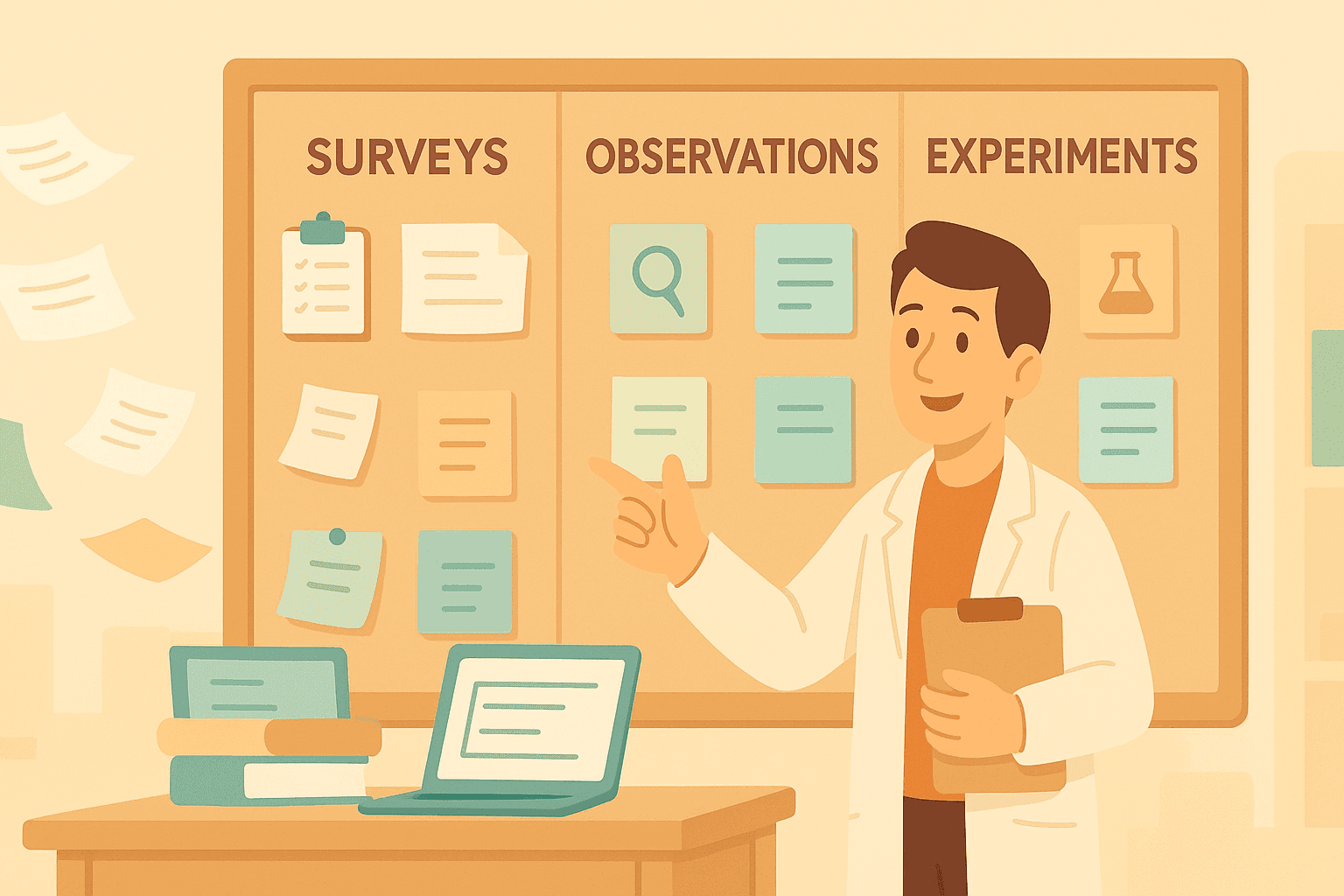
Messy spreadsheets, missing fields, aur duplicate entries kisi bhi project ko jaldi kharab kar sakte hain. Ye ek data collection problem hai.
Ye guide samjhati hai ki data collection kya hai, primary vs. secondary sources ka use kab karna hai, main methods kya hain, aur ek simple setup checklist kya hai. Aap kisi bhi project ke liye clean aur reliable data gather karne ka ek clear plan lekar jayenge.
<CTA title="Build a Solid Data Collection Plan" description="Create accurate, well-structured research plans with tools that help you stay organized from the start." buttonLabel="Try Jenni Free" link="https://app.jenni.ai/register" />
Research me Data Collection ki Importance
Strong data collection aapke work ko validity, reproducibility, aur clear decisions deti hai. Jab aap record karte hain ki aapne kab, kaise aur kya data gather kiya, toh dusre aapki study ko repeat kar sakte hain aur outcome par trust kar sakte hain. Clean, consistent inputs noise ke bajaj real patterns ko show karte hain.
Mini-example: Ek school attendance ko daily track karta hai, na ki "jab convenience ho तब". Consistent record midweek dip ko show karta hai, isliye leaders schedule change ko test karte hain aur confidence ke sath iske effect ko measure karte hain.
<ProTip title="💡 Pro Tip:" description="Choose data collection methods that match your research goals to avoid unnecessary complexity." />
Galtiyan Jo Results ko Kharab Karti Hain
Vague sampling jo key groups ko overlook karti hai.
Inconsistent instruments ya procedures jo sites ya time ke sath change hote hain.
Weak documentation jo checks ya replication ko impossible banati hai.
Data ke Types
Right data type ko choose karna aapki study ko focused aur credible rakhta hai. Most projects niche diye gaye options me se kuch ko blend karte hain — agar aap ye decide kar rahe hain ki aapke research question ke liye kaun sa approach fit baithta hai, toh hamara qualitative vs quantitative guide dekhein.
Primary Data
Wo information jo aap khud ek specific question ke liye collect karte hain. Aap relevance aur quality ko control karte hain.
Ye kaise gather kiya jata hai: surveys, experiments, observations
Inke liye best hai: current, tailored insights
Inka dhyan rakhein: time aur cost
Secondary Data
Pehle se existing information jo journals, datasets, reports, ya archives se milti hai. Fast aur affordable, lekin iska alignment vary kar sakta hai. Clear definitions aur practical examples ke liye, hamara secondary sources explained guide dekhein. Agar aap secondary research ke liye ek source library build kar rahe hain, toh hamara Zotero and Mendeley integration aapko citations aur PDFs ko organized rakhne me help kar sakta hai. Synthesis workflows ke liye, hamara AI literature review & RRL generator dekhein. Fit aur quality ko kaise judge karein, ye sikhne ke liye hamari guide research methodology fundamentals ko dekhein.
Mini-example: Regions ke beech exercise trends ko study karne ke liye ek national health dataset ka use karna.
Quantitative Data
Wo numbers jinhe aap measure kar sakte hain aur statistically analyze kar sakte hain.
Sochein: counts, ratings, test scores, temperature readings
Strengths: groups ko compare karta hai, relationships ko test karta hai, aur charts aur models ko support karta hai
Qualitative Data
Words, observations, aur artifacts jo patterns ke peeche ke "why" ko explain karte hain. Ise interviews, focus groups, field notes, ya document analysis ke through collect kiya jata hai.
“Qualitative data wo context deta hai jo sirf numbers nahi de sakte.”
Mixed-Methods
Quantitative breadth aur qualitative depth ko combine karta hai. Pattern ko map karne ke liye numbers ka use karein, phir ise explain karne ke liye narrative data ka use karein.
Mini-example: Survey results dikhate hain ki project days par attendance badhti hai; short interviews se pata chalta hai ki students teammates ke prati khud ko zyada accountable feel karte hain.
Common Data Collection Methods
Aise method ko choose karein jo aapke question, time, aur access ke fit baithta ho. Yahan ek quick aur readable guide hai.
Surveys aur Questionnaires
Different locations ke bahut se logon se feedback lene ka fast tarika. Best tab hota hai jab aapko exact questions pata hon jo aapko poochne hain.
Quick tips
Easy analysis ke liye clear, closed questions ka use karein.
5–10 logon ke sath pilot test karein.
Response rates ko badhane ke liye ise short rakhein.
<ProTip title="📌 Reminder:" description="Pilot test your survey with a small group to spot unclear questions before wider distribution." />
Interviews aur Focus Groups
Depth aur nuance ke liye bahut ache hain. Interviews personal experiences me dip karte hain; focus groups dikhate hain ki group me ideas kaise evolve hote hain.
📝Kab use karein: jab aap kisi naye topic ko explore kar rahe hon ya aapko rich explanations ki zaroorat ho.
👀Inka dhyan rakhein: leading questions aur groupthink. Record karein, phir themes ko consistently code karein.
Observation
Natural settings ya controlled space me log actual me kya karte hain, use dekh kar data collect karein.
Mini-example: Ye timing measure karna ki patients ko clinic visit ke har step par kitna wait karna padta hai.
“Observation us behavior ko capture karta hai jise log bhool jate hain, miss karte hain, ya self-report nahi karte.”
Experiments
Cause aur effect ko test karne ke liye best hai. Aap ek variable ko manipulate karte hain aur dusre variables ko constant rakhte hain taki dekh sakein ki kya change hota hai.
Requirements
Clear hypothesis aur outcome measures
Jab possible ho toh random assignment
Kisi bhi human subjects ke liye ethics review
Existing Records aur Datasets
Naye questions ke jaldi answers paane ke liye administrative data, archives, sensors, ya public databases ka use karein.
👍Inke liye acha hai: bade samples, trends over time, aur hard-to-reach populations.
✅Check karein: data quality, definitions, aur kya original purpose aapki study se match karta hai.
Mixed-Method Combo
Breadth aur depth ko balance karne ke liye methods ko blend karein.
Simple plan:
Pattern ko map karne ke liye survey
"Why" ko explain karne ke liye interviews
Claims ko strengthen karne ke liye findings ko triangulate karein
Methods ko short, purposeful, aur apne research goals ke aligned rakhein.
<ProTip title="👀 Note:" description="When reading scientific papers that use experimental methods, pay attention to how researchers controlled for potential confounding variables." />
Data Collection Process ke Steps
Ek lean, readable flow jo bina kisi faltu cheez ke sab kuch cover karta hai jo aapko chahiye.
Step 1: Apne research question ko define karein
Ek one-sentence question likhein aur key variables ko list karein jinhe aap observe karenge. Agar question fuzzy hoga, toh data bhi fuzzy hoga.
Step 2: Design aur data type choose karein
Evidence ko question se match karein.
Quantitative: counts, measures, hypothesis tests.
Qualitative: meanings, experiences, “why”.
Mixed: aapko numbers aur explanations dono ki zaroorat hai.
Step 3: Method aur sampling select karein
Pick karein ki aap data kaise gather karenge aur kisse.
Methods: surveys, interviews, focus groups, observation, experiments, existing datasets.
Sampling: apni population, sampling frame, aur sample size ko define karein. Agar aapko representative estimates ki zaroorat hai, toh ek probability sampling method se shuru karein.
Step 4: Instruments ko build aur pilot karein
Survey/guide/protocol create karein, phir ek chhote group ke sath iska trial karein.
✅Mini-check: items clear hain, neutral hain, flow samajh aata hai, tech kaam karti hai, aur timing fit hai.
Step 5: Ethics aur logistics
Consent language, privacy aur storage, sabhi approvals, recruitment plan, schedule, aur roles ko confirm karein. Sab kuch document karein.
Step 6: Quality checks ke sath collect karein
Protocol ko consistently follow karein aur check karte rahein jab aap aage badhein.
entries ki accuracy ke liye spot-check karein
deviations ko log karein
issues ko turant resolve karein
Step 7: Organize, analyze, aur report karein
Apne dataset ko clean aur label karein, phir wo analysis run karein jo question ka answer de. Results ko objectives se tie karein aur limits ko note karein.
Deliverables: tidy data file, analysis notes, clear figures/tables, findings aur implications ka ek brief write-up.
<ProTip title="📂 Note:" description="Organize your dataset with clear labels and consistent formats to make analysis faster and easier." />
Data ko Actionable Insights me Badle
Strong data collection credible research aur informed decisions ki backbone hai. Apne objectives ko clear rakhein, sahi methods choose karein, aur accurate records maintain karein takki aapke findings scrutiny ke samne tik sakein. Apne plan ko prepare karte waqt, ise effectively present karne ke guidance ke liye write a compelling research proposal ko check karein.
<CTA title="Turn Data into Clear Insights" description="Use Jenni to transform raw findings into persuasive, well-structured reports that stand up to scrutiny." buttonLabel="Try Jenni Free" link="https://app.jenni.ai/register" />
Jenni ke sath, raw findings ko clear aur persuasive reports me badalna aasan hai. Autocomplete aur citation generation jaise features aapko flow aur accuracy maintain karne me help karte hain, takki aap un conclusions ko deliver karne par focus kar sakein jo impact banayein.