Dwara
Justin Wong
—
Annoted Sources vs. References: Ek Spasht Margadarshak Vidyarthi Shodhkartao ke liye

Justin Wong
Vikas Prabhari
Graduated kiya Bachelor's me Global Business & Digital Arts, Minor me Entrepreneurship
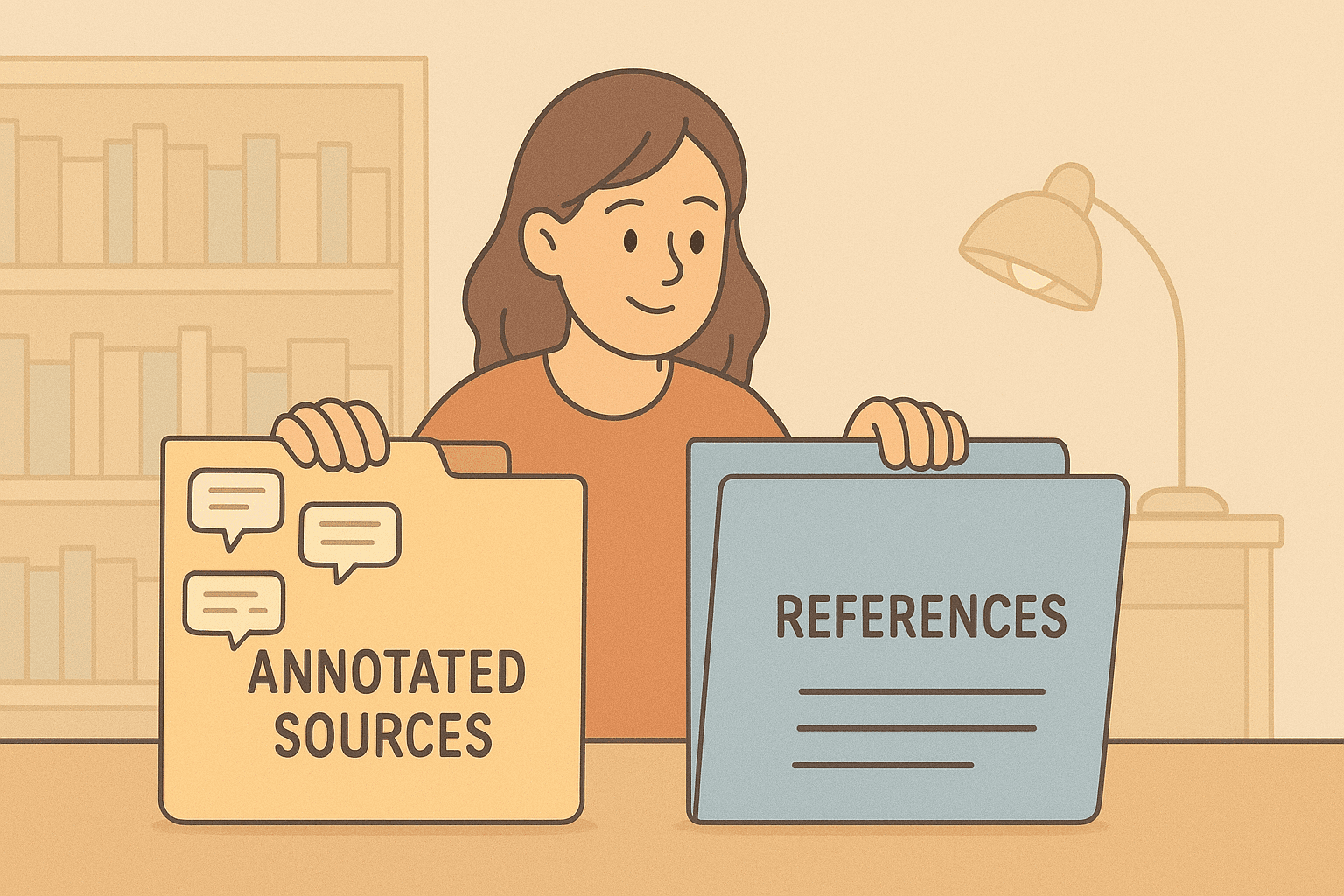
Most students blank ho jaate hain jab wo "annotated bibliography" sunte hain - aur ye bilkul theek hai. Halanki ye sources ko list karne ka ek aur fancy term lag sakta hai, par ismein isse bhi zyada kuch hai.
Ek basic Works Cited page ke vipreet jo sirf references ko list karta hai, ek annotated bibliography brief summaries jodti hai jo batati hai ki har ek source kyun zaroori hai. Ye waisa hi hai jaise kisi ko phone book dene aur kisi ko notes ke sath personalized recommendations dene mein farq hota hai.
Ise sahi tarike se karne se aapke research papers ka flow behter ho jata hai aur arguments zyada asardar hote hain.
<CTA title="Master Your Research Papers" description="Generate precise, publication-ready citations and outlines in minutes - no stress, no fluff." buttonLabel="Try Jenni Free" link="https://app.jenni.ai/register" />
References Kya Hain? Aapke Paper Ki Buniyad
References kisi movie ke credits ki tarah kaam karte hain - ye dikhate hain ki kisne aapke kaam ko shape karne mein madad ki. Papers likhte waqt, ek reference list dikhati hai ki kin books, articles aur dusre sources ne aapke ideas ko influence kiya. Kisi fancy explanation ki zaroorat nahi hai, bas basic details: kisne ise likha, iska naam kya hai, ye kab publish hua, aur ye kahan milega.
Har source aapke required style ke hisab se specific rules follow karta hai — sabse common formats ko samajhne ke liye, hamara citation styles explained for students dekhein. MLA mein author ka last name pehle ho sakta hai, jabki APA mein author ke theek baad year ki zaroorat hoti hai. Par dono ka purpose ek hi hai - ye prove karna ki aapne real research ki hai.
Ek reference list aapki madad karti hai:
Credit Dene Mein: Original thinkers ke prati samman dikhane mein
Plagiarism Se Bachne Mein: Apne aap ko accidental copying se bachane mein
Transparent Rehne Mein: Dusron ko aapke facts double-check karne dene mein
Rules Follow Karne Mein: Basic academic standards ko poora karne mein
Alag-alag naamon ka matlab thoda alag hota hai:
Works Cited (MLA): Sirf wahi sources jo aapke text mein mention kiye gaye hain
References (APA): Wo sources jo directly aapke paper mein use kiye gaye hain
Bibliography: Saare sources, jismein background reading bhi shamil hai
Serious writing mein references ko skip karne ka option nahi hota. Ye prove karte hain ki aapne apna homework kiya hai aur aap bas mann-gadhant baatein nahi kar rahe hain.
Annotated Sources Kya Hain? Ek Kadam Aur Aage

Ab, aaiye annotated sources ko dekhte hain. Ek annotated bibliography ek basic reference list ke sath shuru hoti hai par ismein ek crucial cheez judi hoti hai: annotation. Agar reference list movie credits hai, toh annotated bibliography mini-reviews ka ek collection hai. Ye sirf sources ke naam nahi batati; balki ye bhi explain karti hai ki unka topic kya hai aur kya wo kaam ke hain.
Har entry ke do parts hote hain:
The Citation: Ye wahi basic source information hai jo aapko ek reference list mein milti hai, jise APA ya MLA jaise style mein format kiya jata hai.
The Annotation: Ye ek chhota paragraph hota hai, aam taur par 100-200 words ka, jo citation ke theek baad aata hai. Ye paragraph source ko summarize, judge aur reflect karta hai.
<ProTip title="💡 Pro Tip:" description="Always double-check your assignment for a required word count. Some annotations are short, while others need to be more detailed." />
Ek annotation likhna sirf kaam poora karna nahi hai. Ye aapko is baare mein gehrayi se sochne par majboor karta hai ki aapne kya padha hai. Ek strong annotation aam taur par teen cheezein karta hai:
Summarize: Ye is sawaal ka jawaab deta hai, "Ye source kis baare mein hai?" Aap brief mein batayenge ki author ka main point kya hai, unhone kin topics ko cover kiya, aur unhone kya conclude kiya.
Source Ko Judge Karna (Assess): Yahan, aap ek critic ki tarah kaam karte hain. Kya author ek credible expert hai? Kya information fair aur balanced hai, ya fir biased hai? Source ki strengths (jaise badhiya data) aur weaknesses (jaise purana hona) kya hain? Ye dikhata hai ki aap bas sach maan kar baatein accept nahi kar rahe hain.
Ise Apne Project Se Connect Karna (Reflect): Yahan aap explain karte hain ki ye source aapke liye kyun zaroori hai. Ye aapke specific paper ki kaise madad karta hai? Kya ye aapke kisi argument ko support karta hai? Kya ye koi aisa counter-argument deta hai jisse aapko deal karna hai? For example, aap likh sakte hain, "Is article ke stats mere essay ke second paragraph ke liye bilkul perfect honge."
Ye process ek simple list ko ek powerful research organizer mein badal deta hai — aur agar aap bohot saare sources ko manage kar rahe hain, toh hamara Zotero and Mendeley integration for researchers libraries aur citations ko manage karne ka ek practical workflow cover karta hai. Teachers aksar annotated bibliographies assign karte hain taaki students bade paper mein dive karne se pehle kisi topic par acchi pakad bana sakein.
Key Differences Ek Nazar Mein: Annotated Sources vs. References
Inhe side-by-side dekhne se farq bilkul saaf ho jata hai. Halanki dono hi sources ki alphabetical lists hain, par dono ke purposes kaafi alag hain.
Feature | Reference List / Works Cited | Annotated Bibliography |
Main Goal | Credit dena aur ye dikhana ki sources kahan milenge. | Har source ko summarize, judge aur explain karna. |
What's Inside | Sirf citation (author, title, date, etc.). | Citation ke sath aapke analysis ka ek paragraph. |
Your Effort | Careful formatting ki zaroorat hoti hai. | Iske liye aapko dhyan se padhna, sochna aur saaf likhna hoga. |
When to Use It | Lagbhag har research paper ke end mein. | Apne aap mein ek assignment ke roop mein ya kisi bade project ke pehle step ke roop mein. |
Simple shabdon mein: ek reference list dikhati hai ki aapne kya padha. Ek annotated bibliography dikhati hai ki aapne jo padha use samjha.
<ProTip title="💡 Reminder:" description="Writing annotations is a great way to figure out your own thesis. It helps you see how all your sources fit together." />
Ise Practice Mein Lana: Dono ke Examples
Aaiye ek real example dekhte hain. Imagine kijiye ki aap research kar rahe hain ki remote work employee happiness ko kaise affect karta hai. Yahan MLA style ka use karke dikhaya gaya hai ki ek source har format mein kaisa dikhega.
Reference List Entry (MLA 9th Ed.)
Golden, Timothy D., and John F. Veiga. “The Impact of Telework on Work-Family Conflict and Job Attitudes: A Study of the U.S. Federal Government.” Journal of Vocational Behavior, vol. 63, no. 3, 2003, pp. 484-509.
Ye clean aur simple hai. Ye aapke reader ko article dhundhne ke liye exact information deta hai.
Annotated Bibliography Entry (MLA 9th Ed.)
Golden, Timothy D., and John F. Veiga. “The Impact of Telework on Work-Family Conflict and Job Attitudes: A Study of the U.S. Federal Government.” Journal of Vocational Behavior, vol. 63, no. 3, 2003, pp. 484-509.
Ye study dekhti hai ki telework U.S. government workers ke liye work-family conflict ko kaise affect karta hai. Authors ne 500 se zyada employees ka survey kiya aur paya ki ghar se kaam karne se conflict kam hua, par sirf ek point tak. Ye study iske bade sample size aur solid data ki wajah se credible hai. Halanki, ye information 2003 ki hai aur government jobs par focus karti hai, isliye ho sakta hai ki ye aaj ki tech companies par poori tarah apply na ho. Main is source ka use flexible work ke benefits par background evidence dene ke liye karunga, par main ye bhi note karunga ki aur current research ki zaroorat hai.
Farq dikha? Annotation explain karti hai ki article kis baare mein hai, iske pros aur cons ko judge karti hai, aur dikhati hai ki ise kaise use kiya jayega. Ye ek simple citation ko ek useful piece of analysis mein badal deta hai.
<ProTip title="📝 Note:" description="Formatting matters. In MLA style, the entire annotation paragraph is indented so it stands out from the citation." />
Aapko Annotated Bibliography Ka Use Kab Karna Chahiye?
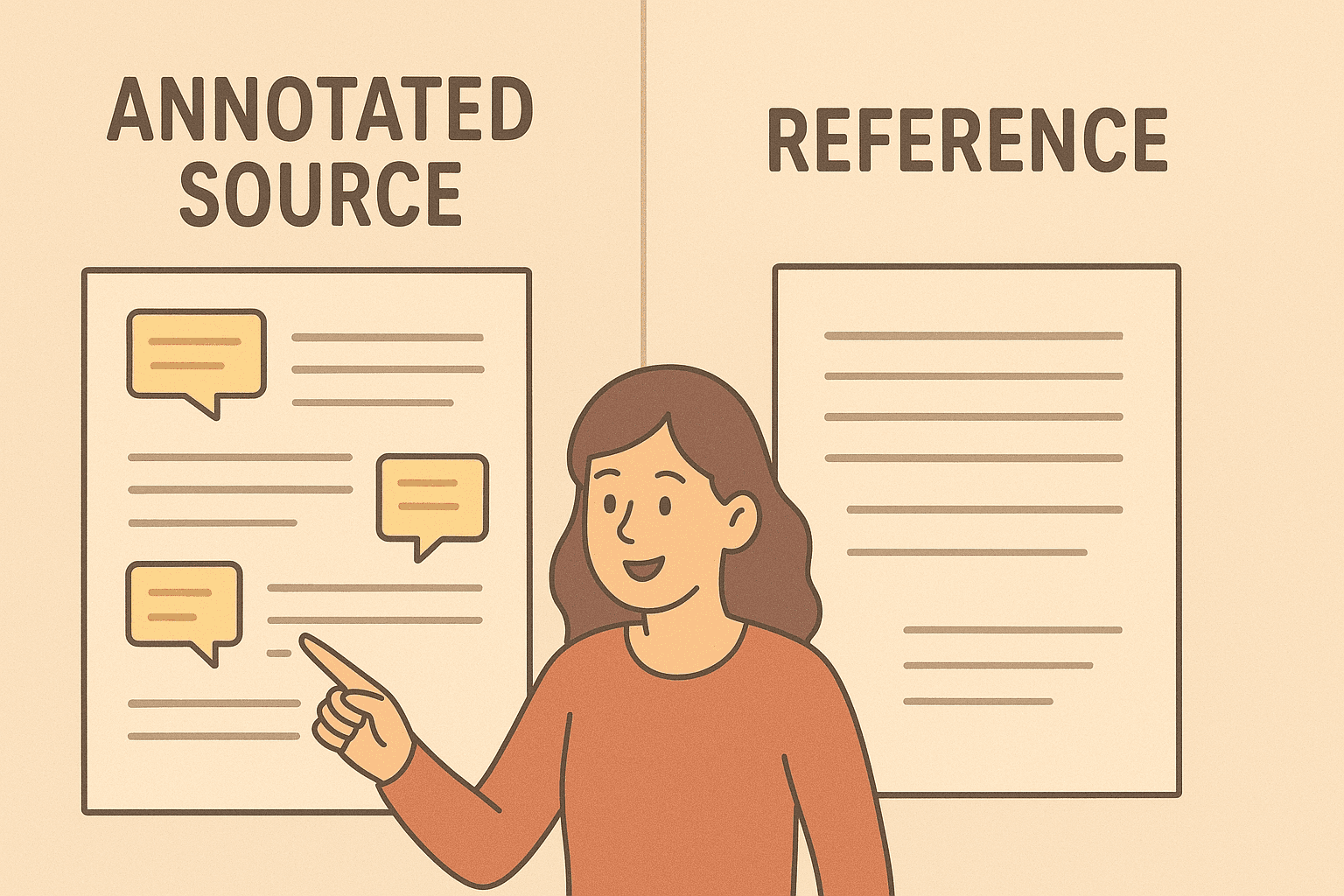
Aapko har assignment ke liye annotated bibliography banane ki zaroorat nahi hogi. Ye kuch khas situations ke liye ek special tool hai.
Ek ANNOTATED BIBLIOGRAPHY tab banayein jab:
Aapke teacher ne aisa karne ko kaha ho. Ye sabse common reason hai. Ye ek aisa assignment hai jo aapki research skills ko build karne ke liye design kiya gaya hai.
Aap ek bada project shuru kar rahe hain, jaise koi thesis ya capstone. Ye aapke thoughts ko organize karne aur ye dekhne mein madad karta hai ki research mein kahan gaps hain.
Aapko literature review likhna hai. Ek annotated bibliography iske liye perfect first step hai. Ye likhna shuru karne se pehle aapko aapke sources ko samajhne mein madad karta hai.
Aap dikhana chahte hain ki aapne topic par sach mein gehri research ki hai. Ye prove karta hai ki aapne apne sources ko sirf upar-upar se nahi padha hai.
Ek REFERENCE LIST tab banayein jab:
Aap ek standard essay ya research paper likh rahe hain. Zyadatar waqt, aapko sirf un sources ko list karna hota hai jise aapne cite kiya hai.
Goal sirf credit dena ho. Aapko bas is baare mein transparent rehna hai ki aapki information kahan se aayi hai.
<ProTip title="💡 Pro Tip:" description="Think of your annotated bibliography as a conversation with your sources. It is a log of your thoughts and ideas as you research." />
Effective Annotations Kaise Likhein
Bohot saare annotations likhna bade kaam jaisa lag sakta hai, par ek clear plan ise kaafi aasan bana deta hai. Aapko reading toh karni hi hogi, par ek accha process aapko har baar clear aur helpful annotations likhne mein madad karega.
Yahan ek simple, step-by-step guide hai:
Ek Purpose Ke Sath Padhein: Likhna shuru karne se pehle, source ko dhyan se padhein. Sirf random sentences ko highlight na karein. Do columns mein notes banayein. Left column mein, author ke main points ko summarize karein. Right column mein, apne thoughts likhein: "Kya iska koi matlab banta hai? Ye mere topic se kaise connect hota hai? Main is point se disagree karta hoon." Ye padhte waqt aapko critically sochne mein madad karta hai.
Three-Part Structure Ka Use Karein: Ye ensure karne ke liye ki aapne sab kuch cover kiya hai, apna annotation teen parts mein banayein:
Summarize: Source kis baare mein hai?
Judge: Kya ye ek accha, reliable source hai? Kyun ya kyun nahi?
Connect: Aap ise apne project mein kaise use karenge?
Draft aur Polish Karein: Apne notes ka use karke ek quick first draft likhein. Ise perfect banane ki chinta na karein. Bas ideas ko paper par utarein. Fir, wapas jayein aur ise edit karein. Apne sentences ko aur clear karein, faltu words ko mita dein, aur ensure karein ki aapne required word count poora kiya hai.
Annotated Bibliographies vs. Works Cited: Sahi Tool Chunna
Ek annotated bibliography aur ek simple works cited page ke beech ke farq ko jaanna kisi bhi student ke liye ek key skill hai. Ek reference list ek basic par essential tool hai jo is sawaal ka jawaab deti hai, "Aapko ye information kahan se mili?" Ye sab credit dene aur honest rehne ke baare mein hai.
<CTA title="Build Your Next Research Outline" description="Generate a precise, publication--ready outline in minutes - no stress, no fluff." buttonLabel="Try Jenni Free" link="https://app.jenni.ai/register" />
Halanki, annotated bibliographies isse kahin zyada powerful hain. Wo is sawaal ka jawaab deti hain, "Aapne apni information ke baare mein kya socha?"
Har source ko summarize, judge aur apne kaam se connect karke, aap apne liye ek valuable guide banate hain aur ye prove karte hain ki aap sach mein topic ke sath engage ho rahe hain. In dono tools ko master karne se aapko ek zyada organized, thoughtful aur successful writer banne mein madad milegi.