بواسطة
ناثان أويونج
—
هيكل مقالة المشكلة والحل وأمثلة | البنية الأكاديمية وتقنيات الكتابة

ناثان أويونج
محاسب أول في EY
تخرجت بدرجة البكالوريوس في المحاسبة، وأكملت دبلوم دراسات عليا في المحاسبة. استخدم Jenni AI لتحسين مهاراتك في الكتابة الأكاديمية لما يتمتع به من مزايا رائعة!
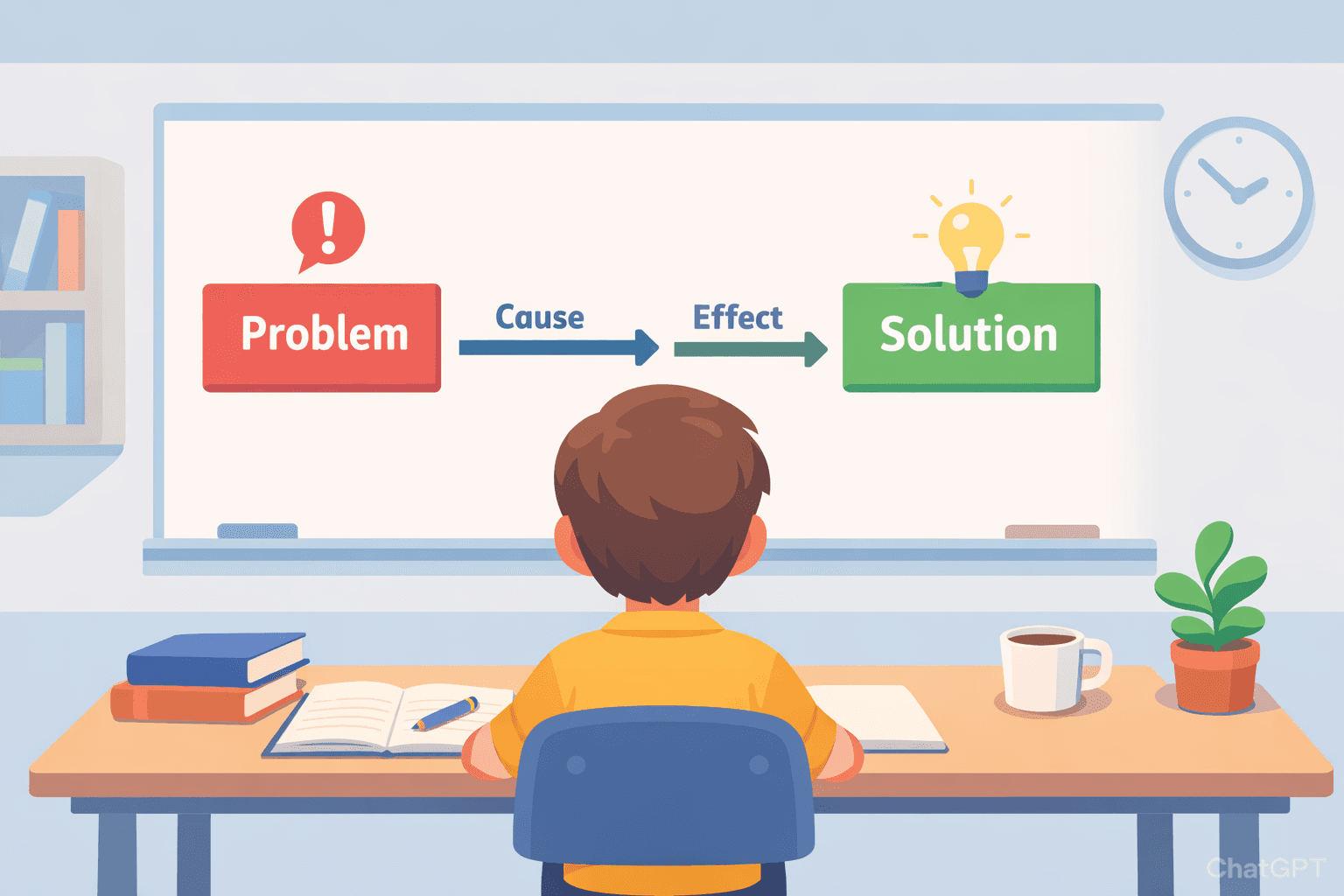
تطلب مقالة المشكلة والحل من الطلاب تحليل القضايا الواقعية واقتراح حلول عملية. يجب على الكتّاب شرح سبب وجود المشكلة، وآثارها، وتقديم استجابات واقعية ومنطقية جيدًا. يختبر هذا النوع من المقالات التفكير التحليلي وهو شائع في المدرسة الثانوية والجامعة وفي الاختبارات مثل IELTS Task 2.
يعاني كثير من الطلاب ليس بسبب نقص الأفكار، بل بسبب ضعف التنظيم، ما قد يجعل حتى الحلول القوية تبدو غير مقنعة. توضح هذه المقالة البنية والأنماط الشائعة والأمثلة لمساعدة الطلاب على كتابة مقالات مشكلة-حل واضحة وفعّالة.
<CTA title="ابنِ صياغة قوية للمشكلة" description="أنشئ عبارة دقيقة وجاهزة للنشر في دقائق، دون توتر أو حشو، مع دعم ذكي من Jenni AI لمساعدتك في الكتابة الأكاديمية." buttonLabel="جرّب Jenni مجانًا" link="https://app.jenni.ai/register" />
ما هي مقالة المشكلة والحل؟
هي قطعة كتابية تختار فيها قضية محددة، وتفهم ما الذي يقف خلفها، ثم تضع خطة لمعالجتها. الهدف ليس مجرد وصف ما الخطأ. بل عليك أن تُظهر قدرتك على التفكير في المشكلة والتوصل إلى جواب معقول.
يشترك هذا النوع من المقالات مع الكتابة الإقناعية في بعض الجوانب، لكنه لا يقوم على فرض رأي شخصي. بل ينتمي إلى فئة أوسع من أنواع المقالات الأكاديمية التي تعطي الأولوية للتفكير المنطقي والحلول القائمة على الأدلة.
وهو أكثر عملية. عليك أن تبني حجتك على المنطق والحقائق، مع اتباع المبادئ المعترف بها على نطاق واسع في بنية الحجة الأكاديمية.
يجب أن يكون كل حل تقدمه شيئًا يمكن أن ينجح فعلًا، وعليك أن تشرح السبب. يستخدم المعلمون هذا الأسلوب لاختبار عدة مهارات أساسية:
هل تستطيع شرح المشكلة بحيث يفهمها أي شخص؟
هل تستطيع تفكيك أسبابها وما الذي يحدث بسببها؟
هل تستطيع اقتراح حل منطقي وليس مجرد فكرة خيالية؟
هل تسير حجتك بطريقة يسهل تتبعها؟
هل تدعم نقاطك بأمثلة قوية أو بيانات؟
<ProTip title="🧠 نصيحة احترافية:" description="ابدأ بإعادة صياغة المشكلة بكلماتك الخاصة قبل التخطيط للحلول. يساعدك هذا على توضيح التركيز وتجنب الحجج المبهمة." />
متى تُستخدم مقالات المشكلة والحل؟

ستواجه هذا النوع من المقالات في أماكن كثيرة. في المدرسة الثانوية، يُعد وسيلة شائعة لتعلّم كيفية بناء حجة منظمة.
لاحقًا، في الجامعة، ستراه كثيرًا في المواد المتعلقة بالمجتمع أو التعليم أو البيئة أو السياسات الحكومية، أي في أي مكان تحتاج فيه إلى تحليل قضية واقتراح إجراء.
وهو أيضًا من الأنواع المفضلة في الاختبارات الكبرى مثل IELTS. هنا يريد الممتحنون أن يروا إن كنت تستطيع القيام بعدة أمور بسرعة: فهم المطلوب، وترتيب أفكارك تحت الضغط، واستخدام اللغة المناسبة.
والحيلة الحقيقية هي أن تشرح المشكلة وتقيّم حلولك بنفسك، كل ذلك في إطار موجز ومتماسك.
<ProTip title="📌 تذكير:" description="في الكتابة الامتحانية، عالج المشكلة والحل بوضوح. تجاهل أحد الجزأين غالبًا ما يخفض درجتك." />
البنية الأساسية لمقالة المشكلة والحل
تتبع معظم مقالات المشكلة والحل إطارًا متوقعًا يساعد القراء على فهم القضية وتقييم الاستجابة المقترحة. تتيح هذه البنية الأكاديمية للمقال للكتّاب عرض المشكلات بشكل منطقي قبل الانتقال إلى التحليل الموجه نحو الحلول.
وهذا يبقي القارئ على المسار الصحيح ويضمن لك تغطية كل شيء. بالنسبة للامتحانات أو المقالات القصيرة، يكون الهيكل المكوّن من أربع أو خمس فقرات هو المعيار المعتاد.
قسم المقال | الهدف | العناصر الأساسية |
المقدمة | تقدم القضية وتعرض الحل المقترح | سياق خلفي، نظرة عامة على المشكلة، الطرح الرئيسي |
الفقرة الرئيسة 1: المشكلة | تشرح ما هي المشكلة ولماذا تهم | الأسباب، الآثار، الأمثلة، الحقائق الداعمة |
الفقرة الرئيسة 2: الحل | تقدم الحلول وتقيّمها | شرح الحل، قابلية التنفيذ، الأثر المتوقع |
فقرة رئيسة اختيارية | تقيّم القيود أو البدائل | الاعتراضات، العيوب، المقارنات |
الخاتمة | تلخص الحجة وتعزز الحل | إعادة صياغة الطرح، النقاط الأساسية، فكرة نهائية أو دلالة |
المقدمة هنا تهيئ المشهد. عليك أن تقدم الموضوع، وتعطي بعض الخلفية السريعة، وتخبر القارئ بالضبط بما ستجادل بشأنه.
عادةً ما تتكون مقدمة جيدة من ثلاثة أجزاء:
جملة افتتاحية جذابة. ابدأ بعبارة عامة عن القضية لجذب الانتباه، باستخدام تقنيات يُنصح بها عادةً في كيفية كتابة مقدمة مقال بجملة افتتاحية جذابة.
بعض الخلفية. اشرح بإيجاز لماذا تمثل هذه مشكلة الآن أو لماذا ينبغي للناس أن يهتموا بها.
الطرح الرئيسي. هذا هو جوهر مقالك في جملة واحدة. اذكر المشكلة الرئيسية وحلك المقترح.
انتقل من الفكرة العامة إلى النقطة المحددة الخاصة بك بسلاسة. لا تدخل في التفاصيل بعد، واحتفظ بالأمثلة لوقت لاحق.
<ProTip title="✍️ نصيحة كتابة:" description="ينبغي أن يذكر طرحك الرئيسي كلًا من المشكلة والحل. هذا يحافظ على تركيز مقالك من البداية إلى النهاية." />
وهذا مثال على ما قد يبدو عليه الأمر: ازدحام المرور صداع يومي في كثير من المدن، فهو يهدر الوقت والمال. والأسباب الرئيسية بسيطة: عدد كبير جدًا من الأشخاص يقودون سياراتهم بمفردهم، وبدائل جيدة قليلة جدًا.
ستجادل هذه المقالة بأن الحل الحقيقي الوحيد هو الاستثمار بقوة في تحسين النقل العام وجعل مشاركة الرحلات أسهل للناس.
الفقرة الرئيسة 1: المشكلة تتعمق فقرتك الرئيسة الأولى في القضية. ابدأ بجملة موضوع توضح المشكلة بجلاء. ثم اشرح أسبابها.
لا تكن غامضًا. كن محددًا بشأن جذور المشكلة، ويمكنك ذكر الآثار لتوضح لماذا هي ملحّة.
عليك دعم ذلك. استخدم أمثلة واقعية أو تفكيرًا منطقيًا أو معلومات عامة معروفة. يجب أن تترك هذه الفقرة القارئ وهو يفكر: «حسنًا، أرى ما هي المشكلة ولماذا هي سيئة».
الفقرة الرئيسة 2: الحل والآن اعرض جوابك. يجب أن يعالج كل حل مباشرة سببًا شرحته للتو. كما يجب أن يكون شيئًا يمكن أن يحدث فعلًا.
تقوم فقرة الحل القوية بعدة أمور:
تذكر الحل بوضوح.
توضح كيف يعالج هذا الإصلاح المشكلة.
تتحدث عمّا إذا كان عمليًا ومدى نجاحه المتوقع.
تستخدم دليلًا أو مثالًا لدعم الفكرة.
لا تكتفِ بسرد الأفكار. قيّمها. بالنسبة إلى المرور، قول «ابنوا المزيد من الحافلات» ضعيف. أما الصياغة الأقوى فتشرح كيف ستسحب شبكة حافلات جديدة السائقين من الطرق ولماذا سيؤدي ذلك إلى تقليل الازدحام. ولمزيد من النماذج في الكتابة الموجهة نحو الحلول، راجع أمثلة مقالات المقترح الخاصة بنا.
<ProTip title="🔍 نصيحة التقييم:" description="اسأل نفسك ما إذا كان يمكن تنفيذ الحل بشكل واقعي مع الموارد والسياسات الحالية." />
فقرة اختيارية: الاعتراضات أو التقييم في مقال أكثر تقدمًا، قد تضيف فقرة رئيسة ثالثة. هنا يمكنك الدخول في التفاصيل الدقيقة.
يمكنك مقارنة حلولك، أو الحديث عن السلبيات المحتملة، أو الرد على ما قد يقوله من يعارضك. الإشارة إلى نقطة ضعف في خطتك لا تجعلها أسوأ. بل تُظهر أنك فكرت فيها جيدًا.
إن شرح التحدي باختصار وبيان سبب استمرار فعالية الحل يجعل حجتك أكثر إقناعًا. وهذا مهم في أوراق الجامعة أو مقالات الاختبارات ذات الدرجات العالية.
الخاتمة اختم بإعادة كل شيء إلى صورته الكاملة. لخص المشكلة الرئيسية وحلولك دون إضافة معلومات جديدة. وأعد صياغة طرحك الرئيسي بكلمات مختلفة.
ينهي كثير من الكتّاب المقال بفكرة أخيرة، أو دعوة إلى العمل، أو ملاحظة حول ما سيحدث إذا لم نفعل شيئًا. وهذا يمنح المقال شعورًا بالغاية. والخاتمة الجيدة تجيب عن السؤال: ما الذي على المحك إذا تجاهلنا هذه القضية؟
الأساليب التنظيمية في مقالات المشكلة والحل
لديك العناصر: المشكلة، والحل، والأدلة. والآن، كيف تجمعها معًا باتباع المبادئ الأساسية نفسها المستخدمة في كيفية تنظيم المقال؟ هناك بعض الأنماط الشائعة التي تنجح تبعًا لما تكتب عنه.
الأسلوب | كيف يعمل | أفضل استخدام له |
أسلوب الكتلة | يناقش كل المشكلات أولًا، ثم كل الحلول | المقالات القصيرة، المشكلة الرئيسية الواحدة، الاختبارات الزمنية |
أسلوب السلسلة (أزواج المشكلة-الحل) | يُتبع كل مشكلة مباشرة بحلها | القضايا المتعددة المرتبطة، أسئلة على نمط IELTS |
التركيز على حل واحد | يستكشف حلًا واحدًا بعمق | الأوراق الجامعية، تحليل السياسات، التقييمات التفصيلية |
أسلوب الكتلة هذا هو الأسلوب المباشر. تتحدث عن كل المشكلات أولًا، ثم تعرض كل الحلول.
والخطوط العامة المعتادة تبدو كالتالي:
مقدمة
فقرة عن المشكلة أو المشكلات
فقرة عن الحل أو الحلول
خاتمة
وهو واضح وبسيط، ولهذا فهو ممتاز للمقالات القصيرة أو الاختبارات الموقّتة. استخدمه عندما يكون لديك مشكلة كبيرة واحدة مع عدة طرق لحلها.
أسلوب السلسلة (أزواج المشكلة-الحل) هنا تربط كل قضية مباشرة بإصلاحها. تتناول كل فقرة رئيسة مشكلة واحدة ثم تقدم فورًا حلها.
ويكون البناء كالتالي:
مقدمة
الفقرة 1: المشكلة أ + الحل أ
الفقرة 2: المشكلة ب + الحل ب
خاتمة
هذا الأسلوب مثالي لأسئلة الاختبار التي تعرض عدة قضايا مترابطة. إنه يجعل العلاقة بين السبب والنتيجة واضحة، ويمنح مقالك شعورًا قويًا بالمنطق والترابط.
التركيز على حل واحد أحيانًا لا تكون بصدد مقارنة الخيارات. فقد يطلب منك التكليف التعمق في حل واحد فقط. في هذه الحالة قد يستكشف مقالك كله جوانب مختلفة من تلك الفكرة الواحدة، وكيف ستعمل، ومن سينفذها، وما التحديات المطروحة.
تجد هذا كثيرًا في الأوراق الجامعية أو تحليل السياسات، حيث يكون التعمق في التفاصيل أكثر قيمة من التغطية السطحية الواسعة.
مثال على مخطط مقالة مشكلة-حل
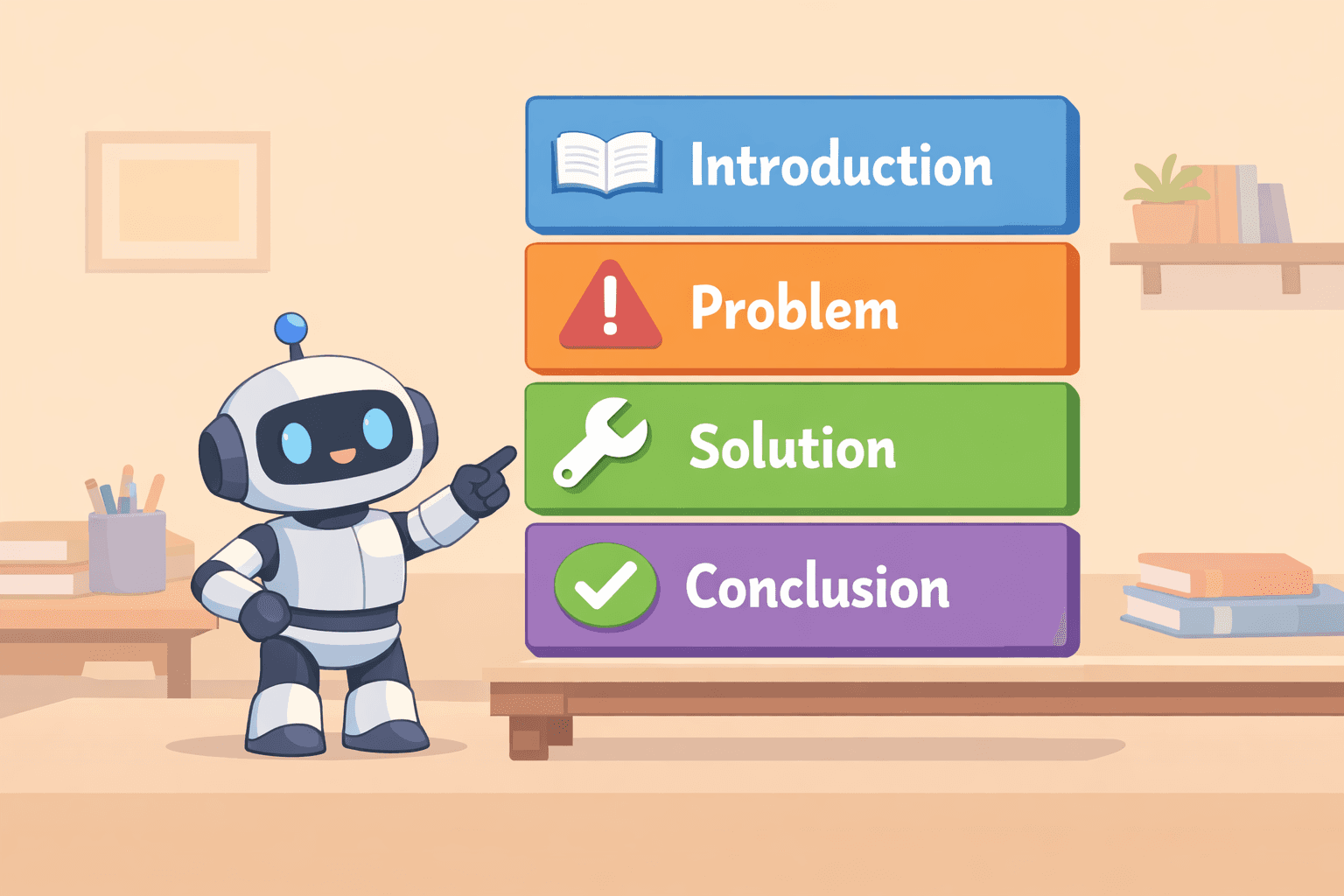
الموضوع: الازدحام المروري في المدن المطلوب: تعاني المدن من مشكلات مرورية كبيرة. ما أسباب ذلك، وماذا يمكننا أن نفعل حيالها؟
المقدمة أصبح العالقون في الازدحام المروري جزءًا عاديًا من الحياة في معظم المدن الكبرى الآن. يزداد عدد السكان، ويريد تقريبًا الجميع قيادة سياراتهم الخاصة. والطرق لا تتحمل ذلك.
ستوضح هذه المقالة أن المشكلات الحقيقية تتمثل في كثرة الناس ونقص خيارات النقل الجيدة. ويجب أن يشمل الحل تحسين الحافلات والقطارات، إلى جانب برامج تجعل مشاركة الرحلات أسهل للناس.
الفقرة الرئيسة 1 – المشكلة المشكلة واضحة: هناك سيارات كثيرة جدًا. لقد نمت المدن بسرعة، لكن الطرق لم تواكب هذا النمو.
ومن الأسباب الكبيرة لوجود كل هذه السيارات أن النقل العام غالبًا لا يعمل كما ينبغي، فقد يكون مكلفًا جدًا أو بطيئًا جدًا أو لا يصل إلى الأماكن التي يحتاج الناس إليها. لذلك يقود الناس سياراتهم. والنتيجة هي اختناق مروري، وساعات ضائعة، وهواء أكثر تلوثًا.
الفقرة الرئيسة 2 – الحل تحتاج المدن إلى إعطاء الناس بديلًا حقيقيًا عن القيادة الفردية. والخطوة الأولى هي إنشاء نقل عام موثوق وميسور التكلفة يرغب الناس فعلًا في استخدامه. انظر إلى الأماكن التي تمتلك شبكات مترو أو حافلات ممتازة؛ فعدد أقل بكثير من الناس يقودون إلى العمل.
والخطوة الثانية هي تشجيع مشاركة الرحلات. يمكن للتطبيقات أن تربط السائقين بالركاب بسهولة، ويمكن للمدن أن تساعد من خلال تقديم حوافز مثل الرسوم الأقل على الطرق أو المسارات الخاصة للسيارات التي تقل أكثر من شخص واحد.
الخاتمة ليس الازدحام المروري قدرًا ثابتًا في حياة المدينة. إذا كان الهدف هو نقل الناس لا مجرد السيارات، فالحل هو الاستثمار في وسائل نقل تعمل للجميع. إن تحسين النقل العام ومشاركة الرحلات سيخففان الازدحام، ويقللان التلوث، ويعيدان الوقت إلى الناس.
نصائح كتابية لمقالات المشكلة والحل الفعّالة
حافظ على الوضوح. التزم بفكرة رئيسية واحدة في كل فقرة وادعمها بشرح قوي أو مثال واقعي، وهو نهج يعكس الإرشادات المتفق عليها على نطاق واسع حول بنية النصوص الأكاديمية.
تعمل كلمات مثل «أولًا» أو «سبب آخر» أو «لحل ذلك» كإشارات ترشد القارئ لمتابعة منطقك. استخدم النبرة المناسبة. هذه كتابة رسمية، لذا تجنب اللغة العامية والاختصارات.
لا تحاول إقناع الناس بالعاطفة. فالحجة الواضحة والمنطقية دائمًا أكثر إقناعًا. ولا تبدأ الكتابة مباشرة. خذ خمس دقائق للتخطيط. دوّن مشكلتك الرئيسية، واكتب الأسباب، واعصف ذهنيًا ببعض الحلول.
ارسم مخططًا بسيطًا — وإذا أردت نقطة بداية سريعة، فيمكن لمُولّد مخطط مقالة بالذكاء الاصطناعي AI essay outline generator أن يساعدك في تنظيم المشكلة والأسباب والحلول. فهذا يمنع التكرار ويجعل مقالك كله أكثر سلاسة. واحرص دائمًا على تخصيص وقت للمراجعة.
تحقق من أن أفكارك تنتقل من جملة إلى أخرى بشكل مترابط وأن كل شيء منطقي. فالحجة الجيدة تنهار إذا كانت مليئة بالأخطاء الركيكة.
أخطاء شائعة يجب تجنبها
أكبر خطأ هو تقديم حل لا يمكن أن يحدث فعلًا. يجب أن تكون أفكارك قابلة للتنفيذ في العالم الحقيقي، ضمن ميزانيات حقيقية وبأشخاص حقيقيين.
ومن الأخطاء الشائعة أيضًا صياغة مشكلة غامضة. إذا لم تحدد بالضبط ما الخطأ في البداية، فسيبدو مقالك كله مشتتًا وضبابيًا.
لا تخلط هذا مع مقال بسيط عن السبب والنتيجة. فليس كافيًا أن تشرح لماذا يحدث شيء ما. عليك أن تنتقل إلى الخطوة التالية وتقول كيف توقفه.
وأخيرًا، فإن التظاهر بأن حلك مثالي غالبًا ما يأتي بنتائج عكسية. إذا استطعت أن تذكر بسرعة عيبًا محتملًا أو تشرح لماذا لن تنجح فكرة أخرى بنفس القدر، فهذا يدل على أنك فكرت جيدًا. وهذا يقوي حجتك لا يضعفها.
جمع كل العناصر معًا
تعمل مقالة المشكلة والحل من خلال تحليل قضية ما، وتقييم الحلول الممكنة، وبناء حجة مقنعة. ومن خلال تعريف المشكلة بوضوح، وشرح أسبابها، واقتراح حلول عملية ومنطقية، يحول الكتّاب المواقف المعقدة إلى حجج منظمة وواضحة.
<CTA title="طبّق هذه البنى بثقة" description="حوّل تخطيط المقال إلى حجج واضحة باستخدام Jenni لتنظيم المشكلات والحلول بكفاءة وبأسلوب أكاديمي ذكي." buttonLabel="جرّب Jenni مجانًا" link="https://app.jenni.ai/register" />
إن التخطيط الدقيق للنقاط واستخدام أمثلة ملموسة يساعدان الطلاب على إظهار التفكير النقدي والكتابة الهادفة، مما يجعل هذا النوع من المقالات طريقة واضحة وفعّالة للتواصل بالأفكار.