بواسطة
ناثان أويونج
—
جيني AI مقابل بيربلكسيتي AI: كيف يدعم كل منهما الكتابة، البحث، والعمل اليومي، مع التركيز على المزايا الإيجابية لاستخدام أداة الذكاء الاصطناعي الخاصة بنا لمساعدتك في الكتابة الأكاديمية

ناثان أويونج
محاسب أول في EY
تخرجت بدرجة البكالوريوس في المحاسبة، وأكملت دبلوم دراسات عليا في المحاسبة. استخدم Jenni AI لتحسين مهاراتك في الكتابة الأكاديمية لما يتمتع به من مزايا رائعة!
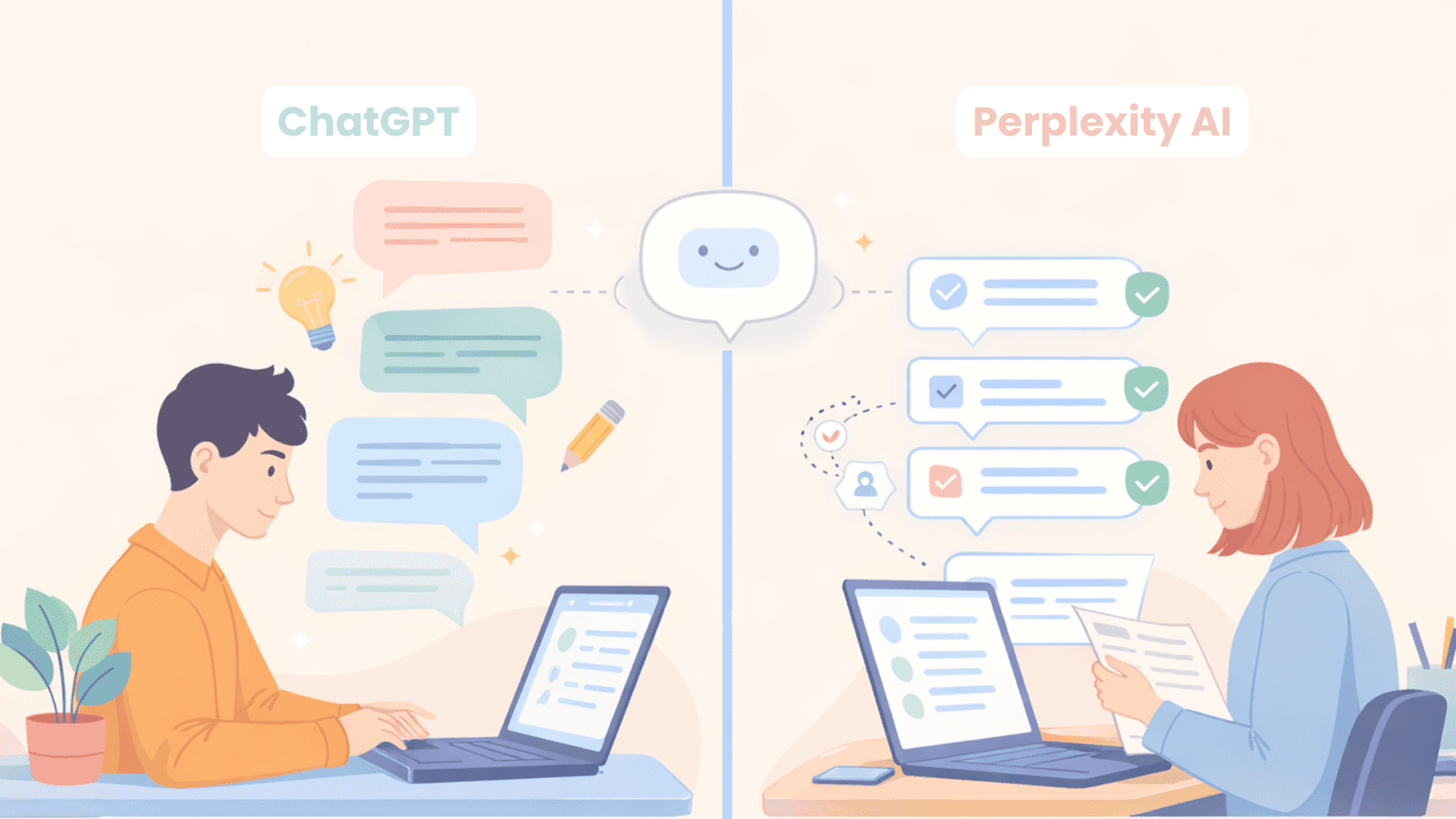
يمكن أن يوقف جمود الكتابة العمل بالكامل لدى الطلاب والمحترفين على حد سواء. قد تكون لديك أفكار قوية لكن تجد صعوبة في تحويلها إلى جمل واضحة. يمكن لأدوات مثل مولّد فقرات مجاني بالذكاء الاصطناعي أن تساعدك في إعداد مسودة أولى. أدوات الذكاء الاصطناعي تعد بالمساعدة، لكن اختيار الأداة المناسبة غالبًا ما يبدو مربكًا. ChatGPT و Perplexity AI خياران شائعان، لكن لكلٍ منهما أهدافه وسير عمله المختلف.
يتناول هذا الدليل نظرة عملية على ChatGPT وPerplexity AI — وللخلفية، راجع دليلنا إلى ما هو ChatGPT. ستتعرف على كيفية تطور ChatGPT، ولماذا أصبح واسع الاستخدام، وكيف يقارن مع Perplexity AI وغيرها من الأدوات، وكيف يستخدم الناس كل أداة في مواقف واقعية اليوم بوضوح.
<CTA title="اكتب وابحث بقدر أقل من التوتر" description="استخدم Jenni لتخطيط الأفكار وإدارة المصادر وصياغة المسودات في مساحة كتابة واضحة واحدة" buttonLabel="جرّب Jenni مجانًا" link="https://app.jenni.ai/register" />
تطور ونمو ChatGPT
ChatGPT ليس اختراعًا واحدًا. بل هو نتيجة سنوات طويلة من البحث والاختبار المستمر. لقد حسّنت كل نسخة جديدة من GPT طريقة فهم الآلات للغة واستجابتها للناس. وقد غيّرت الطريقة التي يكتب بها المستخدمون الحقيقيون ويتعلمون ويعملون كل يوم.
يساعد النظر إلى هذا التسلسل الزمني على توضيح لماذا يبدو ChatGPT طبيعيًا ومفيدًا إلى هذا الحد اليوم.
2018: ولادة GPT
في عام 2018، قدمت OpenAI نموذج GPT-1، وهو أول Transformer توليدي مُدرَّب مسبقًا. أظهر هذا النموذج فكرة جديدة. فبدلًا من تدريب العديد من النماذج الصغيرة لمهام مختلفة، يمكن لنموذج كبير واحد أن يتعلم أنماط اللغة العامة من مجموعات بيانات نصية ضخمة.
بالنسبة للمستخدمين كان GPT-1 محدودًا. كان قادرًا على إكمال نصوص قصيرة ومهام بسيطة، لكنه كان يفقد المعنى غالبًا في الردود الأطول. ومع ذلك، أثبت أمرًا مهمًا. يمكن لنموذج واحد أن يتكيف مع العديد من المهام مع الإدخال المناسب. أصبحت هذه الفكرة الأساس لكل ما تلاها.
2019: الأداء الرائد لـ GPT-2
مثّل GPT-2 خطوة واضحة إلى الأمام. أصبحت الجمل أكثر سلاسة، وصارت الفقرات أكثر ترابطًا. تمكن النموذج من البقاء على الموضوع لفترة أطول من ذي قبل. وكانت هذه من أولى المرات التي رأى فيها الناس الذكاء الاصطناعي يكتب نصًا يبدو قريبًا من الإنسان.
في البداية، قيّدت OpenAI الوصول إليه بسبب مخاوف من إساءة الاستخدام المحتملة. وبعد أن أصبح GPT-2 متاحًا على نطاق واسع، رفع التوقعات إلى مستوى جديد. بدأ الكتّاب يختبرون الذكاء الاصطناعي لتوليد الأفكار. واستخدمه المطورون لشرح المفاهيم. لم يكن مثاليًا بعد، لكنه أظهر إمكانات حقيقية للاستخدام اليومي.
2020: وصول GPT-3 غير المسبوق
غيّر GPT-3 نظرة الناس إلى الكتابة بالذكاء الاصطناعي. ومع 175 مليار معلمة، كان أكبر بكثير من النماذج السابقة. أتاح له هذا الحجم فهم السياق بشكل أفضل والرد بتفاصيل أكثر.
بالنسبة للمستخدمين، يعني هذا مرونة أكبر. يمكن لـ GPT-3 المساعدة في كتابة المقالات، وتلخيص المقالات، والإجابة عن الأسئلة، وشرح الشيفرة. وأصبح المحرك الذي يقوم عليه ChatGPT والعديد من الأدوات الأخرى. لم تعد الكتابة بالذكاء الاصطناعي مجرد عرض تجريبي، بل أصبحت عملية.
2021: التبني السائد وتعدد الاستخدامات
بحلول عام 2021، وصلت أدوات الكتابة بالذكاء الاصطناعي إلى جمهور أوسع. استخدمها الطلاب لوضع مخططات للأبحاث ومواضيع الدراسة. واستخدمها الكتّاب لإعداد مسودات منشورات المدونات ورسائل البريد الإلكتروني. واستخدمها المطورون لتصحيح الشيفرة وشرحها. واختبرتها الشركات للتخطيط ودعم العملاء.
كان هذا العام هو العام الذي أصبحت فيه الكتابة بالذكاء الاصطناعي جزءًا من العمل اليومي. انتقلت أدوات شبيهة بـ ChatGPT من تجارب متخصصة إلى مساعدات إنتاجية شائعة.
2022: القدرات متعددة الوسائط
في عام 2022، توسّع ChatGPT إلى ما هو أبعد من النص. تمت إضافة فهم الصور. وأتاح ذلك للمستخدمين الجمع بين الكلمات والمرئيات في تفاعل واحد.
على سبيل المثال، يمكن للمستخدمين وصف صورة أو طرح أسئلة حول المحتوى المرئي. جعل هذا التعلّم والشرح أكثر مرونة، وأظهر أيضًا كيف يمكن للذكاء الاصطناعي أن يقترب أكثر من التواصل البشري الطبيعي.
2023: تقديم GPT-4
ركّز GPT-4 على الجودة أكثر من الحجم وحده. فقد حسّن الاستدلال والدقة والاتساق. وتعامل النموذج مع المطالبات المعقدة بشكل أفضل وارتكب أخطاء أساسية أقل.
بالنسبة للمستخدمين، يعني هذا مزيدًا من الثقة. أصبحت الردود تبدو أكثر تفكيرًا وموثوقية. أظهر GPT-4 التحسن السريع في نماذج اللغة وأسهم في استمرار نمو شعبية ChatGPT.
<ProTip title="💡 نصيحة احترافية:" description="عادةً ما تقدم إصدارات GPT الأحدث إجابات أوضح وتتعامل مع المطالبات المعقدة بشكل أفضل" />
فك شفرة نجاح ChatGPT
لم ينجح ChatGPT بفضل التقنية وحدها. فقد اكتسب شعبيته لأنه يندمج بسلاسة في سير عمل الكتابة بالذكاء الاصطناعي اليومي، مما يساعد الناس على التفكير والتخطيط وشرح الأفكار من دون إعداد معقد. يساعد الناس على التفكير والتخطيط وشرح الأفكار من دون إعداد معقد.
الميزات التي تميّزه
ترابط غير مسبوق
ينتج ChatGPT نصًا يتدفق بشكل طبيعي. ترتبط الأفكار بترتيب واضح. وهذا يساعد المستخدمين على متابعة المحتوى من دون تحرير إضافي. على سبيل المثال، عند صياغة مقال، غالبًا ما تكون للرد بداية ووسط ونهاية واضحان بالفعل. وهذا يوفر الوقت ويقلل الإحباط.
هذا الترابط مفيد بشكل خاص في المهام الطويلة. فتبقى المقالات والتقارير والشروحات مركزة بدلًا من الانحراف عن الموضوع.
قاعدة معرفة واسعة
تم تدريب ChatGPT على نطاق واسع من النصوص العامة. وهذا يمنحه معرفة عامة واسعة عبر العديد من الموضوعات. يمكن للمستخدمين طرح أسئلة عن التاريخ أو العلوم أو الكتابة أو التكنولوجيا في مكان واحد.
ورغم أنه لا يغني عن الخبراء، فإنه يعمل جيدًا لتعلّم الأساسيات، أو مراجعة المعرفة، أو استكشاف موضوعات جديدة. وهذا يجعله مفيدًا للطلاب والمحترفين على حد سواء.
استجابات متكيفة
يضبط ChatGPT طريقة إجابته بناءً على كيفية سؤالك. فالمطالبة القصيرة تؤدي إلى رد قصير، بينما تؤدي المطالبة المفصلة إلى شرح أعمق. وهذا يساعد المستخدمين على البقاء في موقع التحكم.
على سبيل المثال، يمكنك أن تطلب ملخصًا بسيطًا أولًا، ثم تطلب مزيدًا من التفاصيل إذا لزم الأمر. هذا التدفق خطوة بخطوة يبدو طبيعيًا ويقلل من التشتت.
القدرات متعددة الوسائط
يمكن للإصدارات الأحدث من ChatGPT العمل مع النصوص والصور معًا. يمكن للمستخدمين وصف المرئيات أو طرح أسئلة عنها. وهذا يفتح طرقًا جديدة للتعلم وشرح الأفكار.
كما يجعل الأداة أكثر سهولة في الوصول. بعض المفاهيم أسهل في الفهم عندما يعمل النص والمرئيات معًا.
<ProTip title="🧠 تذكير:" description="ابدأ بمطالبة بسيطة ثم حسّنها لتوجيه الرد خطوة بخطوة" />
التقنية الأساسية: نموذج اللغة
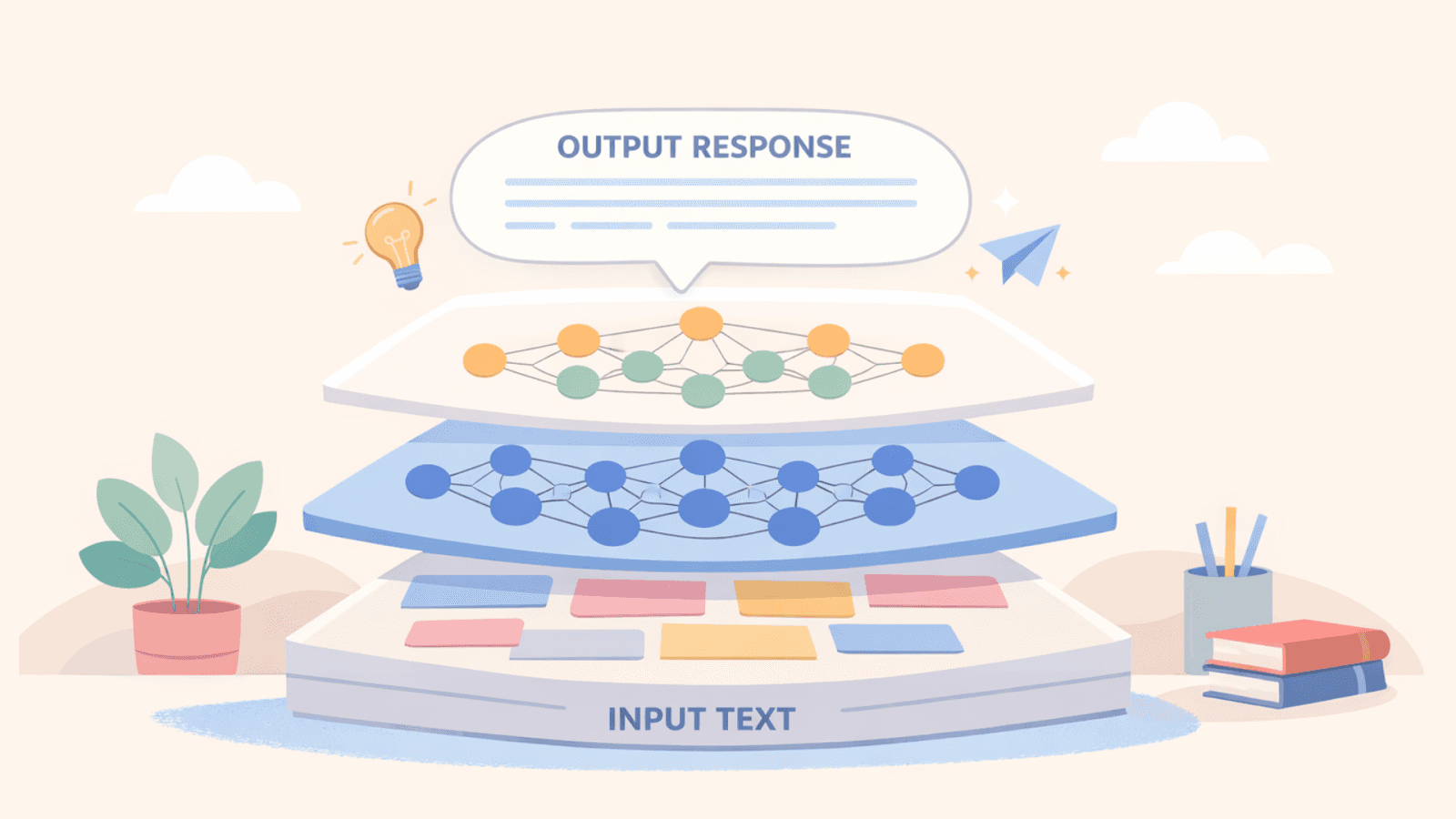
في قلب ChatGPT يوجد نموذج GPT اللغوي. الرياضيات وراءه معقدة، لكن الفكرة سهلة الفهم. يتنبأ النموذج بالكلمة التالية بناءً على الأنماط التي تعلّمها أثناء التدريب.
كيف يعمل ChatGPT ببساطة
يعالج ChatGPT اللغة من خلال رصد الأنماط والعلاقات في النص. وهذا يمكّنه من فهم المعنى، والحفاظ على السياق، والرد بطريقة تبدو طبيعية مع مرور الوقت.
البنية: تعمل طبقات من الشبكات العصبية معًا لفهم السياق.
المعاملات: مليارات القيم توجه كيفية اختيار النموذج للكلمات.
تجزئة النص: يُقسَّم النص إلى أجزاء صغيرة تُسمى رموزًا، ويُعالج خطوة بخطوة.
يتيح هذا الإعداد لـ ChatGPT الحفاظ على السياق والرد بطريقة منطقية، حتى أثناء المحادثات الطويلة.
تحليل مقارن: ChatGPT مقابل العالم
تساعد أدوات الذكاء الاصطناعي الآن في الكتابة والبحث والتخطيط والقرارات اليومية، بما في ذلك دعم مهام تعلم اللغة الإنجليزية حيث تكون الوضوح والشرح في غاية الأهمية.
وهذا يجعل اختيار الأداة المناسبة أمرًا مهمًا. فالاختيار الخاطئ قد يبطئك أو يضيف عملًا إضافيًا. والمقارنة الجيدة تساعد على وضع توقعات واضحة قبل الالتزام.
يعمل ChatGPT في مساحة مزدحمة. هناك العديد من الأدوات التي تقدم مساعدة في الكتابة أو البحث بالذكاء الاصطناعي. ما يميزه هو اتساع نطاق استخدامه، بما في ذلك دوره في أنظمة تحليل التعليم العالي التي تدعم التخطيط والتقييم واتخاذ القرار على المدى الطويل.
تركز بعض أدوات الذكاء الاصطناعي على السرعة، وأخرى على الدقة أو المصادر. أما ChatGPT فيركز على المحادثة والشرح. ويعمل بشكل أفضل عندما يريد المستخدمون التفكير في الأفكار، أو استكشاف الخيارات، أو بناء المسودات خطوة بخطوة.
هذا لا يعني أنه يحل محل كل أداة أخرى. بل إنه يؤدي دورًا مختلفًا.
تهدف الأدوات المتمحورة حول البحث إلى العثور على الإجابات بسرعة.
تهدف مساعدات الكتابة إلى صقل النص النهائي.
يهدف ChatGPT إلى مساعدتك على التفكير والصياغة.
هذا الفرق مهم عمليًا. إذا كنت تحتاج إلى حقيقة سريعة مع مصدر، فقد تكون أداة أخرى أفضل. وإذا كنت تحتاج إلى مساعدة في صياغة الأفكار، أو التخطيط للبنية، أو شرح موضوع بلغة واضحة، فإن ChatGPT غالبًا ما يكون الأنسب.
يساعد فهم هذه الأدوار على تجنّب الإحباط، كما يساعدك على الجمع بين الأدوات بدلًا من توقع أن تقوم أداة واحدة بكل شيء.
نظرة عن قرب: ChatGPT مقابل Perplexity AI
كثيرًا ما يظهر ChatGPT وPerplexity AI في المحادثات نفسها، لكنهما مصممان لاحتياجات مختلفة. كلاهما يستخدم نماذج لغوية متقدمة. وكلاهما يجيب عن الأسئلة. ومع ذلك، فإن التجربة والنتائج تبدوان مختلفتين جدًا بمجرد أن تبدأ باستخدامهما.
يشرح هذا القسم تلك الاختلافات بعبارات بسيطة. والهدف ليس اختيار فائز، بل مساعدتك على فهم متى تعمل كل أداة بأفضل شكل.
مقاييس الأداء
يركز ChatGPT على العمق والانسيابية. وهو مصمم للردود الأطول والمهام المفتوحة. يمكنك طرح أسئلة متابعة، وتحسين الأفكار، واستكشاف الموضوع خطوة بخطوة. وهذا يجعله مفيدًا للكتابة والتخطيط والتعلم.
يركز Perplexity AI على السرعة والدقة. ويهدف إلى تقديم إجابات قصيرة بسرعة. وفي كثير من الحالات، يستخرج المعلومات من مصادر ويب مباشرة. وهذا مفيد عندما تحتاج إلى حقائق سريعة من دون شرح إضافي. عمليًا، يعني هذا:
يعمل ChatGPT جيدًا للكتابة الطويلة وتبادل الأفكار.
يعمل Perplexity AI جيدًا للبحث السريع والملخصات.
العمق والاتساع المعرفي
بُني Perplexity AI حول البحث. فهو يعرض الروابط والاستشهادات مع إجاباته، ولهذا يعتمد عليه كثير من المستخدمين في البحث الأكاديمي عبر Perplexity خلال الاستكشاف المبكر للموضوعات. وهذا يجعله مفيدًا لمهام البحث التي تكون فيها المصادر مهمة منذ البداية. يمكن للمستخدمين رؤية مصدر المعلومات والتحقق منه بسرعة.
يعمل ChatGPT بطريقة مختلفة. فهو يعتمد على المعرفة والاستدلال المُدرَّبين. ويشرح الأفكار بكلماته الخاصة بدلًا من سرد المصادر. وهذا مفيد عندما تريد الفهم، لا مجرد المراجع. على سبيل المثال:
استخدم Perplexity AI لتأكيد التواريخ أو الحقائق أو الأحداث الحديثة.
استخدم ChatGPT لفهم المفاهيم أو مقارنة الأفكار أو صياغة الشروحات.
تجربة المستخدم
يبدو ChatGPT كأنه محادثة. وتشجع الواجهة على التفكير التفاعلي ذهابًا وإيابًا. يمكنك طرح أسئلة متابعة من دون إعادة كل شيء من البداية. وهذا يدعم الجلسات الأطول والعمل الأعمق.
يبدو Perplexity AI أقرب إلى محرك بحث ذكي. تطرح سؤالًا، وتحصل على جواب، وتتابع. هذا فعال، لكنه أقل مرونة في المهام المعقدة. ولكل من التصميمين قيمة. والاختيار المناسب يعتمد على المدة التي تنوي قضاءها في المهمة.
<ProTip title="🔍 رؤية:" description="استخدم Perplexity للتحقق السريع من المصادر وChatGPT لبناء الأفكار وصياغة المسودات" />
العمالقة: ChatGPT مقابل Google Bard وBing AI
ChatGPT ليس وحده في ساحة الذكاء الاصطناعي. فهناك أدوات كبيرة أخرى تتنافس على الاهتمام.
ChatGPT
صُمم ChatGPT للتفكير المفتوح والكتابة المرنة. ويعمل بأفضل شكل عندما يريد المستخدمون استكشاف الأفكار بدلًا من الحصول على إجابات سريعة وقصيرة.
نقاط القوة: مهارات لغوية قوية، مهام مرنة، ومخرجات إبداعية.
نقاط الضعف: قد يكون مطولًا ويعتمد على وضوح المطالبة.
Google Bard
يتشكل Google Bard من خلال ارتباطه الوثيق بنظام بحث Google. يؤثر ذلك في كيفية إعطائه الأولوية للسرعة واسترجاع المعلومات.
نقاط القوة: ارتباط وثيق ببحث Google وخدماته.
نقاط الضعف: أقل طبيعية في المحادثة في بعض الحالات.
Bing AI
تم بناء Bing AI لدعم سير العمل المنظم والمهني، خاصة داخل منتجات Microsoft.
نقاط القوة: يعمل Bing AI جيدًا مع أدوات Microsoft وسير العمل التجاري، لكن كثيرًا من المستخدمين ما زالوا يقارنونه بـ بديل لـ Bing AI عندما تكون المرونة أهم من تكامل البحث.
نقاط الضعف: قد يبدو تقنيًا وأقل إبداعًا.
تناسب كل أداة سير عمل مختلفًا. ويتمتع ChatGPT بتميّزه كمساعد متعدد الاستخدامات.
الاستخدام الواقعي والشهادات
لا تخبرك المواصفات والميزات إلا بجزء من القصة. أما القيمة الحقيقية فتظهر في الاستخدام اليومي. يدعم ChatGPT أدوارًا كثيرة عبر مختلف الصناعات.
ChatGPT للمبدعين
غالبًا ما يبدأ العمل الإبداعي بالأفكار، لا بالمسودات النهائية. ويساعد ChatGPT على سد هذه الفجوة.
الفن الرقمي
يستخدم المصممون ChatGPT لاستكشاف الموضوعات والمفاهيم قبل بدء العمل البصري.
الكتابة والتدوين
يستخدمه الكتّاب لكسر الجمود، ووضع مخططات للمشاركات، وتحسين المسودات.
التأليف الموسيقي
يستخدم الموسيقيون المطالبات لاستكشاف البنية والمزاج والأفكار الغنائية.
يعمل ChatGPT كشريك في التفكير، لا كبديل.
<ProTip title="🎨 نصيحة احترافية:" description="تعامل مع الذكاء الاصطناعي كشريك للعصف الذهني لا كمُنتِج نهائي" />
تمكين البحث باستخدام ChatGPT

يدعم ChatGPT أيضًا البحث عند استخدامه بحذر، خصوصًا عند مقارنته مع توليد المحتوى التعليمي المدعوم بالذكاء الاصطناعي التي تركز على الإجابات المباشرة أكثر من الشرح.
يستخدمه الباحثون في تلخيص الأوراق ومقارنة الأفكار.
يستخدمه المؤرخون لاستكشاف الجداول الزمنية والروابط.
تستخدمه الفرق الطبية لرصد الأنماط قبل التحليل الأعمق.
يوفر ChatGPT الوقت في المراحل الأولى، لكن يجب دائمًا التحقق من النتائج مقابل المصادر الأصلية.
<ProTip title="📚 نصيحة احترافية:" description="تحقّق دائمًا من البحث المدعوم بالذكاء الاصطناعي باستخدام المصادر الأولية" />
متى يكون Perplexity AI هو الخيار الأنسب
رغم أن ChatGPT مرن، فإن Perplexity AI يتفوق في مهام معينة.
التحقق السريع من الحقائق مع المصادر.
إجابات سريعة مرتبطة ببيانات الويب الحالية.
ملخصات بحثية قصيرة مع الاستشهادات.
بالنسبة للمستخدمين الذين يقدّرون الشفافية والروابط، قد يكون Perplexity AI الخيار الأفضل.
اختيار الأداة المناسبة لسير عملك
لا توجد أداة ذكاء اصطناعي واحدة هي الأفضل للجميع. فالخيار المناسب يعتمد على طريقة عملك.
اختر ChatGPT إذا كنت تحتاج إلى
يناسب ChatGPT أكثر عندما تتطلب المهام الشرح أو تطوير الأفكار أو التفكير التفاعلي.
المساعدة في الصياغة أو شرح الأفكار.
محادثات طويلة أو عصف ذهني.
ردود إبداعية أو مرنة.
اختر Perplexity AI إذا كنت تحتاج إلى
يعمل Perplexity AI بشكل أفضل عندما تكون السرعة ووضوح المصادر أهم من العمق.
إجابات سريعة مع المصادر.
معلومات حديثة من الويب.
مخرجات قصيرة ومباشرة.
يستخدم كثير من الناس الأداتين معًا.
ما الذي يحمله المستقبل: خارطة طريق ChatGPT
تواصل أدوات الذكاء الاصطناعي التطور. ويتجه مستقبل ChatGPT نحو تكامل أعمق وتخصيص أكبر.
مجالات النمو المتوقعة
يواصل ChatGPT التطور مع إضافة المزيد من الأدوات وعمليات الدمج إلى منظومته.
واجهات APIs وSDKs: تكامل أسهل في التطبيقات والمنصات.
أدوات التعليم: دعم مخصص للدراسة والكتابة.
أنظمة المحتوى: إضافات لأنظمة إدارة المحتوى وأدوات التوثيق.
التجارة الإلكترونية: دعم لمحتوى المنتجات والعملاء.
تواصل مجتمع المطورين المتنامي توسيع ما يمكن أن يفعله ChatGPT.
مكانة ChatGPT في الذكاء الاصطناعي
نما ChatGPT من تجربة مبكرة إلى أداة ذكاء اصطناعي أساسية تُستخدم عبر مجالات متعددة. ومن GPT-1 إلى GPT-5.2، حسّنت كل خطوة كيفية فهم الآلات للغة وتوليدها. وتُظهر المقارنات مع Perplexity AI وGoogle Bard وBing AI أن ChatGPT لا يزال أحد أكثر الخيارات مرونة المتاحة.
<CTA title="حوّل مساعدة الذكاء الاصطناعي إلى كتابة واضحة" description="استخدم Jenni للانتقال من الأفكار الأولية إلى مسودات منظمة مع المصادر والوضوح" buttonLabel="ابدأ الكتابة مع Jenni" link="https://app.jenni.ai/register" />
وعندما يقترن بمساعد كتابة مركّز مثل Jenni، يصبح ChatGPT أكثر فائدة. معًا، يساعدان على تحويل الأفكار إلى كتابة واضحة ومنظمة مع إبقائك مسيطرًا على عملك