연구 데이터베이스는 학생과 연구자를 위해 무료인가요 아니면 유료인가요?
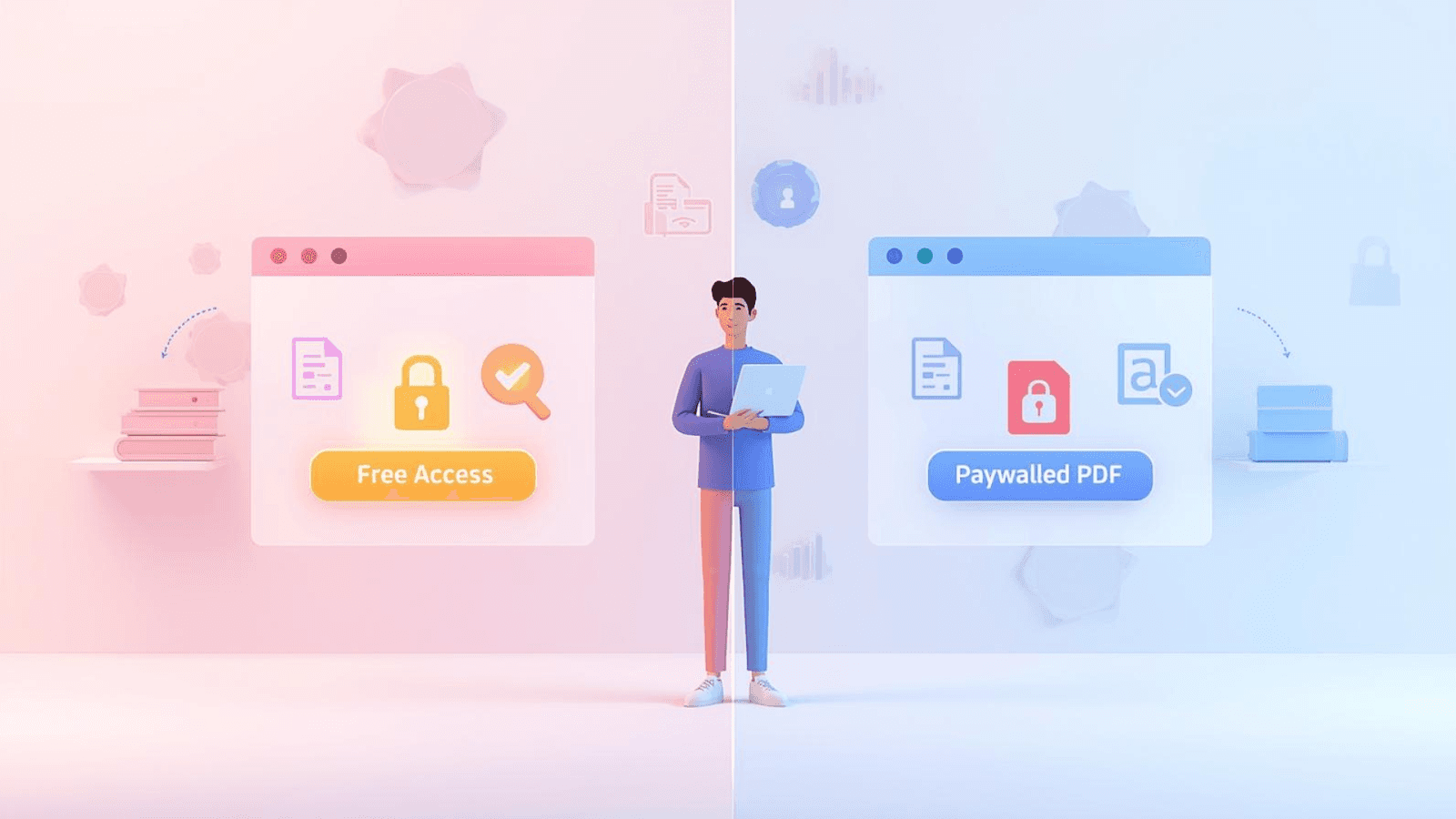
연구 데이터베이스는 플랫폼과 학생 또는 연구자로서 접근하는 방법에 따라 무료와 유료가 둘 다 될 수 있습니다. 일부 데이터베이스는 공공에 완전히 무료로 개방되어 있으며, 일부는 유료 장벽 뒤에 있으며 도서관 및 기관에 판매되며, 많은 데이터베이스는 무료 초록과 유료 전문 텍스트가 혼합되어 있습니다.
대부분의 대학생에게 “유료” 데이터베이스는 기관에서 구독을 지원하기 때문에 매일 유료로 느껴지지 않습니다. 대학 포털이나 캠퍼스 네트워크를 통해 로그인하면 스스로 구매하기에는 너무 비쌀 데이터베이스에 전면 접근할 수 있습니다. 반면 독립 연구자는 이러한 유료 장벽을 보다 직접적으로 느끼며 무료 또는 개방형 옵션에 많이 의존합니다.
간단한 비교는 다음과 같습니다:
데이터베이스 또는 접근 유형 | 일반적인 예 | 비용 모델 | 학생과 연구자가 일반적으로 접근하는 방식 |
무료 및 개방형 액세스 데이터베이스 | 정부 저장소, 전문 개방형 색인, 사전 인쇄 서버 | 검색 및 읽기 무료, 때때로 고급 기능에 대한 제한 있음 | 누구나 직접 사용할 수 있으며, 계정 없이도 가능합니다. |
하이브리드 데이터베이스 | 무료 초록을 보여주지만 많은 전문 텍스트 기사에 대해서는 요금을 부과하는 플랫폼 | 검색은 무료지만 전문 텍스트는 기사당 요금 지불 또는 구독이 필요할 수 있음 | 학생은 대학을 통해 전체 접근을 하는 경우가 많고, 다른 사람들은 기사당 지불하거나 개방형 버전을 찾을 수 있습니다. |
구독 데이터베이스 | 출판사나 집계업체가 호스팅하는 대규모 학술 컬렉션 | 유료 기관 구독 또는 개인 계정을 통해서만 접근 가능 | 대학 및 연구 기관이 비용을 지불하고, 사용자는 기관 자격 증명으로 로그인 |
이러한 차이로 인해 데이터베이스가 “무료”라고 느껴지는 것은 종종 사용자의 상태에 따라 다릅니다:
대학에 등록된 경우, 많은 유료 데이터베이스는 도서관을 통해 사용 시 사실상 무료입니다.
독립 연구자이거나 작은 기관에 있는 경우, 무료 또는 개방형 데이터베이스와 도구에 더 의존할 수 있습니다.
많은 연구자들은 무료 검색 도구로 시작한 다음 기관 접근, 도서관 간 대출 또는 저자 복사본을 사용하여 유료 콘텐츠에 접근합니다.
또한 데이터베이스의 비용이 자동으로 연구의 질을 반영하지는 않다는 점도 주목할 가치가 있습니다. 훌륭한 개방형 저널과 저장소가 있으며, 유료 장벽 뒤에는 더 약한 자료도 있습니다. 중요한 것은 각 출처를 출판사, 동료 리뷰 과정, 관련성 및 방법론적 질에 따라 평가하는 것입니다.
따라서, 연구 데이터베이스는 단순히 무료 또는 유료라고 엄격하게 정의할 수 없습니다. 그들은 스펙트럼에 존재하며, 이들에 대한 경험은 기관 접근, 분야 및 개방형 도구를 구독형 자원과 결합하는 것에 대한 편안함에 따라 달라집니다.
오늘 Jenni와 함께 글을 쓰기 시작하세요!
오늘 무료 Jenni AI 계정에 가입하세요. 당신의 연구 잠재력을 열어보고 그 차이를 직접 경험해보세요. 학문적 우수성을 향한 당신의 여정은 여기에서 시작됩니다.