에 의해
네이선 아우영
—
학술 Writing에서 팟캐스트 참조하기: 완벽 가이드

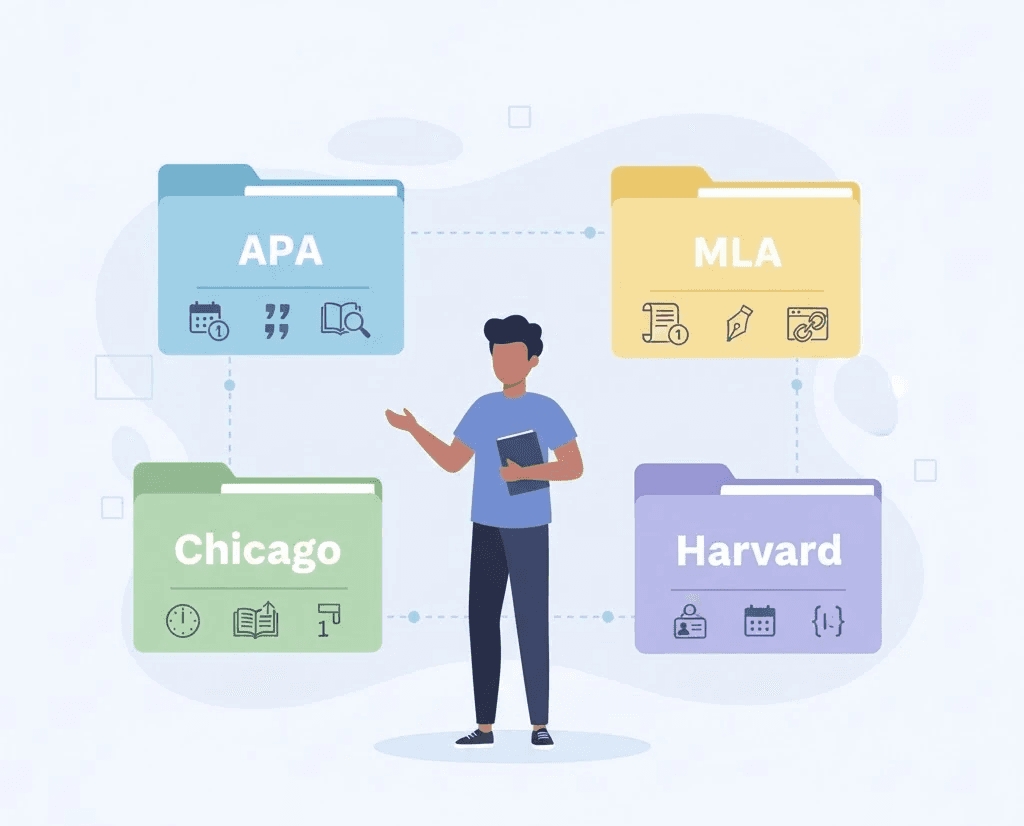
팟캐스트는 학술지나 강의실을 넘어 전문가의 인사이트, 연구, 아이디어를 공유하는 강력한 방법으로 자리 잡았습니다. 현재 많은 대학에서 지식을 더욱 쉽게 접하고 흥미를 유발하기 위해 이를 활용하고 있습니다.
학생과 연구자에게 이는 인용해야 할 출처가 하나 더 늘어났으며, 실수할 여지가 있는 곳이 하나 더 생겼음을 의미합니다. 책과 달리 팟캐스트는 형식이 계속 바뀌고 제작 참여자가 여러 명이기 때문에, 학술적 정직성을 유지하기 위해 올바르게 인용하는 것이 매우 중요합니다. 이 가이드에서는 APA, MLA, 시카고(Chicago), 하버드(Harvard) 스타일로 팟캐스트를 정확하고 자신 있게 인용하는 방법을 보여줍니다.
<CTA title="학술 인용 마스터하기" description="형식 맞추는 스트레스 없이, 단 몇 초 만에 정확하고 정갈한 팟캐스트 인용 출처를 생성해 보세요." buttonLabel="Jenni 무료로 제니 체험하기" link="https://app.jenni.ai/register" />
팟캐스트 인용이 중요한 이유
지난 10년 동안 팟캐스트 형식은 현대 지식의 아카이브가 되었습니다. 신경과학을 분석하는 Radiolab, 행동경제학을 탐구하는 Freakonomics Radio, 또는 현장 연구자들을 인터뷰하는 The AnthroBiology Podcast를 떠올려 보세요. 이는 단순한 사적인 대화가 아니라, 학술적 담론의 현대적 확장입니다.
팟캐스트를 올바르게 인용하면 다음과 같은 이점이 있습니다.
공로를 인정함으로써 지적 소유권을 존중합니다.
타인이 정보를 검증할 수 있도록 하여 학술적 투명성을 유지합니다.
멀티미디어 자료를 활용했음을 보여줌으로써 연구의 깊이를 증명합니다.
본인의 의견과 타인의 의견을 명확히 구분함으로써 표절을 방지합니다.
팟캐스트 인용은 대화에 공로를 인정하는 것이라고 생각하면 쉽습니다. 에피소드에서 가져온 모든 인용구, 아이디어, 논거는 인쇄 출판물과 마찬가지로 명확하게 출처를 밝혀야 합니다.
인쇄 매체에서 저자와 편집자를 표기하는 것처럼, 인사이트를 제공한 진행자(호스트), 게스트, 프로듀서 등의 목소리를 존중하는 절차입니다.
팟캐스트 인용에 포함해야 할 내용
모든 주요 인용 스타일은 6가지 필수 요소를 공유합니다. 이를 기억해 두면 어떤 형식도 손쉽게 작성할 수 있습니다.
저자 또는 진행자(Host): 에피소드의 제작자, 내레이터 또는 프로듀서로 등록된 인물.
날짜: 에피소드 출시일(또는 시리즈의 활동 기간).
제목: 에피소드 제목은 큰따옴표("")로 묶고, 쇼 전체를 지칭할 때는 팟캐스트 제목을 이탤릭체로 표기합니다.
포맷: 매체를 특정하기 위해 [Podcast] 또는 [Audio podcast episode] 등으로 표기.
출판사 또는 제작사: 해당 팟캐스트를 배포하는 조직.
URL: 특정 에피소드 또는 팟캐스트 홈페이지로 연결되는 링크.
<ProTip title="💡 꿀팁:" description="에피소드에 지정된 저자가 없는 경우, 저자 자리에 팟캐스트 제목을 기재하세요. 완벽함보다는 일관성이 중요합니다." />
런타임(재생 시간), 시즌 및 에피소드 번호, 접속 날짜와 같은 추가 세부 정보는 사용 중인 특정 스타일 가이드에서 요구하는 경우에만 포함하면 됩니다.
인용 스타일별 차이점
각 인용 스타일은 자체적인 규칙에 따라 이 6가지 요소를 구성합니다. 차이점을 이해하면 나중에 표기 형식을 맞추느라 씨름하는 시간을 줄일 수 있습니다. 과제 전반에서 이러한 시스템이 어떻게 비교되는지 더 넓은 개요를 보려면 학생을 위한 인용 스타일 안내서를 참조하세요. 이제 APA, MLA, 시카고, 하버드 스타일에서 팟캐스트를 어떻게 인용하는지 구체적으로 살펴보겠습니다.
APA 스타일 (제7판)
APA(미국심리학회) 스타일은 사회과학 및 교육 연구의 기본 표준입니다. 날짜와 저자를 강조하므로 시간에 민감한 오디오 미디어에 적합합니다. 전체 규칙은 언제든지 APA 스타일 제7판 매뉴얼에서 확인할 수 있습니다.
참고문헌 목록 형식
진행자 성, 이름 이니셜. (진행자). (연도, 월 일). 에피소드 제목 (에피소드 번호 번) [Audio podcast episode]. 팟캐스트 이름. 제작사. URL
예시
Rogers, C. (Host). (2024, June 11). Why AI ethics need philosophers [Audio podcast episode]. In Mind Over Machine. Vox Media. https://www.voxmedia.com/mindovermachine
본문 내 인용
의역: (Rogers, 2024)
직접 인용: (Rogers, 2024, 12:45)
<ProTip title="🎧 기억해 두세요:" description="오디오 소스를 인용할 때는 타임스탬프를 포함하세요. 독자가 인용한 정확한 지점을 찾는 데 도움이 됩니다." />
단일 에피소드가 아니라 팟캐스트 전반을 인용하는 경우, 에피소드 제목과 날짜를 빼고 활성화되어 있던 연도 범위를 표기합니다.
예시 (전체 시리즈)
Rogers, C. (Host). (2019–present). Mind Over Machine [Audio podcast]. Vox Media. https://www.voxmedia.com/mindovermachine
APA는 독자가 *누가*, *언제* 말했는지 알 수 있도록 유도합니다. 쇼 전체를 인용하지 않는 한 각 에피소드를 개별 출처로 취급하세요.
APA 핵심 요약: 저자(진행자), 날짜, 참고할 링크를 최우선으로 기입하세요. 단일 에피소드를 인용하는 것인지 전체 시리즈를 인용하는 것인지 항상 명확히 밝힙니다.
MLA 스타일 (제9판)
MLA(미국현대어문학협회) 스타일은 인문학 글쓰기에서 널리 쓰입니다. MLA는 날짜보다는 제작자와 제목을 명시하는 데 중점을 둡니다. 작품에 기여한 *사람*에 대한 투명한 표기를 중요하게 여깁니다. 전체 인용 예시는 MLA 핸드북 제9판에서 확인할 수 있습니다.
참고문헌 목록 형식
성, 이름, 역할. "에피소드 제목." 팟캐스트 이름, 시즌 번호, 에피소드 번호, 출판사/배포사, 게시일, URL.
예시
Brooks, David, host. "The Future of Work." The Atlantic Exchange, season 3, episode 4, The Atlantic, 12 Jan. 2023, https://theatlantic.com/exchange.
본문 내 인용
(진행자 성)
MLA는 창작 기여자의 역할 표기에 강점이 있으므로, 인터뷰 에피소드를 인용하는 경우 진행자와 게스트를 모두 명시할 수 있습니다.
예시 (인터뷰 에피소드)
Brooks, David, host. "Neuroscience of Habits," featuring Charles Duhigg. The Atlantic Exchange, The Atlantic, 5 Mar. 2023, https://theatlantic.com/exchange.
MLA는 에피소드에 담긴 창작적 협업 파트너십을 조명하므로, 문화적 또는 수사학적 영향을 분석할 때 매우 중요합니다.
MLA 핵심 요약: 창작 역할(진행자, 게스트, 프로듀서 등)을 항상 명확히 명시하세요. 확인이 가능한 경우 시즌 및 에피소드 번호도 포함합니다.
시카고 스타일 (제17판)
시카고 스타일은 완전성과 맥락을 선호하여 역사학, 예술 및 미디어 연구에서 널리 사용됩니다. 규격이 유연하여 각주-참고문헌(notes-bibliography) 방식과 저자-날짜(author-date) 방식을 모두 지원합니다. 재생 시간이나 접속 날짜와 같은 상세한 정보까지 기재하는 것을 권장합니다.
참고문헌 형식
진행자 성, 이름, 진행자. "에피소드 제목." 팟캐스트 이름. 월 일, 연도. 오디오 팟캐스트, 재생시간. URL.
예시
Dunn, Sarah, host. "Global Water Crisis." Earth Matters. May 10, 2022. Audio podcast, 42:16. https://earthmatters.org/podcast/watercrisis.
각주 예시
Sarah Dunn, host, "Global Water Crisis," Earth Matters, May 10, 2022, audio podcast, 42:16, https://earthmatters.org/podcast/watercrisis.
<ProTip title="💡 꿀팁:" description="시카고 스타일에서는 직접 인용 시 추적 가능성을 높이기 위해 런타임이나 타임스탬프를 포함하는 것이 좋습니다." />
시카고 핵심 요약: 완전성을 최우선으로 하세요. 날짜, 형식, 재생 시간 등이 포함됩니다. 네 가지 스타일 중 가장 세부적인 부분에 주의를 기울여야 하는 형식입니다.
하버드 스타일
하버드 스타일은 영국 및 연방 국가의 교육 기관에 적합한 표기법입니다. APA의 명확성과 MLA의 접근성 강조를 혼합한 형태입니다. 하버드 인용은 APA와 비슷하지만 약간 차이가 있습니다. 에피소드 제목에는 작은따옴표('')를 사용하고 팟캐스트 이름은 이탤릭체로 표기합니다. 정확한 지침은 앵글리아 러스킨 대학교의 하버드 가이드를 참조하세요.
참고문헌 목록 형식
진행자 성, 이름 이니셜. (연도) ‘에피소드 제목’, 팟캐스트 이름 [Podcast], 일 월. 이용 가능 지점: URL (접속 날짜: 일 월 연도).
예시
Khan, T. (2023) ‘Design Thinking for Engineers’, The Creative Loop [Podcast], 15 February. Available at: https://thecreativeloop.com (Accessed: 12 October 2024).
본문 내 인용
(Khan, 2023)
하버드 핵심 요약: 특히 콘텐츠가 변경되거나 업데이트될 수 있으므로, 자료에 접속한 날짜(데이터 확인일)를 항상 포함하세요.
네 가지 스타일 비교
특정 기능 | APA 7판 | MLA 9판 | 시카고 17판 | 하버드 |
저자(Author) | 진행자를 저자로 표기 | 진행자 표기, 역할 명시 | 진행자 표기, 역할 명시 | 진행자를 저자로 표기 |
에피소드 제목 형식 | 일반 문장식 대소문자 | "큰따옴표" | "큰따옴표" | ‘작은따옴표’ |
팟캐스트 이름 형식 | 이탤릭체 | 이탤릭체 | 이탤릭체 | 이탤릭체 |
날짜 형식 | 연도, 월 일 | 일 월 연도 | 월 일, 연도 | 일 월 연도 |
URL 포함 조건 | 필수 | 필수 | 필수 | 필수 |
접속 날짜 조건 | 선택적 | 포함하지 않음 | 선택적 | 필수 |
특수 세부사항 | 에피소드 번호 | 역할 레이블 명시 | 런타임(길이) | 접속 날짜 |
<ProTip title="📘 기억해 두세요:" description="소속 기관이 요구하는 인용 스타일을 항상 맞춰야 합니다. 모든 참고 문헌 전반의 표기 일관성은 타협 불가한 필수 요소입니다." />
팟캐스트를 인용해야 하는 경우
다음 상황에서는 반드시 팟캐스트를 인용해야 합니다.
호스트나 게스트가 직접 언급한 내용을 인용할 때.
원래 아이디러를 의역하거나 나눈 대화를 요약할 때.
에피소드 내에서 공유된 통계 또는 연구 자료를 참조할 때.
문헌 검토나 데이터 출처의 일부로 팟캐스트를 언급할 때.
하지만 연구 주제와 관계없는 일반 상식이나 논평은 인용할 필요가 없습니다. 예를 들어 콘텐츠를 직접 사용하지 않고 특정 팟캐스트가 존재한다는 사실만 기술할 때는 인용구가 필요 없습니다.
윤리적 고려사항 및 신뢰성 평가
팟캐스트는 본질적으로 격식 없는 자유로운 경우가 많기 때문에, 모든 에피소드가 신뢰할 수 있는 학술 출처로 인정받는 것은 아닙니다. 인용하기 전에 다음을 평가해 보세요.
전문성: 호스트나 게스트가 해당 분야의 자격을 갖추었는가?
제작 출처: 신뢰할 수 있는 기관이나 학술 기관에서 제작한 것인가?
정확성: 제공된 데이터나 정보가 다른 출처를 통해 검증 가능한가?
편향성: 에피소드가 근거 중심의 주장이 아닌 주관적인 의견만을 표명하고 있는가? 사설, 협찬 광고 또는 옹호 중심적인가?
제작 품질: 신뢰도 높은 편집 상태 또한 전문성을 보여주는 지표입니다.
<ProTip title="🔍 꿀팁:" description="학술적 논증에 팟캐스트 주장을 활용하기 전에, 동료 검토 피어리뷰가 완료된 논문 등 검증된 연구 결과와 교차 검증을 거치세요." />
신뢰도가 떨어지는 팟캐스트를 인용하면 본인 연구의 공신력이 떨어질 수 있습니다. 신문 기사를 인용할 때처럼 유용하게 활용하되 충분한 검증을 거치세요.
연구 논문 작성 시 팟캐스트 인용 방법
장문의 학술 연구에서 팟캐스트는 서면 문헌을 보완하는 역할을 하기도 합니다. 다음 목적으로 활용할 수 있습니다.
공식 서적이나 연구에서 찾아볼 수 없는 전문가의 인사이트를 수집할 때.
인터뷰나 생생한 1차 자료 관점을 참조할 때.
사례 연구 또는 현실 세계의 예시를 들어 설명할 때.
학위 논문이나 학술지에서 팟캐스트는 종종 2차 출처로 활용됩니다. 직간접적인 통찰력을 제공하여 문헌 검토와 맥락 분석을 풍부하게 만듭니다. 이러한 경우 1차 출처와 2차 출처의 이용 사례를 명확히 구분해야 합니다.
1차 이용 사례:
팟캐스트 자체의 어조, 내러티브 방식, 프레임 구조 자체를 분석하는 경우. 이때는 뒷받침 근거가 아니라 연구 대상 자체로 취급합니다.
2차 이용 사례:
자신의 주장을 보강하기 위해 인사이트나 타인의 말을 이끌어 쓰는 경우. 학술지에서 나눈 인터뷰 자료처럼 처리하면 됩니다.
APA 직접 인용문 사례:
Rogers (2024)는 “기술이 스토리텔링 형식으로 주어질 때 교사들은 더 빨리 적응한다”고 설명했습니다 (12:30).
이와 같은 정밀한 표기는 독자가 해당 핵심 인사이트를 *어디서* 찾을 수 있는지 즉각 알려줍니다.
자주 하는 실수와 예방법
역할(호스트/프로듀서) 기재 누락 - 특정 스타일에서는 이를 필수적으로 요구합니다. 선택 사항이라고 임의 판단하지 마세요.
잘못된 제목 서식 사용 - 에피소드 제목은 큰따옴표 안에, 팟캐스트 이름칭은 이탤릭체로 써야 합니다.
직접 인용 시 타임스탬프 누락 - 독자들이 45분짜리 에피소드 전체를 들으며 해당 내용을 검색하게 만들어선 안 됩니다.
발행일 미확인 - 팟캐스트는 예전 글을 수정 편집하여 재기재하기도 합니다. 항상 최초 출시 및 최종 확인 날짜를 검증해야 합니다.
자동 인용 생성기 맹신 - 인공지능이 도출해 준 인용 데이터도 항상 실제 공식 가이드라인과 교차 확인해야 합니다.
일관성 없는 대소문자 표기 - 선택한 가이드 지침을 철저하게 준수하세요.
하버드 스타일에서 접속일 누락 - 반드시 기입하세요.
제작 배포사 누락 - NPR이나 Vox 같은 배포 네트워크 정보는 글의 공신력을 평가할 때 매우 유용합니다.
<ProTip title="🧠 조언:" description="AI 기반의 레퍼런스 생성 도구는 초안 구조화용으로만 쓰고, 실제 수치나 텍스트 필드는 제출 전 사람이 눈으로 한 번 더 확인해야 실수를 줄일 수 있습니다." />
참고문헌 리스트 서식 구성 요령
참고문헌 목록을 유기적이고 일관되게 관리하세요.
저자(진행자)의 성(Last name) 알파벳순으로 정렬하세요.
첫 줄은 내어 쓰고 둘째 줄부터 들여쓰는 내어쓰기(hanging indent) 형식을 고수하세요.
문장 부호 마침표 하나 단어 하나가 해당 지침 규칙과 정확히 맞는지 최종 점검하세요.
APA 및 하버드 스타일의 경우 제공되는 고유 디지털 객체 식별자(DOI)가 있다면 같이 수록해 주면 좋습니다.
공동 진행자 표기 예시 (APA)
Reed, T., & Gomez, M. (Hosts). (2023, March 3). Redesigning public transport [Audio podcast episode]. In The Future Grid. NPR. https://npr.org/futuregrid
프로듀서 팀 표기 예시 (MLA)
Johnson, Lara, and Ahmed Khalid, producers. "Mapping Mars Data." Space Frontiers, NASA Studios, 2 Apr. 2024, https://nasa.gov/podcast/spacefrontiers.
고급 인용 시나리오
대본(Script) 인용 시
오디오 소스 대신 텍스트로 녹취되어 출판된 대본(스크립트)을 이용하는 경우, 팟캐스트가 아닌 일반 웹페이지 문서 인용 형태를 적용해야 합니다.
더 이상 비공개된 에피소드 처리
원래 올라온 웹 서버에서 삭제된 경우, 보관된 텍스트 사본 대본이나 웨이백 머신(Wayback Machine) 같은 아카이브 주소 링크를 빌려 올 수 있습니다.
비디오 형식의 보라(보이는 라디오) 팟캐스트
매체를 [Video podcast episode] 등의 식별 레이블로 변경해 표기하세요. 업로드 플랫폼(유튜브, 스포티파이 등)을 명시해야 합니다. 멀티미디어와 관련한 구체적인 APA 지침은, APA 7판 가이드에서 디지털 비디오 인용법 부분을 참조해 보세요.
직접 수집한 인터뷰 소스
자신이 누군가를 초청하여 대화한 내용을 팟캐스트 방송으로 냈다면 본인을 제작자나 진행자, 초빙 상대를 게스트 목록에 얹어 기재해야 합니다.
동일 방송에서 여러 에피소드를 동시에 인용할 때
한 프로그램 내에서 2개 이상을 뽑아 쓸 경우엔 한 라인으로 퉁치지 않고 개별 건수마다 다른 항목으로 각각 세분화해 인용 목록을 생성해야 합니다.
<ProTip title="🎙 알려드립니다:" description="복수 에피소드 기술 시 통합하지 말고 발행 시점이 다른 고유 자료로 인식하여 각각 한 줄씩 참고문헌 행을 할당해 주세요." />
팟캐스트 완성도 체크리스트
과제나 연구 논문을 마지막 제출하기 전 이 기준표를 꺼내 점검해 보세요.
✅ 호스트 또는 저자명을 올바르게 식별하여 표기했는가?
✅ 에피소드 날짜와 제목이 정확한 사실인가?
✅ [Audio podcast episode] 등 규격 식별 태그를 누락하지 않았는가?
✅ 배급 유통 제작사 네트워크와 URL을 온전히 첨부했는가?
✅ 가이드에서 정한 스타일대로 소수점과 콤마 부호를 잘 찍었는가?
✅ (하버드 스타일 한정) 데이터 접속 및 확인 일자를 붙였는가?
✅ 필요한 타임코드 시간을 명문화해 주었는가?
✅ 첫 단어 대소문자와 이탤릭 폰트 규약을 정확하게 구현했는가?
만일 위 문항들을 한 번에 통과했다면 정상적인 학술 기준을 완벽하게 만족한 상태입니다.
참고문헌 작성을 편리하게 도와주는 리소스
클릭 몇 번으로 작업을 단순화할 수 있는 유용한 도구들입니다.
제니 AI 인용 출처 생성기(Jenni AI Citation Generator): APA, MLA, Harvard 템플릿의 자동 전환 및 통합 기능을 바로 제공합니다.
Zotero 또는 Mendeley와 같은 참고문헌 매니저 툴을 활용하여 커스텀 레코드를 제작하세요.
ListenNotes 나 Podchaser 플랫폼: 에피소드의 정확한 발행 일정 및 퍼블리셔 상세 내역을 서치하기 좋습니다.
CrossRef / DOI.org: 전후 맥락 연구 기반 미디어 에피소드의 DOI 번호를 식별할 때 용이합니다.
자체 학교 부서 지침: 일반 보편 기준보다 본인이 적을 둔 학내 교수진이 공표한 세부 지시 명령이 최우선 순위입니다.
기계화 솔루션을 통해 단순 오타는 줄일 수 있지만, 궁극적으로 최종 규정 준수 여부를 다듬고 승인하는 일은 사람 검수자의 몫입니다. 도구는 보조 수단일 뿐 마지막 책임은 작성자 본인에게 있습니다.
<ProTip title="⚙️ 팁:" description="프로그램으로 일괄 자동 생성한 문헌 세트라도 제출하기 바로 전 상태의 URL 유효성 및 접속 만료 날짜가 누락되었는지 다시 한 번만 최종 체크 루틴을 돌려주시는 것이 좋습니다." />
우수 실사례 예시 가이드
실제 학업 케이스 1:
심리학 전공 학생이 인지적 편향 설명 개념을 뒷받침하려 Hidden Brain 방송을 기술하는 경우:
APA: Vedantam, S. (Host). (2023, Sept 2). The power of first impressions [Audio podcast episode]. In Hidden Brain. NPR. https://npr.org/hiddenbrain
실제 학업 케이스 2:
미디어 연구 전공자가 방송에 입혀진 스피치 이야기 전개 구조 구성을 분석하는 케이스:
MLA: Glass, Ira, host. "How Stories Work." This American Life, season 5, episode 1, WBEZ, 10 Jan. 2022, https://thisamericanlife.org.
실제 학업 케이스 3:
경영대 행정 분과 학생이 뉴욕타임스에서 매일 발간하는 The Daily 뉴스 오디오를 수집하고자 하는 상황:
Harvard: Barbaro, M. (2024) ‘The AI Race’, The Daily [Podcast], 15 March. Available at: https://nytimes.com/thedaily (Accessed: 10 Nov 2024).
각각 목적 지향점이 다름을 볼 수 있습니다. 흐름 조형은 APA, 전달 화술 표현은 MLA, 빠른 데이터 접근성은 Harvard 가 빛을 발합니다.
출처 표기법 규칙의 시대적 흐름 변화
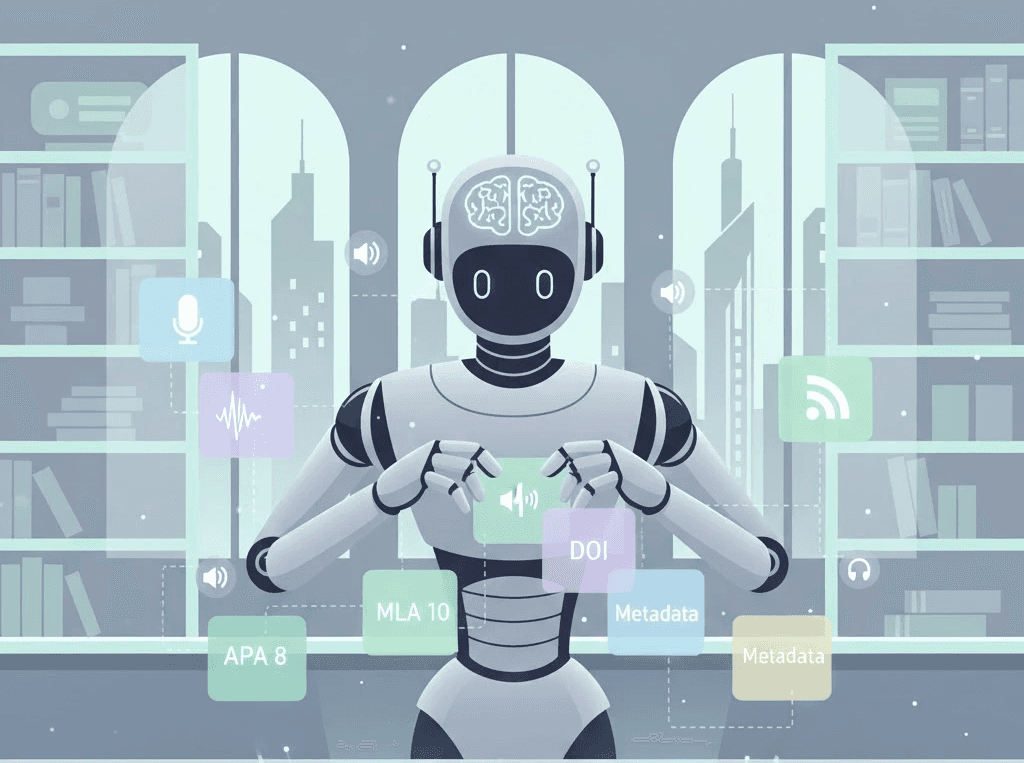
학회 중심의 논쟁 토론 마당으로서 디지털 소리의 영역이 커질수록 관련 규정도 시대에 상응하게 거듭날 것입니다. 후일 출범할 APA 8판 및 MLA 개정판 등에서는 순수 비디오 대본, 최근 등장한 인공지능이 변환한 내레이션 파일, 또는 VR 체험형 매체도 구분된 전용 범주로 영입될 확률이 농후합니다. 앞으로 찾아올 현상:
공적 미디어 방송에도 개별 논문 고유 식별 번호표(DOI) 발급 일상화.
전문 초대석 게스트 소속 대학명 등 상세 메타데이터 표준 수록.
RSS 피드 전송 시 자동 동기화되는 참고문헌 매핑 빌드 기술 탑재.
논문 서지 가이드라인은 정체되어 있지 않습니다. 정보가 소통되는 최신 미디어 환경에 맞춰 지속적으로 변화합니다. 지금 올바른 인용 규칙을 내재화하면 앞으로 마주할 다양한 멀티미디어 디지털 글쓰기 트렌드에도 유연하게 대처할 수 있습니다.
체계적인 학술 소통의 첫걸음
학술 연구에서 원활하고 세련된 오디오 기재 역량을 닦는다는 것은 클래식 지식 플랫폼과 오늘날 뉴미디어 양자 플랫폼 사이를 조화롭게 잇는 든든한 다리 역할을 해낼 수 있음을 뜻합니다. 다원화된 활동가, 언론인, 지식 파수꾼들이 지상에 흩뿌려 둔 공로의 정수를 유서 깊은 공식 인용 규격으로 격상하는 가치 있는 활동입니다.
<CTA title="믿을 수 있는 인용문 빌드" description="Jenni의 강력한 서지 도구를 활용하여, 단 몇 초 만에 팟캐스트, 영상, 뉴스 아티클 등을 완벽한 형식의 인용구로 바꾸어 보세요." buttonLabel="Jenni 무료로 체험하기" link="https://app.jenni.ai/register" />
APA, MLA, Chicago, Harvard 등 대표 4대 체계를 정확하게 구사함으로써 연구에 인용된 모든 콘텐츠가 충분히 검증 가능하고 공신력 있게 유지될 수 있도록 할 수 있습니다. 이는 단순한 기술적 숙달을 넘어, 타인의 연구를 존중하는 지성인의 기본 소양입니다.