研究データベースは学生や研究者にとって無料ですか、それとも有料ですか?
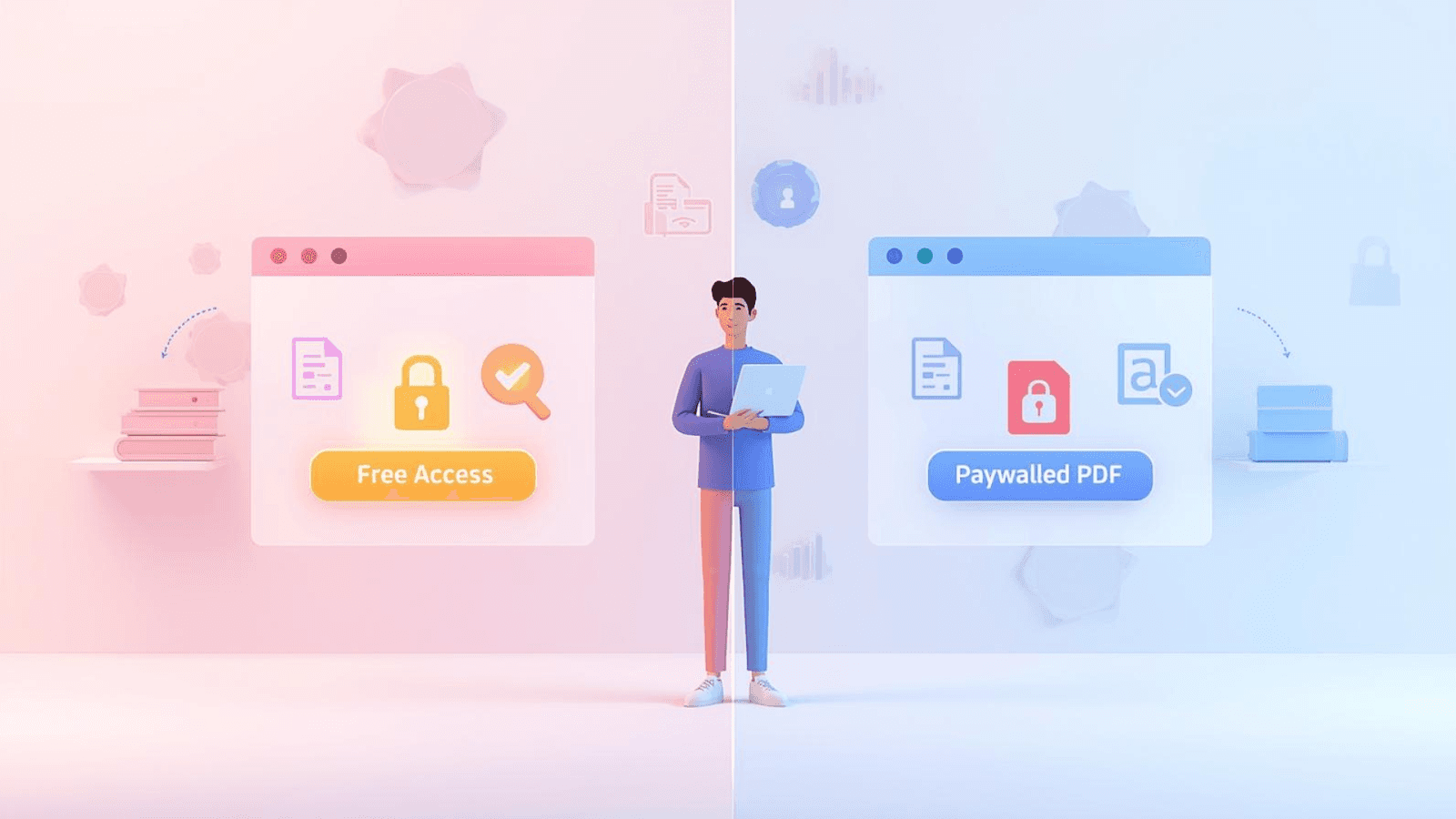
研究データベースは、プラットフォームや学生や研究者としてのアクセス方法に応じて、無料である場合と有料である場合があります。一部のデータベースは完全に一般公開されており、コストはかかりませんが、いくつかは有料で、図書館や機関に販売されており、多くは無料の要約と有料の全文の混合に収まっています。
ほとんどの大学生にとって、「有料」のデータベースは日常的に有料に感じることはなく、機関がサブスクリプションを負担します。大学のポータルまたはキャンパスネットワークを通じてログインすると、自分で購入するには高価すぎるデータベースに通常は完全にアクセスできます。一方、独立した研究者は、より直接的にその支払いの壁を感じ、しばしば無料またはオープンアクセスの選択肢に大きく依存しています。
ここに簡単な比較があります:
データベースまたはアクセスの種類 | 典型的な例 | コストモデル | 学生や研究者が通常アクセスする方法 |
無料かつオープンアクセスのデータベース | 政府のリポジトリ、専門のオープンアクセスインデックス、プレプリントサーバー | 検索と閲覧は無料で、場合によっては高度な機能に制限があります | 誰でも直接使用でき、しばしばアカウントなしで利用可能です |
ハイブリッドデータベース | 無料の要約は表示されるが、多くの全文の記事に対して料金が発生するプラットフォーム | 検索は無料ですが、全文は記事ごとに支払いが必要な場合やサブスクリプションが必要な場合があります | 学生は大学を通じて完全にアクセスできる場合がありますが、他の人は記事ごとに支払うか、オープンバージョンを探すことがあります |
サブスクリプションデータベース | 出版社やアグリゲーターがホストする大規模な学術コレクション | 有料の機関サブスクリプションまたは個人アカウントを通じてのみアクセス可能 | 大学や研究機関が支払い、ユーザーは機関の資格情報でサインインします |
これらの違いのため、データベースが「無料」に感じられるかどうかは、しばしばあなたの状況に依存します:
大学に在籍している場合、多くの有料データベースは、図書館を通じて使用時に実質的に無料になります。
独立した研究者や小規模な機関にいる場合は、無料またはオープンアクセスのデータベースやツールにもっと依存するかもしれません。
多くの研究者は両方を組み合わせており、無料の検索ツールから始めて、その後、機関へのアクセス、図書館間貸し出し、または著者コピーを使用して有料コンテンツにアクセスします。
データベースのコストが自動的に研究の質を反映するわけではないことも注目に値します。優れたオープンアクセスのジャーナルやリポジトリがあり、支払いの壁の背後にある質の低い資料もあります。重要なのは、各情報源をその発行者、査読プロセス、関連性、方法論の質に基づいて評価することです。
したがって、研究データベースは厳密な意味で単に無料または有料ではありません。彼らはスペクトラム上に存在し、彼らとの経験は、あなたの機関へのアクセス、あなたの分野、およびオープンアクセスツールをサブスクリプションベースのリソースと組み合わせることにどれだけ自信があるかに依存します。
今日からJenniで書き始めましょう!
今日、無料のJenni AIアカウントにサインアップしてください。研究の可能性を解き放ち、自分自身でその違いを体験してください。学問の卓越性への旅はここから始まります。