によって
ジャスティン・ウォン
—
言語の壁を越えた執筆:多言語AIライターが明確なコミュニケーションをサポートする方法

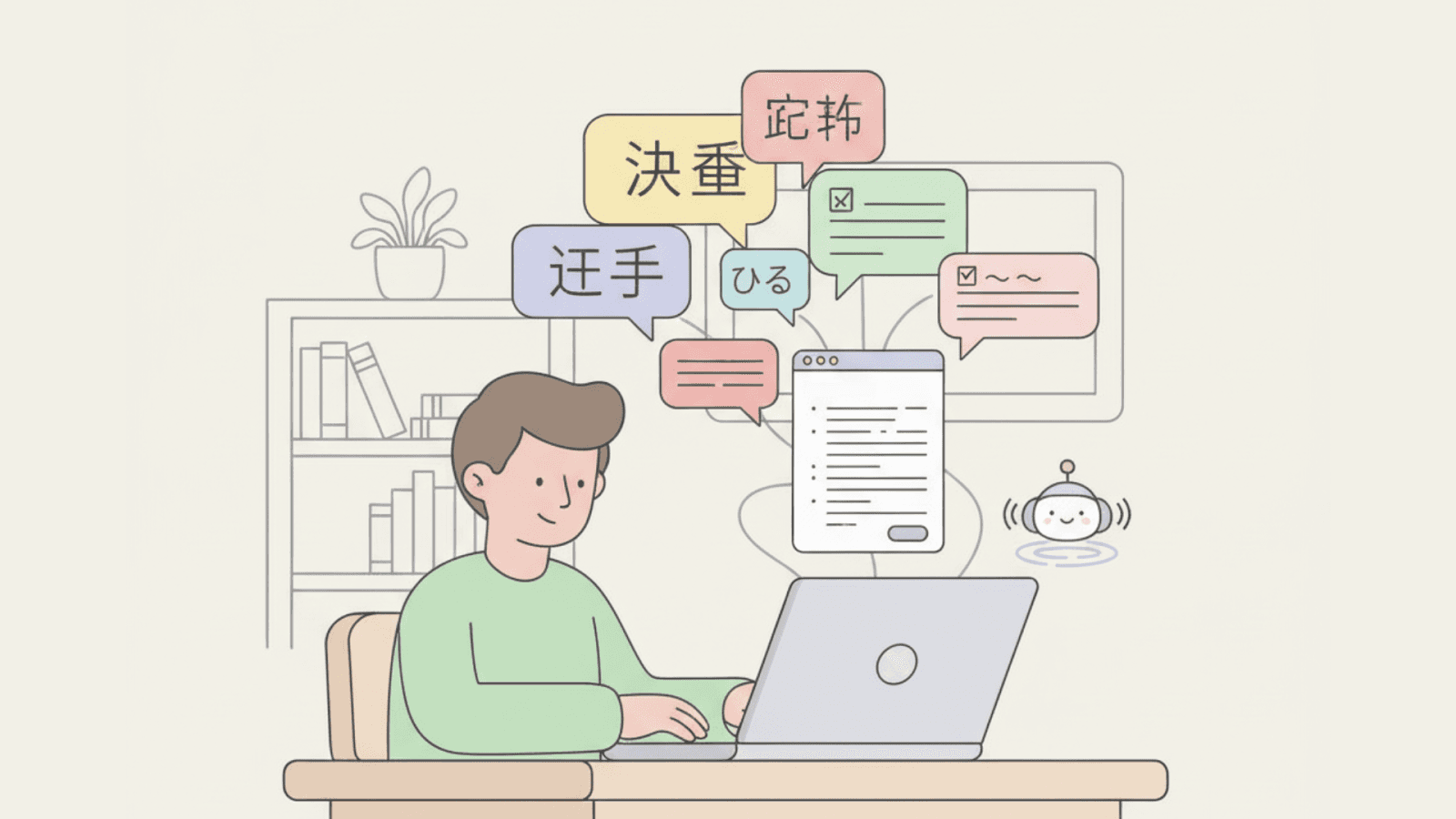
複数の言語で執筆することは、疲弊することに感じられるかもしれません。書きたいことは分かっていても、適切な言葉が出てこなかったり、文法ルールが変わったり、トーンがずれているように感じられたりします。そして、小さな間違いによって、伝えたいメッセージが本来よりも不鮮明に見えてしまうこともあります。
多言語AIライティングアシスタントは、こうした課題を解決します。これらは意味を翻訳し、文章の流れを改善し、複数言語にわたるリサーチをサポートします。このガイドでは、これらのツールがどのように機能するのか、どのような場面で最も役立つのか、何に注意すべきか、そして学校や仕事でどのように活用できるかについて学びます。
<CTA title="複数の言語でより良い文章を書こう" description="Jenniを使って、アイデアの整理、スピーディな下書き、そしてあらゆる言語での明瞭な表現を実現しましょう" buttonLabel="Jenniを無料で試す" link="https://app.jenni.ai/register" />
多言語ツールの背後にあるAIを理解する
多言語AIツールは、一度に多くの言語に対応できるように構築されています。単にある言語から別の言語へと単語を置き換えるだけではありません。多言語人工知能をベースにした強力なシステムは、異なる言語間でも意味、トーン、そして構造を維持することを目指しています。
GPTとNLP
GPTモデルは膨大なデータセットでトレーニングされており、人間のようなテキストを生成することができます。これにNLP(自然言語処理)を組み合わせることで、単にテキストを理解して生成するだけでなく、異なる言語や方言の微妙なニュアンスまで捉えることができます。
GPTツールは膨大な量のテキストから学習します。これにより、次に来るべき単語を予測することができます。自然言語処理(NLP)は、システムが文の構造を読み取り、意図を理解し、異なる言語間での意味を適応させるのに役立ちます。
GPTは、ツールがスムーズな文章を書くのを助けます。
NLPは、ツールが文の意味を理解するのを助けます。
これらが組み合わさることで、より自然で人間が書いたような文章を得ることができます。
<ProTip title="💡 プロのヒント:" description="AIに翻訳や書き換えを依頼する前に、1文につき1つの明確なアイデアに整理して書きましょう" />
言語翻訳
これらのツールはAIを活用してテキストを正確に翻訳し、元の意味を維持しながら、翻訳先言語の言語構造に適応させます。
優れた翻訳とは、逐一の直訳ではありません。多くの単語は、言語間で正確に一対一で対応していません。また、文化によって表現が変わることもあります。強力な多言語AIツールは、以下を実現しようと努めます:
意味を等しく保つ
翻訳先言語の正しい文法を使用する
不自然な表現を避ける
希望するトーンに合わせる
これは学術的な執筆やビジネス文書において重要です。
文脈の理解
高度なNLPアルゴリズムにより、これらのツールは文脈を理解することができます。これは、翻訳やコンテンツ生成において一貫性を維持するために不可欠です。
文脈とは、言葉の背後にある「なぜ」です。これにより、ツールは正しい意味を選択することができます。
例えば英語の「bank」という単語には、「銀行」という意味もあれば、「川の土手」という意味もあります。文脈がなければ翻訳は失敗する可能性がありますが、文脈があればツールは正しい意味を選択できます。
以下の情報を追加することで、文脈の理解を助けることができます:
トピック(学校、仕事、健康、旅行)
ターゲット読者(教師、クライアント、友人)
目的(情報提供、説得、説明)
コンテンツ生成
AIは各言語の特定の文法ルールや文体ルールを考慮しながら、複数の言語でコンテンツを作成できるため、自然で流暢なテキストを作成できます。
多言語AIツールは、ゼロから新しい文章を作成することも可能です。これには以下が含まれます:
メール
レポート
エッセイ
ブログ記事
会議のメモ
しかし、最も良い結果をもたらすのは、あなたがツールをうまくガイドした時です。AIは素早く書くことができますが、それでもあなたの指示を必要としています。
<ProTip title="🧭 プロのヒント:" description="トーンが状況に適したものになるよう、ツールのターゲット読者と目的を伝えましょう" />
AIと言語の壁の突破
言語の壁は、学習や機会へのアクセスを妨げることがあります。限られた言語しか読めない場合、他の地域の研究やニュース、アイデアを見逃してしまう可能性があります。AIライターは、人々が異なる言語間で読み書きできるようにすることで、そのギャップを縮めることができます。
翻訳と多言語サポート
Google翻訳のようなツールは進化し、多数の言語間でほぼ瞬時の翻訳を提供できるようになりました。AIライティングツールはさらに一歩進んで、単に翻訳するだけでなく、複数の言語でオリジナルのコンテンツを作成することも可能です。
翻訳ツールは基本的な内容を理解するのに役立ちます。多言語AIライターは、あなたがより自信を持ってコミュニケーションできるようサポートします。翻訳以外にも、以下のような機能を提供します:
ターゲット言語の文法を修正する
フォーマルまたはカジュアルなトーンに合わせる
異なる言語間でも同じメッセージを維持する
直訳では、ネイティブの読者にとってどうしても「不自然」に聞こえてしまうことがあるため、このプロセスが重要になります。
実社会での応用
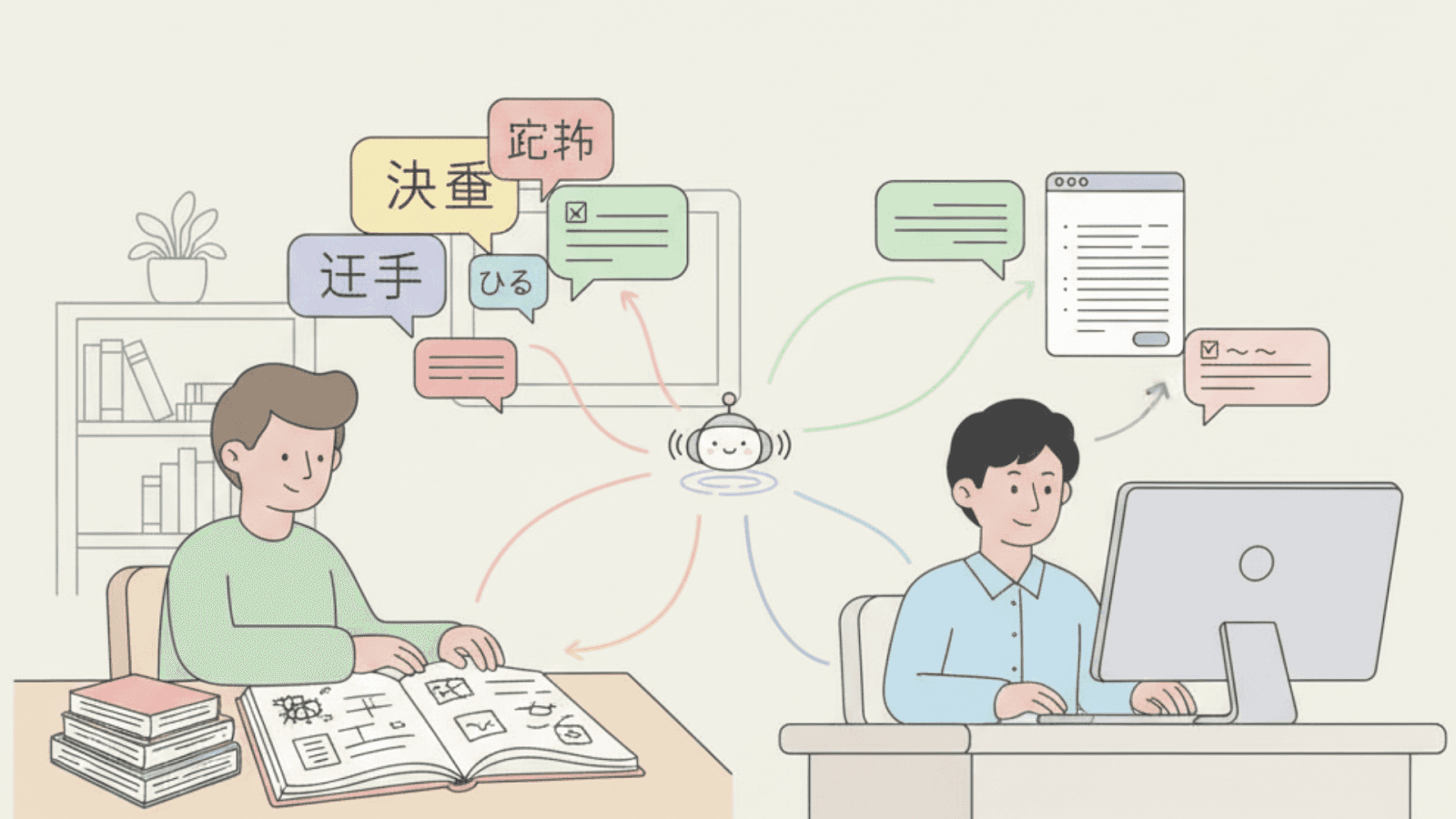
例えば、AIツールはスペイン語を話す学生が英語でエッセイを書くのを手助けしたり、多国籍企業が複数の言語でビジネス文書を作成するのを支援したりして、正確さと文化的な適切さを確保することができます。
以下に、シンプルな例をいくつか挙げます:
学生向け
学生は一つの言語で考え、別の言語で課題を提出しなければならないことがよくあります。AIが下書きや分かりやすさをサポートすることで、学生自身の思考に取って代わることなく、第二言語での執筆が格段にスムーズになります。
自分が最も得意な言語でアイデアを下書きする
AIを使って学校の指定言語に翻訳する
AIに分かりやすさや文法の改善を依頼する
自分らしさが残るように編集する
社会人向け
仕事においては、明確なコミュニケーションがさらに重要になります。多言語AIツールは、トーンや意味を損なうことなく、異なる国や地域に向けてメッセージの一貫性を保つのに役立ちます。
「マスター(基準)」となるメッセージを一つ作成する
各地域や言語に合わせて適応させる
異なるバージョン間でも意味を等しく保つ
フォーマルな執筆におけるトーンの誤りを減らす
これらは小さなステップですが、ライティングに伴うストレスを大幅に軽減してくれます。
<ProTip title="🌍 プロのヒント:" description="翻訳後、不自然なトーンやリズムに気づくために、文章を声に出して読んでみましょう" />
AIを活用したリサーチの強化
AIは執筆を執筆をサポートするだけでなく、リサーチ(特に異なる言語の資料を扱う場合)も支援します。これは学生や研究者にとって非常に大きなメリットです。
データ分析
AIツールは大規模なデータセットを分析し、人間が見落とすかもしれないパターンや洞察を特定することができます。一部のAIツールは、膨大なデータを整理・スキャンするのに役立ちます。これは、科学、ビジネス、社会調査などで広く行われています。
AIは以下のようなタスクをサポートできます:
調査データにおける類似した回答のグループ化
繰り返されるパターンの特定
主要なトレンドの要約
リサーチスキルそのものに取って代わるわけではありませんが、初期段階のステップを効率化することができます。
要約作成
AIは長い学術論文を素早く要約できるため、さまざまな情報源から情報を集めるのが容易になります。長い論文を読むのは時間がかかりますが、AIによる要約は、どの文献を全文読むべきかを判断するのに役立ちます。
要約の優れた活用方法は以下の通りです:
まず要約を依頼する
重要な用語や主な主張を提示させる
詳細を確認するために元の情報源を読む
自力でノートをとる
これにより、文脈の意味を自分でしっかりとコントロールすることができます。
情報源の検証
膨大なデータベースにアクセスして分析できるため、AIツールは情報源の信頼性や関連性の検証を支援し、学術的な成果物の整合性を担保することができます。
AIは、以下のような基本事項の確認をサポートします:
情報源の著者
発行された年
査読済みかどうか
根拠となる証拠が引用されているか
それでも、重要な事実は自身で裏付けを取る必要があります。AIは間違いを犯すことがあり、すべての情報源が信頼できるとは限りません。
他言語にまたがるリサーチ
AIツールはリサーチ資料をある言語から別の言語に翻訳して適応させることができるため、異なる言語環境で活動する研究者にとって、より幅広い情報源にアクセス可能になります。
これは最大のメリットの一つです。Ethnologueによると、世界には7,000以上の現生言語が存在します。しかし、インターネット上のコンテンツは依然として一部の言語に大きく偏っています。例えば、W3Techsの報告によると、彼らが追跡しているウェブサイトの約半数で英語が使用されています。
これは、多くのアイデアが世界の聴衆に届かないことを意味しています。多言語AIは、より多くの情報源を読むことを可能にし、自分の成果をより多くの人々と共有するための架け橋となります。
<ProTip title="📚 プロのヒント:" description="資料の翻訳にAIを使用する場合でも、引用の際は原著の著者およびオリジナルのタイトル言語を記載しましょう" />
主要な多言語AIライター
数多くの多言語AIツールが存在します。翻訳に特化したものもあれば、ライティングに特化したもの、あるいは両方に対応するものもあります。最適なツールはあなたのニーズによって異なります。以下に、広く使われている主な選択肢とその特徴を紹介します。
DeepL Write: 正確性と流暢さ
DeepL Writeは、文章の質を向上させるために設計されています。明確な文法、より良い言葉選び、そして自然なトーンに焦点を当てています。すでに下書きがあり、それをより自然な表現に仕上げたい場合に役立ちます。
代表的な活用例:
翻訳された下書きのブラッシュアップ
フォーマルなメールをプロフェッショナルな表現にする
文法エラーを素早く修正する
Jasper.ai: クリエイティブで多様なコンテンツ
Jasperは、マーケティングやブログ記事などのコンテンツ作成で広く知られています。また、多くの言語に対応しており、80以上の言語で読み書きができるとされています。
以下のようなニーズがある場合に便利です:
複数言語での短いマーケティングコピーの作成
異なるトーンを用いた素早い下書き作成
様々な地域向けの迅速なコンテンツ展開
Writesonic: 多様なニーズに対応する柔軟なAI
Writesonicは、ブログ記事、広告、一般的なコンテンツ作成など、幅広いタスクに広く利用されています。さまざまなフォーマットに対応できる柔軟性が特徴です。1つのツールで多種多様な文章作成を行いたい場合に適しています。
ChatGPT: 対話形式と優れたコンテキスト理解
ChatGPTは、インタラクティブ(対話式)な作業に強みを持っています。追加の質問を重ねながら、段階的に出力を洗練させていくことができます。
以下の場面で役立ちます:
自分が話せる任意の言語でアイデアをブレインストーミングする
大まかなメモをスマートな段落にまとめる
同じメッセージを異なる読者層向けに書き換える
<ProTip title="⚙️ Pro Tip:" description="同じ段落を2つの異なるツールでテストして、どちらがあなたの目的に沿ったトーンになるか比較してみましょう" />
AIライティングにおけるカスタマイズとパーソナライズ
多くの人がAIライティングツールを好む大きな理由は、コントロールのしやすさにあります。AIを搭載したライティングツールを使うことで、書き手は学術的またはビジネス上のニーズに合わせて、トーン、構造、そして言語の使い方を調整することができます。
パーソナライズ機能
多くのツールでは、以下のような設定を変更できます:
トーン(フォーマル、親しみやすい、自信に満ちた)
スタイル(シンプル、アカデミック、説得力がある)
長さ(短い要約、またはフルサイズの下書き)
言語と地域(スペインのスペイン語か、ラテンアメリカのスペイン語かなど)
これらの設定は時間を大幅に節約してくれますが、明確な指示を与えることで最も効果を発揮します。
学術的な場におけるカスタマイズ
学校や研究活動においては、ルールが厳格なため、カスタマイズ機能が特に重要になります。
AIは以下のような場面で役立ちます:
一貫した「声(文体)」を保つ
論点をより明確にする
意味を変えずに文法を修正する
アイデア同士の段落のつながりをスムーズにする
Jenniを使用する場合は、学習の手助けとなる部分に注目しましょう。例えば、AIライティングアシスタントにアイデアのアウトライン(構成)を作成させ、それを自分の言葉で肉付けしていくことができます。また、下書きを終えた後に、Jenniを使って伝えやすさや文章の流れを磨き上げることも可能です。
<ProTip title="🎓 プロのヒント:" description="まずアウトラインをAIに作成させ、各セクションの文章は自分自身の声で執筆しましょう" />
課題と限界を乗り越える
AIはあなたの思考を磨くためのサポート役であり、思考そのものに取って代わるものではありません。慎重に活用することで、テクノロジーに支えられたライティングは、書き手自身のスキルを長期的に伸ばしながら、書くスピードと明瞭さを向上させることができます。
AIライターの限界を克服する
主体性を失うことなく、AIツールを賢く使いこなすためのシンプルな方法をご紹介します。
依存を避ける
AIはあなたの思考をサポートするものであり、代わりをするものではありません。適切な方法でAIを使用することで、スピードと明確さを向上させつつ、自身の学習にもつなげることができます。
AIは企画や校正として使い、すべての思考プロセスを任せないようにする
少なくとも最初の大まかな下書きは自分で書く
向上させたいスキルを意識して練習する
翻訳における正確性の確保
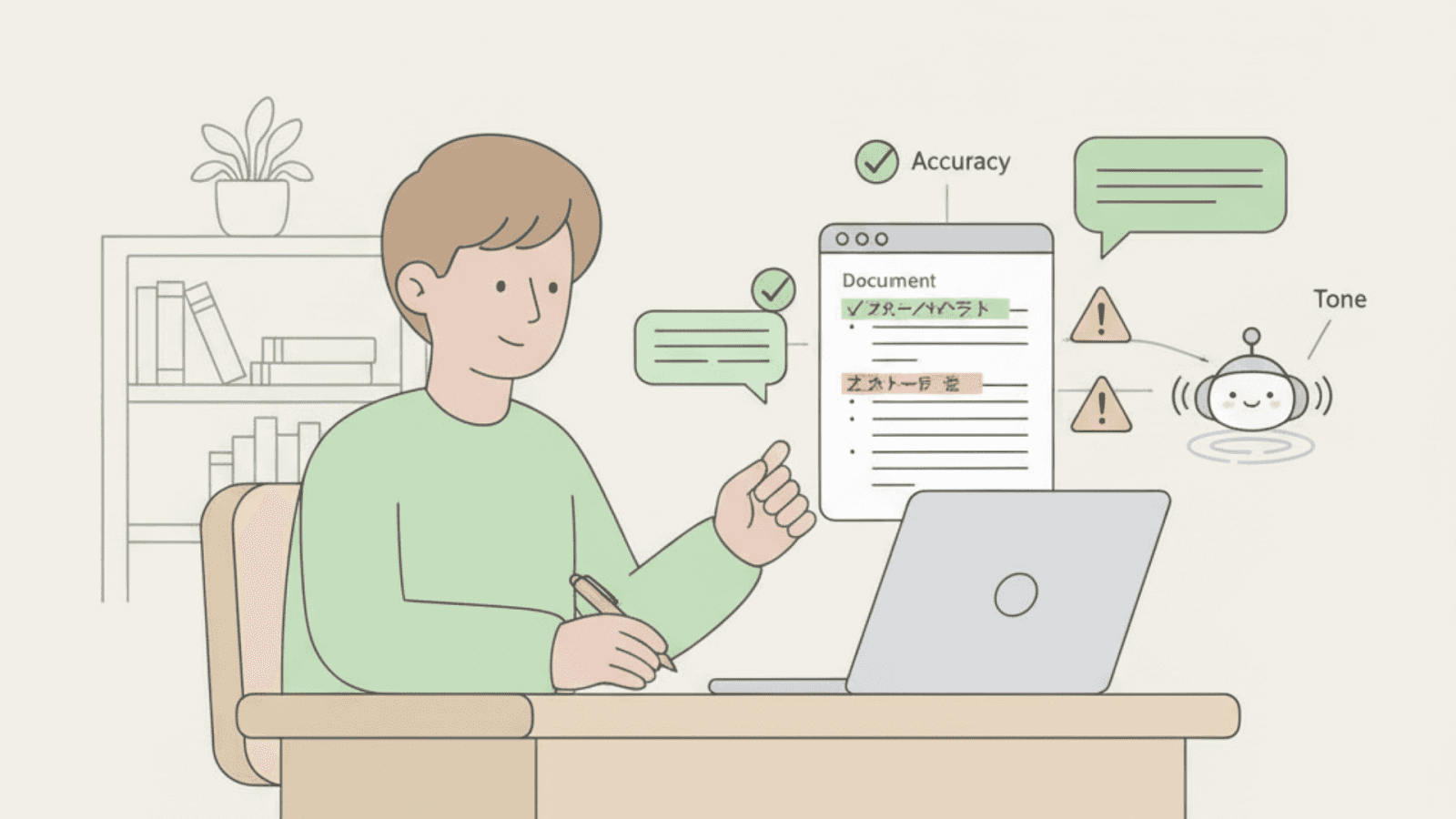
優れたAIツールであっても、細かい点を見落とすことがあります。特に学術論文やビジネス文書では、慎重な見直しが本来の意味を守ることにつながります。
重要な用語や名称を確認する
「偽の友(形は似ているが意味が異なる単語)」に注意する
なぜその語彙を選んだのかAIに説明を求める
AIのサポートと人間による判断のバランス
AIは提案のみを行い、決定はあなたが行います。最後に人間が目を通すことで、文章が本来の意図や基準に確実に沿うようになります。
指導者や読者の視点になって、一度出力を読んでみる
事実関係や引用情報は自身で再確認する
文章が自分の伝えたい核心を反映しているか確認する
AIライティングにおける倫理的配慮
倫理観は学術や研究の場で最も重要ですが、仕事においても同様に大切です。どのようにコンテンツが作成されたかを隠していると判断された場合、信頼関係はあっという間に崩れてしまいます。
盗用(プラジオリズム)とオリジナリティ
AIは執筆を手伝ってくれますが、成果物の独創性を保つことは自身の責任です。
シンプルな大原則:
AIはあなたの考えを整理し、洗練させるために使う
AIに自分の思考や論拠そのものを丸投げしない
十分な理解を伴わずにAIの文章をそのままコピー&ペーストしてしまうと、中身の薄い文章になり、学術的な責任を問われるリスクも生じます。
学習と創造性への影響
AIは学習プロセスを阻害するものではなく、サポートするものであるべきです。
上手に活用すれば、以下のような効果があります:
言語の学習(実践)に役立つ
表現の明瞭さを改善できる
文法に関する不安を減らせる
優れた構成のライティング例を学べる
しかし、長期的に自分自身の能力を高めていく努めが欠かせません。
透明性と信頼性
多くの場面において、AIの支援を受けていることをオープンにすることは賢明です。学校や職場によっては独自のルールが設けられていたり、AIの使用開示を求めていたりします。
判断に迷う場合は、まず所属組織の方針を確認しましょう。
多言語AIライターを取り入れたシンプルなワークフロー
多言語対応のAIは、明確なプロセスに沿って使用することで最高のパフォーマンスを発揮します。これにより、言語を切り替える際にも元の意味が不自然に偏ってしまうのを防ぐことができます。
ステップ 1: 得意な言語から書き始める
まずは自分が一番慣れ親しんでいる言語で主なアイデアを書き出します。これにより、最初の段階で思考を正確に整理できます。
ステップ 2: 意味に焦点を当てて翻訳する
元の意味とトーンを維持するようAIに指示して翻訳させます。たとえば、以下のように指示を出すことができます:
「フォーマルさを保って」
「シンプルに分かりやすく」
「丁寧な表現で」
ステップ 3: 分かりやすさを整える
次に、文章の流れを整えるために「書き換え」を依頼します。これは単なる翻訳作業とは異なり、ネイティブの読者にとって耳馴染みのよい表現に整える作業です。
ステップ 4: 人間の目による最終チェック
最後の確認作業を行います:
事実に間違いはないか?
本来伝えたかったポイントと合致しているか?
自分自身の言葉らしさは残っているか?
専門用語は正しく使われているか?
このステップが最も重要です。
<ProTip title="✅ プロのヒント:" description="文章の中にあなた自身の声(パーソナリティ)がしっかり残るよう、最後の一押しはAIを使わずに人の手で編集しましょう" />
多言語AIライティングの未来
多言語AIは急速に進化しています。将来のツールは、さらに多くの少数言語をサポートし、文化的な背景を汲み取った翻訳ができるようになるでしょう。Ethnologueなどのデータセットは、すでに数千もの生きた言語を追跡しており、それがいかに多様な世界であるかを示してくれています。
新興テクノロジーとトレンド
多くの人々が予見している将来のトレンドは次の通りです:
リソースが少ない言語(マイナー言語)へのサポート強化
方言や異文化への高度な適応
音声対話と書き文字のより自然な統合
Web会議やチャットなどにおけるリアルタイム翻訳の高速化
なぜその表現やフレーズを選んだのかをAIが説明してくれる機能
言語は個人のアイデンティティや共同体と分かちがたく結びついているため、こうした進化は重要です。
リアルタイムコラボレーション機能
将来の大きな目標は、言語の壁を感じさせないスムーズな共同作業です。グループチャットのメンバーそれぞれが、自分の言語で発言した内容が、他のメンバーには各自の言語でリアルタイムにかつ自然に変換されて届く姿を想像してみてください。
これは世界規模での学習やグローバルビジネスのあり方に変革をもたらすでしょう。
グローバル教育への影響
言語が障壁にならなくなった時、教育はよりすべての人に開かれた包括的なものになります。多言語AIツールは、学校や授業で使う言語が自分の第一言語でない場合でも、知識を学び共有するのを助けてくれます。
言語のギャップを埋める
リサーチや学習用のツールが複数の言語に対応していれば、学生はより多くの資料にアクセスできます。また、自分の考えを世界に向けて発信することも可能になります。同時に、多国籍・多言語の生徒が集まる学習機会を教育者がサポートするのにも役立ちます。
語学学習の支援
AIツールは、以下のようなアプローチで語学学習をサポートします:
短い例文の提示
文法ルールの分かりやすい解説
練習用の文章作成
より明快な表現に書き直す練習相手としての機能
それでも、学習効果を高めるためには、単なる近道としてではなく「学習の補助輪」として使うことが大切です。
多様な教育的ニーズへのアプローチ
作文や翻訳をサポートするツールが普及することで、より多くの生徒が本来の学力を伸ばせます。これは特に以下のような、学習サポートが限られた環境にいる方々に役立ちます:
留学生
一族で初めて大学へ進学する新世代の学生
多言語が話される地域の学習者
限定的な教育サポートしか得られない学習者
AIを活用して多言語ライティングで成果をあげるために
多言語対応のAIライターは、私たちが相互にコミュニケーションを取り、学ぶ方法を変えつつあります。これらは言語の壁を取り払い、リサーチをサポートし、よりわかりやすい表現になるよう助けてくれます。効果的に使いこなせば、本来の伝えたい意味を守ったまま、手戻りを減らしてストレスない文章作成が可能になります。
<CTA title="複数の言語にまたがるアイデアを、すっきり伝わる文章へ" description="主体性を持ちながら、アイデア出し・下書き・多言語でのリファインをJenniにおまかせしてみませんか。" buttonLabel="Jenniを無料で試す" link="https://app.jenni.ai/register" />
Jenniは、最初にアイデアを整理し、それをあなたの目的に合った言語ですっきりした文章に仕上げるのをアシストします。シンプルなプロセスに沿って、最後は自身の丁寧な確認をプロセスに織り込むことで、AIはあなた本来の表現力を失うことなく、より広範な世界へと届ける架け橋となってくれるでしょう。