Dwara
Justin Wong
—
Reviewers claims aur citations ko approve karne se pehle kya dekhte hain paper mein?

Justin Wong
Vikas Prabhari
Graduated kiya Bachelor's me Global Business & Digital Arts, Minor me Entrepreneurship
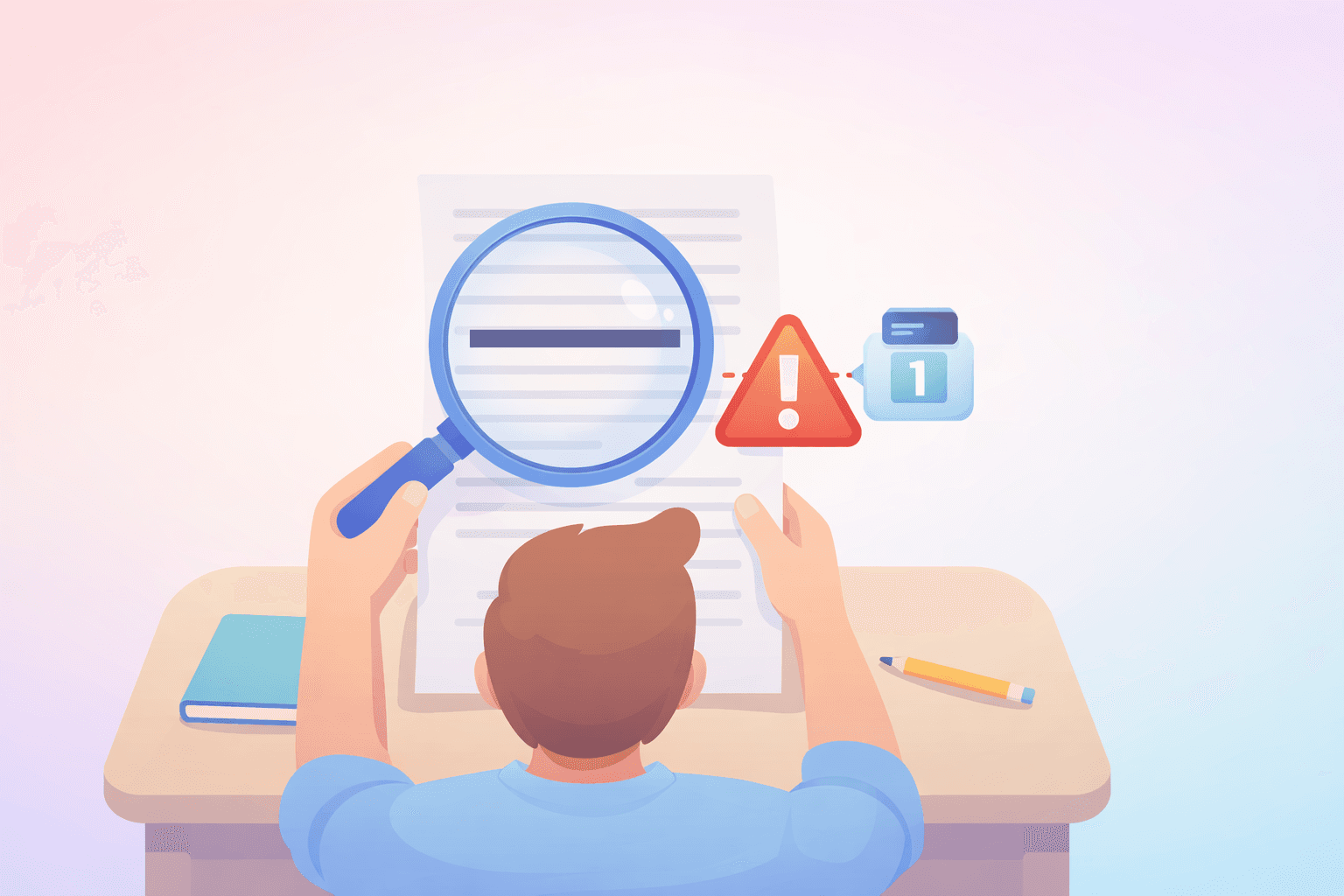
Reviewers aapke paper ko us tarah nahi padh rahe hain jis tarah aap ise padhte hain. Ve risk dekhne ke liye ise skim kar rahe hain.
Ve aapke sabse strong sentences ko scan karte hain, phir check karte hain ki kya aapke citations sach mein us baat ka support karte hain jiska aap claim kar rahe hain. Agar kuch mismatched lagta hai, toh poora draft hard to trust lagne lagta hai, bhale hi writing kitni bhi clean ho. Ek claim mismatch chupke se poore review ke tone ko badal sakta hai. Agar aap ek badi reference library ko manage kar rahe hain, toh Zotero and Mendeley integration for researchers sources ko organized rakhne ka ek practical tareeka hai taaki citations sahi claims ke sath jude rahein.
<CTA title="Do a quick reviewer-style scan" description="Run Claim Confidence to spot unsupported, overstated, or mismatched claims fast, then tighten the lines reviewers notice first." buttonLabel="Run Claim Check" link="https://app.jenni.ai/register" />
The 5-Minute Reviewer Scan Path
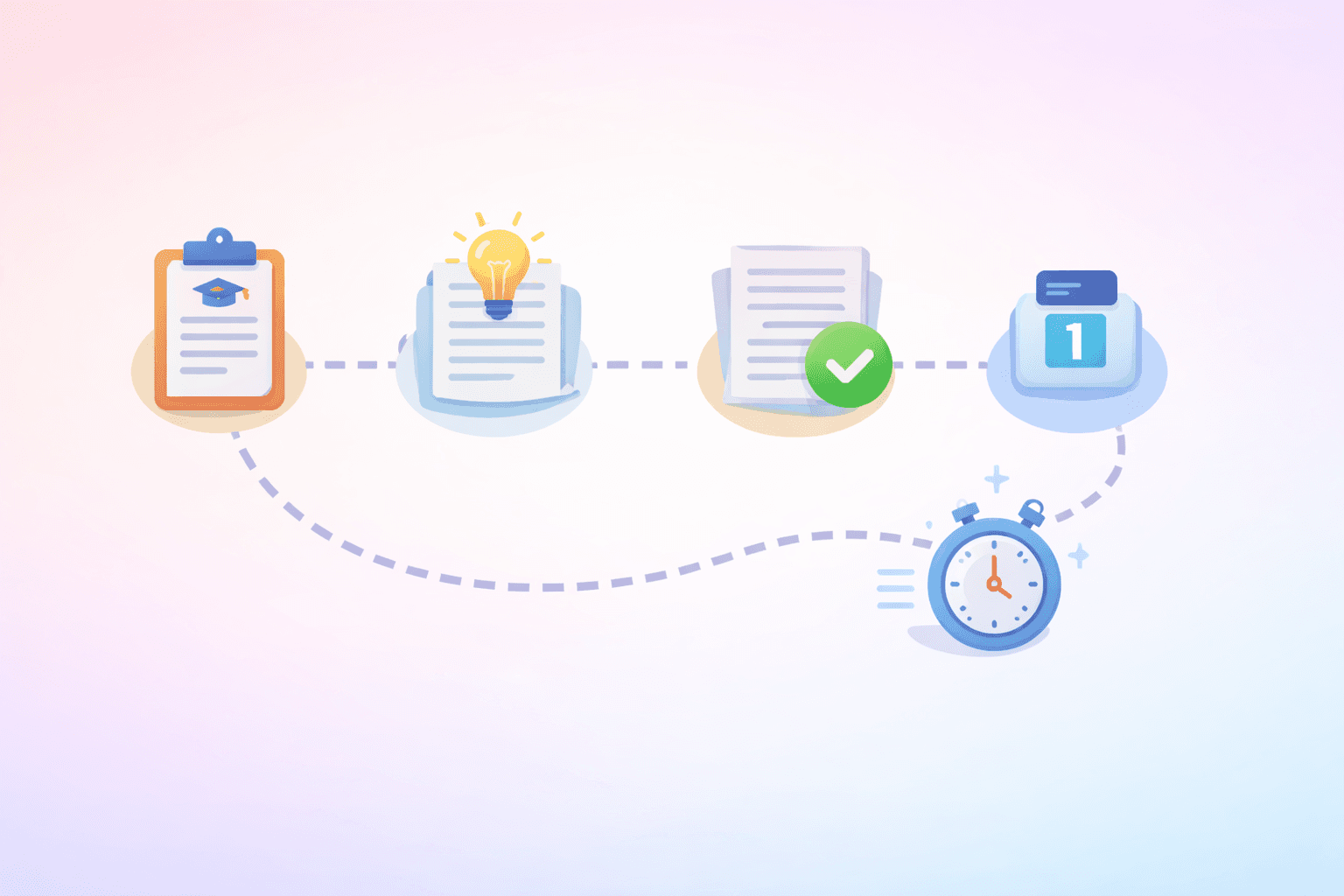
Reviewers shayad hi kabhi aapke paper ko upar se neeche tak padhna shuru karte hain. Ve un hisson ko scan karte hain jo dikhate hain ki kya aapka argument sahi hai, phir ve un sentences par zoom in karte hain jismein sabse zyada risk hota hai. Peer review se pehle, kayi journals ek editorial screening pass karte hain taaki obvious fit aur credibility issues ko pakda ja sake.
What they check first (before details)
Thesis ya main claim
Sabse strong topic sentences
Conclusion
Bold claims ke aas-pas ke Citations
<ProTip title="⏱️ Fast Move:" description="Circle your top 3 bold claims first. Those are the lines most likely to decide whether review feels easy or painful." />
Yahi wajah hai ki ek draft smooth lag sakta hai lekin phir bhi us par heavy feedback mil sakta hai. Reviewers is baat ko test kar rahe hote hain ki kya aapke sabse strong lines defensible hain, na ki yeh ki har sentence smoothly flow kar raha hai ya nahi.
“Agar main ise challenge karun, toh kya author ise defend kar sakta hai?”
Yahi sawaal bahut saare reviewer comments ke peeche hota hai.
Defensible ka matlab perfect nahi hota. Iska matlab hai ki aapka claim ek basic challenge ko survive kar sakta hai:
Kya cited source sentence ke meaning se match karta hai
Kya wording evidence ki strength se match karti hai
Kya claim study ke scope ke andar rehta hai
Agar inmein se koi bhi toot-ta hai, toh reviewers sirf us ek sentence ko flag nahi karte. Ve baaki ke paper ko aur zyada skepticism ke sath padhna shuru kar dete hain, kyunki ve unsure hote hain ki aur kya upgraded ya overgeneralized ho sakta hai.
What Makes a Claim Feel “Defensible” to a Reviewer
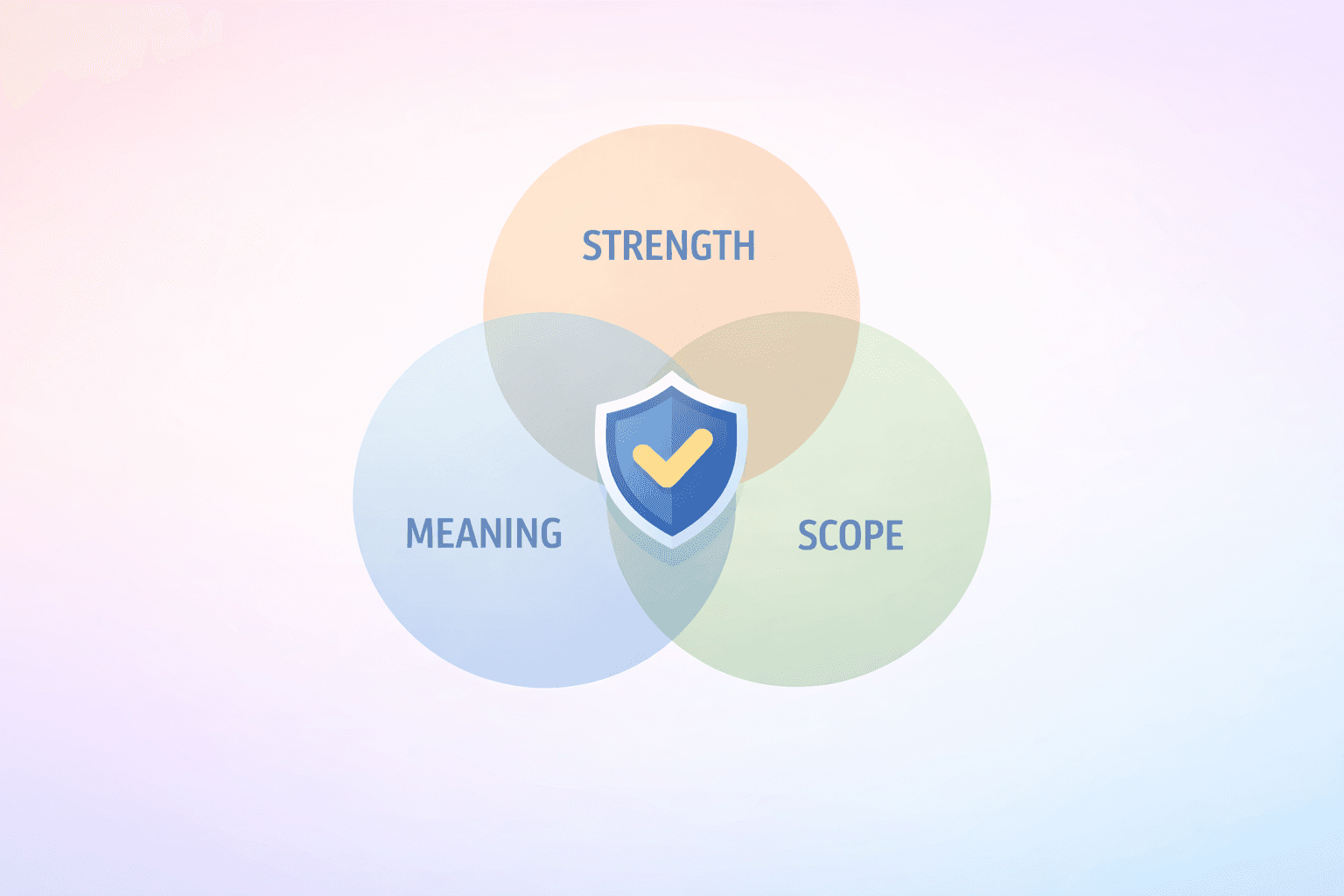
Ek claim tab defensible lagta hai jab yeh match karta hai jo aapka evidence asal mein deliver kar sakta hai. Reviewers aapko timid hone ke liye nahi keh rahe hain. Ve bas chahte hain ki aapki wording aur aapke sources saaf taur par line up ho sakein, taaki scrutiny ke andar argument tika rahe. Wo kaam aamtaur par literature review se shuru hota hai — AI literature review & RRL generator sources ko gather aur organize karne ke liye ek workflow layout karta hai taaki aapke key claims acche se supported rahein.
Strength match (aapki wording aapke evidence se aage nahi nikal sakti)
Chote verb choices certainty ke level ko badal sakte hain jiska aap claim kar rahe hain. Agar study cautious hai lekin aapka sentence absolute hai, toh claim defensible nahi lagta bhale hi citation real ho.
Proves → suggests
Causes → associated vs caused
Always → in this sample
Agar aap unsure hain, toh paper mein use ki gayi wording ko default maniye. Aap abhi bhi confident sound kar sakte hain, bas evidence se zyada confident nahi.
<ProTip title="🎯 Wording Match:" description="If the paper uses may, suggests, or in this sample, keep that same level of certainty in your sentence." />
Scope match (aapka claim aapke sample aur method ke fit hona chahiye)
Scope issues tab hote hain jab aapka sentence us population, setting, ya timeframe se aage nikal jata hai jise study ne asal mein examine kiya tha.
Mini example (good vs better)
Good: “Yeh intervention sleep quality ko improve karta hai.”
Better: “Is sample mein, is intervention ne study period ke dauran sleep quality ko improve kiya.”
Wo chota shift aapke claim ko data ki boundaries ke andar rakhta hai, aur reviewers bilkul yahi dhoondhte hain.
<ProTip title="🕵️ Reviewer Lens:" description="Reviewers do not start by reading. They start by checking whether your strongest sentences can be defended." />
Ek quick pre-submission checklist yahan help karta hai kyunki yeh aapko draft bhejne se pehle aapke sabse strong claims ko sanity check karne ke liye force karta hai.
The Citation Test Reviewers Apply Without Saying It
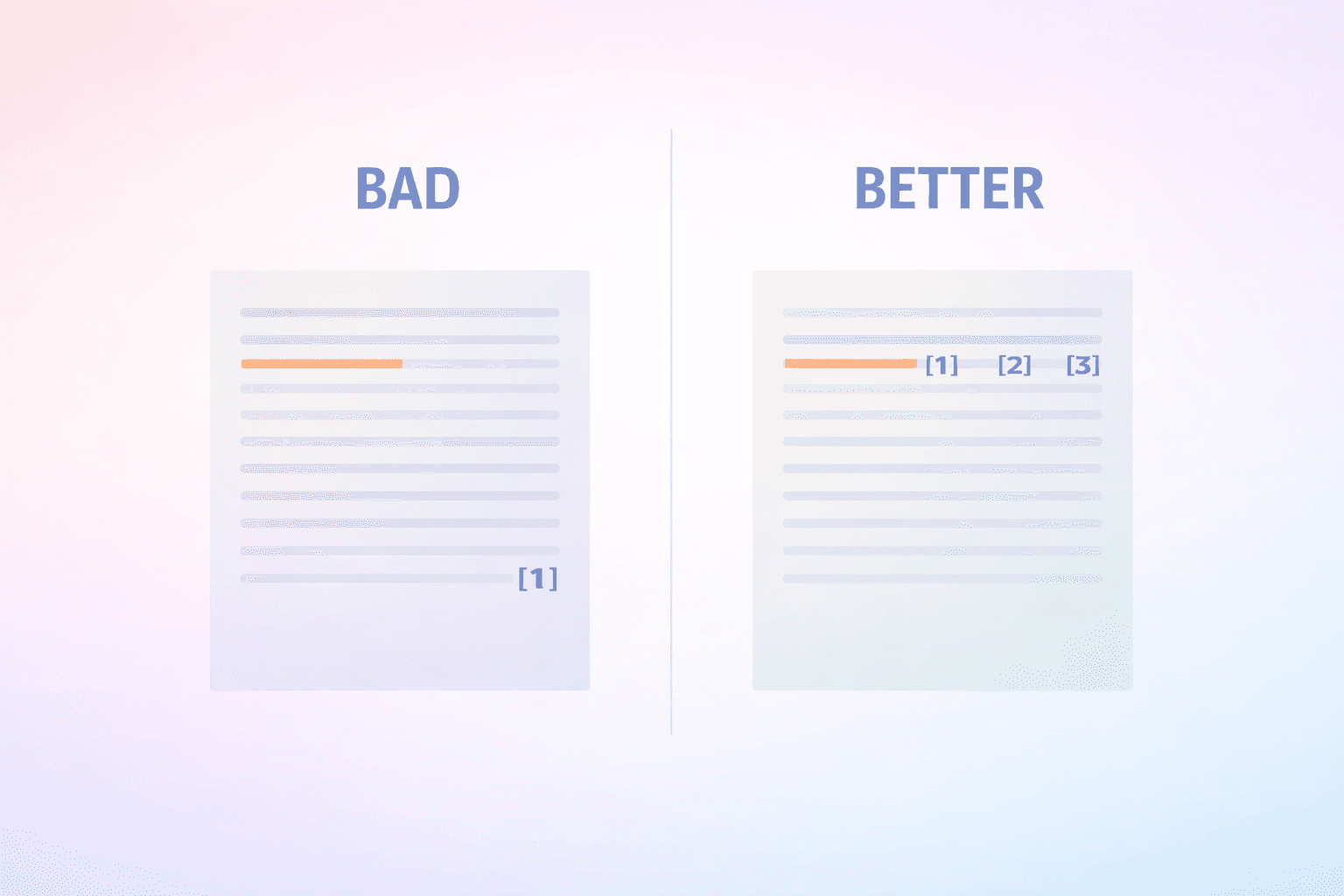
Jab reviewers kisi strong claim ko hit karte hain, toh ve aamtaur par ek quick two-part check chalate hain. Pehla, kya citation wahan hai jahan ise hona chahiye? Doosra, kya source asal mein us sentence ko support karta hai?
Placement: kya citation exact claim ke sath attached hai?
Bad (fast verify karna mushkil hai):
“Digital health tools university students ke beech anxiety ko kam karte hain.”
…more sentences…(citation paragraph ke end mein)
Better (clear aur defensible):
“Digital health tools university students ke beech anxiety ko kam kar sakte hain (Author, Year).”
(citation claim sentence ke theek baad)
Yeh ek change ise obvious bana deta hai ki citation kisko support karta hai, jo ki scan karte waqt ek reviewer chahta hai.
Fit: kya cited paper sach mein yeh kehta hai?
Placement perfect ho sakti hai aur claim tab bhi galat ho sakta hai agar source aapke meaning ya certainty se match nahi karta.
Self-check karne ka ek quick tareeka ek mini “quote swap” hai:
source mein closest sentence ko dhoondhein
compare karein ki yeh kitna cautious sound karta hai
source ke hisab se apni wording ko adjust karein
Agar aapne notice kiya ki aapne paraphrasing accuracy ke dauran meaning ko upgrade kar diya hai, toh yeh aamtaur par claim ko downgrade karne ya scope ko tight karne ka sign hai.
Aur agar source topic ko support karta hai lekin aapke exact point ko nahi, toh yeh practice mein ek claim mismatch hai.
What Reviewers Flag Immediately
Kuch issues isliye flag nahi hote ki aapki writing kharab hai, balki isliye kyunki ve risk ka signal dete hain. Reviewers fast padhte hain, isliye jo kuch bhi verify karne mein mushkil ya overstate karne mein aasan lagta hai, uspar turant dhyan jata hai.
Red flags ek sentence mein
🚩 “Yeh prove karta hai…” ek cautious source ke sath paired hai.
🚩 Ek citation jo multiple separate claims ko support karne ki koshish kar raha hai.
🚩 Ek aisa conclusion jo us data se aage jata hai jise data reasonably support kar sakta hai.
🚩 Ek aisa method section jo evaluate karne ke liye bahut zyada vague hai.
🚩 Ek strong claim jiske bagal mein koi citation nahi hai.
A quick table: what they see vs what they assume
Reviewer kya dekhta hai | Yeh unhe kya signal deta hai | Sabse simple fix |
Ek bold claim, citation door hai | “Main bata nahi sakta ki kya kisko support karta hai.” | Citation ko claim sentence par move karein |
“Proves/causes/always” wording | “Ise shayad overstated kiya gaya hai.” | Certainty ko downgrade karein ya scope limits add karein |
Ek hi citation long paragraph ke end mein | “Iske parts unsupported hain.” | Claims ko split karein aur har ek ko clearly cite karein |
Vague method description | “Main reliability ko evaluate nahi kar sakta.” | Key details add karein: sample, setting, measures |
Conclusion results se bada hai | “Scope drift.” | Conclusion ko findings se match karne ke liye tight karein |
Kya yeh evidence is claim ke liye kafi strong hai?
Ek useful rule yeh hai ki bade claims ko strong support ki zaroorat hoti hai. Agar aapka sentence ek broad statement deta hai, toh reviewers expect karte hain ki evidence robust, consistent aur limitations ke baare mein clear ho. Jab support thin hota hai, toh ve ya toh aapko claim ko narrow karne ke liye kahenge ya phir use stronger evidence ke sath justify karne ke liye kahenge.
Agar aap unsure hain, toh certainty of evidence thinking par bharosa karein: ek careful reader kitna confident hoga ki yeh result kisi doosre sample ya setting mein tika rahega?
Yahi ek reason hai ki papers reject ho jate hain bhale hi writing kitni bhi polished kyun na dikhe.
One Final Scan Using Claim Confidence in Jenni
Jab aap submit karne ke close hote hain, toh goal aapke paper ko phir se likhna nahi hota. Yeh un kuch credibility issues ko pakadna hota hai jo reviewer pushback create karte hain. Claim Confidence ek fast review chalata hai aur un sentences ko highlight karta hai jo shayad unsupported, overstated, contradicted, ya misrepresented ho sakte hain, taaki aap theek un lines ko tight kar sakein jinpar reviewers focus karte hain.
Ise kaise chalayein
Review par click karein (top right)
Claim confidence ke andar Run review par click karein
Results ko scan karein
Explanation dekhne ke liye kisi flagged line par click karein
Accept ya Reject choose karein
<ProTip title="⚡ Fastest Win:" description="Start with Overstated and Unsupported first. Those edits usually fix the biggest credibility issues with the least effort." />
🔎 Extra Resource: agar aap poora Jenni rundown chahte hain, toh yeh independent review main features + yeh real academic workflow mein kahan fit hota hai, isey cover karta hai.
Make Your Paper Easier to Approve
Zyadatar reviewer pushback aapke topic ke baare mein nahi hota. Yeh is baare mein hota hai ki aapke claims ko verify karna kitna aasan hai. Jab aapki wording aapke evidence se match karti hai, aur aapke citations theek wahan hote hain jahan claims kiye gaye hain, toh aapka draft evaluate karne mein faster aur question karne mein harder ho jata hai.
Aapko perfection ki zaroorat nahi hai. Aapko bas un moments ko kam karna hai jahan ek reviewer ko rukna pade, reread karna pade, aur sochna pade ki kya source sach mein us baat ko support karta hai jo aapne likha hai. Ek smooth review aur ek painful review ke beech yahi difference hai.
<CTA title="Run a final reviewer-style scan" description="Use Claim Confidence to flag unsupported, overstated, or mismatched claims, so your strongest sentences hold up before you submit." buttonLabel="Scan My Draft" link="https://app.jenni.ai/register" />