Dwara
Justin Wong
—
Term Paper kya hai aur kaise likhte hain step-by-step

Justin Wong
Vikas Prabhari
Graduated kiya Bachelor's me Global Business & Digital Arts, Minor me Entrepreneurship
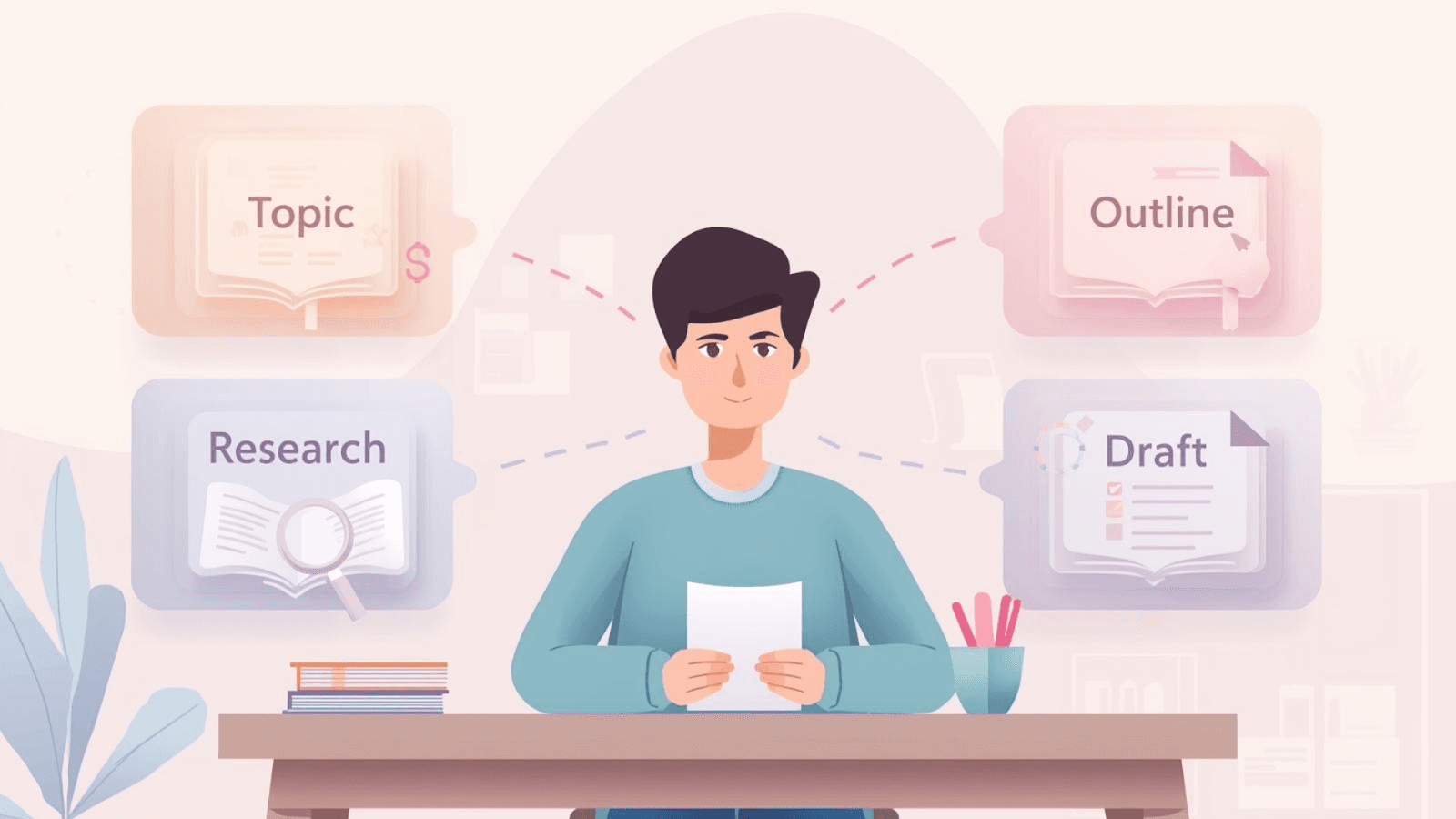
Ek term paper tab ek bada aur confusing project lag sakta hai jab aap iske baare mein pehli baar sunte hain. Teachers aapse expect karte hain ki aap dikhayein ki aapne pure term mein kya seekha hai. Woh research, clear analysis, majboot structure, aur formal writing bhi chahte hain. Bahut se students ke liye, isse jaldi stress ho sakta hai. Yeh hamesha clear nahi hota ki shuruat kahan se karein ya ek "strong term paper" kaisa dikhna chahiye.
Yeh guide har cheez ko aasan steps mein todti hai. Aap seekhenge ki term paper kya hai, teachers isse kyun assign karte hain, aur bina stress ke ise kaise likhein. Hum structure, research tips, writing advice, aur helpful examples cover karenge.
<CTA title="Build a Strong Problem Statement" description="Create a clear problem statement in minutes and set up your term paper with confidence" buttonLabel="Try Jenni Free" link="https://app.jenni.ai/register" />
Term Paper Kya Hai Aur Yeh Kyun Zaroori Hai
Ek term paper ek lamba academic assignment hota hai jise pure term ke dauran likha jata hai. Iska goal yeh dikhana hai ki aap kisi topic ko kitne acche se samajhte hain aur apne ideas ko support karne ke liye research ka use kaise kar sakte hain. Chhote essays ke mukable, ek term paper ke liye deeper thinking, zyada sources aur ek clear structure ki zaroori hoti hai.
Teachers term papers isliye assign karte hain kyunki yeh un skills ko practice karne mein madad karte hain jo aapko baad mein chahiye honge:
scholarly sources ko padhna
ek argument banana
apne khud ke words mein ideas ko explain karna
sources ko sahi tarike se cite karna
Yeh skills isliye matter karte hain kyunki yeh aapko zyada critically sochne mein madad karte hain. Term papers aapko lambe projects ko manage karna bhi sikhate hain. Bahut se students baad mein kehte hain ki term paper likhna seekhne se ek thesis ya dissertation likhna bahut aasan ho gaya.
Aap ek term paper ko storytelling aur investigation ka ek mix samajh sakte hain. Aap apne topic ki kahani batate hain jabki sawalon ko explore karte hain, evidence present karte hain, aur readers ko ek clear conclusion tak le jate hain.
<ProTip title="💡 Pro Tip:" description="Treat your term paper as a journey from question to answer. This mindset helps you stay focused as you write" />
Ek Term Paper Ke Main Parts
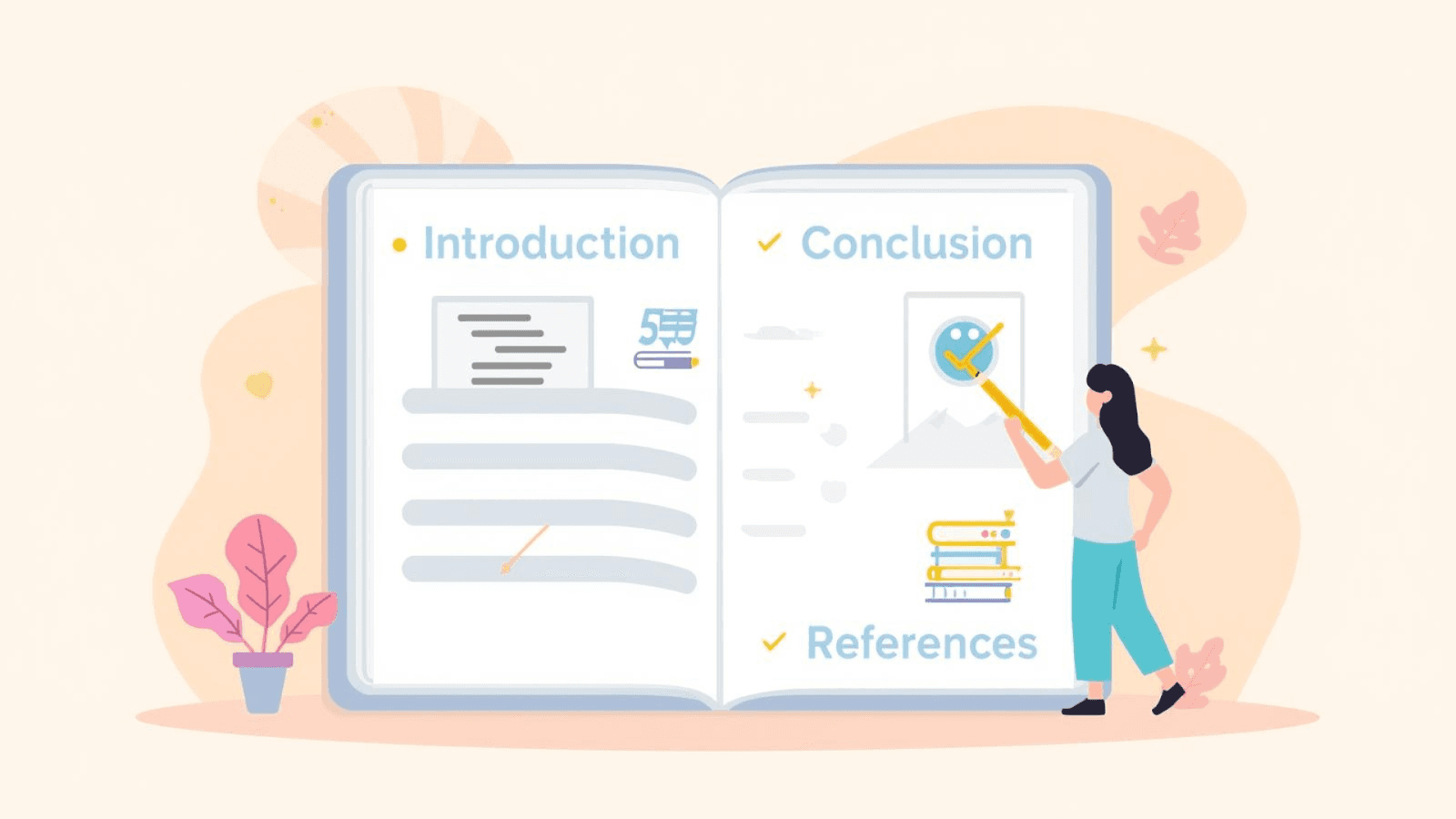
Har term paper ek structure follow karta hai. Aapke teacher ya course ke mutabik iske words badal sakte hain, lekin core pieces wahi rehte hain. In parts ko samajhne se aap jaldi plan kar sakte hain aur organized reh sakte hain. Standard sections (introductions se lekar references tak) ke baare mein detail mein janne ke liye, humare breakdown of the essential parts of a research paper ko dekhein.
1. Title Page (aur kabhi-kabhi ek Abstract)
Title page readers ko basic information batata hai: paper ka title, aapka naam, course aur date. Kuch instructors ek abstract bhi chahte hain. Ek abstract ek chhota paragraph hota hai jo jaldi se explain karta hai ki aapka paper kis baare mein hai. Yeh ek movie trailer ki tarah hai, jo ek preview deta hai.
Ek accha abstract teen sawalon ke jawab deta hai:
Topic kya hai?
Paper kya examine karta hai?
Main findings ya ideas kya hain?
Ek clear abstract ka example:
This paper explores how screen time affects sleep in teenagers. It examines recent studies, highlights common patterns, and explains the impact on mental health.
Aapko mushkil language ki zaroorat nahi hai. Clear writing hamesha sabse acchi hoti hai.
2. Ek Strong Introduction
Aapka introduction topic ko introduce karta hai, context set karta hai, aur aapka thesis statement share karta hai. Thesis sabse important sentence hota hai kyunki yeh us main point ko explain karta hai jise aap banana chahte hain. Yeh aapke baki ke paper ko guide karta hai.
Ek accha introduction teen kaam karta hai:
topic share karta hai
context deta hai
aapka thesis ya main question state karta hai
Example thesis:
This paper argues that school start times should be pushed later because early schedules harm teen sleep and academic performance.
Ek clear thesis aapke baki ke writing ko guide karta hai. Yeh aapke paper ke map ki tarah kaam karta hai.
3. Main Body
Yeh woh jagah hai jahan aap ideas ko explain karte hain, research ko review karte hain, evidence discuss karte hain, viewpoints compare karte hain aur apna argument banate hain. Ek strong body section aamtaur par chhote parts ya subheadings mein divided hota hai.
Main body mein aamtaur par yeh shamil hota hai:
background ya literature review
topic ka analysis
evidence ke sath discussion
viewpoints ka comparison
case studies ya examples
Apne paper ko clear headings ke sath chhote sections mein todein. Yeh headings aapke reader ko guide karti hain aur aapke ideas ko order mein rakhti hain.
Agar aap lost feel karte hain, to structuring papers ke aasan steps ke baare mein sochein. Har idea ka apna ek space hota hai, aur har part agle part ko support karta hai. Yeh aapki writing ko smooth aur follow karne mein aasan banata hai.
Kyunki term papers alag-alag forms mein aate hain, yahan kuch common types hain jinhe aapke instructor require kar sakte hain:
Analytical Term Papers
Yeh papers ek topic ko parts mein todte hain aur study karte hain ki woh kaise kaam karte hain.
Example: kisi novel ke themes ya kisi social trend ke causes ko analyze karna.
Argumentative Term Papers
Yeh papers evidence ka use karke kisi point ko sahi prove karne ki koshish karte hain.
Example: yeh argue karna ki renewable energy ko fossil fuels ki jagah leni chahiye.
Descriptive Term Papers
Yeh papers kisi topic ko detail mein describe karte hain.
Example: kisi festival ki cultural history ko explain karna.
Comparative Term Papers
Yeh papers do ya do se zyada subjects ko compare karte hain.
Example: do teaching methods ko compare karna.
<ProTip title="💡 Pro Tip:" description="Use short paragraphs to keep ideas clear. Each paragraph should focus on one main point only" />
4. Conclusion
Ek conclusion aapke ideas ko samet-ta hai aur dikhata hai ki aapne apne research question ka jawab kaise diya. Ise:
apne main idea ko restate karna chahiye
key points ko summarize karna chahiye
readers ke liye kuch meaningful chhodna chahiye
Iske baare mein sochne ka ek aasan tarika:
“Mera paper khatam karne ke baad readers ko kya yaad rakhna chahiye?”
Example:
If school push start times later, teens can sleep more, perform better academically, and show stronger emotional wellbeing. This change supports healthier habits and gives students a better chance to succeed.
5. References ya Bibliography
Ek term paper hamesha sources ki ek list ke sath khatam hota hai.
Yeh aapko plagiarism se bachne mein madad karta hai aur dikhata hai ki aapka kaam real research par based hai.
Common citation styles:
APA (psychology aur social sciences mein common)
MLA (humanities mein common)
Chicago (history aur kuch humanities mein common)
Har style ke format karne ke apne rules hote hain. Aap jitna practice karenge, yeh utna hi aasan hota jayega.
<ProTip title="💡 Pro Tip:" description="Build your reference list as you go instead of waiting until the end. This prevents missing citations" />
Ek Accha Term Paper Topic Chunna
Kuch teachers topic assign karte hain. Baki aapko chunne dete hain. Sahi topic chunna writing ko bahut aasan bana deta hai. Yeh tab bhi madad karta hai jab subject un ideas se connect karta ho jinhe beginners apne first research paper mein explore karte hain. Yeh topics aamtaur par aasan hote hain aur inhe ek clear question mein shape dena aasan hota hai.
Ek strong topic:
zyada broad nahi hota
zyada narrow nahi hota
available research se supported hota hai
aapke liye interesting hota hai
Broad topics ke examples:
Technology
Climate change
Education
Behtar versions:
How social media use impacts teen mental health
Effects of rising sea levels on coastal farming
How project-based learning affects student motivation
Apne topic ko ek question mein shape dene ki koshish karein:
How does homework load affect student stress?
What role does music play in memory recall?
Questions baad mein ek thesis banana aasan bana dete hain.
Apne Term Paper Ko Kaise Plan Karein
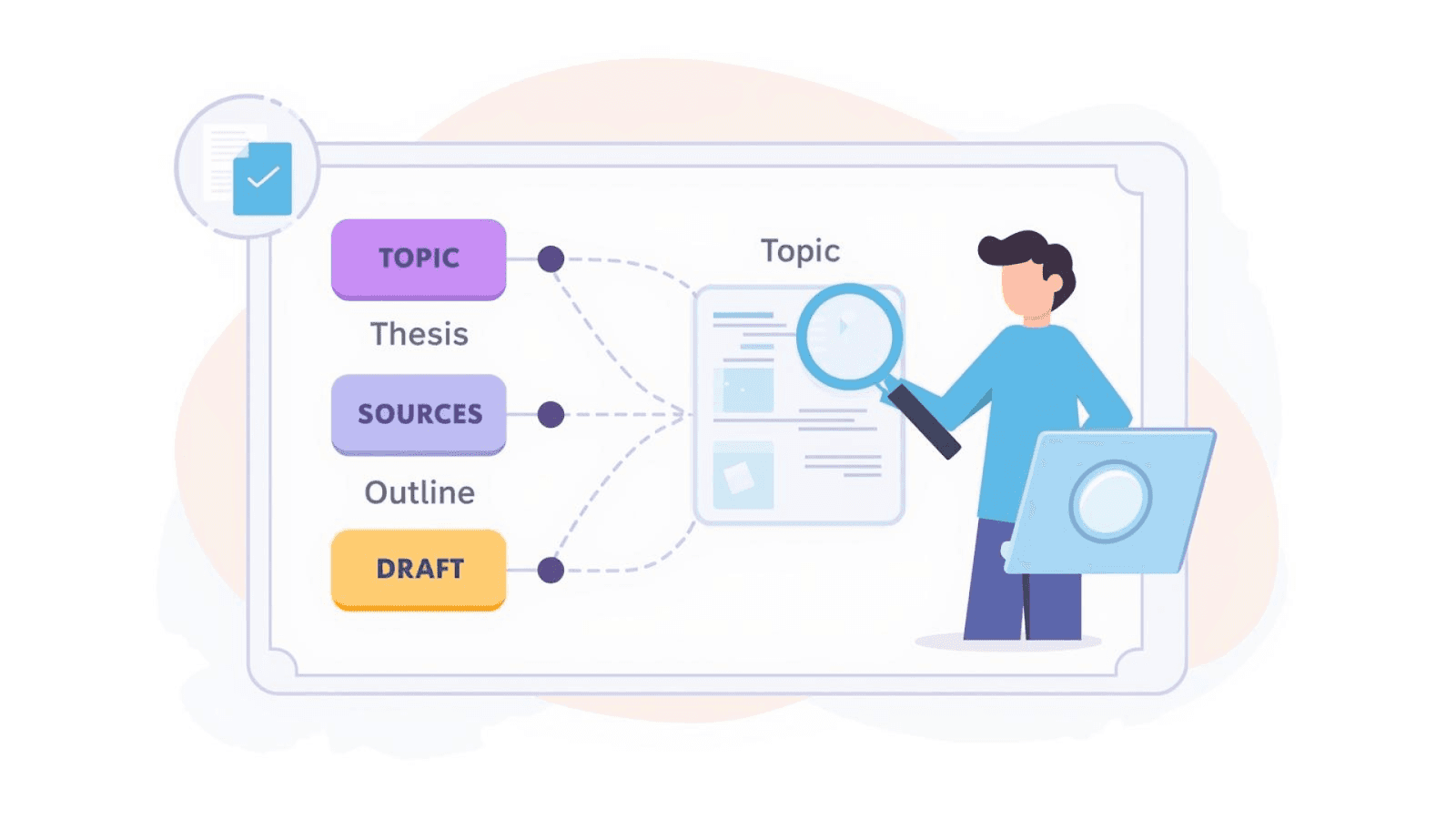
Ek baar jab aapke paas topic ho, tab aap apne ideas ko shape dena shuru kar sakte hain. Planning aapko messy drafts aur last-minute stress se bachne mein madad karti hai.
Yahan follow karne ke liye ek aasan path diya gaya hai:
Step 1: Pehle Kuch Sources Ko Padhein
Likhna shuru karne se pehle, basics janne ke liye kuch sources padhein. Yeh early reading aapko yeh dekhne mein madad karti hai ki dusre log topic ke baare mein kya keh rahe hain.
Yeh iska bhi clear example dikha sakta hai ki ek scientific paper simple aur practical steps mein ideas ko kaise explain karta hai. In patterns ko dekhne se aapke liye apna paper plan karna aasan ho jata hai.
peer-reviewed journals
books
government reports
academic websites
Yeh aapko topic ko samajhne aur naye angles dhoodhne mein madad karta hai.
Reading Ke Baad Ka Example:
"School start times" ki jagah, aap likh sakte hain:
How does starting school before 8 AM affect teen performance?
Step 2: Ek Working Thesis Create Karein
Ek working thesis ek temporary idea hota hai jise aap test karna chahte hain. Yeh badal jayega jab aap aur seekhenge.
Example:
Early school start times harm teen sleep and concentration.
Baad mein, zyada research ke baad, yeh ban sakta hai:
High school start times before 8 AM reduce sleep quality, lower test scores, and increase health risks.
Step 3: Ek Simple Term Paper Outline Banayein
Ek basic outline aapko focused rehne mein madad karta hai. Yahan ek simple template hai:
Agar aap apne topic ko ek structured plan mein convert karne ka koi jaldi tarika chahte hain, to ek essay outline generator ka use karein.
I. Introduction
topic
quick background
thesis
II. Literature Review / Background
key definitions
purani research kya kehti hai
III. Analysis / Argument / Discussion
main points
evidence
examples
IV. Counterarguments (agar zaroorat ho)
aapke idea ke challenges
aapka argument abhi bhi kyun sahi hai
V. Conclusion
thesis ko restate karein
insights
future research ke suggestions
<ProTip title="💡 Pro Tip:" description="Your outline should feel like a roadmap. If a part feels unclear, adjust it before writing" />
Term Paper Ke Har Section Ko Kaise Likhein
Yeh part aapko writing process ke har aspect ko ek simple aur friendly tarike se batata hai.
Introduction Likhna
Simple shuru karein. Aapka kaam readers ko attract karna, topic explain karna, aur ek strong thesis ke sath khatam karna hai. Yahan ek student-friendly pattern hai:
Hook: ek chhota fact, question ya idea
Background: topic kyun matter karta hai
Thesis: aapka main claim
Example opener:
Teens today sleep less than ever, and school schedules may be part of the problem.
Phir apna topic introduce karein aur apne thesis ke sath khatam karein. In cheezon se bachein:
Lambe background stories
Unclear focus
“Since the beginning of time…” jaise clichés
Ek hook tab sabse accha kaam karta hai jab yeh natural lagta hai. Dramatic ya badha-chadhakar kiye gaye claims se bachein.
Body Paragraphs Likhna
Har paragraph mein hona chahiye:
Ek topic sentence
Supporting evidence
Explanation
Ek closing thought
Example Paragraph Structure
Topic sentence:
Early start times reduce the amount of sleep teens get each night.
Evidence:
Studies from the American Academy of Pediatrics show teens need 8–10 hours of sleep.
Explanation:
With school starting before 8 AM, many teens wake up at 5 or 6 AM, which makes full rest impossible.
Closing:
Because of this pattern, early start times may lower focus and alertness.
Yeh pattern aapki writing ko clean aur clear rakhta hai.
Conclusion Likhna
Aapka conclusion rushed feel nahi hona chahiye. Ise apne readers ko ek final message dene ki tarah sochein.
Yahan ek simple structure hai:
Apne thesis ko ek naye tarike se restate karein
Apne main points ko summarize karein
Share karein ki yeh kyun matter karta hai
Aap future research ya kisi problem ko solve karne ke suggestions bhi share kar sakte hain.
Example:
School schedules shape student wellbeing. Adjusting start times may not solve all problems, but it gives teens a better chance to rest and learn.
Term Papers Mein Hone Wali Common Mistakes Se Bachein
Students aksar term papers likhte waqt yeh galtiyan karte hain. Inse bachne se aapka time aur stress bachega.
❌ Bina outline ke likhna - Isse messy arguments hote hain.
❌ Unreliable sources ka use karna - Academic journals, books, aur trusted reports par hi tike rahein.
❌ Quotes ka bahut zyada use karna - Aapki apni voice paper ko guide karni chahiye.
❌ Sources ko cite na karna - Isse plagiarism ki problems ho sakti hain.
❌ Shuru karne ke liye bahut lamba wait karna - Term papers ko grow aur improve hone ke liye waqt chahiye hota hai.
Teachers Term Papers Ko Kaise Grade Karte Hain
Zyadatar instructors rubrics ka use karte hain. Ek rubric aapko batata hai ki woh kis cheez ko sabse zyada value dete hain. Halanki har course alag hota hai, yahan common grading areas diye gaye hain:
Thesis ki clarity
Research ki depth
Organization
Analysis aur argument
Writing style
Sahi citations
Agar aap in categories ko samajhte hain, to aap ek purpose ke sath likh sakte hain.
Kuch teachers creativity bhi dekhte hain. Iska matlab yeh nahi hai ki poetic style mein likha jaye. Iska matlab hai research par based thoughtful ideas, unique angles ya original insights dikhana.
Research Aur Sources Par Ek Badi Nazar
Term papers strong research par depend karte hain. Aapke sources ki quality aapke argument ki quality ko affect karti hai. Yahan alag-alag tarike ke sources ke liye ek quick guide hai:
Primary Sources
Original materials jaise interviews, surveys, diaries, historical documents, ya scientific data.
Secondary Sources
Articles aur books jo primary sources ko analyze karte hain.
Tertiary Sources
Encyclopedias, summaries, aur indexes.
Zyadatar term papers ke liye, teachers primary aur secondary sources chahte hain. Tertiary sources early reading ke liye helpful hote hain, lekin aapko unpar poori tarah depend nahi hona chahiye.
<ProTip title="💡 Pro Tip:" description="Read sources with a question in mind. This helps you find information that supports your thesis faster" />
Aapke Term Paper Ke Liye Ek Simple Checklist
Apna kaam submit karne se pehle is quick list ka use karein:
Kya mere paper mein ek clear thesis hai?
Kya saare paragraphs us thesis se connected hain?
Kya maine credible sources ka use kiya?
Kya maine quote karne se zyada paraphrase kiya?
Kya mera paper organized hai aur follow karne mein aasan hai?
Kya maine grammar aur spelling check kiya?
Kya maine sab kuch sahi se cite kiya?
Agar aap har item ka jawab “yes” dete hain, to aap ek strong position mein hain.
Term Papers Ko Dekhne Ka Ek Naya Tarika
Ek term paper sirf ek bada assignment nahi hai. Yeh ek mauka hai kisi meaningful cheez ko explore karne ka, research karna seekhne ka, aur un skills ko build karne ka jinhe aap saalon tak use karenge. Halanki shuruat mein project thoda heavy lag sakta hai, lekin ise chhote steps mein todne se yeh manageable aur interesting ban jata hai.
<CTA title="Strengthen Your Term Paper with Jenni AI" description="Use Jenni to shape your ideas, organize your outline, and build a polished term paper with confidence" buttonLabel="Try Jenni Free" link="https://app.jenni.ai/register" />
Organized rehkar, apne pasand ke topic ko chun kar, aur apne argument ko step by step build karke, aap ek aisa paper likh sakte hain jispar aapko proud feel ho. Jenni aapko focused rehne mein madad karta hai aur aapki writing ko support karta hai taaki aap kam stress ke sath draft se finished paper tak pahunch sakein.