Dwara
Nathan Auyeung
—
Problem Solution Essay Structure aur Examples | Academic Structure aur Writing Techniques

Nathan Auyeung
Senior Accountant EY mein
Bachelor ka Accounting mein Graduation kiya, aur ek Postgraduate Diploma of Accounting bhi poora kiya
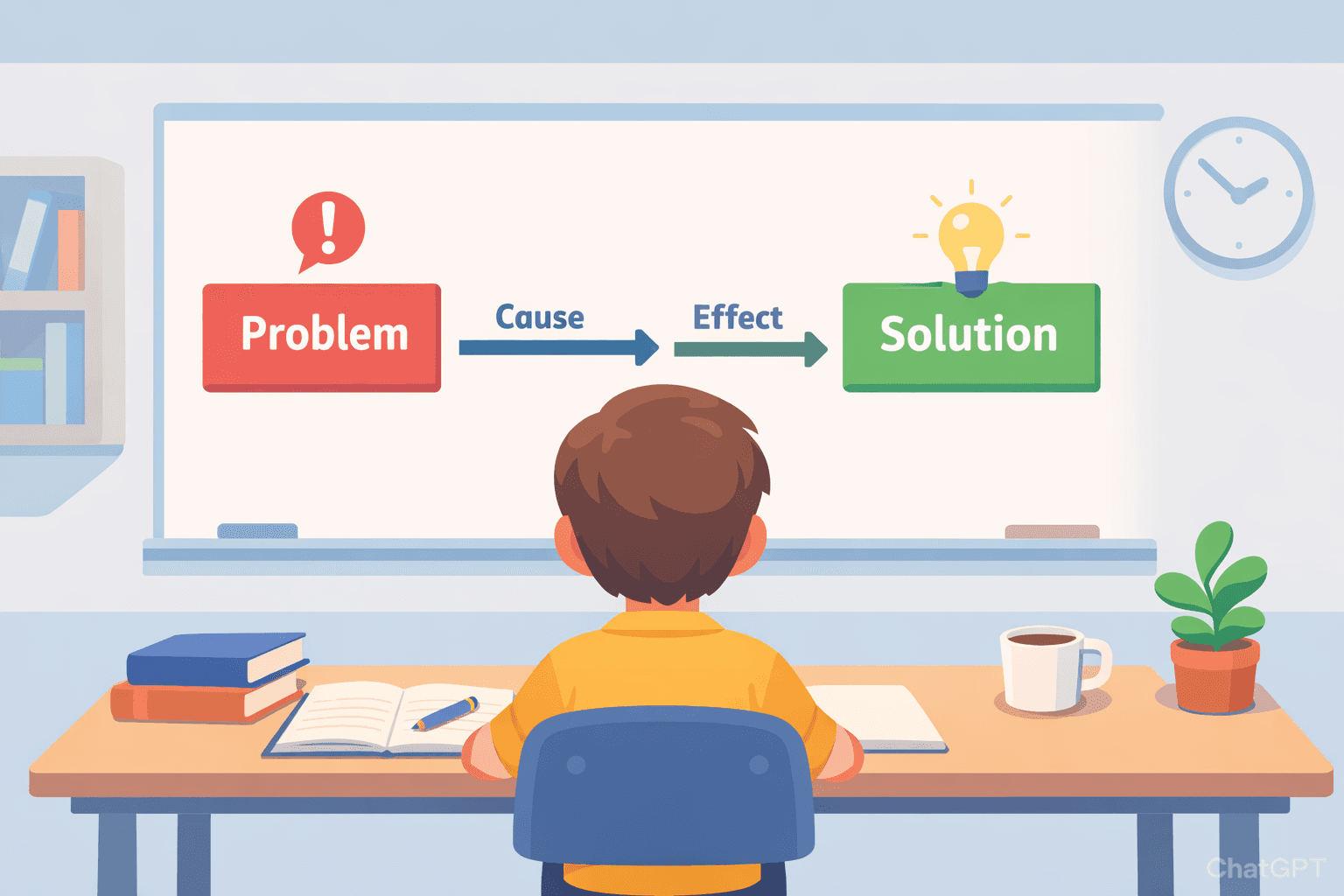
Ek problem-solution essay students se real-world issues ko analyze karne aur practical solutions propose karne ke liye kehta hai. Writers ko batana hota hai ki koi problem kyun exist karti hai, uske effects kya hain, aur realistic, well-reasoned responses dene hote hain. Yeh essay type analytical thinking ko test karta hai aur high school, college, aur IELTS Task 2 jaise exams mein common hai.
Bohot se students isliye struggle nahi karte ki unke paas ideas nahi hain, balki unclear organization ki wajah se struggle karte hain, jo acche solutions ko bhi unconvincing bana sakta hai. Yeh article structure, common patterns, aur examples ko outline karta hai taaki students clear aur effective problem-solution essays likh sakein.
<CTA title="Build a Strong Problem Statement" description="Generate a precise, publication-ready statement in minutes with no stress and no fluff." buttonLabel="Try Jenni Free" link="https://app.jenni.ai/register" />
Problem Solution Essay Kya Hai?
Yeh writing ka ek aisa hissa hai jahan aap ek specific issue pick karte hain, uske peeche kya wajah hai use samajhte hain, aur phir use theek karne ka ek plan lay out karte hain. Goal sirf yeh describe karna nahi hai ki kya galat hai. Aapko yeh dikhana hoga ki aap problem ko acche se samajh kar ek reasonable answer ke sath aa sakte hain.
Is tarah ka essay persuasive writing ke sath kuch ground share karta hai, lekin yeh personal opinion ko push karne ke baare mein nahi hai. Iski jagah, yeh types of academic essays ki ek broader category se belong karta hai jo logical reasoning aur evidence-based solutions ko prioritize karte hain.
Yeh zyada practical hai. Aapko logic aur facts ke basis par ek case build karna hota hai, jo academic argument structure ke widely accepted principles ko follow karta hai.
Har solution jo aap offer karte hain, woh kuch aisa hona chahiye jo actually work kar sake, aur aapko explain karna hoga ki kyun. Teachers is format ka use kuch key skills check karne ke liye karte hain:
Kya aap kisi problem ko is tarah explain kar sakte hain ki koi bhi use samajh sake?
Kya aap break down kar sakte hain ki kis wajah se yeh problem hui aur iske consequences kya hain?
Kya aap koi aisa fix suggest kar sakte hain jo sensible ho aur sirf ek fantasy na ho?
Kya aapka argument is tarah flow karta hai jise follow karna easy ho?
Kya aap apne points ko solid examples ya data ke sath back up karte hain?
<ProTip title="🧠 Pro Tip:" description="Start by rewriting the problem in your own words before planning solutions. This helps clarify focus and avoid vague arguments." />
Problem Solution Essays Kab Use Kiye Jaate Hain?
Aapko is tarah ka essay bohot si jagaho par milega. High school mein, ek structured argument build karna seekhne ka yeh ek common tareeqa hai.
Baad mein, college mein, aap ise hamesha society, education, environment, ya government policy ki classes mein dekhenge, jahan bhi aapko kisi issue ko analyze karne aur action propose karne ki zaroorat hoti hai.
Yeh IELTS jaise bade tests mein bhi ek favorite topic hai. Yahan, examiners dekhna chahte hain ki kya aap kuch cheezein jaldi kar sakte hain: prompt ko samajhna, pressure mein apne thoughts ko sort karna, aur sahi tarah ki language ka use karna.
Asli trick problem ko explain karna aur apne khud ke solutions ko judge karna hai, woh bhi ek tight package mein.
<ProTip title="📌 Reminder:" description="In exam writing, address both the problem and solution clearly. Ignoring one part often lowers your score." />
Core Problem Solution Essay Structure
Zyadatar problem-solution essays ek predictable framework follow karte hain jo readers ko issue samajhne aur proposed response ko assess karne mein madad karta hai. Yeh academic essay structure writers ko solutions par focus karne se pehle problems ko logically present karne ki permission deta hai.
Yeh reader ko track par rakhta hai aur ensure karta hai ki aap sab kuch cover karein. Exams ya short papers ke liye, ek char ya paanch paragraph ka setup standard hai.
Essay Section | Purpose | Key Elements |
Introduction | Issue ko introduce karta hai aur proposed solution ko state karta hai | Background context, problem overview, thesis statement |
Body Paragraph 1: The Problem | Explain karta hai ki problem kya hai aur yeh kyun matter karti hai | Causes, effects, examples, supporting facts |
Body Paragraph 2: The Solution | Solutions ko present aur evaluate karta hai | Solution ka explanation, feasibility, expected impact |
Optional Body Paragraph | Limitations ya alternatives ko evaluate karta hai | Counterarguments, drawbacks, comparisons |
Conclusion | Argument ko summarize karta hai aur solution ko reinforce karta hai | Restated thesis, key points, final insight ya implication |
Introduction Yeh woh jagah hai jahan aap stage set karte hain. Aapko topic introduce karna hota hai, quick background dena hota hai, aur reader ko exactly batana hota hai ki aap kya argue karne ja rahe hain.
Ek acche intro ke usually teen parts hote hain:
A hook. Attention grab karne ke liye issue ke baare mein ek broad statement se start karein, un techniques ka use karte hue jo how to write an essay introduction hook ke liye commonly recommended hain.
Some background. Briefly explain karein ki yeh abhi ek problem kyun hai ya logo ko iski parwah kyun karni chahiye.
Your thesis. Yeh ek sentence mein aapke essay ka core hai. Main problem aur apna proposed solution state karein.
Ise general idea se aapke specific point ki taraf move karte rahein. Abhi details mein mat jayein, examples ko baad ke liye save karein.
<ProTip title="✍️ Writing Tip:" description="Your thesis should name both the problem and solution. This keeps your essay focused from start to finish." />
Yeh kuch aisa dikh sakta hai: Traffic jams kai shahro mein rozana ka headache hain, jisse time aur money waste hota hai. Iske main reasons simple hain: bohot se log akele drive karte hain aur acche alternatives available nahi hain.
Yeh essay argue karega ki iska ek matra real fix better public transit mein heavily invest karna aur logo ke liye rides share karna easy banana hai.
Body Paragraph 1: The Problem Aapka pehla main paragraph issue mein dig karta hai. Ek topic sentence ke sath start karein jo problem ko clearly state kare. Phir, explain karein ki ise kya cause kar raha hai.
Vague mat hoiye. Issue ki roots ke baare mein specific rahein, aur aap effects ko mention kar sakte hain yeh dikhane ke liye ki yeh kyun urgent hai.
Aapko ise back up karna hoga. Real examples, logical reasoning, ya common knowledge ka reference use karein. Yeh paragraph reader ko yeh sochne par majboor kar dena chahiye, "Okay, mujhe samajh aa gaya ki problem kya hai aur yeh kyun buri hai."
Body Paragraph 2: The Solution Ab, apna answer present karein. Har solution ko us cause ko directly tackle karna chahiye jo aapne abhi explain kiya hai. Ise kuch aisa bhi hona chahiye jo actually reality mein ho sake.
Ek strong solution paragraph kuch cheezein karta hai:
Yeh solution ko plainly state karta hai.
Yeh dikhata hai ki yeh fix problem ko kaise address karta hai.
Yeh is baare mein baat karta hai ki kya yeh practical hai aur yeh kitna accha kaam karega.
Yeh idea ko support karne ke liye evidence ya ek example use karta hai.
Sirf ideas ki list mat banayein. Unhe evaluate karein. Traffic ke liye, "build more buses" kehna weak hai. Ek stronger version explain karta hai ki ek naya bus network drivers ko road se kaise hatayega aur kyun usse congestion kam hoga. Solution-focused writing ke aur models ke liye, hamari proposal essay examples dekhein.
<ProTip title="🔍 Evaluation Tip:" description="Ask whether your solution could realistically be implemented with current resources and policies." />
Optional Paragraph: Counterarguments aur Evaluation Ek advanced essay ke liye, aap ek teesra body paragraph add kar sakte hain. Yahan, aap nitty-gritty details mein ja sakte hain.
Aap apne solutions ko compare kar sakte hain, potential drawbacks ke baare mein baat kar sakte hain, ya un baaton ko address kar sakte hain jo koi disagree karne wala keh sakta hai. Apne plan mein kisi weakness ko point out karna use kharab nahi banata. Yeh dikhata hai ki aapne is baare mein poora socha hai.
Ek challenge ko briefly explain karna aur yeh batana ki aapka solution abhi bhi kaam kyun karta hai, aapke argument ko aur convincing banata hai. Yeh university papers ya high-scoring test essays ke liye key hai.
Conclusion Sab kuch wapas ek sath lakar ise wrap up karein. Kisi nayi information ko add kiye bina main problem aur solutions ko summarize karein. Apne thesis ko alag words mein restate karein.
Bohot se writers ek final thought, ek call to action, ya is note ke sath end karte hain ki agar hum kuch nahi karenge toh kya hoga. Yeh essay ko ek sense of purpose deta hai. Ek accha conclusion is question ka answer deta hai: Agar hum ise ignore karte hain toh kya daav par laga hai?
Problem Solution Essays mein Organizational Styles
Aapke paas pieces hain - problem, solution, evidence. Ab, aap unhe ek sath kaise rakhte hain, unhi core principles ko follow karte hue jo how to structure an essay mein use hote hain? Kuch common patterns kaam karte hain, is baat par depend karte hue ki aap kis baare mein likh rahe hain.
Method | How It Works | Best Used When |
Block Method | Pehle saari problems par discuss karta hai, phir saare solutions par | Short essays, single main problem, timed exams |
Chain Method (Problem–Solution Pairs) | Har problem ke turant baad uska solution diya jata hai | Multiple related issues, IELTS-style prompts |
Single-Solution Focus | Ek hi solution ko depth mein explore karta hai | University papers, policy analysis, detailed evaluations |
The Block Method Yeh ek straight-forward tareeqa hai. Aap pehle saari problems ke baare mein baat karte hain, phir aap saare solutions present karte hain.
Ek typical outline kuch is tarah dikhta hai:
Introduction
Paragraph on the problem(s)
Paragraph on the solution(s)
Conclusion
Yeh clean aur simple hai, isiliye yeh short essays ya timed tests ke liye great hai. Ise tab use karein jab aapke paas ek badi problem ho aur use solve karne ke kuch alag tareeqe hon.
The Chain Method (Problem-Solution Pairs) Yahan, aap har issue ko directly uske fix se link karte hain. Aapka har main paragraph ek problem ko tackle karta hai aur phir turant uske liye solution offer karta hai.
The structure goes:
Introduction
Paragraph 1: Problem A + Solution A
Paragraph 2: Problem B + Solution B
Conclusion
Yeh method un test prompts ke liye perfect hai jo kai related issues ko list karte hain. Yeh cause aur effect ke beech connection ko obvious banata hai, aur aapka essay bohot logical aur connected feel hoga.
Focusing on One Solution Kabhi kabhi, aap options compare nahi kar rahe hote. Assignment aapko ek single solution mein deep dive karne ke liye kehta hai. Us case mein, aapka poora essay us single idea ke different parts ko explore kar sakta hai, ki yeh kaise kaam karega, ise kaun implement karega, aur challenges kya hain.
Aap ise university papers ya policy analysis mein bohot dekhte hain, jahan detail mein jana bohot saare ground ko cover karne se zyada valuable hota hai.
Example Problem Solution Essay Outline
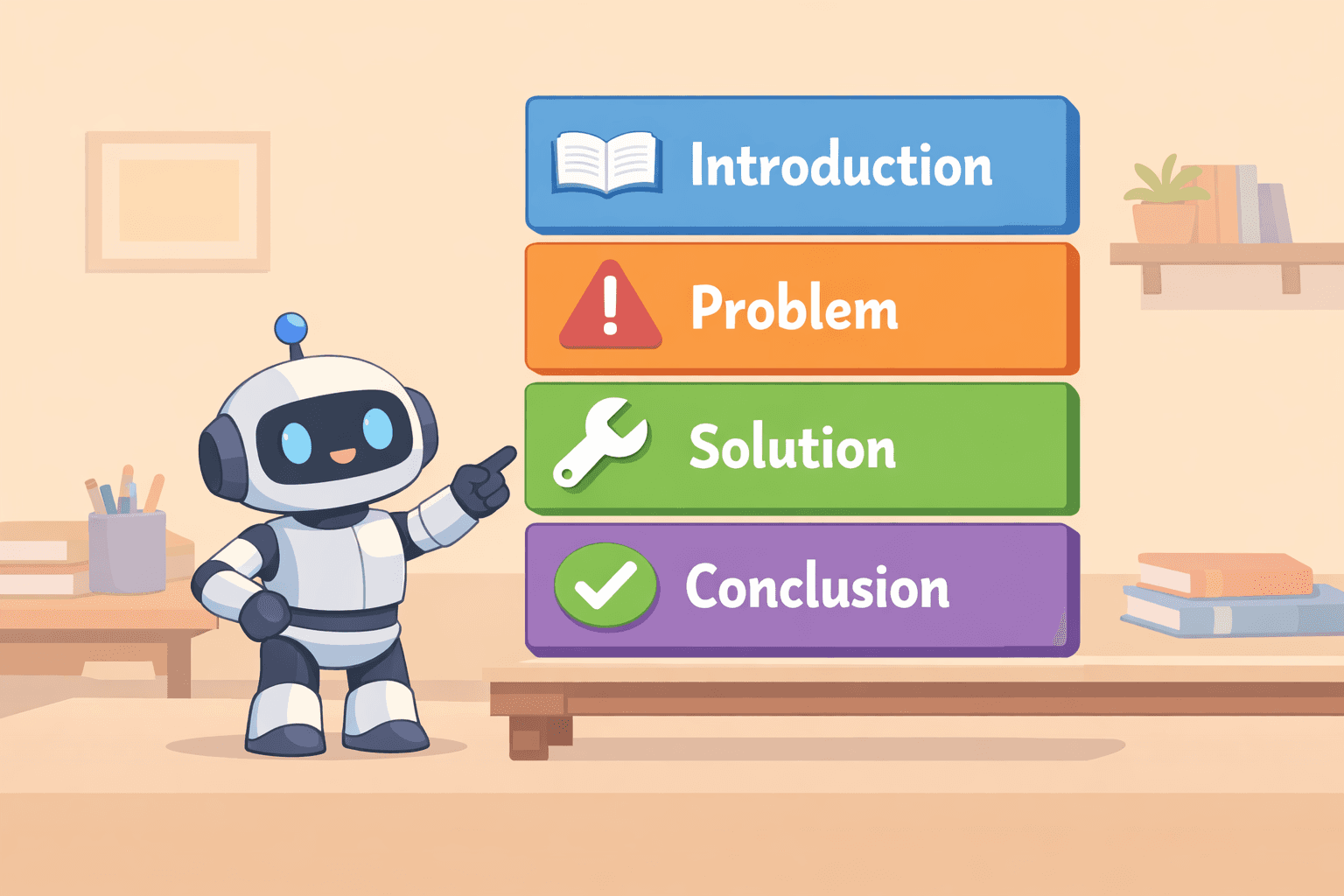
Topic: Traffic jams in cities Prompt: Cities mein bade traffic problems hain. Iska kya cause hai, aur hum iske baare mein kya kar sakte hain?
Introduction Traffic mein phasna ab zyadatar bade shahro mein life ka ek normal part ban gaya hai. Zyada log move in kar rahe hain, aur lagbhag har koi apni car chalana chahta hai. Roads ise handle nahi kar pa rahi hain.
Yeh essay dikhayega ki real issues bohot zyada log aur acche transit options ki kami hain. Iska fix better buses aur trains ke sath-sath aise programs ka hona hai jo logo ke liye rides share karna easy banayein.
Body Paragraph 1 – The Problem Problem simple hai: bohot saari gaadiyan hain. Cities tezi se grow hui hain, lekin roads us tezi se bade nahi hue.
Un sabhi cars ki ek badi wajah yeh hai ki public transportation aksar kaam nahi karta, yeh bohot expensive ho sakta hai, bohot slow ho sakta hai, ya fir wahan nahi jata jahan logo ko jana hota hai. Isliye, log drive karte hain. Result gridlock, wasted hours, aur gandi hawa hai.
Body Paragraph 2 – The Solution Cities ko logo ko akele drive karne ka ek real alternative dene ki zaroorat hai. Pehla step reliable, affordable public transit banana hai jise log actually use karna chahein. Un jagaho ko dekhein jahan subway ya bus systems acche hain; wahan bohot kam log drive karke kaam par jaate hain.
Doosra step ride-sharing ko encourage karna hai. Apps drivers aur passengers ko easily connect kar sakti hain, aur shahrein saste tolls ya multiple logo wali gaadiyon ke liye special lanes jaise perks offer karke help kar sakti hain.
Conclusion Traffic ko city life ka ek permanent sach hone ki zaroorat nahi hai. Agar goal logo ko move karna hai, na ki sirf cars ko, toh solution us transportation mein invest karna hai jo sabke liye kaam kare. Better transit aur shared rides roads ko clear karengi, pollution kam karengi, aur logo ko unka time wapas dengi.
Effective Problem Solution Essays Likhne ke Liye Writing Tips
Ise clear rakhein. Har paragraph mein ek main point par stick rahein aur use ek solid explanation ya real-world example se back up karein, ek aisa approach jo the structure of academic texts ke widely accepted guidance ko reflect karta hai.
"First," "another reason," ya "to solve this" jaise words signposts ka kaam karte hain, jo reader ko aapka logic follow karne mein help karte hain. Sahi tone ka use karein. Yeh formal writing hai, isliye slang aur contractions ko skip karein.
Emotion ke sath logo ko win over karne ki koshish mat karein. Ek clear, logical case hamesha zyada convincing hota hai. Sirf likhna start mat karein. Plan karne ke liye paanch minutes lein. Apni main problem ko jot down karein, causes ko list karein, aur kuch solutions brainstorm karein.
Ek simple outline sketch karein—agar aap ek quick starting point chahte hain, toh ek AI essay outline generator aapko problem, causes, aur solutions ko map karne mein madad kar sakta hai. Yeh aapko baar-baar wahi baat repeat karne se rokta hai aur aapke poore essay ke flow ko behtar banata hai. Ise read karne ke liye hamesha time bacha kar rakhein.
Check karein ki aapke ideas ek sentence se doosre sentence se connect ho rahe hain aur sab kuch sense bana raha hai. Ek accha argument toot jata hai agar usme clumsy mistakes hon.
Common Mistakes Jinse Bachna Hai
Sabse badi mistake ek aisa solution offer karna hai jo kabhi actually reality mein ho hi nahi sakta. Aapke ideas ko real world mein, real budgets aur real people ke sath kaam karna chahiye.
Ek aur common error ek fuzzy problem statement hai. Agar aap start mein hi exactly pin down nahi karte hain ki kya galat hai, toh aapka poora essay scattered aur vague feel hoga.
Ise ek simple cause-and-effect paper ke sath mix mat karein. Sirf yeh explain karna kaafi nahi hai ki koi cheez kyun hoti hai. Aapko agla step lena hoga aur batana hoga ki use kaise rokna hai.
Finally, yeh pretend karna ki aapka solution perfect hai, aksar backfire karta hai. Agar aap kisi potential drawback ko quickly note kar sakte hain ya explain kar sakte hain ki koi doosra idea itna accha kaam kyun nahi karega, toh yeh dikhata hai ki aapne sach mein cheezon ko socha hai. Yeh aapke argument ko stronger banata hai, weaker nahi.
Sab Kuch Ek Sath Lana
Ek problem-solution essay issue ko analyze karke, possible solutions ko evaluate karke, aur ek convincing case banakar kaam karta hai. Problem ko clearly define karke, uske causes ko explain karke, aur practical, well-reasoned solutions propose karke, writers complex situations ko logical, organized arguments mein badal dete hain.
<CTA title="Apply These Structures with Confidence" description="Turn essay planning into clear arguments using Jenni to structure problems and solutions efficiently." buttonLabel="Try Jenni Free" link="https://app.jenni.ai/register" />
Points ko carefully plan karna aur concrete examples use karna students ko critical thinking aur purposeful writing demonstrate karne mein help karta hai, jisse yeh essay type ideas communicate karne ka ek clear aur effective tareeqa ban jata hai.