Dwara
Justin Wong
—
Persistent Identifier (PID) kya hai?

Justin Wong
Vikas Prabhari
Graduated kiya Bachelor's me Global Business & Digital Arts, Minor me Entrepreneurship
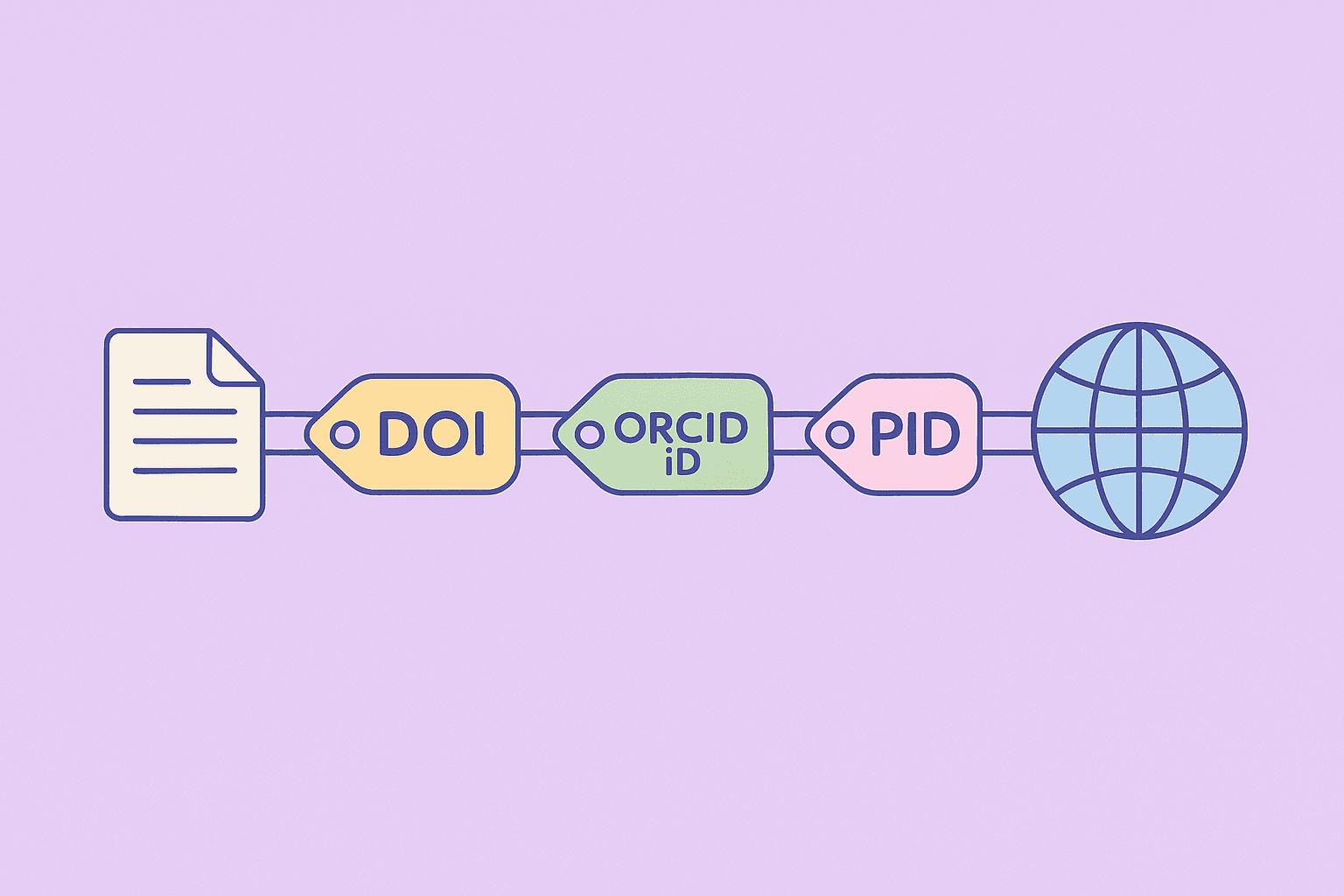
Ever shared your research, only to find the links broken or your name misattributed years later? That’s where Persistent Identifiers, or PIDs, come in. Ye digital name tags ki tarah kaam karte hain jo aapke kaam ke saath hamesha jude rehte hain, chahe wo kahin bhi hosted ho ya aapki details kitni bhi baar badlein.
Is guide mein, hum samjhenge ki PIDs kaise kaam karte hain, research visibility ke liye ye kyun zaroori hain, aur aapko apne scholarly work ko discoverable aur properly credited rakhne ke liye kaun se PIDs use karne chahiye.
<ProTip title="💡 Pro Tip:" description="Apne DOIs, ORCID iD, aur baaki PIDs ki ek simple list bana kar rakhein taaki aap har baar unhe sahi tarike se reuse kar sakein." />
PIDs Ke Key Characteristics
PIDs sirf fancy web addresses nahi hain; ye sophisticated tools hain jo specific qualities ke saath banaye gaye hain jo inhen research integrity ke liye indispensable banate hain. Ye characteristics milkar ek aisa robust system banate hain jo time, technological changes, aur organizational restructuring ke baad bhi tika rehta hai.
Global Uniqueness
Har ek PID poori duniya mein bilkul unique hota hai, jo confusion ko khatam karta hai aur precision ensure karta.
<BulletList items="Ek identifier, ek resource: DOI 10.1038/nature12373 hamesha ek hi specific research article ko refer karega, chahe aap ise kahin bhi aur kabhi bhi access karein.|Confident citations: Aap resources ko cite kar sakte hain ye jaante hue ki future readers ko wahi milega jo aapne reference diya tha.|Digital fingerprints: Har identifier digital content ke liye ek unique fingerprint ki tarah kaam karta hai." />
Persistence Over Time
Persistent identifier mein "persistent" word sirf marketing nahi hai, balki ek promise hai ki technological changes ke baad bhi PIDs kaam karte rahenge.
<BulletList items="Platform changes ke dauran stable: Jab journals web hosts badalte hain ya universities repositories ko restructure karti hain, toh PIDs bina kisi rukawat ke kaam karte hain.|Decades of reliability: PIDs traditional URLs ke mukable bohot zyada samay tak stable rehte hain.|Solving link rot: Research se pata chalta hai ki academic papers ke 38% web links saat saal ke andar inaccessible ho jaate hain, PIDs permanent reference points provide karte hain." />
Resolvability aur Actionability
PIDs static codes nahi hain, balki ye actionable links hain jo aapko seedhe resources se connect karte hain.
<BulletList items="Click aur access: Instant access ke liye DOI.org par 10.1126/science.aat2863 jaisa DOI paste karein.|Global infrastructure: Identifiers aur current resource locations ke beech connections ko maintain rakha jata hai.|Backup systems: Agar original platforms gayab bhi ho jayein, tab bhi PIDs archived copies ya alternative sources par redirect kar dete hain." />
Machine-Readability aur Interoperability
Modern research systems enhanced functionality ke liye PIDs ko automatically process kar sakte hain.
<BulletList items="Seamless integration: PIDs automated indexing aur discovery ke liye metadata standards ke saath kaam karte hain.|Smart features: Automatic citation formatting, impact tracking, aur cross-platform discovery ko enable karte hain.|Interconnected research: Aapka kaam ek intelligent web ka hissa ban jata hai jise systems automatically navigate kar sakte hain." />
<ProTip title="🛡 Helpful Note:" description="Agar koi journal allow kare, toh apne reference mein hamesha DOI ya PID include karein. Ye aapke citations ko lasting credibility deta hai." />
Persistent Identifiers Kyun Important Hain?
Persistent identifiers (PIDs) research ki rozmarra ki pareshaniyon ko solve karte hain, jaise broken links, duplicate author names, aur lost datasets. Yahan bataya gaya hai ki ye aapke kaam ko accessible, discoverable, aur connected rakhne mein kaise madad karte hain.
Link Rot Se Bachana
Studies dikhati hain ki lagbhag aadhe academic links 10 saal ke andar toot jaate hain. Ek PID aapke kaam ke liye ek long-term forwarding address ki tarah kaam karta hai.
Ek aise URL par link karne ke bajaye jo gayab ho sakta hai, aap ek aisi cheez par point kar rahe hain jo live rehti hai, chahe website move ho jaye ya band ho jaye.
Disambiguation Ensure Karna
“Apne ORCID ke bina, mere papers mere field ke kisi dusre researcher ke saath mix ho jaate the.”
– Biology PhD student
ORCID jaise PIDs researchers ko ek unique, traceable identity dete hain, chahe unka naam kitna bhi common kyun na ho. Inka use datasets mein bhi kiya jata hai taaki jab results update ya reuse hon toh confusion na ho.
FAIR Data Principles Ko Support Karna
PIDs research data ko Findable, Accessible, Interoperable, and Reusable (FAIR) banane mein madad karte hain, ye ensure karke ki:
<BulletList items="Metadata samay ke saath consistent rahe.|References machine-readable rahe.|Grant agencies compliance ko automatically trace kar sakein." />
Kayi journals aur funders ab FAIR standards ko meet karne ke liye PID use karna zaroori banate hain.
Connected Research Ecosystems Banana
PIDs ko ek aise dhage ki tarah samjhein jo ek researcher ke kaam, institution, collaborators, aur publications ko aapas mein jodta hai. Inke bina, alag-alag disciplines aur platforms par real impact measure karna mushkil aur unreliable ho jata hai.
Research ko trace, cite, aur reuse karna aasan banakar, PIDs academic work ko aage badhne mein madad karte hain.
Persistent Identifiers Ke Common Examples
Kayi PID systems research ecosystem ke alag-alag aspects ke liye kaam karte hain. In major players ko samajhne se aapko apne kaam ke liye sahi identifiers chunne aur dusron ke research mein unhe pehchane mein madad milti hai.
PID Type | Purpose & Use Case | Example Format | Managed By | When to Use | Key Benefits |
DOI (Digital Object Identifier) | Journal articles, datasets, books, scholarly outputs | 10.1038/nature12373 | International DOI Foundation via CrossRef/DataCite | Kisi bhi published research ko cite karne ke liye | Sabse zyada recognizable; 130+ million exist karte hain; kabhi nahi toot-te |
ORCID (Open Researcher and Contributor ID) | Unique researcher identification | 0000-0000-0000-0000 | ORCID Organization | Apne aap ko dusre researchers se alag pehchan dene ke liye | Publishers, funders ke saath integrate hota hai; 15+ million users hain |
ROR (Research Organization Registry) | Research institutions aur organizations | ROR Community | Apne institution ko precisely identify karne ke liye | Similary named organizations ke beech confusion ko khatam karta hai | |
ARK (Archival Resource Key) | Long-term preservation, library/archival content | ark:/12345/abc123 | Various libraries aur archives | Archival materials, cultural heritage | Sustainability aur preservation ke liye design kiya gaya hai |
Handle System | Dusre PIDs ke liye underlying infrastructure | hdl:1234/5678 | Corporation for National Research Initiatives | Technical systems, repositories | DOIs aur baaki systems ke liye foundation technology |
PURL (Persistent URL) | Simple persistent web addresses | OCLC aur dusre providers | Institutional repositories, digital libraries | Implement karna aasan hai; simpler needs ke liye accha hai |
<ProTip title="💡 Pro Tip:" description="Sources ko cite karte waqt plain URLs ke bajaye DOIs ka use karein taaki long-term stable access ensure kiya ja sake. Ye platforms par clear aur consistent citations maintain karne mein madad karte hain." />
Persistent Identifiers Kaise Kaam Karte Hain
PID ke mechanics ko samajhne se aap unhe aur zyada effectively use kar sakte hain aur unki reliability ko appreciate kar sakte hain. Is process mein teen key components aapas mein seamless tarike se kaam karte hain.
Minting aur Assignment
PIDs trusted registration authorities dwara specific standards ko follow karte hue "mint" (create) kiye jaate hain. DOIs ke liye, publishers identifiers ko CrossRef ya DataCite ke saath register karte hain. ORCIDs ke liye, researchers ORCID organization ke throug apna account khud banate hain.
Ye controlled minting process quality ensure karta hai, duplicates ko rokta hai, aur system ki integrity maintain rakhta hai.
Metadata Linking aur Storage
Har ek PID identified resource ko describe karne wale rich metadata se connect karta hai. Is metadata mein titles, authors, publication dates, abstracts, aur dusre resources ke saath relationships include hote hain.
High-quality metadata PIDs ko sirf stable links se kahin badhkar banata hai, ye comprehensive resource information ke gateways ban jaate hain jise systems automatically process kar sakte hain.
Resolution Mechanisms
Jab aap kisi PID par click karte hain ya ise kisi resolver mein enter karte hain, toh global infrastructure current resource location ka pata lagati hai. Ye resolution distributed systems ke through hota hai jo billions of identifier-to-location mappings ko maintain karte hain.
Multiple backup systems ye ensure karte hain ki resolution kaam karta rahe chahe primary servers fail ho jayein, jo is tarah ke complex global system ke liye kamaal ki reliability provide karta hai.
Research aur Data Management Mein PIDs Use Karne Ke Fayde
Persistent identifiers sirf citations ko hi behtar nahi banate; ye is baat ko behtar banate hain ki aapka kaam samay ke saath kaise discover, access, aur reuse kiya jata hai.
Reliable Citation aur Attribution
DOIs ya ORCIDs jaise PIDs citations ko intact rakhte hain, publication ke saalon baad bhi. Jab aap inka use karte hain, toh readers hamesha aapke kaam ke sahi version par hi pahunchte hain.
Modern citation managers PID-based references ko recognize aur auto-format bhi karte hain, taaki aapka samay citations theek karne mein kam aur likhne mein zyada lage.
Long-Term Accessibility
Imagine karein: Aapne ek grad student ke roop mein publish kiya, do baar institutions badle, aur aapka naam har paper par thoda alag dikhta hai. Ek PID aapke saare kaam ko aapse jode rakhta hai.
Is tarah ki digital stability collaborators, future employers, aur funders ko long-term mein aapke impact ko clearly trace karne mein madad karti hai.
Data Sharing aur Discoverability Mein Sudhaar
PIDs aapke research ko inme find karna aasan banate hain:
<BulletList items="Search engines.|Academic databases.|AI-driven discovery tools." />
Kyunki PIDs ek stable, machine-readable link offer karte hain, isliye tools aapke content ko zyada accurately generate kar sakte hain, khaas karke tab jab baaki log related studies dhoodh rahe hon.
<ProTip title="📌 Pro Tip:" description="PID ka use karne ka matlab hai ki aapka kaam discoverable rahega chahe future mein aapka naam, institution, ya platform badal hi kyun na jaye." />
Related PID Systems aur Standards
Mainstream PIDs ke alawa, kayi specialized systems specific communities aur use cases ke liye kaam karte hain. In alternatives ko samajhne se aapko alag-alag situations ke liye sahi identifiers chunne mein madad milti hai.
System | Primary Focus | Target Users | Key Features | Status & Adoption | Best For |
URN (Uniform Resource Name) | Specific namespaces ke andar persistent naming | Government agencies, standards organizations | Namespace organization, formal document structure | Established, government/standards mein widely used | Government documents, technical standards, formal publications |
ePIC (European Persistent Identifier Consortium) | European research infrastructure | European researchers, EU-funded projects | Handle-based, EU policy integration | Europe mein grow kar raha hai, kuch EU funders dwara required hai | European research projects, EOSC compliance |
DID (Decentralized Identifiers) | Blockchain-based, self-sovereign identification | Future research systems, decentralized platforms | Koi central authority nahi, blockchain-secured | Emerging technology, experimental | Next-generation research infrastructure, experimental projects |
Key Considerations:
<BulletList items="URNs formal documentation ke liye mature aur reliable hain lekin DOIs ke mukable kam flexible hain.|ePIC tab zaroori hai jab aap European research projects par kaam kar rahe hon ya aapko EOSC compliance ki zaroorat ho.|DIDs identification ke future ko represent karte hain lekin abhi bhi experimental hain, dhyaan dene layak hain par critical research needs ke liye abhi ready nahi hain." />
Timeline Note: Halanki DOIs early 2000s mein aur ORCIDs 2012 mein samne aaye checking ke liye, ye specialized systems global research infrastructure mein evolving needs ko reflect karte hain, regional requirements (ePIC) se lekar next-generation decentralized approaches (DIDs) tak.
Smarter Academic Writing Ke Liye Next Steps
Persistent identifiers aapke research ko findable, properly credited, aur connected rakhne mein madad karte hain, publication ke kaafi samay baad bhi. Ye ek chota sa step hai jo aapke academic impact ko protect karne mein bada difference create karta hai.
<CTA title="Apne Kaam Ko Discoverable Rakhein" description="Smart citation tools se lekar PID integration tak, Jenni un academic writers ko support karta hai jo lasting visibility chahte hain." buttonLabel="Jenni Free Try Karein" link="https://app.jenni.ai/register" />
Agar aap citations manage kar rahe hain ya research profile bana rahe hain, toh Jenni aapko PIDs ke sath consistent rehne mein madad kar sakta hai aur writing process ko carbon-copy aasan bana sakta hai.