Dwara
Nathan Auyeung
—
Research paper ke liye ek majboot introduction kaise banayein

Nathan Auyeung
Senior Accountant EY mein
Bachelor ka Accounting mein Graduation kiya, aur ek Postgraduate Diploma of Accounting bhi poora kiya
Research paper ka introduction likhna aapke poore study ki buniyaad tayyaar karta hai. Yeh readers ko woh context deta hai jiski unhe zaroorat hoti hai. Yeh problem ko highlight karta hai aur dikhata hai ki aapka topic kyun mahatvapurna hai. Ek saaf introduction logo ko aapke goals samajhne mein bhi madad karta hai aur aane wale kaam par bharosa banata hai.
Yeh guide samjhati hai ki research paper ka introduction aasan steps aur proven academic structures jaise ki funnel method aur CARS model ka upayog karke kaise likha jaye. Aap seekhenge ki kya shaamil karna hai, kis sheez se bachna hai, aur apne introduction ko kaise saaf, relevant, aur padhne mein aasan banana hai.
<CTA title="Write a Strong Research Paper Introduction" description="Create clear, high-impact introductions fast with structured guidance inside Jenni" buttonLabel="Try Jenni Free" link="https://app.jenni.ai/register" />
Research Paper ka Introduction Kya Kaam Karta Hai
Introduction readers ko aapke research topic ki pehli jhalak deta hai. Sirf ek summary se kahin badhkar, yeh study ke context ko samjha kar, pichle kaam ko highlight karke, aur bache hue gaps ko dikha kar reader ko taiyaar karta hai.
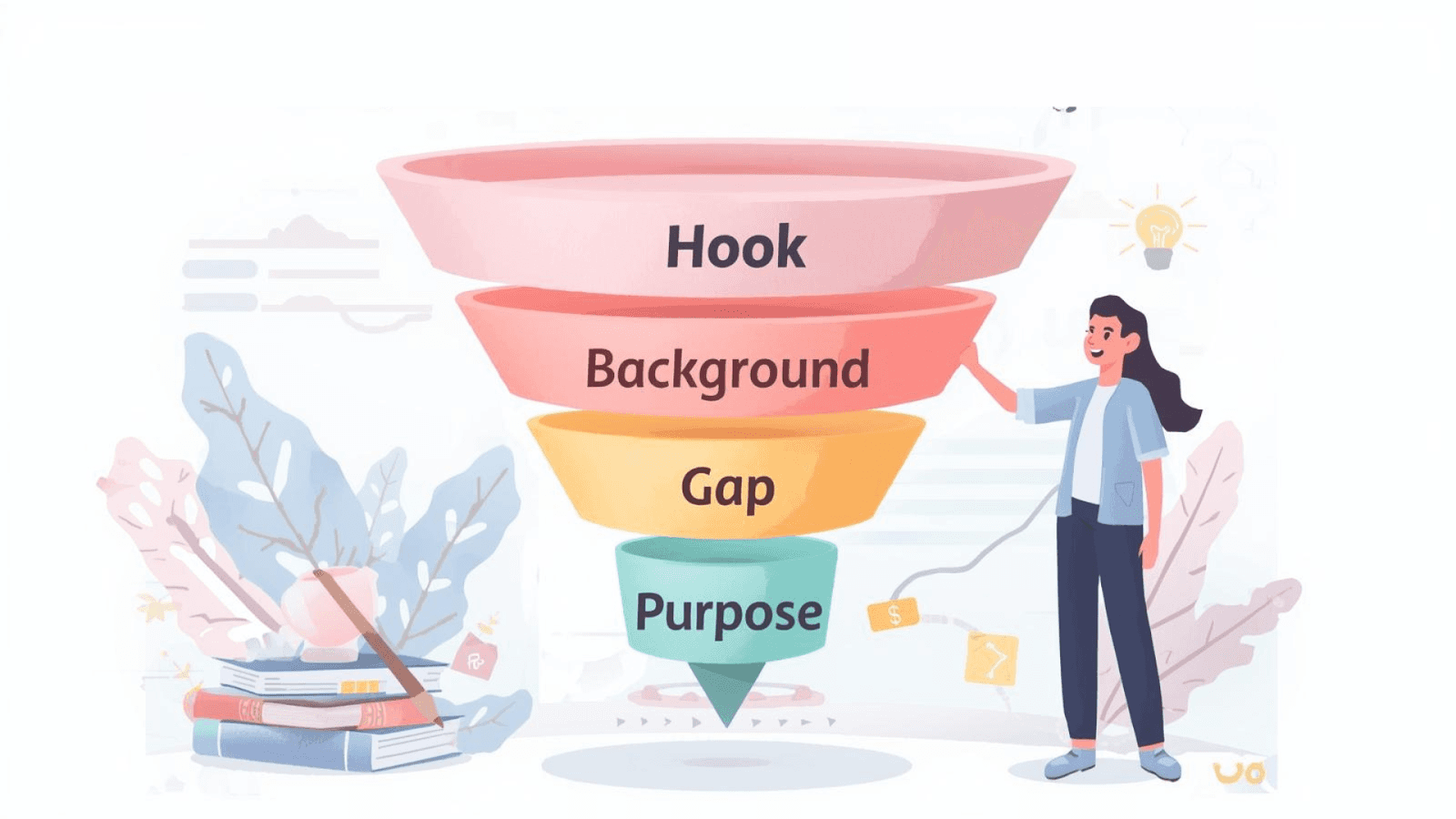
Yeh section us logical raste ko banata hai jo aapke research question tak le jata hai. Ek accha research paper introduction topic ko saaf-saaf samjhata hai, zaroori background deta hai, highlight karta hai ki pichle kaam ne kya explore kiya hai, gap ko pehchanta hai, aur aapke purpose ko batata hai.
General topic ko saaf tarike se samjhein.
Zaroori background ya definitions dein.
Dikhayein ki research ne pehle hi kya explore kar liya hai.
Ek saaf gap ya un-resolved issue ko pehchanein.
Paper ka purpose ya thesis pesh karein.
Jab yeh saare hisse sahi jagah par hote hain, toh aapki baaki ki research samajh mein aati hai—dekhiye humara complete breakdown of the essential parts of a research paper.
Ek Accha Introduction Kyun Mayne Rakhta Hai
Readers aamtaur par pehle kuch paragraphs ke andar hi tay kar lete hain ki aapki study relevant aur credible lag rahi hai ya nahi. Ek saaf introduction dikhata hai ki aap is field ko samajhte hain, aapka rationale mazboot hai, aur aap apne purpose ko satikta ke saath samjha sakte hain.
Doosri taraf, ek uljha hua introduction aapke paper par bharosa karna mushkil bana deta hai. Bhale hi aapke results mazboot hon, agar logo ko buniyaad samajhne mein dikkat aati hai toh aapki research ka impact kam ho jata hai.
Isiliye introduction ko aksar kai baar revise kiya jata hai. Yeh aapke research ki kahani hai: yeh kahan se shuru hoti hai, yeh kyun exist karti hai, aur yeh kahan ja rahi hai.
Research Paper Introduction ka Core Structure
Steps ko samajhne se pehle, academic writing mein use hone wale standard structure ko jaan lena madadgar hota hai. Kai journals aur universities CARS model (Create a Research Space) ko follow karti hain.
Yahan sabse common structure diya gaya hai:
Hook: Ek statistic, question, fact, ya short story jo dhyan kheeche.
Background: Jo field pehle se hi janti hai.
Problem ya Gap: Jo cheez miss hai ya poori tarah se samajhi nahi gayi hai.
Purpose/Thesis: Jo aapki study examine ya prove karegi.
Roadmap (Optional): Ek quick outline ki paper mein kya cover kiya gaya hai.
Aapka introduction lagbhag 200–400 words ya 1–2 pages ka hona chahiye, jo aapke assignment ya journal guidelines par depend karta hai.
<ProTip title="💡 Note:" description="Draft the introduction after completing your methods and results so you can write with clarity" />
Research Paper Ka Introduction Kaise Likhein: Step-by-Step
Ek effective research paper introduction likhne ke liye ek structured, step-by-step process follow kiya jata hai jo clarity, context aur relevance ko banata hai.
1. Ek Clear aur Engaging Hook se Shuru Karein
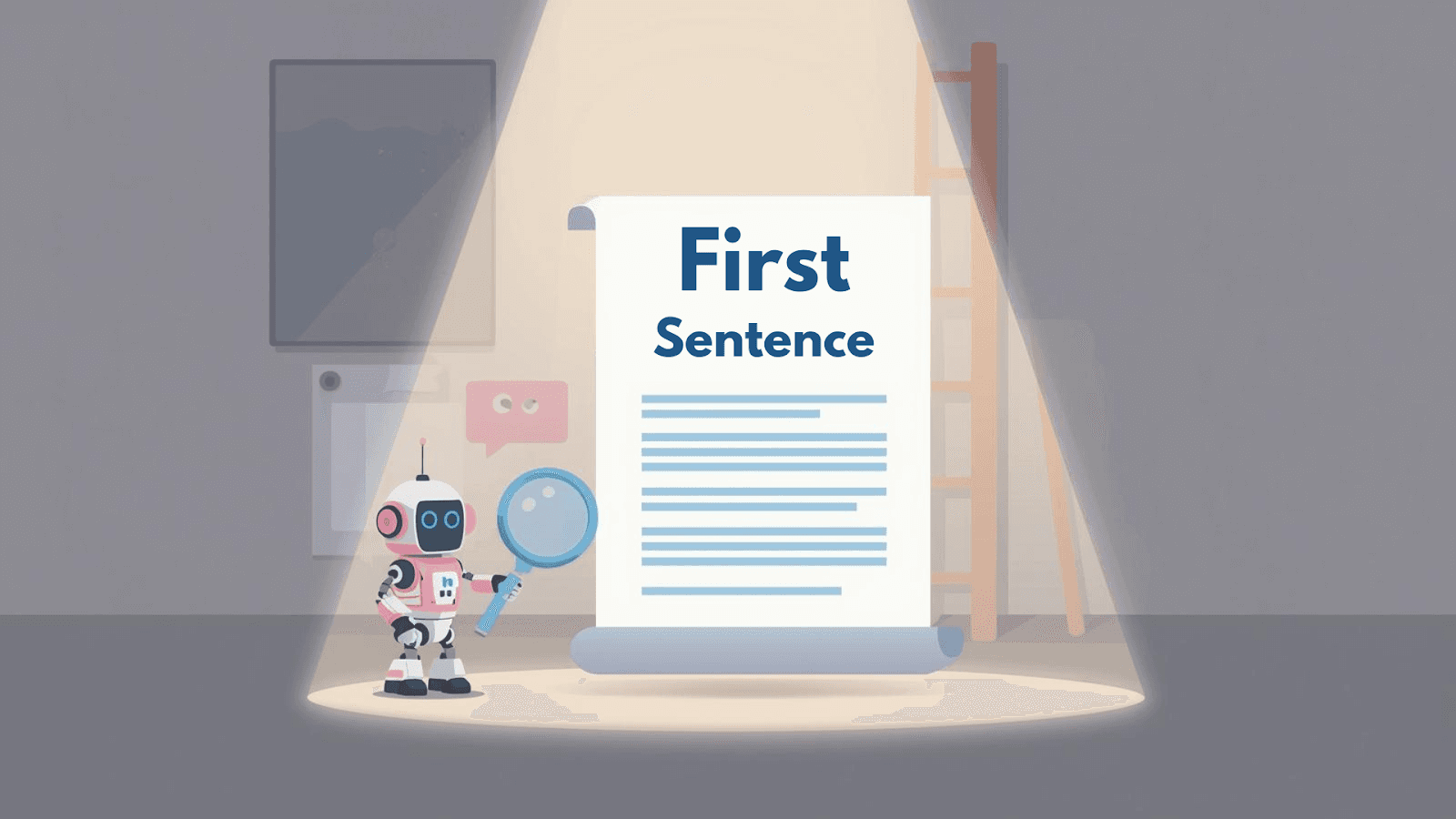
Hook aapka opening statement hota hai. Yeh tone set karta hai, dhyan kheencha hai, aur readers ko topic ke andar le jata hai.
Kuch effective options mein shaamil hain:
Ek mazboot statistic
Ek hairatangez fact
Ek short scenario
Ek sawal
Ek brief aur relevant kahani (anecdote)
Example:
COVID-19 pandemic ke dauran duniya bhar mein 1.5 billion se zyada students online learning par shift hue, jisase teaching quality aur student engagement mein achanak badlav aaye.
Yeh approach isiliye kaam karti hai kyunki yeh specific hai, relevant hai, aur data par aadharit hai.
<ProTip title="💡 Reminder:" description="Use recent sources from the last 5 to 10 years to keep your introduction relevant" />
2. Background aur Context Provide Karein
Hook ke baad, broader topic ko samjhein taaki readers ke paas sahi buniyaad ho. Aapke introduction section ka yeh hissa readers ko general field samajhne mein madad karta hai isse pehle ki aap ise specific problem tak restrict karein.
Kya shaamil karna hai:
Key concepts ki definitions
Topic ka ek short explanation
Researchers pehle se kya jaante hain, iska ek brief mention
Aapki study ko samajhne ke liye zaroori important terms
Example:
Online learning ka upayog universities mein kai saalon se kiya ja raha hai, jise aksar motivation, instructional design, aur student engagement par research dwara support kiya gaya hai.
Yeh reader ko bojh diye bina taiyaar karta hai.
<ProTip title="💡 Note:" description="Keep background short. Save deeper analysis for the literature review section" />
3. Specific Problem ya Gap Par Focus Karein
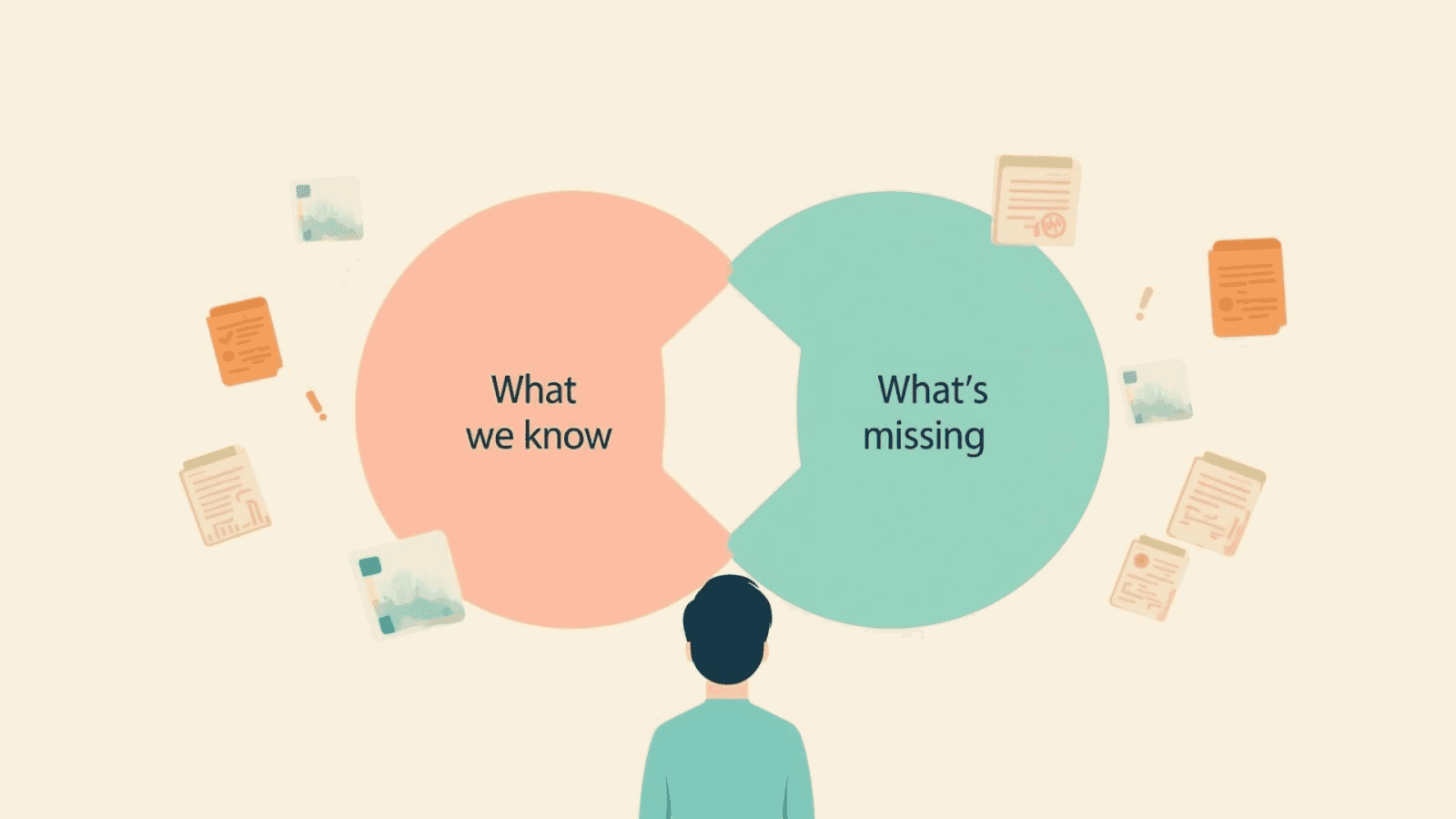
Yeh introduction ka sabse important part hai. Har research paper ko is field mein ek clear gap, inconsistency, ya unanswered question ki taraf ishara karna chahiye.
Apne aap se poochein:
Current research mein kya gayab hai?
Kis cheez ko poori tarah se explore nahi kiya gaya hai?
Mera study kis problem ko address karta hai?
Example:
Halanki, is baare mein bahut kam jaankari hai ki online learning mein achanak badlav low-connectivity wale areas ke students ko kaise prabhavit karta hai, khaas kar engagement aur academic performance ke mamle mein.
Yeh evidence ke sath ek satik gap ko dikhata hai.
4. Apni Study ka Purpose ya Thesis State Karein
Ek baar jab gap clear ho jaye, toh apni study ko introduce karein. Samjhein ki aapki research ka aim kya hai.
Yeh hissa aamtaur par ek ya do sentences ka hota hai; agar aapko ise likhne mein madad chahiye, toh ek AI thesis statement generator aapko pehla draft banane mein madad kar sakta hai.
Example:
Yeh study is baat ka parikshan karti hai ki limited internet access emergency remote learning ke dauran student engagement ko kaise prabhavit karta hai.
Apne purpose ko samajhne mein aasan aur seedha banayein.
<ProTip title="💡 Tip:" description="Write your thesis in simple present tense for clarity" />
5. Ek Chhota Roadmap Add Karein (Optional)
Kuch papers introduction ke aakhir mein ek brief roadmap shaamil karte hain. Yeh readers ko batata hai ki agle sections kya cover karenge.
Example:
Aane wale sections study ki methodology ko samjhate hain, results pesh karte hain, aur educational policy ke liye unke implications par charcha karte hain.
Yeh step optional hai lekin bade ya technical papers ke liye madadgar hota.
Writing Techniques Jo Aapke Introduction Ko Aur Mazboot Banati Hain
Steps ko samajhna alag baat hai. Unhe acchi tarah se apply karna doosri baat hai. Yeh techniques flow, clarity aur quality ko behtar banane mein madad karti hain.
Funnel Approach Ka Use Karein
Funnel approach broad se narrow ki taraf badhta hai. Yeh readers ko aapke logic ko follow karne mein madad karta hai.
Ek general background ke saath bada shuru karein.
Jo relevant hai us par focus narrow karein.
Gap ko point out karein.
Apne study ke goal ke saath khatam karein.
Yeh structure readers ko bina kisi confusion ke aapke logic ko follow karne mein madad karta hai.
“So What?” Question Par Focus Karein
Har introduction ko is sawal ka jawab dena chahiye:
Yeh research kyun mayne rakhti hai?
Har introduction ko dikhana chahiye ki study kyun mayne rakhti hai. Yeh writing the introduction ka woh hissa hai jahan aap problem ko current conversations, real-world issues, ya field ke gaps ke sath jodkar apni relevance ko saaf karte hain.
ek real-world issue
ek scientific debate
ek policy ki zaroorat
nayi technology aur trends
Agar aap “So what?” ka jawab nahi de sakte, toh aapka introduction kamzor ya unclear lag sakta hai.
<ProTip title="💡 Note:" description="Use relevance statements to connect your topic to real-world issues" />
Sentences Ko Chhota Aur Clear Rakhein
Academic writing ko complicated hone ki zaroorat nahi hai. Chhote sentences aur aasan shabdon ka use karein. Saaf writing mazboot soch ko dikhati hai.
Accha example:
Yeh study is baat ki janch karti hai ki remote learning primary school ke students ke beech reading comprehension ko kaise prabhavit karti hai.
Bina wajah ki complexity se bachein.
Introduction Mein Bahut Saare References Bharne Se Bachein
Sirf utna hi cite karein jitna zaroori ho. Introduction poora literature review nahi hota.
Zyadatar introductions use karte hain:
background ke liye ek se teen key references
data point ke liye ek reference
gap ke liye ek se do references
Gehri analysis ko literature review section ke liye bachakar rakhein—dekhiye hamare tips on how to write your literature review introduction.
Key Terms Ko Shuru Mein Hi Define Karein
Agar aapke topic mein specialized terms shaamil hain, toh unhe shuru mein hi define karein. Yeh clarity ko badhata hai.
Example:
Is paper mein, digital literacy ka matlab seekhne ke liye online tools ka use karne ki ability se hai.
Yeh baad mein readers ko aapki discussion ko follow karne mein madad karta hai.
<ProTip title="💡 Reminder:" description="Avoid abbreviations unless you define them clearly the first time they appear" />
Strong Research Paper Introductions Ke Examples
Yahan alag alag fields par aadharit teen aasan models diye gaye hain.
1. Social Science Example
Social media teenagers ke beech ek bada communication tool ban gaya hai, jisme platforms unki daily habits aur identity ko shape karte hain. Previous studies dikhati hain ki social media exposure mental health, self-esteem aur peer relationships ko prabhavit kar sakta hai.
Halanki, is baare mein kam jaankari hai ki curated online content early adolescence mein body image ko kaise prabhavit karta hai. Yeh study 12 se 15 saal ke bacchon ke beech social media content aur body image perceptions ke beech ke connection ko explore karti hai.
2. STEM Example
Renewable energy systems global carbon emissions ko kam karne ke liye zaroori hain. Solar power ne apni accessibility aur kam long-term cost ke karan dhyan kheecha hai. Phir bhi, solar panel ki efficiency alag-alag climates ke beech kaafi vary karti hai.
Yeh study test karti hai ki humidity controlled conditions ke tehat photovoltaic efficiency ko kaise impact karti hai. Results tropical regions mein solar adoption ko improve karne mein madad kar sakte hain.
3. Humanities Example
Storytelling ne hamesha se cultural identity aur memory ko shape kiya hai. Scholars ne examine kiya hai ki kaise myths, folklore, aur oral traditions shared values ko reflect karte hain. Halanki, traditional stories ke modern retellings Southeast Asian literature mein abhi bhi underexplored hain.
Yeh paper ancient myths ke contemporary reinterpretations ka analyze karta hai taaki yeh samjha ja sake ki authors tradition aur modernity ko kaise negotiate karte hain.
Introduction Likhte Samay Bachne Wali Common Mistakes
In galatiyon se bachkar aapka introduction zyada saaf aur professional banega.
Mistake 1: Bahut Broad Shuru Karna
Aise kisi vague phrase ke sath shuru na karein:
“Samay ke shuruaat se hi…”
“Log hamesha se isme interested rahe hain…”
Iske bajaye relevant, research-based background ke saath shuru karein.
Mistake 2: Introduction ko Literature Review Banana
Aapka goal problem ko set up karna hai, har study ko summarize karna nahi. Background ko chhota rakhein.
Mistake 3: Gap Na Dikhana
Har introduction ko ek gap ki zaroorat hoti hai. Iske bina, study bin-zaroori lagti hai.
Mistake 4: Methods, Results ya Discussion ko Bahut Jaldi Add Karna
Inhe unke specific sections ke liye bachakar rakhein.
Mistake 5: Introduction Pehle Likhna
Kai researchers ko isiliye dikkat hoti hai kyunki woh apne khud ke results samajhne se pehle hi introduction shuru kar dete hain. Behtar flow ke liye is ise baad mein likhein.
<ProTip title="💡 Pro Tip:" description="Draft a placeholder introduction first, then rewrite it after finishing your results" />
Discipline-Specific Variations
Alag-alag fields introduction ka alag tarike se upayog karte hain. Apne approach ko is tarah se adjust karein.
Humanities Papers
Yeh in par zyada focus karte hain:
theory
interpretation
historical context
scholars ke beech debates
Introduction mein empirical gaps ke mukable zyada conceptual framing ho sakti hai.
Science aur Engineering Papers
Yeh in par focus karte hain:
methods
hypotheses
variables
known limitations
preliminary data
Introduction chhota aur zyada direct hone ki koshish karta hai.
Empirical Studies
Inme aksar shaamil hote hain:
method ka ek brief overview
existing data ka ek reference
research question aur hypothesis
Structure ko simple aur factual rakhein.
Step-by-Step Checklist Jo Aap Follow Kar Sakte Hain
Yahan ek aasan checklist di gayi hai jise aap apne introduction ko finalize karne se pehle use kar sakte hain.
✔ Ek engaging hook ke saath shuru karein
✔ Clear background aur context dein
✔ Mention karein ki researchers pehle se kya jaante hain
✔ Knowledge gap ko pehchanein
✔ Samjhein ki yeh gap kyun mayne rakhta hai
✔ Purpose ya thesis ko state karein
✔ Ek chhota roadmap add karein (optional)
✔ Tone ko clear aur active rakhein
✔ Updated sources ka use karein
✔ Clarity aur flow ke liye revise karein
Research Paper Ka Ek Perfect Introduction Likhna
Ek saaf, focused introduction taiyaar karna aapke research paper ko effectively set up karne ke liye key hai. Funnel method ka use karke aur gap ko highlight karke, aap ek mazboot foundation banate hain jo readers ko aapki study ke purpose ke mazaam tak le jata hai. Ek well-structured introduction na sirf aapke topic ko samjhata hai balki yeh bhi dikhata hai ki aapki research kyun mayne rakhti hai.
<CTA title="Write a Clear, Publish-Ready Introduction" description="Use Jenni to generate structured, accurate introductions that follow academic standards" buttonLabel="Try Jenni Free" link="https://app.jenni.ai/register" />
Research paper ka ek mazboot introduction likhne ke liye taiyaar hain? Saaf aur publish karne ke liye taiyaar introductions tezi se banane ke liye aasan, step-by-step help ke liye Jenni try karein.