Dwara
Nathan Auyeung
—
Compare aur Contrast Research Paper kaise likhein Step-by-Step

Nathan Auyeung
Senior Accountant EY mein
Bachelor ka Accounting mein Graduation kiya, aur ek Postgraduate Diploma of Accounting bhi poora kiya
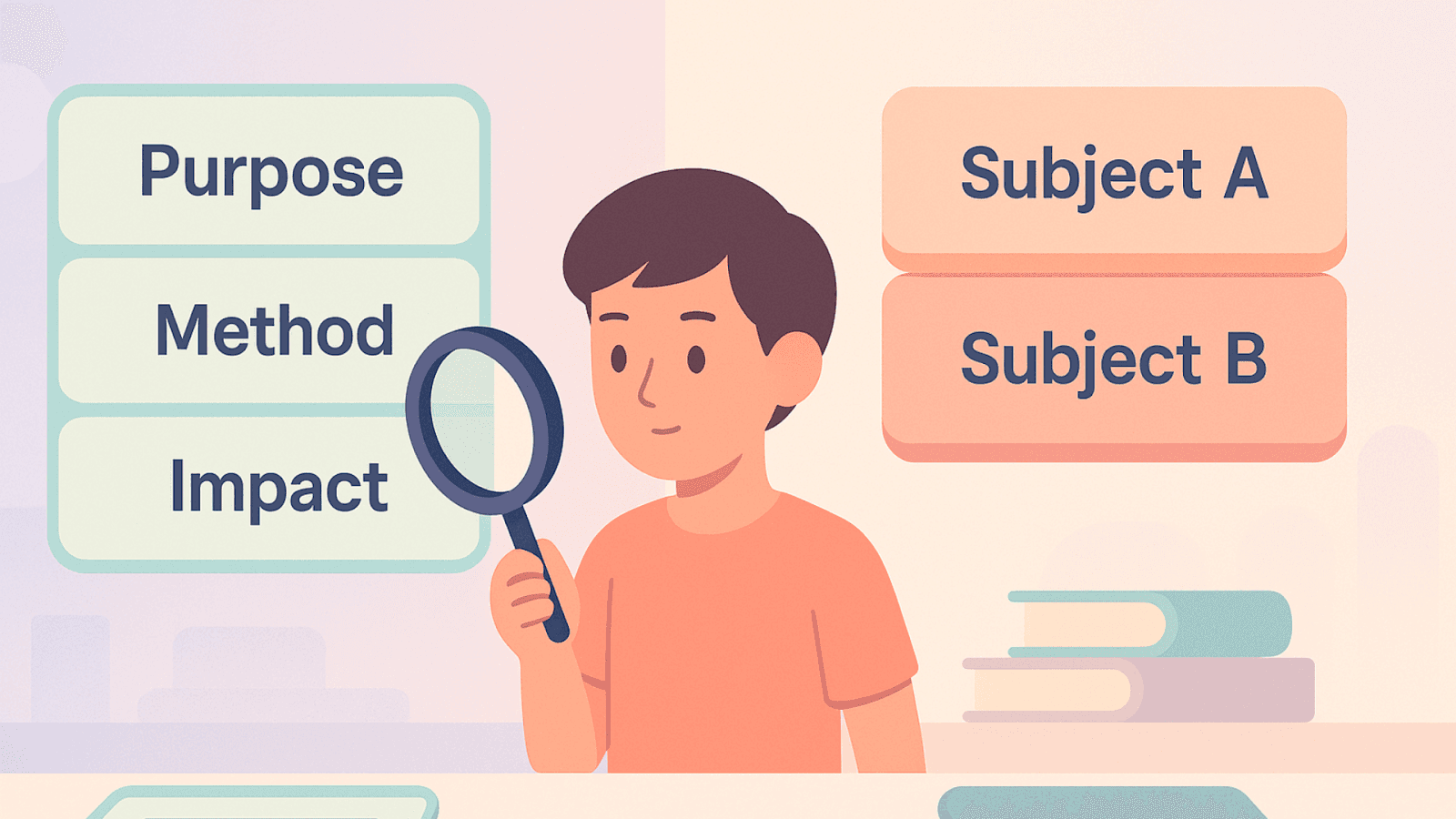
Bahut se students ko lagta hai ki ek compare aur contrast research paper bahut aasan hoga. Aap do subjects chunte hain, bataate hain ki unme kya saman hai, kya alag hai, aur bas kaam khatam. Lekin jab aap likhna shuru karte hain, tab aapko asli challenge samajh aata hai. Yeh sirf ideas ikatthe karne ke baare mein nahi hai; balki unhe aise clear, organized insights mein badalna hai jo ek majboot thesis ko support karein.
Yeh guide aapko us process ko step-by-step sikhayegi. Aap jaanenge ki ek compare aur contrast research paper kya hota hai, yeh dusre academic tasks se kaise alag hai, aur apne ideas ke flow ko behtar banane ke liye structure kaise chunein. Agar aap academic expectations par ek broader refresher chahte hain, toh academic paper ke purpose aur structure ka yeh overview dekhein. Anth tak, aap pure confidence ke saath likhne ke liye taiyaar ho jayenge.
<CTA title="Build a Strong Problem Statement" description="Jenni AI ke sath minutes mein ek clear aur research-ready problem statement banayein." buttonLabel="Try Jenni Free" link="https://app.jenni.ai/register" />
Compare aur Contrast Research Paper Kya Hota Hai
Ek compare aur contrast research paper do subjects ka study karta hai aur batata hai ki ve kaise ek jaise hain aur kaise alag hain. Lekin yeh sirf simple similarities batane se kahin zyada karta hai. Yeh aapse un connections ko samajhne aur yeh dikhane ki maang karta hai ki is comparison se kya pata chalta hai.
Examples par jaane se pehle, aaiye is paper type ke core idea ko samajhte hain.
Ek compare aur contrast research paper aapko relationships ke baare mein sochne mein madad karta hai. Kisi ek topic ko akele study karne ke bajaye, aap do topics ko side-by-side rakhte hain.
Yeh bilkul waise hi kaam karta hai jaise comparative research deeper insights ko uncover karne ke liye cases ke patterns ko examine karti hai. Yeh broader view aapko un connections ko notice karne mein madad karta hai jo aap shayad har subject ko alag se dekhte waqt miss kar dete.
<ProTip title="💡 Pro Tip:" description="Aise subjects chunein jo ek hi category share karte hon taaki aapka comparison natural aur samajhne mein aasan lage." />
Yeh Paper Dusre Research Papers Se Kaise Alag Hai
Is paper ko behtar dhang se samajhne ke liye, iska comparison dusre academic writing forms ke saath karna madadgar hota hai — ek broader overview ke liye, different types of research papers ki yeh simple guide dekhein. Lekin table dekhne se pehle, yeh yaad rakhein: har research paper type ka apna ek purpose hota hai.
Ek compare aur contrast paper connections ko explain karta hai. Dusre papers shaayad analysis, argument, ya original data par focus karte hain. Ab jab aapke paas badi picture hai, toh yahan ek simple table par transition hai jo key differences ko dikhata hai.
Key Differences Ek Nazar Mein
Aspect | Compare & Contrast Research Paper | Other Research Papers |
Main purpose | Do subjects ke beech relationships ko dikhana | Ek topic ka depth mein study karna |
Thesis style | Highlights karta hai ki comparison kya reveal karta hai | Ek claim ya research goal ko state karta hai |
Structure | Point-by-point ya block | Paper type ke hisab se vary karta hai |
Evidence | Differences aur similarities par focus karta hai | Ek central idea par focus karta hai |
Critical task | Subjects ke beech ideas ko link karna | Ek subject ka deep study karna |
Yeh differences is baat ko shape karte hain ki aap kaise likhte hain, kaun sa evidence chunte hain, aur arguments kaise build karte hain.
Compare aur Contrast Papers Kyun Matter Karte Hain
Compare aur contrast papers un skills ko develop karte hain jinhe aap apni poori academic life mein use karenge. Yeh ideas ko sort karne, judgments lene, aur patterns ko explain karne ki aapki ability ko majboot banate hain. Yeh skills higher-order thinking ko support karti hain jo aapko basic description se aage badhkar clear, reasoned analysis karne mein madad karti hain.
Iska main reason simple hai: comparison se critical thinking strong hoti hai. Jab aap subjects ko compare karte hain, toh aap information ko sort karte hain, judgments karte hain, aur patterns ko explain karte hain. Yeh skills essays, research reports, presentations, aur real-world decision-making mein bhi useful hoti hain.
Yahan asali do sabse bade fayde hain:
Aap connections dekhna seekhte hain - Bahut se subjects tab tak unrelated lagte hain jab tak aap unhe compare nahi karte
Aap structured arguments banana seekhte hain - Ek clear comparison logical aur careful reasoning ko dikhata hai
<ProTip title="💡 Pro Tip:" description="Apna thesis draft jaldi taiyaar karein lekin apne evidence ko review karne ke baad use fir se refine karein. Isse aapka argument focused rahega." />
Sahi Subjects Chunna
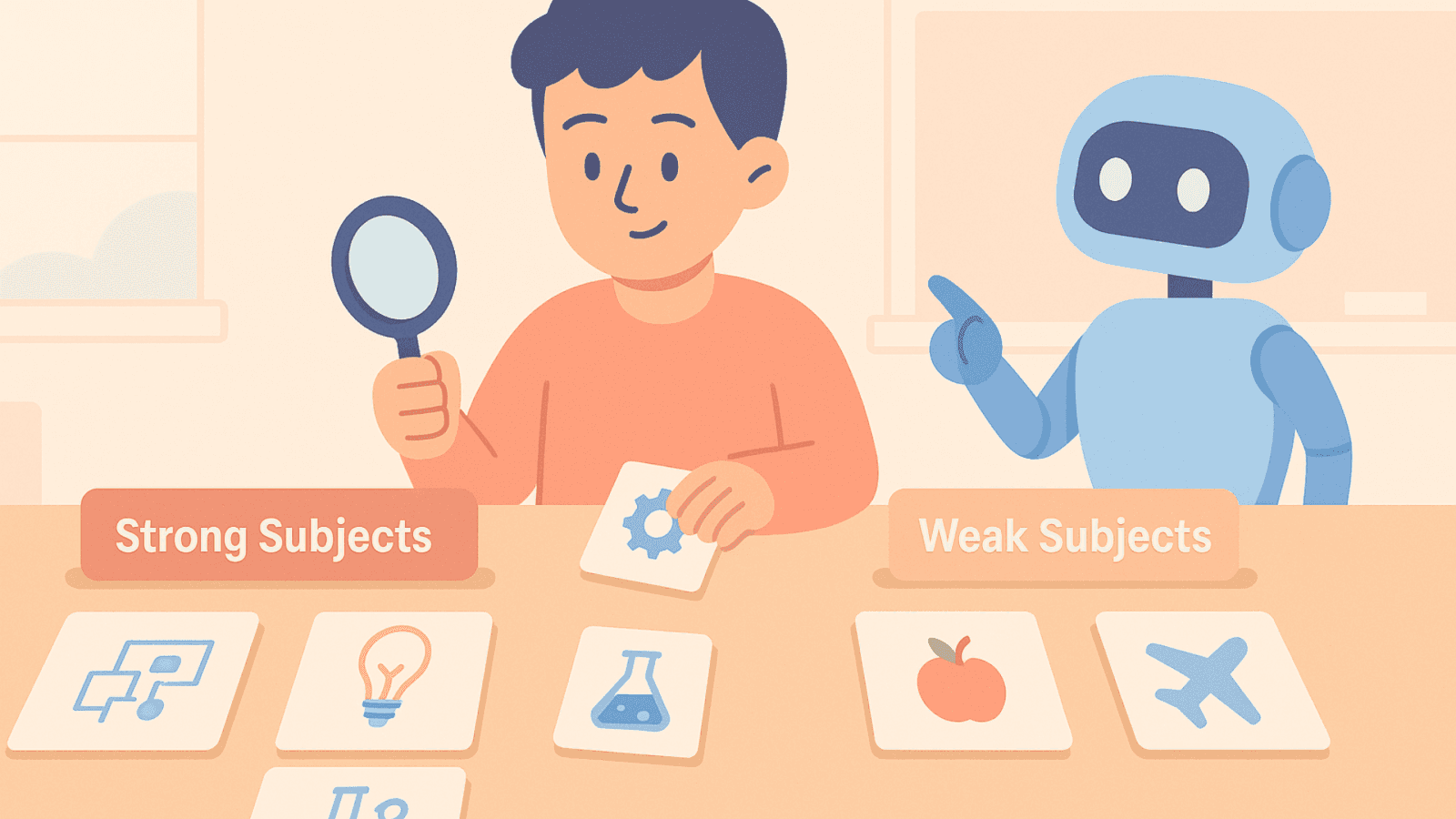
Ek compare aur contrast paper tabhi kaam karta hai jab subjects ka aapas mein koi logic ho. Acche subjects se strong insights milti hain, jabki weak subjects forced lagte hain.
Ek clear category par grounded topics chunna ek structured comparison ko support karta hai, bilkul waise hi jaise scientific research data ko examine karne se pehle ek sound research design select karne par depend karti hai.
Ab hum explore kar sakte hain ki "acche" aur "weak" subjects practice mein kaise dikhte hain.
Strong Subject Pair ke Examples
Yeh subjects kaam karte hain kyunki yeh ek hi category share karte hain.
Do research designs: qualitative vs quantitative
Do theories: behaviorism vs cognitivism
Do social movements: civil rights vs women’s rights
Do technologies: solar energy vs fossil fuel systems
Weak Subject Pair ke Examples
Yeh acche se kaam nahi karte kyunki inke beech koi meaningful connection nahi hai.
Ek poem vs ek phone
Apples vs airplanes
Do identical laptop models
Ek Strong Thesis Teiyar Karna
Thesis aapke paper ka dil hota hai. Examples ko break down karne se pehle, yeh yaad rakhein: ek thesis ko har ek similarity ya difference ki list nahi banani chahiye. Isse explain karna chahiye ki aapka comparison kya dikhata hai. Agar aapko apne comparison ko ek focused claim mein badalne ke liye madad chahiye, toh ek AI thesis statement generator try karein.
Is baat ko dhyan mein rakhte hain, yahan ek transition hai ek simple template ke liye jise aap use kar sakte hain.
Basic Thesis Template
*Halaanki Subject A aur Subject B share karte hain ____, ve ____ mein alag hain, jo reveal karta hai ____. *
Example Thesis
Halaanki quantitative aur qualitative research dono data collect karte hain, ve method aur purpose mein alag hain, jo yeh reveal karta hai ki kaise dono alag-alag research goals ko support karte hain.
<ProTip title="💡 Pro Tip:" description="Ek accha thesis sirf compare karne se kahin zyada karta hai. Yeh us insight ko explain karta hai jo comparison reveal karta hai." />
Compare aur Contrast Paper Ke Do Main Structures

Yeh paper do clear structures ko follow kar sakta hai. Kisi ek ko chunne se pehle, sochein ki aapke subjects aapas mein kaise relate karte hain. Ek structure ko aapke ideas ko support karna chahiye, unhe limit nahi karna chahiye. Agar aap layout ko jaldi se sketch karna chahte hain, toh ek AI essay outline generator aapko ek point-by-point ya block plan draft karne mein madad kar sakta hai.
Ab aaiye dono structures ko explore karte hain.
Point-by-Point Structure
Point-by-point method ek baar mein ek category ke subjects ko compare karta hai. Outline ko review karne se pehle, yeh yaad rakhein: yeh structure readers ko aapke ideas ko step-by-step follow karne mein madad karta hai.
Ab, yahan dekhiye ki outline kaise kaam karta hai.
Introduction
Thesis
Category 1: Purpose
Har ek subject purpose ko kaise handle karta hai
Yeh kya reveal karta haiCategory 2: Method
Har ek subject method ko kaise use karta hai
Yeh difference kyun matter karta haiCategory 3: Impact
Results aur outcomes
Contrast kyun important haiConclusion
Yeh structure clean, balanced, aur reader-friendly hai.
Block Structure
Block method pehle Subject A ki saari details ko explain karta hai, fir Subject B ki saari details ko. Ek short example ko explore karne se pehle, aaiye samajhte hain ki yeh structure kyun matter karta hai. Yeh tab useful hota hai jab har subject ko comparison se pehle context ki zaroorat hoti hai.
Ab ek simple breakdown dekhein.
Block Pattern
Block A:
Subject A ko poori detail mein describe karein.
Block B:
Subject B ko poori detail mein describe karein.
Analysis Block:
Dikhayein ki ve kaise compare aur differ karte hain.
<ProTip title="💡 Pro Tip:" description="Aise subjects ke liye block structure ka use karein jinhe compare karne se pehle rich background information ki zaroorat hoti hai." />
Apni Research Ki Planning Karna
Acchi research aapke paper ko strong aur credible banati hai. Recommended sources ki list banane se pehle, sochein ki aapko kis evidence ki zaroorat hogi. Har ek comparison point ko facts, examples ya scholarly ideas se support kiya jana chahiye.
Useful Source Types
Ab jab aapko goal pata hai, toh yahan sabse acche source types hain.
Academic journals
Research books
University press publications
Government ya science agency reports
JSTOR ya PubMed jaise databases mein peer-reviewed articles
Yeh sources aapko yeh explain karne mein madad karte hain ki subjects kaise aur kyun differ karte hain.
Apne Notes Ko Organize Karna
Ek baar jab aap research gather kar lete hain, toh aapko ideas ko organize karne ka ek clear tareeqa chahiye hota hai. Random notes likhne ke bajaye, ek comparison table aapko structure deta hai. Table ko dekhne se pehle, yeh yaad rakhein: aap baad mein har ek row ko ek paragraph mein badal denge.
Yahan ek simple layout hai:
Comparison Planning Table Ka Example
Category | Subject A | Subject B | Notes |
Purpose | |||
Method | |||
Outcome | |||
Strengths | |||
Limits |
<ProTip title="💡 Pro Tip:" description="Research karte waqt hi table ko fill karein. Isse drafting aasan ho jati hai aur writer block se bachaav hota hai." />
Introduction Likhna
Ek accha introduction tone set karta hai. Ek sample share karne se pehle, is baat par dhyan dein: introduction ko har ek similarity ya difference ki list nahi banani chahiye. Isse interest build hona chahiye aur aapke thesis ki taraf lead karna chahiye.
Neeche ek short example hai.
Sample Introduction
Qualitative aur quantitative research is baat ko shape karte hain ki kaise scholars complex questions ko study karte hain. Har method data collect karta hai, lekin ve process aur purpose mein alag hain. In differences ko samajhna researchers ko unke goals ke liye sahi method select karne mein madad karta hai.
Halaanki qualitative studies rich narratives offer karti hain, vahin quantitative studies measurable patterns provide karti hain. Yeh contrasts dikhate hain ki kaise har method data inquiry ke alag-alag forms ko support karta hai.
Body Paragraphs Likhna
Clear her paragraphs aapke comparison ko follow karne mein aasan banate hain. Template dekhne se pehle, ek key idea yaad rakhein: har paragraph ko ek comparison point par focus karna chahiye.
Paragraph Template
Yahan ek simple structure hai.
Ek topic sentence ke sath shuru karein
Evidence ya examples add karein
Explain karein ki evidence kya dikhata hai
Idea ko apne thesis se connect karein
Short Example Paragraph
Renewable aur fossil fuel energy systems dono hi global power needs ko supply karte hain. Renewable energy natural cycles jaise sunlight ya wind ka use karti hai. Fossil fuels purane carbon stores ka use karte hain. Yeh contrast dikhata hai ki kyun renewable energy long-term stability offer karti hai, jabki fossil fuels sustainability ke concerns raise karte hain.
Evidence Ka Effectively Use Karna
Evidence aapke paper ke liye central hai. Evidence ke types ki list banane se pehle, yeh yaad rakhein: evidence ko aapke comparison ko support karna chahiye, usse dhyaan bhatkana nahi chahiye.
Ab aaiye evidence ke forms ko explore karte hain.
Scholars ke short quotes
Study ke results
Data points
Clear examples
Historical events
Aise evidence ka use karein jo readers ko comparison samajhne mein madad karein.
Analysis: Aapke Paper Ka Core
Analysis explain karta hai ki comparison kyun matter karta hai. Key questions par jump karne se pehle, is baat par dhyan dein: sirf similarities aur differences ki list banana hi kafi nahi hai. Aapko unki importance explain karni hogi.
Ab apne aap se yeh poohein:
Aapko kaun se patterns dikh rahe hain?
Ve kyun matter karte hain?
Yeh patterns kya reveal karte hain?
Ve aapke thesis ko kaise support karte hain?
Aapka analysis hi woh jagah hai jahan aapki voice nikal kar aati hai.
Bachaney Ke Liye Common Mistakes
Students aksar compare aur contrast papers mein milti-julti galtiyan repeat karte hain. List par jaane se pehle, yahan ek key reminder hai: zyadatar galtiyan unclear planning ki wajah se hoti hain. Ab aaiye unhe explore karte hain.
Frequent Errors:
Bina analysis ke sirf facts ki list banana
Unrelated subjects ko chunna
Ek vague thesis likhna
Paragraphs ko bahut zyada data se overload karna
Ideas ke beech transitions ko skip karna
Transitions aapke reader ko guide karne aur aapki writing ko smooth rakhne mein madad karte hain.
<ProTip title="💡 Pro Tip:" description="Differences ke zariye apne reader ko guide karne ke liye 'however', 'meanwhile', aur 'in contrast' jaise words ka use karein." />
Mini Example: Ek Short Comparison
Aage badhne se pehle, yahan ek chota sa sample hai jo sab kuch ek saath lata hai. Yeh example dikhata hai ki description, comparison, aur insight ko kaise blend kiya jaye.
Topic
Renewable vs fossil fuel energy
Thesis
Dono global energy demand ko meet karte hain, fir bhi renewable energy long-term sustainability offer karti hai, jabki fossil fuels environmental risks ko badhate hain.
Sample Insight
Renewable energy natural sources jaise wind aur sunlight se aati hai. Fossil fuels underground stores se aate hain. Yeh difference har system ki long-term viability ko shape karta hai aur dikhata hai ki kyun renewable energy future planning ke liye ek stronger choice hai.
Ek Strong Conclusion Kaise Likhein
Ek conclusion ko aapke message ko reinforce karna chahiye. Kya include karna hai yeh dekhne se pehle, yeh yaad rakhein: koi nayi research ya information add na karein. Sirf apne insight ko summarize karne par focus karein.
Ab aaiye outline dekhte hain ki kya cover karna hai:
Thesis ko naye words mein restate karein
Key comparison points ko summarize karein
Explain karein ki comparison kyun matter karta hai
Ise short aur purposeful rakhein.
Submission Se Pehle Ki Checklist
Ek final checklist aapko galtiyan pakadne mein madad karti hai. Har item ko review karne se pehle, dhyan dein ki yeh list aapke paper ko academic expectations ke align rakhti hai.
Final Review List:
Kya subjects ek hi category se belong karte hain?
Kya thesis koi insight reveal karta hai?
Kya aapne ek clear structure chuna hai?
Kya har paragraph mein evidence ka use kiya gaya hai?
Kya transitions smooth hain?
Kya conclusion clear hai?
Agar aap har item ke liye yes keh sakte hain, toh aapka paper strong shape mein hai.
Ek Strong Compare aur Contrast Research Paper Likhna
Ek strong aur impactful compare aur contrast research paper likhna aasan ho jata hai jab aap sahi subjects chunte hain, ek clear thesis banate hain, aur apne ideas ko purpose ke saath organize karte hain. Yeh steps aapko un insights ko present karne mein madad karte hain jo focused aur meaningful lagti hain.
<CTA title="Build a Strong Problem Statement" description="Ek focused research question ko shape karne aur clarity ke sath apna paper shuru karne ke liye Jenni ka use karein." buttonLabel="Try Jenni Free" link="https://app.jenni.ai/register" />
Jenni ke saath aapne writing partner ke roop mein, aap apne structure ko plan kar sakte hain, apne comparison points ko develop kar sakte hain, aur confidence ke saath draft kar sakte hain.