Por
Justin Wong
—
La IA en la Escritura de Contenidos: Cómo los Escritores Utilizan Herramientas de IA Sin Perder su Voz

Justin Wong
Jefe de Crecimiento
Graduado con una Licenciatura en Negocios Globales y Artes Digitales, con un Minor en Emprendimiento

La inteligencia artificial está cambiando la forma en que las personas escriben. Se espera que el mercado global de IA supere los 126 mil millones de dólares para 2026, y la redacción de contenidos es una de las áreas que más rápido está cambiando. Ahora los escritores se enfrentan a plazos ajustados, mayores exigencias de calidad y la necesidad de publicar en muchas plataformas al mismo tiempo.
Esta guía explica de forma clara y práctica cómo encaja la IA en la redacción de contenidos. Aprenderás cómo funcionan las herramientas de escritura con IA, cómo han evolucionado con el tiempo, dónde aportan más valor, qué cuestiones éticas plantean y cómo los escritores pueden usar la IA sin perder su voz ni el control.
<CTA title="Escribe más rápido sin perder el control" description="Planifica ideas, gestiona fuentes y mejora borradores con apoyo de IA que te mantiene al mando" buttonLabel="Prueba Jenni gratis" link="https://app.jenni.ai/register" />
Comprender las tecnologías de escritura con IA
La inteligencia artificial para escribir puede parecer simple en la superficie, pero detrás depende de sistemas potentes. Estos sistemas permiten a las máquinas leer texto, aprender patrones y producir nuevos textos. Entender lo básico ayuda a los escritores a usar la IA con criterio y a evitar expectativas poco realistas.
Aprendizaje automático: el cerebro detrás de la escritura con IA
El aprendizaje automático es un tipo de inteligencia artificial que aprende a partir de ejemplos. En lugar de seguir reglas fijas, el sistema estudia grandes cantidades de datos y encuentra patrones por sí mismo. En las herramientas de escritura, estos datos incluyen libros, artículos, sitios web y otras fuentes de texto.
Al estudiar estos datos, el sistema aprende cómo se construyen las oraciones y cómo se relacionan las palabras entre sí. También aprende cómo cambia el tono en distintos contextos, como la escritura formal o las publicaciones informales. Por eso las herramientas de IA pueden generar borradores que suenan naturales, aunque en realidad no comprendan el significado como lo hacen los seres humanos.
El aprendizaje automático también ayuda a las herramientas de IA a adaptarse a distintos formatos. Una herramienta puede pasar de escribir una entrada de blog a un informe o un breve pie de foto. La calidad del resultado depende de qué tan bien se entrenó el sistema y de lo cuidadosamente que el escritor revise la salida.
<ProTip title="💡 Consejo profesional:" description="Reescribe siempre los borradores de IA con tus propias palabras para mantener la claridad y una voz natural" />
Procesamiento del lenguaje natural: comprender el significado y la fluidez
El Procesamiento del Lenguaje Natural, a menudo llamado PLN, se centra en cómo las máquinas manejan el lenguaje humano. Combina reglas lingüísticas con aprendizaje automático para comprender la estructura, el significado y la fluidez.
Con el PLN, las herramientas de escritura con IA pueden detectar problemas gramaticales, identificar frases poco claras y sugerir mejores opciones de redacción. También pueden analizar cómo se conectan las oraciones a lo largo de un párrafo. Esto ayuda a mejorar la fluidez y la legibilidad, no solo líneas sueltas de texto.
El PLN es lo que permite a las herramientas de IA ir más allá de la simple corrección ortográfica. En lugar de corregir una palabra a la vez, la herramienta analiza la oración o el párrafo completo y sugiere cambios que hacen que el texto sea más fácil de leer.
La evolución de las herramientas de escritura con IA
Las herramientas de escritura con IA no aparecieron de la noche a la mañana. Se desarrollaron paso a paso a medida que la tecnología mejoró y las necesidades de escritura cambiaron.
Primeras herramientas de escritura y automatización simple
Las primeras herramientas de escritura se centraban en tareas básicas. Los correctores ortográficos arreglaban palabras mal escritas. Las herramientas gramaticales corregían errores simples, como la puntuación faltante. Estas herramientas eran útiles, pero a menudo pasaban por alto el contexto y ofrecían sugerencias rígidas.
A medida que mejoró la capacidad de procesamiento, los desarrolladores añadieron funciones más avanzadas. Las herramientas comenzaron a sugerir reescrituras de oraciones y a resaltar frases poco claras. Estos cambios hicieron que las herramientas de escritura fueran más útiles, pero seguían teniendo límites.
Hitos importantes en el desarrollo de la escritura con IA
Varios avances dieron forma a las herramientas modernas de escritura con IA. Un paso importante fue la combinación del aprendizaje automático y el PLN. Esto permitió a las herramientas comprender el contexto en lugar de tratar cada oración por separado.
Otro hito clave fue el auge de los modelos de lenguaje de gran tamaño. Estos modelos pueden generar textos más largos que se mantienen centrados en el tema. Al mismo tiempo, las herramientas se volvieron más fáciles de usar. Las interfaces limpias y los controles sencillos hicieron que las herramientas de escritura con IA fueran accesibles para los escritores de todos los días.
Hoy en día, muchas herramientas combinan en un solo lugar la redacción, la edición y la ayuda en la investigación. Esto ahorra tiempo y respalda todo el proceso de escritura.
Ventajas de la IA en la escritura
La IA ofrece beneficios claros que influyen en la forma en que los escritores trabajan cada día. Estos beneficios no reemplazan a los escritores humanos, pero sí cambian la manera en que se gestionan las tareas de escritura.
Velocidad y productividad
Una de las mayores ventajas de la IA es la velocidad. Las herramientas de IA pueden crear esquemas, resúmenes y borradores iniciales en segundos. Esto ayuda a los escritores a superar la página en blanco y empezar a escribir más rápido.
Los escritores suelen usar la IA para encargarse de tareas repetitivas. Entre ellas se incluyen resumir investigaciones, enumerar puntos clave o redactar secciones sencillas. Al ahorrar tiempo en estas tareas, los escritores pueden centrarse en las ideas, la estructura y la precisión.
<ProTip title="📝 Consejo profesional:" description="Usa la IA para crear esquemas de temas largos y mantener cada sección enfocada y clara" />
Apoyo para la creatividad y la coherencia
La IA puede impulsar la creatividad al ofrecer nuevas formas de expresar ideas. Para proyectos narrativos más extensos, consulta nuestra guía sobre herramientas de IA para narración para escritores y descubre cómo crear historias sólidas manteniendo el control autoral. Los escritores pueden pedir a la IA alternativas de redacción o distintos tonos. Esto puede ayudar cuando una frase se siente estancada o poco clara.
La coherencia es otra gran ventaja. Las herramientas de IA ayudan a mantener un tono y un estilo uniformes a lo largo de documentos extensos. Esto resulta útil para equipos y para proyectos que abarcan muchas páginas o publicaciones.
Gestión de grandes volúmenes de contenido
Para las organizaciones, la IA ayuda a gestionar grandes cantidades de contenido. Las herramientas de IA pueden ayudar a redactar muchas piezas, adaptar contenido para distintas plataformas y reducir los retrasos en la edición. Esto facilita publicar con frecuencia sin bajar la calidad.
Casos de estudio: implementaciones exitosas de la escritura con IA
Muchas grandes organizaciones ya utilizan herramientas de escritura con IA como parte de su flujo de trabajo.
The Washington Post utiliza sistemas de IA como Heliograf para producir noticias basadas en datos durante elecciones y eventos deportivos.
HubSpot usa IA para generar ideas para blogs y apoyar la planificación de contenido.
Forbes utiliza herramientas de IA para ayudar con artículos centrados en SEO mientras los editores revisan el contenido final.
The Associated Press confía en la IA para informes financieros y resúmenes de resultados.
Grammarly ayuda a millones de usuarios a mejorar la claridad y la corrección en su escritura diaria.
Estos ejemplos muestran que la IA funciona mejor como herramienta de apoyo, no como reemplazo del criterio humano.
Aplicaciones diversas de las herramientas de escritura con IA

Los escritores usan herramientas de IA para blogs, informes, correos electrónicos, publicaciones en redes sociales y trabajos académicos. Esta amplia variedad de usos refleja cómo la IA en la creación de contenido apoya muchas tareas de escritura sin obligar a los escritores a cambiar su forma de pensar. Para audiencias internacionales, los escritores multilingües con IA pueden apoyar una comunicación clara sin aplanar el tono.
IA en blogging y redes sociales
El blogging y las redes sociales requieren publicaciones frecuentes. La IA ayuda a los creadores a mantener la constancia y ahorrar tiempo. Los escritores usan la IA para redactar secciones de blogs, reescribir pies de foto y ajustar el tono para distintas plataformas.
Las herramientas de IA también pueden analizar datos de interacción. Pueden sugerir tipos de contenido que suelen funcionar bien. Esto ayuda a los creadores a planificar contenido con más confianza.
IA en SEO y redacción publicitaria
La IA desempeña un papel cada vez mayor en la optimización para motores de búsqueda y la redacción publicitaria. Muchas herramientas de escritura con IA ayudan a los escritores a identificar temas, mejorar la estructura y probar variaciones que aumentan la claridad y la interacción.
En la redacción publicitaria, la IA ayuda a probar distintos titulares o llamadas a la acción. Esto facilita ver qué funciona mejor para los lectores.
<ProTip title="🔍 Consejo profesional:" description="Escribe primero para las personas y luego deja que la IA te apoye con la estructura y la elección de palabras clave" />
IA en edición y corrección
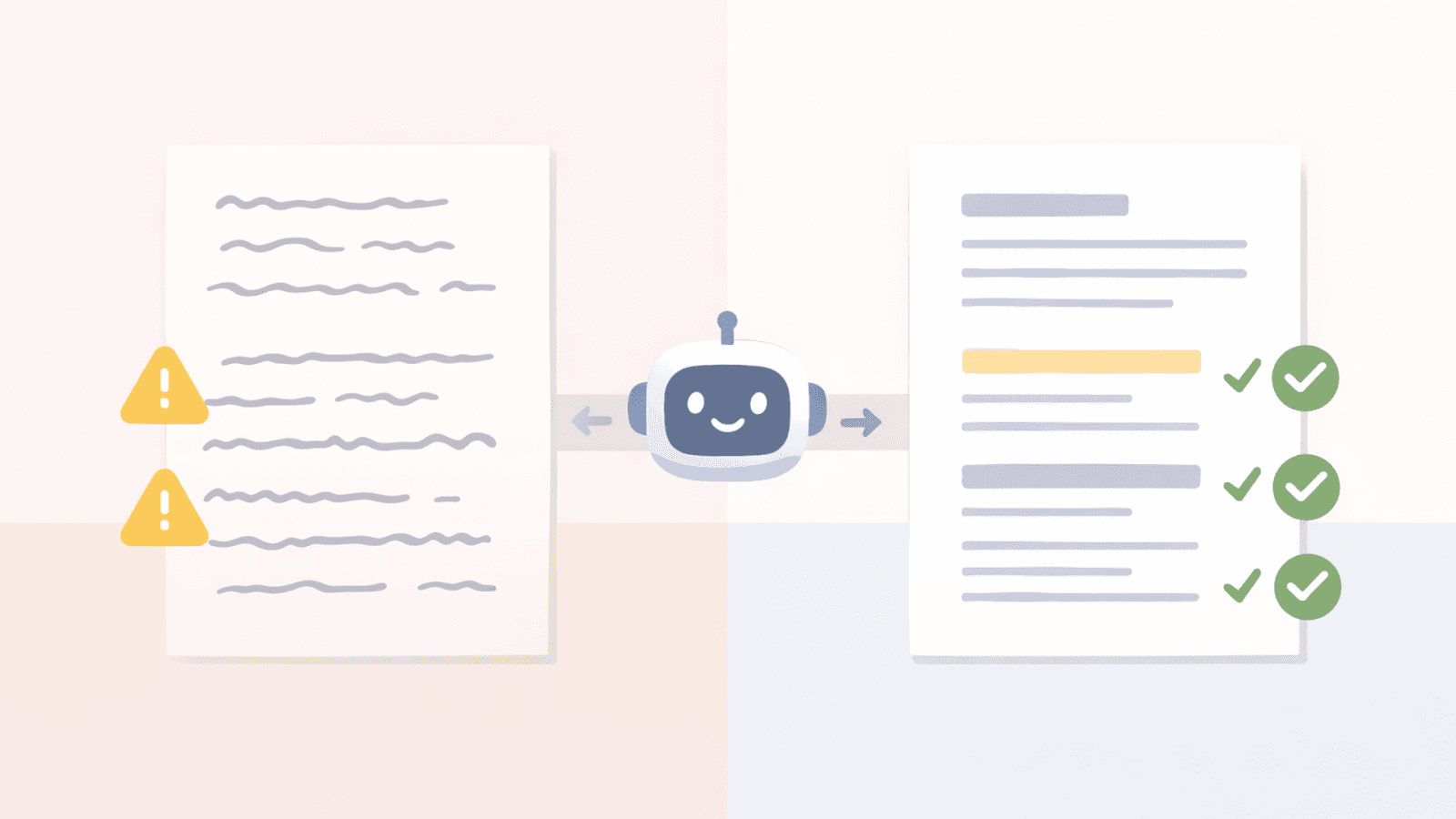
Las herramientas de edición con IA ayudan a los escritores a pulir los borradores más rápido. No reemplazan una revisión cuidadosa, pero reducen la carga mental de detectar pequeños errores. Esto hace que la edición sea menos estresante y más eficiente, especialmente en documentos largos o complejos.
Apoyo de edición más inteligente
Las herramientas modernas de IA hacen mucho más que corregir la ortografía. Señalan problemas gramaticales, sugieren una redacción más sencilla e indican frases demasiado largas o confusas. Algunas herramientas también destacan problemas de tono, como una redacción que suena demasiado formal o demasiado informal.
Este apoyo ayuda a los escritores a mejorar la claridad sin reescribir todo desde cero. Resulta especialmente útil cuando se trabaja bajo presión de tiempo o al revisar borradores avanzados.
Comparación de herramientas de edición con IA
Las distintas herramientas de edición con IA se centran en diferentes partes del proceso de escritura. Algunas ayudan con la gramática y la claridad. Otras se enfocan en el tono, la legibilidad o las comprobaciones de plagio. Entender estas diferencias facilita elegir la herramienta adecuada para tus necesidades.
Herramienta | Gramática y sintaxis | Análisis de estilo y tono | Comprobación de plagio | Mejora de la legibilidad | Usuarios objetivo |
Grammarly | Avanzado | Sí | Sí | Sí | Usuarios generales, estudiantes, profesionales |
Hemingway Editor | Básico | Enfoque en una redacción concisa | No | Sí | Blogueros, periodistas, redactores publicitarios |
ProWritingAid | Integral | Detallado | Sí | Sí | Redactores académicos, novelistas, profesionales |
Ginger | Bueno | Limitado | No | No | Escritores de ESL, usuarios generales |
White Smoke | Muy bueno | Moderado | Sí | Sí | Redactores empresariales y profesionales |
Cada herramienta cumple una función distinta. Grammarly y ProWritingAid funcionan bien para una edición profunda y para la escritura profesional. Hemingway Editor ayuda a simplificar el lenguaje y mejorar la legibilidad. Herramientas como Ginger apoyan las necesidades gramaticales básicas, especialmente para escritores que no son nativos.
Elegir la herramienta correcta depende de lo que escribas, del nivel de edición que necesites y de si la legibilidad, el tono o las comprobaciones de plagio son lo más importante para tu trabajo.
Implicaciones éticas del contenido generado por IA
A medida que las herramientas de escritura con IA se vuelven más comunes, las preocupaciones éticas importan más que nunca. Los escritores deben pensar con cuidado cómo usan la IA y cuánto dependen de ella. El uso ético protege tanto al escritor como al lector.
La IA puede apoyar la escritura, pero no debe eliminar la responsabilidad. Los escritores siguen siendo responsables de la exactitud, la imparcialidad y la honestidad en su trabajo, incluso cuando intervienen herramientas de IA.
Originalidad y confianza
La originalidad es una preocupación importante en la escritura asistida por IA. Los escritores deben asegurarse de que su trabajo refleje sus propias ideas y comprensión. El resultado de la IA nunca debe presentarse como pensamiento original sin revisión y ajustes.
La confianza también depende de la transparencia. En la educación, el periodismo y la investigación, los lectores pueden esperar que se indique cuando se usan herramientas de IA. Ser claro sobre el apoyo de la IA ayuda a mantener la credibilidad y evita malentendidos.
Equilibrar la IA y el juicio humano
El uso ético de la IA siempre incluye el juicio humano. Los escritores deben revisar cada sugerencia generada por IA, comprobar los datos y decidir qué se mantiene y qué se elimina. La IA no puede juzgar la verdad, el sesgo o el contexto como lo hacen los humanos.
<ProTip title="⚖️ Consejo profesional:" description="Revisa cuidadosamente todo el contenido de IA antes de publicarlo para garantizar la precisión y la imparcialidad" />
Tendencias futuras en la tecnología de escritura con IA
Las herramientas de escritura con IA siguen evolucionando. Los nuevos avances apuntan a un futuro en el que los escritores de IA tendrán un papel de apoyo más sólido, mientras que los humanos conservarán el control sobre las ideas, el tono y las decisiones finales.
Desarrollos emergentes
Las futuras herramientas de IA podrían adaptarse más de cerca al estilo de cada escritor. En lugar de sugerencias genéricas, las herramientas podrían aprender el tono preferido, la longitud de las oraciones y la estructura. Las herramientas predictivas también podrían ayudar a los escritores a estimar cómo funcionará el contenido antes de publicarlo.
Una mejor integración de la investigación es otra tendencia clave. Las herramientas de IA podrían ayudar a rastrear fuentes, resumir estudios y detectar evidencias débiles. Esto puede ahorrar tiempo al tiempo que mejora la precisión.
La IA y el futuro del periodismo
En el periodismo, es probable que la IA apoye la cobertura con mucha carga de datos y las grandes investigaciones. Puede ayudar a analizar registros, detectar patrones y redactar resúmenes. La IA también podría ayudar a personalizar las noticias para los lectores.
Incluso con estos cambios, la confianza sigue siendo esencial. Los periodistas deben ser transparentes sobre el uso de la IA y mantener un fuerte control editorial para proteger la precisión y la imparcialidad.
Cómo elegir la herramienta de escritura con IA adecuada
No todas las herramientas de escritura con IA sirven para lo mismo. Elegir la herramienta adecuada marca una gran diferencia en lo útil que se siente la IA durante la escritura.
Factores a considerar al seleccionar una herramienta
Los escritores deberían fijarse primero en la facilidad de uso. Una herramienta debe sentirse sencilla, no abrumadora. El control del tono también importa, especialmente en la escritura profesional o académica. La compatibilidad con el flujo de trabajo también es importante. La mejor herramienta se adapta a la forma en que ya escribes.
El costo también importa. Algunas herramientas cobran por función, mientras que otras usan suscripciones. Elegir una herramienta que se ajuste tanto a las necesidades como al presupuesto evita frustraciones más adelante.
Historias de éxito del mundo real
Herramientas como Jasper, Rytr y Anyword muestran cómo la IA puede apoyar a los equipos de contenido cuando se usa con reglas claras. Estos equipos siguen dependiendo de editores humanos, pero la IA ayuda a acelerar los borradores y las pruebas.
<ProTip title="✅ Consejo profesional:" description="Elige herramientas que respalden tu proceso de escritura en lugar de reemplazarlo" />
Un flujo de trabajo práctico para usar la IA en la escritura
A muchos escritores les preocupa sonar genéricos al usar IA. Esto suele ocurrir cuando el resultado de la IA se copia sin cambios. Un flujo de trabajo simple ayuda a evitar este problema.
Un flujo equilibrado suele seguir tres pasos:
El escritor planifica los objetivos y la estructura
La IA apoya la redacción y la edición
El escritor revisa el tono, la lógica y la fluidez
Esto mantiene la escritura clara, original y humana.
Errores comunes que evitar al usar herramientas de escritura con IA
La IA es potente, pero los errores pueden reducir la calidad.
Los problemas comunes incluyen:
Publicar borradores de IA sin revisarlos
Confiar en los datos de la IA sin comprobar las fuentes
Ignorar las necesidades de la audiencia
Evitar estos errores ayuda a proteger la credibilidad.
El futuro de la IA en la redacción de contenidos
A medida que las herramientas de IA mejoran, los mejores escritores las usan como apoyo, no como sustitutos. La IA funciona muy bien para planificar, redactar y editar. Las personas siguen guiando las ideas, el tono y las decisiones finales. Este equilibrio mantiene la escritura clara, honesta y humana.
<CTA title="Usa la escritura con IA con confianza" description="Aplica lo que aprendiste y mantén el control total sobre las ideas, las fuentes y los borradores finales" buttonLabel="Prueba Jenni gratis" link="https://app.jenni.ai/register" />
Herramientas como Jenni siguen este enfoque. Jenni ayuda a los escritores a organizar ideas, registrar fuentes y mejorar borradores. El escritor mantiene el control en cada paso.