Durch
Justin Wong
—
Wie Sie KI für das Peer-Review nutzen: Simulieren Sie Gutachter-Feedback und stärken Sie Ihre Arbeit vor der Einreichung

Justin Wong
Leiter des Wachstums
Abgeschlossen mit einem Bachelor in Global Business & Digital Arts, Nebenfach in Unternehmertum

Laut einer Umfrage aus dem Jahr 2026 unter über 1.600 Akademikern in 111 Ländern nutzen inzwischen mehr als 50 % der Forscher KI bei der Begutachtung von Manuskripten. Die meisten experimentieren mit Allzweckwerkzeugen, ohne einen strukturierten Arbeitsablauf und ohne zu wissen, welche Teile des Prozesses KI tatsächlich verbessert.
Dieser Leitfaden deckt genau ab, wie KI-Peer-Review-Tools funktionieren, was sie realistisch leisten können, wo ihre Grenzen liegen und wie Sie das Peer-Review-Feature von Jenni nutzen können, um strukturiertes Feedback von Gutachtern für Ihr eigenes Manuskript zu simulieren, bevor es eine Fachzeitschrift erreicht.
Ansehen: So funktioniert das KI-Peer-Review-Feature von Jenni für Forscher
<CTA title="Probieren Sie Reviews für Ihr nächstes Manuskript aus" description="Simulieren Sie das Feedback von Peer-Reviewern, finden Sie unbegründete Behauptungen und reichen Sie Ihre Arbeit mit Zuversicht ein. Kostenlos starten." buttonLabel="Jenni kostenlos testen" link="https://app.jenni.ai/register" />
Was KI beim Peer-Review tun kann (und was nicht)
Bevor man sich für ein Tool entscheidet, hilft es, sich die Grenzen genau bewusst zu machen. Forscher, die sich beim Peer-Review zu sehr auf KI verlassen, haben am Ende andere Probleme als am Anfang. Forscher, die sie völlig ablehnen, verpassen einen wirklich nützlichen Schritt im Einreichungsprozess.
KI kann helfen bei | KI kann nicht ersetzen |
Identifizierung unbegründeter Behauptungen | Wissenschaftliches Expertenurteil in Ihrem Fachgebiet |
Kennzeichnung fehlender oder schwacher Zitate | Fachspezifische Bewertung der Neuartigkeit |
Überprüfung der strukturellen Konsistenz | Bewertung der methodischen Validität |
Bewertung der Fundiertheit und Präsentation des Manuskripts | Beurteilung der realen Bedeutung der Ergebnisse |
Generierung von Fragen, die ein Gutachter aufwerfen könnte | Treffen von endgültigen Entscheidungen über Annahme oder Ablehnung |
Kennzeichnung von Ton- und Klarheitsproblemen | Erfassen des breiteren Fachkontexts rund um Ihre Arbeit |
Das richtige mentale Modell ist folgendes: KI ist ein Vorbereitungswerkzeug, kein Bewertungswerkzeug. Ein Manuskript, das bereits vor dem Peer-Review auf Zitierlücken und unbegründete Behauptungen überprüft wurde, gibt dem Gutachter den Raum, sich auf die Wissenschaft zu konzentrieren, nicht auf das formale Gerüst.
<ProTip title="📌 Hinweis:" description="KI-Peer-Review-Tools sind am wertvollsten, wenn sie vor der Einreichung für das eigene Manuskript verwendet werden. Die Verwendung von KI zur Erstellung eines Peer-Review-Berichts und dessen Einreichung als Ihr Expertenurteil verstößt gegen die Ethikrichtlinien der meisten Fachzeitschriften. Die Offenlegungspflichten variieren je nach Zeitschrift, informieren Sie sich also immer vorab." />
Die meisten Fachzeitschriften verlangen mittlerweile die Offenlegung der KI-Nutzung im Review-Prozess. Die ethische Grenze ist nicht kompliziert. KI zur Vorbereitung ist weitgehend akzeptiert. KI als Ersatz für Ihr eigenes Expertenurteil ist es nicht.
Warum die Überprüfung vor der Einreichung wichtiger ist, als die meisten Forscher denken
Eine Ablehnung durch eine führende Fachzeitschrift kann Sie drei bis sechs Monate Bearbeitungszeit kosten. Bei Zeitschriften wie Nature oder Science liegen die Ablehnungsquoten insgesamt bei über 90 %. Selbst bei Zeitschriften der mittleren Kategorie kehrt ein erheblicher Teil der Manuskripte wegen grundlegender Überarbeitungen zurück, die bereits vor der Einreichung vorlagen: unbegründete Behauptungen, Zitierlücken und strukturelle Inkonsistenzen, die bei einer sorgfältigen Vorprüfung aufgefallen wären.
Die folgende Tabelle listet die häufigsten Gründe auf, aus denen Manuskripte zur grundlegenden Überarbeitung zurückgewiesen werden, und zeigt, bei welchen davon KI vor der Einreichung realistisch helfen kann.
Häufiger Grund für grundlegende Überarbeitung | Hilft KI-Vorprüfung? | Was zu tun ist |
Behauptungen werden nicht durch zitierte Quellen gestützt | Ja | Führen Sie vor der Einreichung die Funktion „Claim Confidence“ in Jenni aus |
Zitierlücken oder falsch zugeordnete Quellen | Ja | Jenni markiert Diskrepanzen zwischen Behauptungen und zitierten Arbeiten |
Diskussion übertreibt die Ergebnisse | Teilweise | Strukturelles Feedback erkennt in den meisten Fällen logische Übertreibungen |
Abstract stimmt nicht mit den tatsächlichen Ergebnissen der Arbeit überein | Ja | Präsentationsbewertung und Kommentare weisen direkt darauf hin |
Methodenteil ist nicht reproduzierbar | Teilweise | Die Bewertung der Fundiertheit deckt dies auf; die endgültige Entscheidung erfordert Ihr Urteil |
Fundamentaler methodischer Fehler | Nein | Erfordert die Überprüfung durch einen Fachexperten. KI kann dies nicht beurteilen. |
Ein erheblicher Teil der Überarbeitungsaufforderungen ist vermeidbar. Es handelt sich dabei nicht um tiefgreifende wissenschaftliche Meinungsverschiedenheiten. Es sind behebbare strukturelle und zitiertechnische Probleme, die eine systematische Vorprüfung in wenigen Minuten aufdeckt.
Wie KI-Peer-Review-Tools funktionieren

Die meisten KI-Peer-Review-Tools scannen den Manuskripttext, gleichen interne Behauptungen mit Zitaten ab und bewerten die strukturelle Logik. Hier ist, was die einzelnen Funktionen tatsächlich tun.
Verifizierung von Behauptungen wissenschaftlicher Aussagen
Die KI scannt das Manuskript nach deklarativen Aussagen und prüft, ob jede einzelne durch eine zitierte Quelle im Dokument gestützt wird. Unbegründete Behauptungen sind einer der häufigsten Gründe für Kritik von Gutachtern und gehören zugleich zu den am leichtesten vermeidbaren Fehlern. Zu verstehen, worauf Gutachter bei Behauptungen und Zitaten tatsächlich achten, macht diese Prüfung vor der Einreichung besonders wertvoll.
Erkennung von Zitierlücken
Über die Prüfung hinaus, ob Behauptungen mit Zitaten versehen sind, verifizieren fortschrittliche Tools, ob die zitierten Quellen tatsächlich das aussagen, was der Autor behauptet. Falsch zugeordnete Zitate sind subtiler und schwerwiegender als ein fehlendes Zitat. Ein Gutachter, der eine falsch dargestellte Quelle entdeckt, wird die Zuverlässigkeit Ihres gesamten Literaturverzeichnisses infrage stellen.
Strukturelles Feedback
Die KI bewertet, ob das Manuskript der für seinen Typ erwarteten logischen Struktur folgt. Ist der Methodenteil reproduzierbar? Übertreibt die Diskussion die Ergebnisse im Verhältnis zu den Resultaten? Spiegelt das Abstract präzise wider, was die Arbeit tatsächlich herausgefunden hat? Dies sind Prüfungen der strukturellen Integrität, die man selbst nur schwer erkennt, wenn man monatelang an demselben Dokument gearbeitet hat.
Analyse von Tonfall und Klarheit
Kennzeichnet übermäßig komplexe Sätze, uneinheitliche Terminologie und mehrdeutige Formulierungen im gesamten Manuskript. Dies ist besonders nützlich für Forscher, die Manuskripte in ihrer Zweitsprache verfassen, wo es ebenso sehr auf Register und Präzision ankommt wie auf den Inhalt selbst.
<ProTip title="💡 Profi-Tipp:" description="Führen Sie die Tonfall- und Klarheitsanalyse zuerst auf Ihrem Abstract aus. Gutachter und Editoren gewinnen dort ihren ersten Eindruck von Ihrer Arbeit. Ein klares, präzises Abstract bestimmt maßgeblich, wie wohlwollend der Rest der Arbeit gelesen wird." />
So nutzen Sie das Peer-Review-Feature von Jenni — Schritt für Schritt
Das Peer-Review-Feature von Jenni simuliert das strukturierte Feedback eines akademischen Gutachters, bewertet Ihr Manuskript in drei Dimensionen und liefert spezifische Kommentare auf Zeilenebene. Hier ist die genaue Anleitung zur Ausführung.
Schritt 1 — Öffnen Sie Ihr Manuskript in Jenni
Klicken Sie in der linken Seitenleiste auf Dokumente und wählen Sie das Manuskript aus, das Sie analysieren möchten. Wenn es sich noch nicht in Ihrer Bibliothek befindet, ziehen Sie das PDF per Drag-and-Drop hinein, um es zuerst hochzuladen. Sobald es geöffnet ist, ist das Dokument bereit für die Analyse.
Schritt 2 — Öffnen Sie das Review-Panel und wählen Sie „Peer Review“
Klicken Sie in der oberen Symbolleiste auf Review. Das Panel öffnet sich auf der rechten Seite und zeigt vier verfügbare Review-Typen: Claim Confidence, Proofread, Peer Review und Tone of Voice. Klicken Sie unter der Karte „Peer Review“ auf Review ausführen, um die Analyse zu starten.
Schritt 3 — Warten Sie, bis die Analyse abgeschlossen ist
Jenni verarbeitet das gesamte Manuskript, bevor Ergebnisse ausgegeben werden. Dies ist kein einfacher Grammatikscan. Das Tool liest die Arbeit so, wie es ein akademischer Gutachter tun würde, und bewertet die Argumentationsstruktur, die Qualität der Zitate und den Beitrag zum Fachgebiet. Die Bearbeitungszeit spiegelt diese Tiefe wider.
<ProTip title="📝 Hinweis:" description="Jenni Reviews ist keine Abkürzung. Stellen Sie es sich wie einen gründlichen, schnellen Kollegen vor, der Ihre gesamte Arbeit gelesen und alles markiert hat, was bei einem Gutachter auf Widerstand stoßen könnte. Jede Entscheidung treffen nach wie vor Sie selbst." />
Schritt 4 — Lesen Sie Ihre Gesamtbewertung
Nach dem Abschluss liefert Jenni eine bewertete Einschätzung in drei Dimensionen: Fundiertheit (Soundness), Präsentation (Presentation) und wissenschaftlicher Beitrag (Contribution), jeweils bewertet mit bis zu 4 Punkten. Darunter erscheint eine Gesamtpunktzahl von bis zu 10 Punkten, zusammen mit einem Ergebnis-Abschnitt, der Ihnen das Gesamturteil in verständlicher Sprache liefert. Lesen Sie den Ergebnis-Abschnitt, bevor Sie sich die einzelnen Punktwerte ansehen.
Schritt 5 — Arbeiten Sie Schwächen, Stärken und Fragen an die Autoren durch
Unterhalb der Gesamtwerte liefert Jenni drei strukturierte Listen, die widerspiegeln, wie ein echter Gutachter seinen formellen Bericht verfasst. Schwächen (gekennzeichnet mit orangefarbenen Strichen) weisen auf die größten Lücken des Manuskripts hin. Stärken (gekennzeichnet mit grünen Pluszeichen) zeigen, was gut funktioniert, was ebenso wichtig ist: Diese Abschnitte sollten bei der Überarbeitung unverändert bleiben. Fragen an die Autoren (in Blau) weisen auf die spezifischen Punkte hin, die ein Gutachter mit an Sicherheit grenzender Wahrscheinlichkeit aufwerfen würde.
Behandeln Sie die Liste „Fragen an die Autoren“ wie eine Vorschau auf das Gutachten Ihres nächsten Reviewers. Wenn Sie jede Frage in dieser Liste beantworten können, bevor Sie die Arbeit erneut einreichen, haben Sie bereits die wichtigste Überarbeitungsarbeit geleistet.
<ProTip title="💡 Profi-Tipp:" description="Der Abschnitt „Fragen an die Autoren“ ist oft das hilfreichste Ergebnis. Jede Frage bezieht sich direkt auf einen Punkt, den ein echter Gutachter ansprechen würde. Gehen Sie diese Liste wie eine Checkliste durch, bevor Sie das erste Wort Ihrer Überarbeitung schreiben." />
Schritt 6 — Arbeiten Sie die Inline-Kommentare durch
Navigieren Sie zum Kommentar-Panel, um das detaillierte Feedback von Jenni auf Zeilenebene zu sehen. Die Kommentare sind nach Schweregrad kategorisiert. Beginnen Sie mit allen als Major (schwerwiegend) gekennzeichneten Punkten. Jeder Kommentar benennt das spezifische Problem und erklärt in der gleichen direkten Sprache, die auch ein echter Gutachter verwenden würde, warum es wichtig ist. Akzeptieren Sie nicht jeden Vorschlag automatisch. Ihre Fachkompetenz entscheidet darüber, welche Änderungen gerechtfertigt sind.
<ProTip title="💡 Profi-Tipp:" description="Führen Sie Jenni Reviews sowohl für Ihren ersten Entwurf als auch für Ihre endgültige Version aus. Das dauert nur wenige Minuten und deckt oft neue Fehler auf, die während der Bearbeitung entstanden sind – wie etwa ein Absatz, der umstrukturiert wurde und bei dem dabei das Zitat verloren ging." />
So interpretieren Sie Ihre Jenni Peer-Review-Bewertung
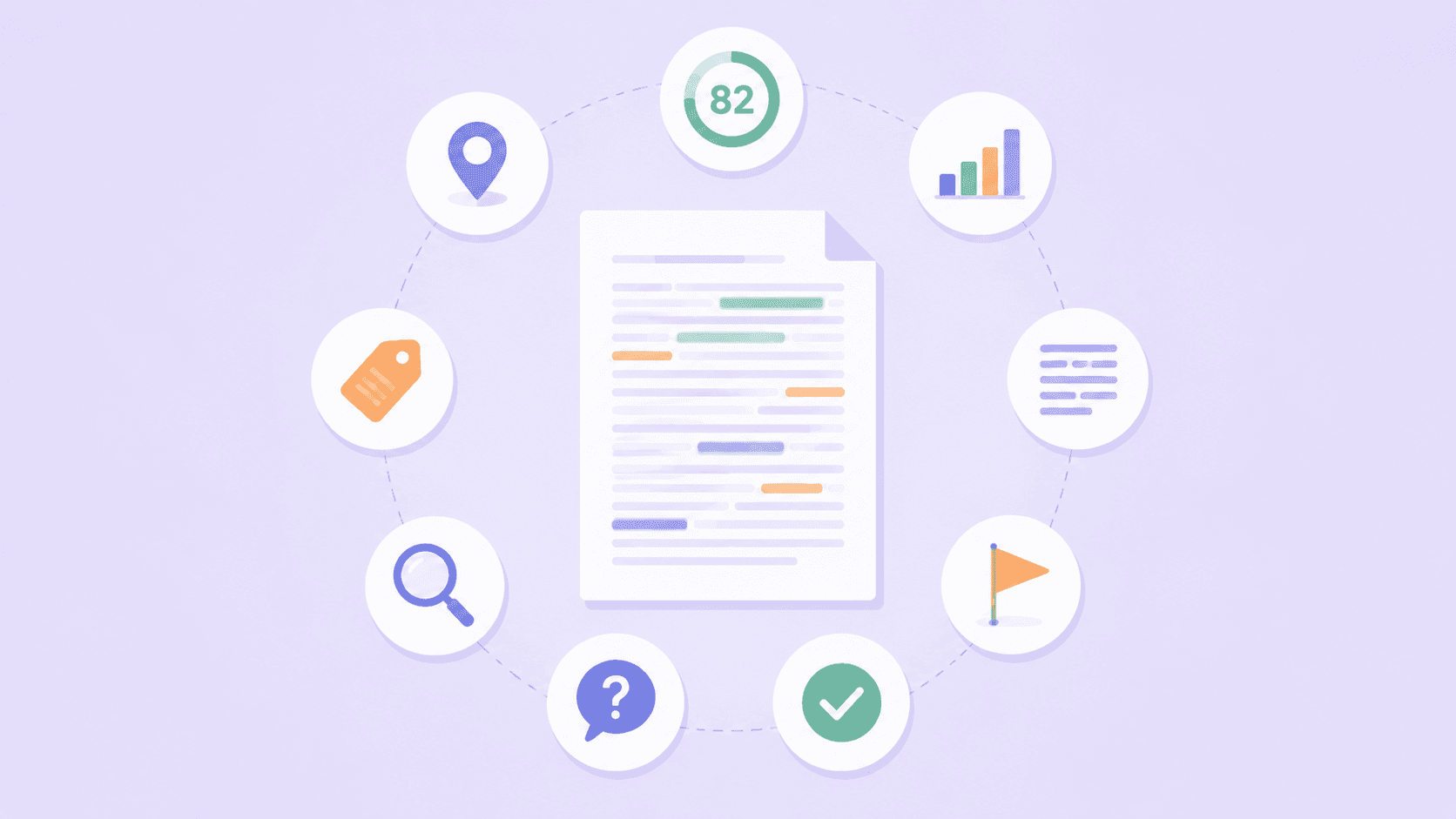
Das dreidimensionale Bewertungsschema spiegelt die Kriterien wider, die echte Gutachter anlegen, wenn sie Veröffentlichungsempfehlungen aussprechen. Zu wissen, was die einzelnen Punktebereiche bedeuten, hilft Ihnen, Prioritäten zu setzen, wo Sie Ihre Zeit für die Überarbeitung investieren sollten, anstatt zu versuchen, alles auf einmal zu beheben.
Punktebereich | Bedeutung | Vorrangige Maßnahme |
4/4 in einer Dimension | Stark. Keine nennenswerten Probleme in diesem Bereich. | Prüfen Sie die Liste der Stärken, um zu bestätigen, was beibehalten werden soll. |
3/4 in einer Dimension | Kleinere Lücken. Vor der erneuten Einreichung behebbar. | Arbeiten Sie gezielt die Kommentare für diese Dimension durch. |
2/4 in einer Dimension | Deutliche Lücken, die Gutachter bemängeln werden. | Priorisieren Sie diesen Bereich. Behandeln Sie zuerst die Liste der Schwächen. |
1/4 in einer Dimension | Erhebliche Mängel. Hohes Ablehnungsrisiko. | Beheben Sie dies unbedingt vor einer Einreichung. |
Gesamt 8 bis 10 von 10 | Das Manuskript ist in einem sehr guten Zustand für die Einreichung. | Gezielter Feinschliff. Beantworten Sie die Fragen an die Autoren. |
Gesamt 5 to 7 von 10 | Solides Fundament. Systematische Überarbeitung erforderlich. | Arbeiten Sie das gesamte Kommentar-Panel nach Schweregrad durch. |
Gesamt 1 bis 4 von 10 | Umfangreiche Überarbeitung erforderlich. | Gründliche Überarbeitung vor der Einreichung bei einer Fachzeitschrift. |
Eine niedrige Bewertung der Fundiertheit (Soundness) ist das Warnsignal mit der höchsten Priorität. Gutachter sehen über Mängel in der Präsentation hinweg, verzeihen aber selten ein Manuskript, dessen Kernaussagen nicht durch Belege gestützt sind. Eine niedrige Bewertung des Beitrags (Contribution) deutet oft eher auf ein Problem bei der Formulierung des Rahmens hin als auf ein Forschungsproblem. Das lässt sich meist schneller beheben, als es klingt.
Was das Peer-Review-Feature von Jenni liefert
Jeder Peer-Review-Durchlauf liefert einen vollständigen strukturierten Bericht, auf den Sie sofort reagieren können. Hier ist die vollständige Ausgabe:
✅ Bewertung der Fundiertheit (Soundness) (bis zu 4 Punkte) – Qualität der Methodik, Aussagekraft der Belege und Integrität der Zitate im gesamten Manuskript
✅ Bewertung der Präsentation (bis zu 4 Punkte) – Klarheit des Schreibstils, strukturelle Logik und die Frage, ob das Abstract die Ergebnisse der Arbeit präzise widerspiegelt
✅ Bewertung des Beitrags (Contribution) (bis zu 4 Punkte) – Originalität, Relevanz für das Fachgebiet und Bedeutung der Forschungsfrage
✅ Gesamte kombinierte Bewertung (bis zu 10 Punkte) – ein einzelner Richtwert, um Verbesserungen über verschiedene Entwürfe hinweg zu verfolgen
✅ Ergebnis-Abschnitt – das Gesamturteil in verständlicher Sprache, bevor Sie sich mit den Details befassen
✅ Liste der Schwächen – Lücken und Probleme, die ein echter Gutachter bemängeln würde, formuliert in der direkten Sprache von Gutachtern
✅ Liste der Stärken – was gut funktioniert, damit Sie genau wissen, was Sie bei der Überarbeitung nicht ändern sollten
✅ Fragen an die Autoren – die spezifischen Fragen, die Ihr Manuskript derzeit unbeantwortet lässt und die ein Gutachter aufwerfen würde
✅ Inline-Kommentare nach Schweregrad – detailliertes Feedback auf Zeilenebene, kategorisiert als Major (schwerwiegend) oder Minor (geringfügig), wobei jeweils das Problem benannt und erklärt wird, warum es für Gutachter wichtig ist
Häufig gestellte Fragen (FAQ)
Was ist ein KI-Peer-Review-Tool?
→ Ein KI-Peer-Review-Tool analysiert Ihr Manuskript vor der Einreichung und simuliert das strukturierte Feedback, das ein echter Gutachter geben würde. Es prüft auf unbegründete Behauptungen, Zitierlücken, strukturelle Probleme und die Klarheit des Schreibstils. Es ersetzt kein Experten-Peer-Review. Der Nutzen liegt darin, Ihnen zu helfen, behebbare Probleme zu erkennen und zu korrigieren, bevor ein menschlicher Gutachter die Arbeit zu Gesicht bekommt.
Kann KI das Peer-Review ersetzen?
→ Nein. KI-Peer-Review-Tools sind Vorbereitungswerkzeuge, kein Ersatz für fachliche Urteilskraft. Sie können unbegründete Behauptungen aufzeigen, die Fundiertheit von Manuskripten bewerten und strukturelle Lücken aufdecken. Aber die Bewertung der methodischen Validität, die Beurteilung der Originalität und die Entscheidung über Veröffentlichung oder Ablehnung erfordern Fachwissen, über das KI nicht verfügt. Die meisten Fachzeitschriften verbieten zudem die Einreichung von KI-generierten Gutachten als menschliche Expertenmeinung.
Was prüft das Peer-Review-Feature von Jenni?
→ Jenni bewertet Ihr Manuskript in drei Dimensionen: Fundiertheit (Soundness), Präsentation und wissenschaftlicher Beitrag (Contribution), jeweils mit bis zu 4 Punkten, bei einer Gesamtpunktzahl von bis zu 10. Zudem liefert es einen Ergebnis-Abschnitt, eine Liste der Schwächen, eine Liste der Stärken, Fragen an die Autoren sowie nach Schweregrad kategorisierte Inline-Kommentare. Jeder Kommentar benennt das spezifische Problem und erklärt, warum es für Gutachter wichtig ist.
Wie unterscheidet sich Jenni von anderen KI-Schreibwerkzeugen?
→ Die meisten KI-Schreibwerkzeuge konzentrieren sich auf Grammatik und Stil. Das Peer-Review-Feature von Jenni simuliert speziell das Feedback akademischer Gutachter und bewertet Manuskripte in den Bereichen Fundiertheit, Präsentation und wissenschaftlicher Beitrag. Zudem liefert es Schwächen, Stärken und Fragen an die Autoren – genau die strukturierten Ergebnisse, die auch ein echter Gutachter in seinen Bericht aufnehmen würde. Es wurde eigens für Forscher entwickelt, was sich sowohl in den geprüften Punkten als auch in der Erklärung der Ergebnisse widerspiegelt.
Prüfen Sie Ihre eigene Arbeit so, wie es ein Gutachter tun würde
Der Unterschied zwischen einer Arbeit, die zur grundlegenden Überarbeitung zurückgeht, und einer Arbeit, die angenommen wird, hängt oft davon ab, wie gut der Autor die Bedenken der Gutachter vorhergesehen hat. Eine strukturierte KI-Vorprüfung bietet Ihnen eine praktische Möglichkeit, diesen Prozess vor der Einreichung zu simulieren. So können Sie die behebbaren Probleme beseitigen, damit sich die Gutachter auf die wesentlichen inhaltlichen Fragen statt auf die strukturellen konzentrieren können.
<CTA title="Führen Sie noch heute Jenni Reviews für Ihr Manuskript aus" description="Laden Sie Ihre Arbeit hoch, nutzen Sie das Peer-Review-Feature und finden Sie heraus, was menschliche Gutachter bemängeln würden, bevor diese es tun. Kostenlos starten." buttonLabel="Jenni kostenlos testen" link="https://app.jenni.ai/register" />
Beginnen Sie mit Ihren Behauptungen. Wenn jede Tatsachenbehauptung in Ihrer Arbeit eine Quelle hat und jede Quelle tatsächlich das aussagt, was Sie behaupten, sind Sie den meisten Einreichungen, die auf dem Tisch eines Gutachters landen, bereits voraus. Um einen vollständigen Überblick über die Arten von Peer-Reviews zu erhalten, zu erfahren, wie man ein Peer-Review-Gutachten verfasst oder wie man auf Peer-Review-Kommentare reagiert, lesen Sie die weiteren Teile unserer Peer-Review-Reihe.