Dwara
Nathan Auyeung
—
Discursive Essay: Clear aur Balanced Arguments Kaise Likhein

Nathan Auyeung
Senior Accountant EY mein
Bachelor ka Accounting mein Graduation kiya, aur ek Postgraduate Diploma of Accounting bhi poora kiya
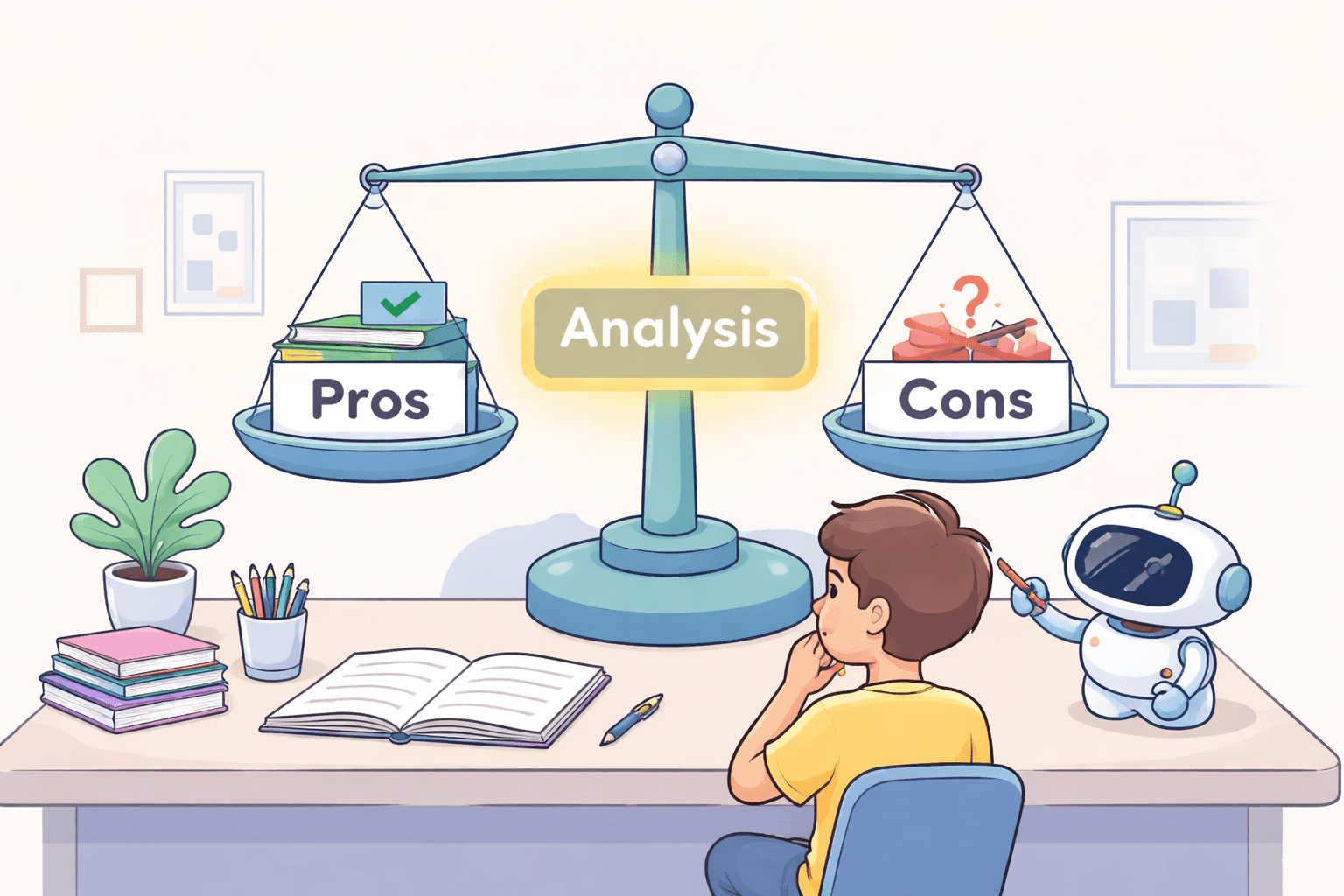
Discursive essay likhna aksar confusing lagta hai. Aapko kaha jata hai ki “balanced rahein,” lekin saath hi “critical thinking bhi dikhayein.” Bohot se students bina kisi real analysis ke sirf pros and cons ki list bana dete hain, jisse average grades milte hain.
Yeh guide aapko dikhayegi ki *actually* ek strong discursive essay kaise likha jaye. Aap structure, techniques, real examples, aur un common traps se bachna seekhenge jo essays ko robotic ya shallow bana dete hain.
<CTA title="Apna Discursive Essay Tezi Se Plan Karein" description="Clear academic flow ke saath minutes mein structured outlines aur balanced arguments generate karein" buttonLabel="Jenni Free Try Karein" link="https://app.jenni.ai/register" />
Discursive Essay Kya Hai (Aur Yeh Bohot Se Students Ko Kyun Confuse Karta Hai)
Ek discursive essay kisi topic ke different sides ko examine karta hai. Yeh ek formal writing hoti hai jo writer ke final, reasoned position par pahunchne se pehle kai viewpoints ko dekhti hai.
Key difference kya hai? Ek argumentative essay ek side chunta hai aur usse defend karta hai. Jabki ek discursive essay ek investigator ki tarah kaam karta hai, jo pehle saare evidence ikthe karta hai.
Agar aap is baat ki broader understanding chahte hain ki yeh academic writing mein kaha fit hota hai, toh different types of academic essays ko explore karne se yeh clarify karne mein madad mil sakti hai ki discursive essays dusron se kaise compare hote hain.
Basic Idea: Ek Simple Comparison
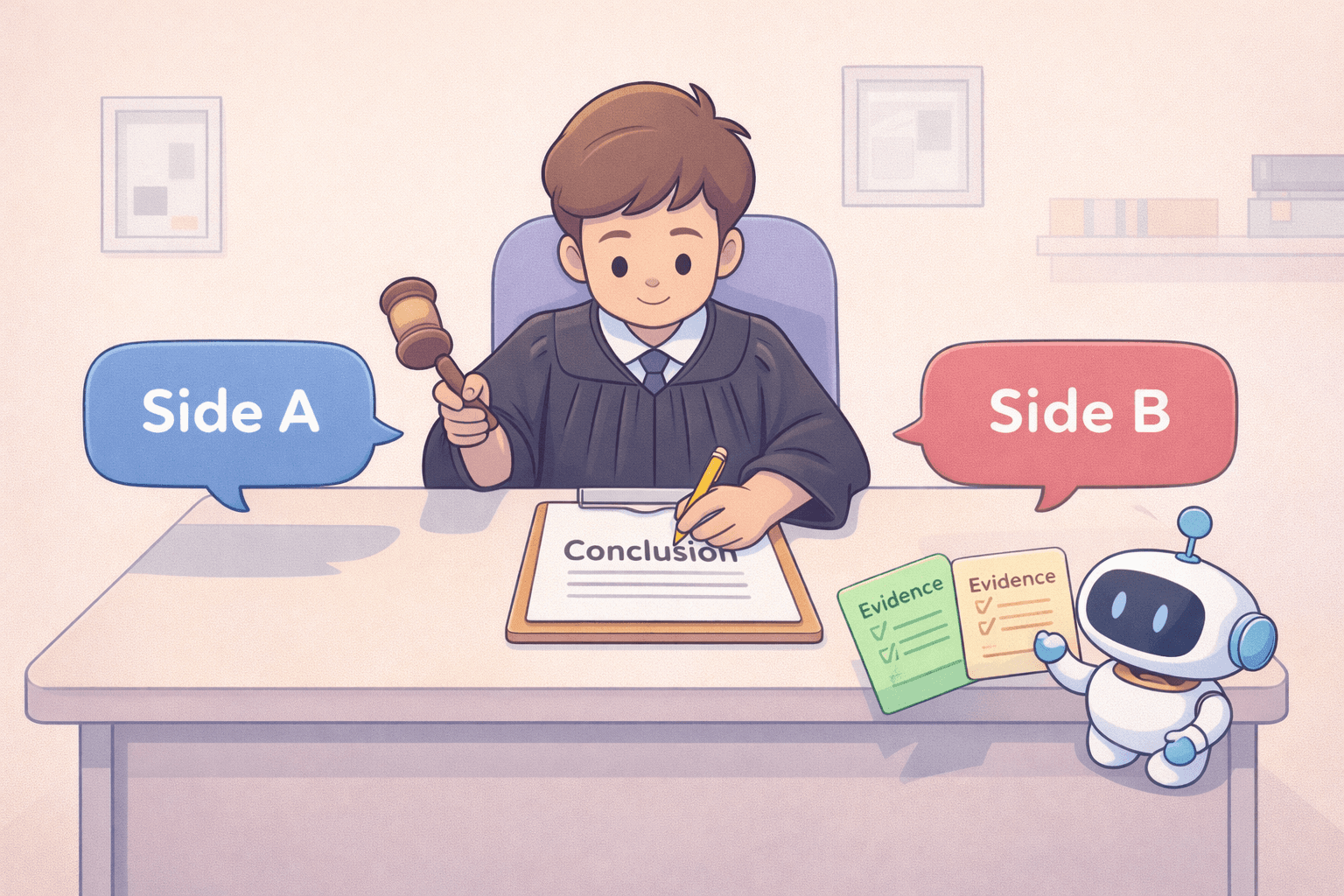
Imagine karein ki aap ek trial mein judge hain.
Aap prosecution ka case sunte hain.
Aap defense ka case sunte hain.
Aap saare testimony aur evidence ko weigh karte hain.
Finally, aap apna verdict dete hain.
Ek discursive essay yahi karta hai. Yeh case ko present karta hai, phir ruling deta hai.
Sabse common mistake jo students karte hain woh yeh hai ki isse ek simple list ki tarah treat karte hain. Woh bina dono arguments ke merits ko weigh kiye bas "side A yeh kehti hai" aur "side B woh kehti hai" likh dete hain. Woh judge banna bhool jaate hain.
<ProTip title="💡 Pro Tip:" description="Hamesha ek aisa sentence include karein jo dono sides ko compare kare, na ki sirf unki list banaye" />
Discursive Essay vs Argumentative Essay
Dono hi arguments ka use karte hain, sach hai, lekin dono ke goals same nahi hote. Yeh bohot se confusion ki root hai. Ek detailed comparison ke liye, hamara discursive vs argumentative essay: key differences explained dekhein.
Ek Side-by-Side Look
Feature | Discursive Essay | Argumentative Essay |
Goal | Multiple sides ko explore aur examine karna. | Reader ko kisi ek specific side ke liye convince karna. |
Tone | Balanced, measured, aur analytical. | Persuasive, assertive, aur aksar one-sided. |
Structure | Kai viewpoints ko detail mein present karta hai. | Ek single, dominant position ko build karta hai. |
Conclusion | Weigh kiye gaye evidence ke basis par ek reasoned judgment. | Ek strong, definitive position jispar poore essay mein argue kiya gaya ho. |
Yeh Actually Kaisa Dikhta Hai
Sunein ki yeh kaisa sound karta hai.
Agar aapka essay aisa lagta hai jaise aap koi debate jitne ki koshish kar rahe hain, toh yeh argumentative hai.
Agar yeh aisa lagta hai jaise aap sach ka pata lagane ki koshish kar rahe hain, toh yeh discursive hai.
Is topic ko lein: social media.
Ek argumentative thesis declare karta hai: "Social media harmful hai aur teenagers ke liye restricted hona chahiye."
Ek discursive thesis consider karta hai: "Jahan social media logon ko jotta hai, wahin adolescents ki mental health par iska impact ek badhti hui chinta hai jo scrutiny demand karti hai."
Types of Discursive Essays Jo Aapko Face Karne Milenge
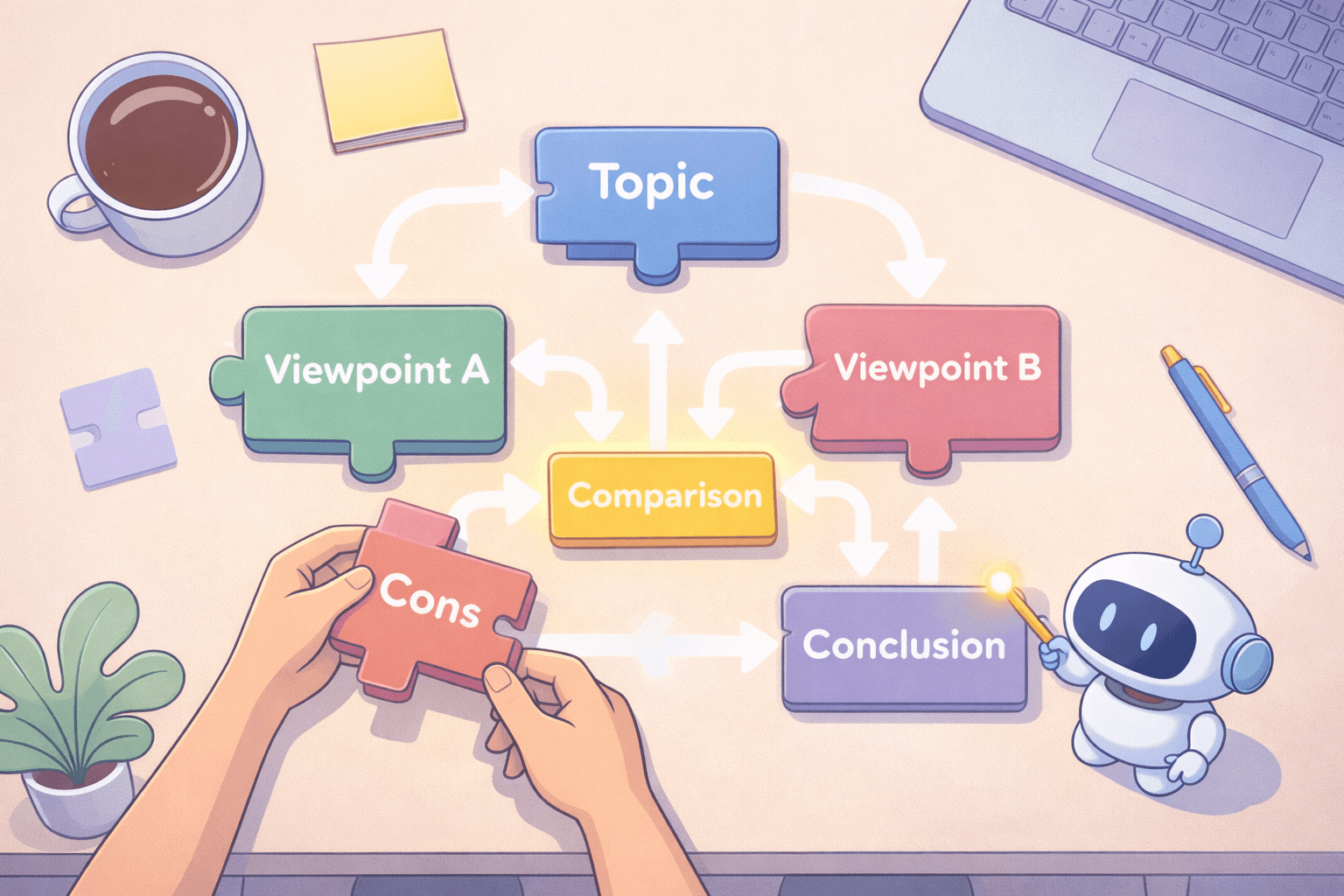
Yeh sab ek hi blueprint follow nahi karte. Yeh jaan lena ki aap kis type ka essay likh rahe hain, structure ko sahi karne ki aadhi jung jeetne jaisa hai.
1. For-and-Against Essay
Yeh classic, sabse common type hai. Aapka kaam seedha hai: pros ko layout karein, phir cons ko layout karein. Real work tab hota hai jab aap piche hat kar assess karte hain ki kis side ka weight zyada hai.
Ek typical topic ho sakta hai, "Kya online learning ko traditional classrooms ko replace kar dena chahiye?"
2. Problem-Solution Essay
Yahan, aap ek specific issue se shuru karte hain. Aap isse analyze karte hain, phir potential fixes ko examine karte hain. Trap sirf solutions ki list bana dena hai. Aapko unki feasibility discuss karni hogi aur argue karna hoga ki konsa sabse effective ho sakta hai.
Urban traffic congestion ko lein.
Problem clear hai: gridlocked cities.
Possible solutions mein public transport ko expand karna, remote work ko promote karna, ya congestion charges implement karna shamil hai.
Aapke essay ko debate karna chahiye ki inme se konsa actually viable hai.
3. Cause-Effect Essay
Yeh type connections ko explore karta hai. Aap kisi phenomenon ke root causes ko investigate karte hain aur phir iske outcomes ko trace karte hain. Yeh events ko link karne ke baare mein hai, na ki sirf unhe describe karne ke baare mein.
For instance: "Students mein academic stress kis wajah se hota hai, aur us pressure ke real-world results kya hain?"
<ProTip title="📌 Note:" description="Essay type pehle hi chunein kyunki yeh aapke structure aur argument flow ko determine karta hai" />
Discursive Essay Structure Jo Actually Work Karta Hai
Ek clear framework aapke essay ko ideas ke confusing jumble banne se rokta hai. Academic writing mein strong essay structure ko samajhna aapko apna introduction, body, aur conclusion zyada effectively organize karne mein madad kar sakta hai.
1. Introduction: Groundwork Likhna
Isse overcomplicate na karein. Apne topic ko name karne se shuru karein. Explain karein ki ispar discuss karna kyun worth hai. Un main viewpoints ko briefly signal karein jinhe aap examine karenge.
Agar aap openings ke saath struggle karte hain, toh ek strong hook banana seekhna bada difference la sakta hai. Yeh resource how to write essay introduction hook par isse clearly break down karta hai.
For example: Social media ne hamare ek dusre se baat karne ke tareeqe ko reshape kar diya hai. Yeh touch mein rehna easy banata hai, lekin doctors aur researchers anxiety aur personal data par iske effects ko lekar increasingly worried hain.
2. Body: Investigation
Yahan aap real kaam karte hain. Har paragraph ko ek clear point tackle karna chahiye.
Isse organize karne ke liye aapke paas do main options hain:
Side-by-Side Method: Ek section issue ko support karne wale saare points ke liye, dusra iske against wale saare points ke liye. Yeh clear hai, lekin yeh do separate lists ki tarah lag sakta hai.
Integrated Method: Har paragraph ek specific argument aur uske immediate counter-argument ko explore karta hai, jiske baad us clash ka aapka analysis hota hai.
Integrated method aksar zyada strong hota hai. Yeh aapko us moment mein critically sochne par force karta hai, na ki sirf information report karne par.
For instance: Ek paragraph admit kar sakta hai ki social media global friendships allow karta hai, lekin phir note karein ki yeh distant connections kabhi-kabhi local loneliness ko aur sharp bana sakte hain.
3. Conclusion: Verdict Dena
Yeh koi neutral summary nahi hai. Har cheez weigh karne ke baad, aapko apni considered opinion deni hogi.
Briefly dono sides se strongest evidence ko recap karein. Phir, us evidence ke basis par, apni final, reasoned position state karein.
Sab kuch dhyaan mein rakhte hue, social media ke connection ke tools undeniable hain. Halanki, well-being ke potential harms ka matlab hai ki isse intentionally use karna, na ki constantly, zyada sensible approach hai.
Step-by-Step Discursive Essay Kaise Likhein
Agar concept abhi bhi fuzzy lagta hai, toh is process ko follow karein. Yeh har baar work karta hai.
Step 1: Pehle Plan Karein. Hamesha.
Turant typing shuru na karein. Ek simple outline sketch karein. Agar aap unsure hain ki apne ideas ko effectively kaise organize karein, toh how to structure essay guide par yeh guide aapko shuru karne se pehle ek clear framework build karne mein madad kar sakti hai.
Side A: Points in favor.
Side B: Points against.
Your Take: Points list karne ke baad aapka preliminary judgment.
Yeh paanch minute ka task aapko ramble karne se rokta hai aur aapke essay ko track par rakhta.
Step 2: Apna Thesis Statement Taiyar Karein
Yeh sentence aapke essay ka anchor hai. Isse do cheezein karni hain: topic ka naam aur ek balanced discussion ka promise.
Ek functional thesis aisi dikhti hai:
"Yeh essay remote work ke benefits aur drawbacks ko analyze karega, iske productivity aur employee well-being par impact ko evaluate karega."
Agar aap unsure hain ki isse effectively kaise structure karein, toh thesis statements par clear guidance review karne se aapko apne argument mein clarity aur balance dono ko refine karne mein madad mil sakti hai.
Step 3: Har Point Ko Back Karein
General claims useless hote hain. Aapko specific proof ki zaroorat hoti hai.
Weak: "Remote work efficient hai."
Strong: "Ek 2015 Stanford study ne remote workers ke beech 13% performance increase paya, jiska credit kam office distractions ko diya gaya."
Step 4: Apne Thoughts Link Karein
Ideas ke beech jump karna reader ko confuse karta hai. Unhe guide karne ke liye simple transition words ka use karein.
Similar point add karne ke liye: Furthermore, Also.
Different view introduce karne ke liye: However, Conversely, On the other hand.
Result dikhane ke liye: Therefore, As a result.
Step 5: Fairness Ke Liye Edit Karein
Finish karne se pehle, apne draft ko ek question ke sath read karein: Kya yeh balanced hai?
Kya aapne har perspective par lagbhag utna hi time spend kiya?
Kya aapka conclusion evidence weigh karne se aaya, ya aapne shuru se hi ek side ko favor kiya?
<ProTip title="💡 Pro Tip:" description="Agar ek side zyada strong lagti hai toh balance maintain karne ke liye ek counterargument add karein" />
Common Mistakes (Aur Unse Kaise Bachein)
Bohot se essays bad ideas ki wajah se nahi, balki unhe likhne ke simple, avoidable errors ki wajah se mark down ho jaate hain.
1. List, Na Ki Analysis
Yeh sabse bada issue hai. Ek essay jo sirf "yeh ek pro hai, yeh ek con hai, yeh dusra pro hai" kehta hai, woh ek grocery list ki tarah lagta hai. Yeh mechanical hai.
The Fix: Ek point present karne ke baad, aapko uske sath kuch karna hoga. Puchein "So what?" ya "Yeh opposing point se kaise compare hota hai?" Yeh sawaal aapko analyze karne par force karta hai, jo ki main point hai.
Ideas ko list karne se aage badhne aur deeper evaluation develop karne ke liye, being critical in academic writing par yeh resource explains karta hai ki analysis aur comparison ko kaise strengthen kiya jaye.
2. False Neutrality Ke Peeche Chupna
Ek discursive essay koi news report nahi hai jo sirf facts state kare. Aapka kaam perfectly middle mein rehna nahi hai.
Iska kaam saare sides ko examine karna aur phir, jo evidence aapne present kiya hai uske basis par, ek judgment form karna hai. Agar aap end mein stand nahi lete, toh aapne assignment complete nahi kiya.
3. Robotic Voice
Same sentence structure baar-baar use karna ("One advantage is... Another advantage is... A disadvantage is...") aapki writing ko aisa sound karata hai jaise usse kisi machine ne generate kiya ho.
The Fix: Mix it up. Ek short, direct sentence use karein. Uske baad ek lamba, zyada detailed sentence likhein. Sentence ko evidence se shuru karein, topic se nahi. Claim karne ke turant baad ek concrete example daal dein.
4. Empty Conclusion
"Dono sides par acche points hain" ke sath end karna ek failure hai. Yeh reader ko batata hai ki aapne woh saara kaam bina kisi reason ke kiya.
The Fix: Aapke final paragraph ko synthesize karna hoga. Briefly humein *har* side ke strongest evidence ki yaad dilayein, aur phir clearly state karein ki aapko konsa evidence zyada compelling lagta hai aur kyun. Woh aapki reasoned opinion hai.
<ProTip title="⚠️ Reminder:" description="Bina evaluation ke ek discursive essay kabhi top grades tak nahi pahunchega" />
Examiners Actually Kya Dekhte Hain
Yeh jaan lena ki aapko kaise grade kiya ja raha hai, aapko apna effort wahan focus karne deta hai jahan zaroorat hai.
Markers kuch core cheezein assess karte hain. Woh check karte hain ki aapka essay clearly organized aur follow karne mein easy hai ya nahi. Woh dekhte hain ki kya aapne different viewpoints ko fair aur thorough attention di hai.
Woh aapke logic ki strength ko judge karte hain, ki aap apne ideas aur evidence ko kitne acche se connect karte hain. Woh note karte hain ki kya aap solid examples aur data use kar rahe hain, na ki sirf opinions.
Finally, woh overall flow ke liye read karte hain; har paragraph ko next paragraph tak smoothly lead karna chahiye. Academic writing ki research, jaise British Council dwara use kiye gaye frameworks, dikhati hai ki top marks sirf ek perfectly formatted essay ko nahi milte.
Highest scores un works ke liye reserved hain jo us clear structure ko genuine critical thinking ke sath combine karte hain. Yeh information ko neatly present karne aur page par actually uske sath wrestle karne ke beech ka difference hai.
Ek Quick Discursive Essay Example (Simplified)
Topic: Kya students ko schoolwork ke liye AI tools use karne ki permission honi chahiye?
Introduction Artificial intelligence ab classrooms aur libraries mein ek fixture ban chuka hai. Yeh tools students ko assignments tezi se finish karne mein madad kar sakte hain, lekin yeh hum kaise seekhte hain is baare mein serious questions bhi raise karte hain.
The Body AI use karne ke favor mein ek strong case hai. Yeh routine tasks ko jaldi handle karta hai, jaise grammar check karna ya lambe articles ko summarize karna.
Yeh students ke liye complex ideas par focus karne ke liye time free karta hai. Ek student jo basic draft ke sath struggle kar raha hai, uske liye AI suggestion ek helpful starting point provide kar sakta hai.
Halanki, risks real hain. Agar ek student poore essay ko generate karne ke liye AI ka use karta hai, toh woh research, structuring arguments, aur apni voice dhundne ke actual kaam ko skip kar deta hai.
Yeh convenience ek crutch ban sakti hai, bina kisi help ke problems ke baare mein sochne ki ability ko kamzor karti hai. Education ka goal sirf ek correct answer produce karna nahi hai, balki usse dhundne ki skill build karna hai.
Conclusion AI tools powerful assistants hain. Efficiency aur support ke liye unki value clear hai. Lekin unka use guided hona chahiye. Responsible approach unhe ban karna nahi hai, balki students ko yeh sikhana hai ki unhe apne critical thought ke replacement ke roop mein nahi, balki ek supplement ke roop mein kaise use karein.
Discursive Essay Checklist
Submit karne se pehle, khud se puchein:
Kya maine dono sides ko clearly present kiya?
Kya maine ideas ko compare kiya, na ki sirf unki list banayi?
Kya mera conclusion reasoned hai?
Kya mere paragraphs logically connected hain?
Kya meri tone formal aur balanced hai?
Agar aap kisi ka bhi answer “no” dete hain, toh revise karein.
Confusion Ko Clear Argument Mein Badlein
Aap apne draft ko ghoor rahe hain, same lines ko baar-baar read kar rahe hain, aur kuch bhi sharp nahi lag raha hai. Yeh sab repeated sound karta hai, thoda off lagta hai, aur aap bata nahi sakte ki actually kya cheez aapke point ko click karati hai. Yeh frustrating hai. Aap bas chahte hain ki iska koi matlab nikle.
<CTA title="Clear aur Balanced Essays Likhein" description="Guided support aur smart outlines ke sath apne ideas ko structured academic writing mein badlein" buttonLabel="Jenni Free Try Karein" link="https://app.jenni.ai/register" />
Yahan Jenni aapko noise ko cut karne aur tezi se aage badhne mein madad karta hai — ek AI essay outline generator se shuru karna aapko draft karne se pehle dono sides ko map karne mein madad kar sakta hai. Yeh aapke ideas ko line mein rakhta hai aur aapki voice ko khoye bina ek clear argument shape karne mein help karta hai. Yeh ek simple step hai jo aapki writing ko scattered ke bajaye solid feel karata hai.